Oklahoma Poker Runs and Charity Rides
A poker run or charity ride can sound like an easy way to spend a day on an ATV or UTV, but the details matter: routes may cross different kinds of land, machines may have to meet site rules, and a fundraiser still needs a clear plan for safety and donations. This guide explains how to choose, prepare for, and take part in an Oklahoma ride responsibly.
How Oklahoma poker runs and charity rides work
Poker runs are usually checkpoint rides, not races
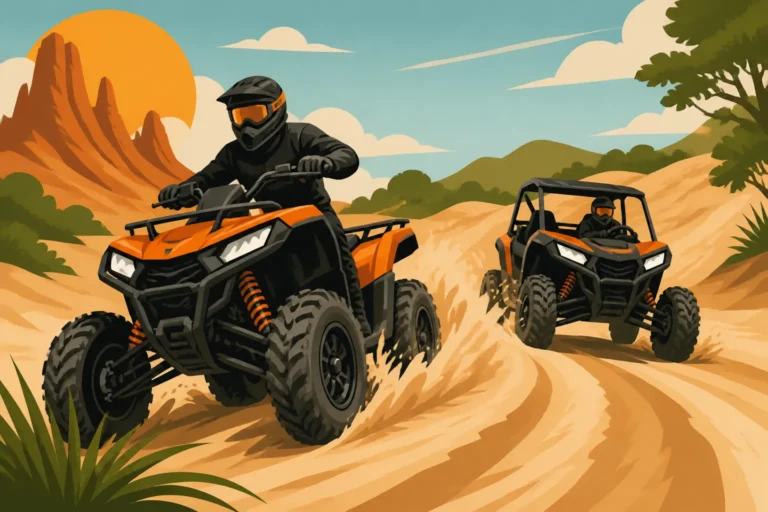
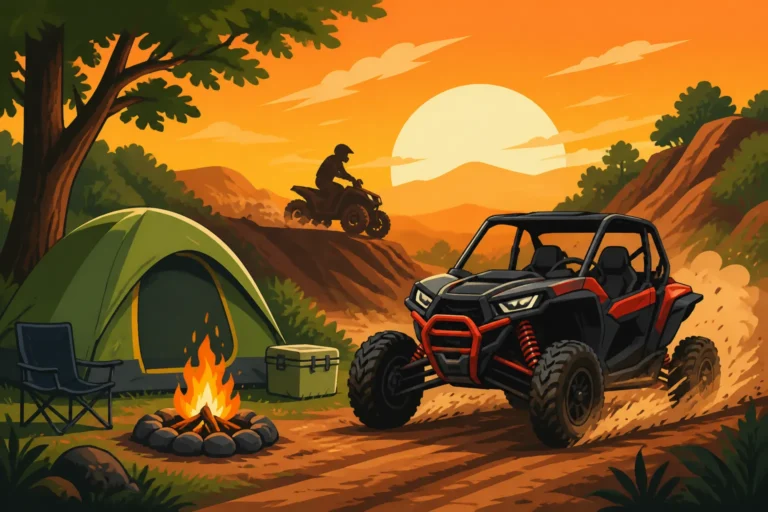
In a typical ATV or UTV poker run, riders follow a route and stop at designated checkpoints to collect a playing card or another marker. At the end, participants compare their hands, and the organizer awards a prize or recognizes a winning hand. The ride is generally meant to be social, so the goal is to reach each stop safely rather than finish first.
The specific format can vary. Some events may use a traditional five-card hand; others may have a different game, a scavenger-style activity, or a drawing. Before registering, ask how checkpoints work, whether the route is marked, what happens if you miss a stop, and whether the ride is timed. If speed affects the outcome, make sure you understand the rules and don’t assume that faster riding is expected or safe.
A poker run can also be a fundraiser, but not every event with a registration fee is a charity event. If supporting a cause is important to you, ask which organization benefits and how donations are handled. A clear answer should explain whether proceeds go to a named nonprofit, a local community need, or an event expense fund.
Charity rides need transparent expectations
Charity rides may collect money through registration, donations, raffles, merchandise, or a combination of methods. Before paying, look for a plain explanation of where the money goes and whether any portion covers event costs. An organizer should also tell riders what the registration fee includes, such as access to the ride, meals, a participant packet, or entry into a drawing.
It’s reasonable to ask questions without sounding suspicious. For example: “Is the donation optional or part of the entry fee?” and “Will participants receive a receipt?” If an event names a charity, check that the group or cause is identifiable and that the organizer can explain the connection. Those small checks help you avoid confusion on ride day and make it easier to support an event with confidence.
Events differ in size and style. A small local ride may involve a short route and a few volunteer checkpoints; a larger gathering may have multiple ride groups, food vendors, a staging area, and additional site requirements. Read the event details rather than relying on last year’s post or a friend’s memory. For a broader sense of possible venues and riding options, start with Oklahoma ATV Trails: Where to Ride.
Choosing an event and checking the route
Confirm where the ride takes place and who controls the land
A route can use a private riding park, public recreation land, designated trails, or a mix of permitted areas. Each setting can have different access rules. A private facility may require a waiver or impose its own rules for passengers, helmets, noise, camping, and operating hours. Public land may have specific routes, seasonal restrictions, permits, or closures. Never assume that an event’s route is open to ordinary riders just because it appears on a map.
Ask the organizer who has authorized the route and whether event registration covers any required site access. If a ride is associated with a named area—such as Little Sahara, Robbers Cave, Cross Bar Ranch, or land in southeastern Oklahoma—check the current rules directly with the site or land manager. The name of a nearby town or recreation area does not tell you which roads, trails, or parcels the event is allowed to use.
For rides involving public access lands, check whether riders need a permit in addition to event registration. Oklahoma’s land-access requirements can depend on the land and the rider’s circumstances, so review [Oklahoma Land Access Permits Explained] and confirm the details for the specific location. An organizer’s sign-up page is useful, but it should not replace checking the rules that apply to you.
Ask practical questions before you register
A good event announcement should give you enough information to decide whether the ride fits your machine, experience, and schedule. If essential details are missing, contact the organizer before paying. Useful questions include:
- What is the starting location, and where do participants park and unload?
- What type of machine can use the route, and are there restrictions on width or vehicle class?
- How long is the ride, and is the route suitable for novice riders?
- Are there marked checkpoints, a route map, or a required group-leader system?
- What safety equipment is required by law, the property, or the organizer?
- Is fuel, food, water, or cell service available along the route?
- What is the plan if weather closes the route or conditions become unsafe?
- Does the event have a return, cancellation, or donation policy?
The event may not know every detail far in advance, especially if trail conditions change. Still, organizers should be able to tell you when final instructions will be shared and how participants will be notified. Review Oklahoma Trail Conditions Before You Tow when planning your trip, and check for updates close to departure rather than relying on an old screenshot.
| Event detail | What to confirm | Why it matters |
|---|---|---|
| Route and land access | Who manages the land and whether the route is authorized | Prevents accidental trespass or riding on a closed trail |
| Machine requirements | Allowed vehicle types, size limits, and passenger rules | Helps avoid arriving with a machine the route cannot accommodate |
| Ride format | Checkpoints, timing, scoring, and missed-stop rules | Sets expectations and discourages unsafe assumptions |
| Safety plan | Required gear, ride groups, emergency contacts, and sweep riders | Makes it easier to respond to separation, breakdowns, or injury |
| Fundraising details | Beneficiary, donation method, and what fees cover | Clarifies how your contribution is being used |
| Weather policy | Closure, rescheduling, cancellation, or refund procedure | Helps you make a safe decision when conditions change |
When you use a mapping app such as onX Offroad, treat it as a planning aid, not permission to ride. Compare the displayed route with the organizer’s official instructions and land-manager information. onX Offroad can help you review a route and orient yourself, but access boundaries, temporary closures, and event-specific directions still need to be confirmed through the people responsible for the ride.
Preparing for a safe and enjoyable ride
Match your machine and experience to the event
Not every poker run is beginner-friendly, and a route that is comfortable for one machine may be difficult for another. A narrow trail, loose sand, steep ground, creek crossing, or deep mud can change the experience quickly. Ask whether the route is suitable for your machine and skill level, and be honest with yourself about what you can handle. If you are new to trail riding, choose a ride with clear route guidance, a manageable distance, and a way to turn back or regroup.
For a UTV, confirm width restrictions and passenger rules. For a quad, think about how you’ll carry water, tools, and any extra layers without making the machine unstable. Riders bringing children should check the event’s age and passenger requirements before registering; the venue may have rules that are stricter than what you expected. See [Oklahoma Rules for Young Riders] for related considerations, then verify the event’s own requirements.
Inspect your machine before the event rather than discovering a problem at the staging area. Check tires, brakes, throttle operation, lights, fluids, battery, and any protective equipment appropriate for the route. Carry basic tools and a way to contact your group. A machine that has been sitting through winter or a long stretch of storage may need attention before a demanding ride; Oklahoma Machines Stored Over Winter can help you think through a pre-ride check.
Plan for the group, not just your own ride
Arriving with a group can make an event more fun, but it also calls for a little coordination. Agree on a meeting point, identify the least experienced rider, and decide who will ride at the front and back. Set a simple regrouping rule: if someone is separated, stop at the next agreed checkpoint or safe pull-off rather than speeding up to catch the group.
Respect the pace of other riders. Don’t crowd a machine on a climb, pass where visibility is limited, or assume a rider ahead has seen you. Follow posted signs and event directions, keep dust and noise in mind around other users, and stay on the designated route. These habits matter especially when a ride includes mixed experience levels or unfamiliar terrain. Oklahoma Trail Etiquette Locals Expect offers additional context for sharing a riding area considerately.
Use onX Offroad or another navigation tool to review the route before the day, but don’t let a phone screen distract you while moving. Download or save what you need ahead of time if service may be unreliable, and carry the organizer’s written directions or a paper backup when appropriate. A digital map is most useful when everyone understands that the event route and land manager’s instructions take priority over an app’s suggested line.
Event-day checklist and common pitfalls
Make a simple plan before leaving home
A little preparation can prevent the familiar frustrations: arriving without the right paperwork, discovering the ride is full, or realizing your machine doesn’t meet the site’s requirements. Save the event address, organizer contact, check-in instructions, and route information. Confirm whether you need to arrive during a specific check-in window and whether parking or unloading space is limited.
Pack for the conditions rather than the forecast alone. Oklahoma weather can shift, and a long day outdoors can feel different in wind, dust, heat, or rain. Bring water, appropriate clothing, basic first aid supplies, and any personal medication you may need. Keep your phone charged, but don’t count on cell service everywhere. If the event runs through a private facility, review [Oklahoma Private Park Waivers and Rules] and complete required paperwork before you arrive if the organizer allows it.
A useful last-minute checklist includes:
- Confirm the event hasn’t changed its location, start time, or route.
- Check that your machine is in safe operating condition.
- Bring required safety gear and any site or land-access documentation.
- Share your plans with someone who is not attending.
- Identify your group’s meeting point and regrouping procedure.
- Carry enough water and supplies for the expected ride, plus a reasonable backup.
- Follow the event’s check-in instructions and listen to the safety briefing.
If you are planning to tow a machine, check access and parking details before setting out. A trailhead or staging area that accommodates a pickup may not have room for a long trailer, especially during a busy event. Oklahoma Trailheads With Trailer Parking can help you plan around that practical detail, but confirm the event’s actual parking arrangements with its organizer.
Avoid the mistakes that turn a fun day into a stressful one
The most common mistake is treating the event post as a complete statement of land-use rules. It may describe the ride but not every rule that applies to a park, public area, or access road. Confirm requirements with both the organizer and the land manager when needed. A second common mistake is assuming all machines, passengers, or skill levels are welcome. Ask before you load up.
Another problem is treating a poker run like a race even when the organizer hasn’t said it is one. Rushing between checkpoints increases the risk of collisions, missed turns, and avoidable damage. Take the route at a pace that suits visibility and conditions. If you can’t find a checkpoint or the trail seems inconsistent with the event instructions, stop somewhere safe and contact the ride lead rather than improvising a shortcut.
Finally, don’t let the fundraising purpose make you overlook basic event details. Confirm what your payment covers, how donations are collected, and what happens if the ride is cancelled. If weather has made the route unsafe, skipping the ride is a responsible choice—not a failure to support the cause. A well-organized charity event should respect both its mission and the safety of the people contributing to it.
Disclaimer
This article is for general informational purposes only and does not constitute professional advice. Laws, prices and regulations vary by location and change over time. Consult a qualified professional for guidance on your specific situation.