Robbers Cave Riding Is Daylight Hours Only
Robbers Cave’s off-highway vehicle area is a place to plan around the clock: riding is limited to daylight hours. That affects when you arrive, how much trail time you can realistically fit in, and when you need to be packed up. Here’s how to plan a ride without confusing the OHV area’s rule with general park access or permits for other Oklahoma riding areas.
What daylight-hours-only riding means at Robbers Cave
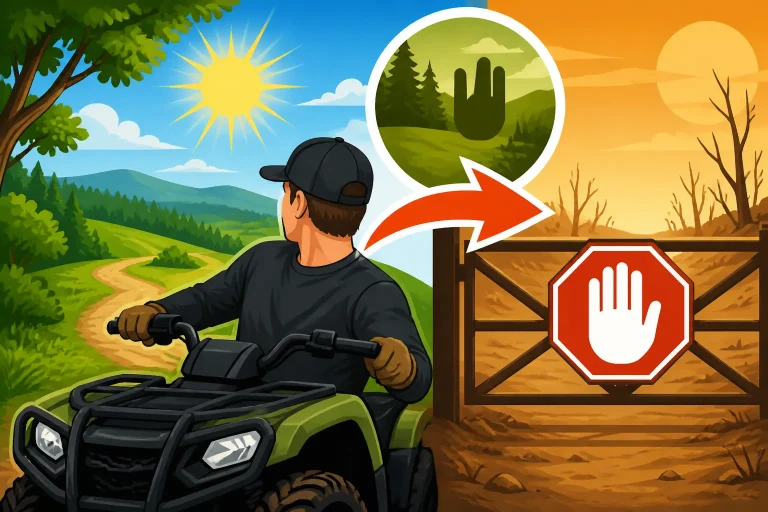
Robbers Cave OHV Area is a roughly 250-acre riding area in the hills of the San Bois. Its riding window is daylight hours, not an overnight schedule. You should plan to ride while there is natural daylight and be off the trails before dark. Do not assume that headlights make nighttime trail riding acceptable, or that dusk counts as extra riding time.
That distinction matters because park access and OHV riding hours are not necessarily the same thing. A campground or another part of the park may have its own access arrangements, but those do not extend the hours when you can ride the OHV area. Similarly, being allowed to stay overnight does not mean you can take a machine back onto the trails after dark.
| Part of the visit | How to plan |
|---|---|
| OHV trail riding | Schedule it during daylight and finish before dark |
| Arrival and unloading | Allow time for parking, preparation, and any required check-in before riding |
| Campground or other park access | Confirm the applicable hours and rules separately from OHV riding hours |
| Loading and departure | Leave enough daylight to return to the staging area and load safely |
| Permits and entry requirements | Check current requirements for the specific riding area before traveling |
Treat daylight as the limit for riding, not as a target time to reach the trailhead. If you arrive late, it may be better to handle check-in and preparation, then ride during a later visit rather than rush onto the trails with little time left.
The daylight restriction is also different from a lighting requirement. A machine’s lights can help you be seen in poor visibility, but they do not turn an after-dark ride into an allowed one. If weather, tree cover, or terrain makes the trails difficult to see, use a conservative judgment and stop riding before conditions become unsafe.
For a broader look at the site and its terrain, see Robbers Cave OHV Area in Oklahoma. It helps to think of Robbers Cave as a specific riding area with its own operating rules, rather than assume that every rule for Oklahoma trails applies in the same way.
Plan arrival, riding time, and loading before you go
A daylight-only rule makes the practical details of your visit important. Allow time for the steps that happen before the ride: finding the correct entrance, checking in, reviewing posted notices, unloading machines, and getting riders ready. A late start can reduce trail time more than expected, especially if your group includes children, new riders, or several machines.
Before leaving home, check current access information directly with the park or riding-area office. Confirm that the OHV area is open on the day you plan to visit, ask about any temporary closures, and verify when riders must be off the trails. Posted instructions at the site matter too. If they give a more specific closing time or direct riders to leave an area sooner, follow those instructions rather than relying on a general understanding of “daylight.”
A simple visit plan can help:
- Confirm the riding area is open. Check for closures, changed access arrangements, or other notices that could affect your trip.
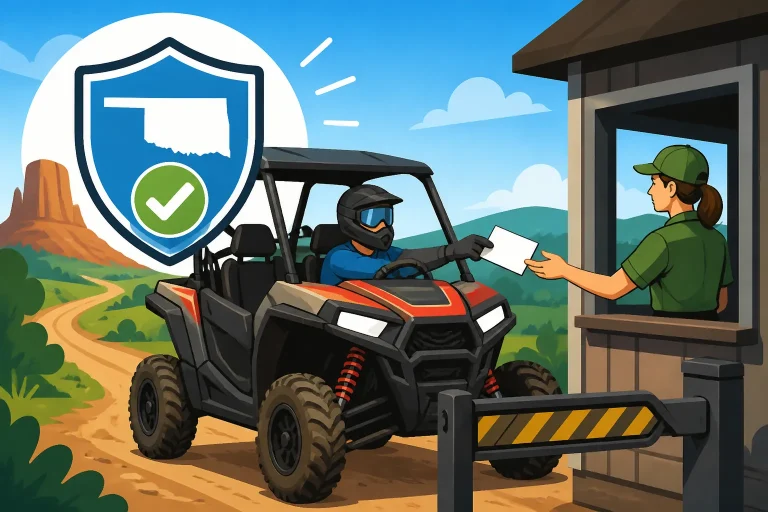
- Ask about the current check-in process. Confirm where to pay or register, what proof or documents riders need, and whether the process has changed.
- Set a conservative riding cutoff. Choose a time that leaves a comfortable margin for returning to the staging area before dark.
- Build in loading time. Include time to gather your group, secure equipment, and load machines without rushing.
- Recheck conditions on arrival. Review posted signs and ask staff about trail or weather concerns before starting.
The safest cutoff is earlier than the moment the last light disappears. A group can take longer than expected to return, and a machine problem, minor injury, or navigation mistake can add delay. In wooded or hilly terrain, the trail can become hard to read well before full darkness. Give yourself a buffer instead of planning to use every minute of daylight.
If you are coordinating several riders, agree on the cutoff before anyone leaves the staging area. Set a meeting point and make sure each rider knows the route back. Keep the group together if anyone is unfamiliar with the area, and do not let a faster rider’s schedule pressure the rest of the group into extending the ride.
Equipment should support a daylight outing, not be treated as permission to ride at night. Carry basic repair supplies, water, and a charged phone or other communication device if appropriate for your group. A flashlight can be useful for loading or dealing with an unexpected delay, but it does not replace the daylight riding rule. For a wider checklist of trip planning considerations, Oklahoma Trail Conditions Before You Tow can help you prepare before you set out.
Permits, entry requirements, and out-of-state riders
Do not assume that one Oklahoma permit or decal gives you access to every place where people ride. Requirements can depend on who manages the land and how the riding area is operated. A permit used for a particular public-land access program, for example, should not be treated as a universal riding pass for a state park or a separate OHV area.
For Robbers Cave, confirm the current requirements for that location before traveling. Ask whether riders must pay an area-specific entry or riding charge, where to complete check-in, and whether there are machine or rider rules you need to know before arrival. Fees and procedures can change, so use current information from the park rather than relying on an old receipt, a social media post, or a friend’s recollection.
The distinction is especially useful for visitors from another state. A registration decal or riding permit issued elsewhere does not automatically answer whether you can enter a particular Oklahoma riding area. Check the area’s own rules and bring any ownership, registration, or identification documents it says are required. For general background on how permits differ by location, see Oklahoma Land Access Permits Explained and Oklahoma State Park Fees for Riders.
If you are unsure which office or staff member handles a question, contact the park before your trip and ask directly. Useful questions include:
- Is the OHV area open on my planned visit date?
- What time must riders be off the trails?
- Where do I check in, and what does the process require?
- Are there current closures, route restrictions, or special instructions?
- Do out-of-state riders need to provide anything beyond the usual entry requirements?
- Are the rules different for passengers, youth riders, or particular machine types?
Keep the answers with your trip notes, but check posted signs when you arrive. A phone call can clarify the usual process; signs and staff instructions at the site can address current conditions.
For help planning how your group should behave on shared trails, Oklahoma Trail Etiquette Locals Expect is also relevant. Staying on designated routes, yielding appropriately, and keeping speeds under control helps make a short daylight riding window safer and more enjoyable for everyone.
A practical checklist for a daylight-only ride
The best way to handle the rule is to make it part of the trip schedule rather than an afterthought. Decide when your group will stop riding, then work backward from that time. If the plan leaves too little daylight for check-in, a worthwhile ride, and loading, change the visit plan instead of trying to squeeze everything in.
Use this checklist before you leave:
- Confirm that Robbers Cave’s OHV area is open and verify the current riding hours.
- Check whether there are temporary closures or other notices for the date of your visit.
- Confirm where to check in and what fees or documents may be required.
- Plan to begin riding with enough time to return before dark.
- Set an earlier cutoff for young or inexperienced riders, large groups, or anyone unfamiliar with the terrain.
- Make sure each rider knows the route back and the group’s meeting point.
- Leave a buffer for a mechanical issue, a slow return, or a change in conditions.
- Follow signs and staff directions at the site, even if you have visited before.
A daylight restriction does not make the visit complicated, but it does make a rushed arrival less forgiving. Arriving with time to spare gives you room to understand the current requirements, prepare machines, and enjoy the trails without watching the clock every few minutes.
If you need details that are specific to your planned visit, Questions to Ask the Park Office Before You Go offers a useful framework for checking access and rules. Confirm the details close to your trip, follow the posted instructions, and plan to have every machine off the trails before dark.
Disclaimer
This article is for general informational purposes only and does not constitute professional advice. Laws, prices and regulations vary by location and change over time. Consult a qualified professional for guidance on your specific situation.