Robbers Cave OHV Area in Oklahoma
Robbers Cave OHV Area gives Oklahoma riders a compact place to explore wooded, hilly terrain near Wilburton, but a small riding area still takes planning. Knowing what the trails are like, when riding is allowed, where to camp, and what to check before unloading can help you avoid a frustrating drive and make the most of your visit.
Getting to Know Robbers Cave OHV Area
Where the riding area is
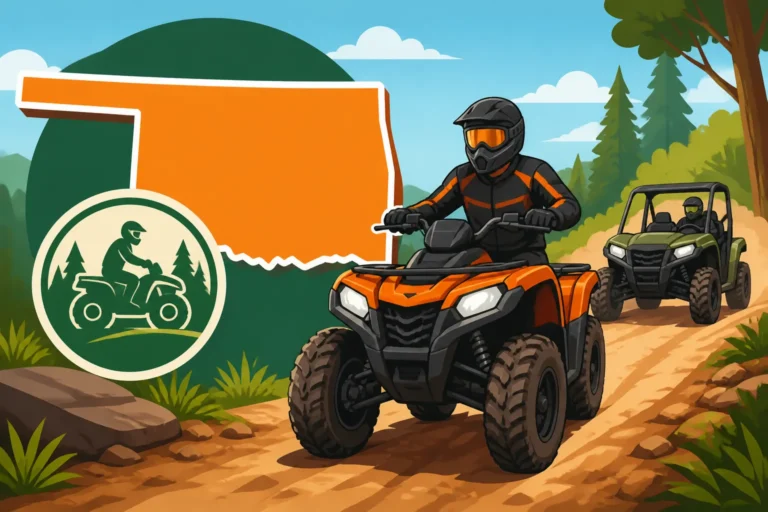
Robbers Cave OHV Area is in southeastern Oklahoma, near Wilburton in Latimer County. It sits in the San Bois Mountains, a region known for wooded slopes and uneven ground rather than the open, level landscape some riders picture when they think of Oklahoma. The riding area is associated with Robbers Cave State Park, so it helps to think of it as one part of a larger outdoor destination—not as a sprawling, standalone off-road resort.
The area is commonly described as roughly 250 acres. That gives you a sense of scale: it is a relatively compact place to ride, not a vast trail system where you should expect to spend all day covering new ground. A smaller footprint can still make for an enjoyable outing, especially if you like winding wooded routes and rolling terrain. But it also means that expectations matter. If your group wants miles of uninterrupted riding or a full weekend of exploring new trails, compare Robbers Cave with other options before setting out.
The park is near Wilburton, but don’t assume the last part of your drive will feel like a quick run from a city highway to a trailhead. You’ll want to confirm the route, entrance, and riding-area directions before leaving home, particularly if you’re towing a trailer. A navigation app may route you toward a general park address rather than the place where OHVs are supposed to unload. An onX Offroad map can help you orient yourself and plan the drive, but use it alongside directions from the park rather than treating any app as the final word on access.
For a broader view of where riding opportunities are located around the state, see [Oklahoma ATV Trails: Where to Ride]. If you’re planning a trip around Robbers Cave specifically, the overview at [Robbers Cave's 250 Acres in Oklahoma] can help you keep the area’s scale in perspective.
What kind of riding to expect
The defining feature of Robbers Cave OHV Area is its hilly, wooded setting. The San Bois terrain can feel very different from open sand or broad, flat farm roads. You may encounter uneven ground, changing grades, turns with limited sightlines, and surfaces that behave differently after rain. Even a route that looks easy on a map may feel more demanding once you’re navigating a slope, loose material, or a narrow section with other riders nearby.
That doesn’t mean every ride is automatically difficult. It means your experience depends on the route you choose, recent weather, machine type, tire condition, and how comfortable you are managing hills. A family group with a youth quad and a cautious beginner should make different choices from a group of experienced riders on well-equipped machines. Keep the least experienced rider’s comfort in mind when deciding how far to go, and turn back before a route becomes stressful.
A compact trail area can be a good place to practice paying attention to terrain. Rather than racing to cover distance, ride at a pace that lets you read the ground ahead, notice changes in traction, and make room for other users. On a hill, avoid following too closely: if the person ahead needs to stop or change direction, you’ll want enough space to react without creating a pileup.
For a more focused discussion of the landscape, start with [Hilly Ground in the San Bois]. If you’re unsure how a route’s difficulty translates to your own group, [Oklahoma Trail Difficulty Ratings] offers useful context for thinking beyond a trail’s name or color on a map.
Planning Your Visit
Check access details before towing
A trip can go sideways before the first machine leaves the trailer. Confirm that the OHV area is open, check the park’s latest visitor information, and make sure you understand where riders are expected to enter and unload. Access details can change because of weather, maintenance, special events, or other park operations. A quick check before departure is much easier than arriving with a loaded trailer and discovering that the route you planned isn’t available.
Don’t rely on a general state-park map to answer every riding question. Look specifically for OHV access, parking or unloading guidance, riding hours, and any posted limits. If something is unclear, contact the park and ask a direct question: “Where should I unload an ATV?” is more useful than assuming that every road or trail shown on a general map is open to off-highway vehicles.
The drive is also worth planning as a group. Decide who is towing, where everyone will meet, and what to do if a truck or trailer gets separated from the convoy. If someone is using a different navigation app, agree on the destination in advance. In a wooded area, cell coverage and route accuracy may not match what you’re used to at home, so download or save useful information before you leave a reliable signal.
When you’re comparing camping and riding options around the state, [Oklahoma OHV Camping With Trail Access] can help you think through the difference between staying near a riding area and simply making a day trip. If you’re mapping the drive and riding area with onX Offroad, check the information against park directions and posted signs when you arrive.
Choose the right trip length and group size
Robbers Cave’s compact footprint can suit a half-day visit, a relaxed family outing, or a stop as part of a broader trip to the area. It may be less suitable for a group expecting to spend a full day riding long distances without repeating sections. That isn’t a flaw; it’s a planning detail. A better day often comes from setting a realistic goal—explore at a comfortable pace, take breaks, and enjoy the setting—rather than trying to turn every visit into an endurance ride.
Group size affects the feel of a small trail system. A few machines can move along at a natural pace, while a large group may need more coordination at junctions and stops. Before riding, decide who will lead and who will ride at the back. Agree on a rule that nobody gets left behind, and choose a regrouping point if the group becomes separated. Riders who don’t know the terrain should avoid racing ahead based on a phone map.
If your group includes children or new riders, plan for shorter loops and frequent check-ins. A young rider may be confident in an open field but uncomfortable on a narrow, hilly trail. Let the rider set a sensible pace, and don’t make turning around feel like a failure. If someone’s hands are tired, the machine is overheating, or the terrain is becoming intimidating, a break is the smart choice.
A useful way to plan is to build in extra time for unloading, equipment checks, a slow first pass, and breaks. The ride itself is only part of the outing. You also need time for helmets, water, trail etiquette reminders, and securing the machines afterward. That small buffer can keep the day from becoming a rush from the trailer to the trail and back again.
Understanding the Trails and Terrain
Hills, turns, and changing traction
Hilly wooded terrain calls for a different riding rhythm from open ground. You may have less time to react because trees and bends restrict your view. Slow down before a blind curve, crest, or descent rather than waiting until you’re already in it. Keep enough distance from the machine ahead to avoid breathing dust or being caught too close if the rider needs to stop.
On climbs and descents, avoid abrupt inputs. A sudden throttle change, hard braking, or sharp turn can unsettle a machine on uneven ground. Stay attentive to how the surface feels beneath your tires, and remember that a route’s condition can change from one section to the next. A shaded patch may remain damp after the exposed ground has dried, while loose leaves can disguise ruts, rocks, or other surface changes.
Traction is not just a matter of the machine’s tires. It also depends on your line, speed, load, and the conditions that day. A passenger or cargo can change how a UTV handles, and a rider who is comfortable on dry ground may find the same slope harder after rain. If you can’t confidently clear a section, stop somewhere safe, assess it, and choose a reasonable alternative instead of forcing the machine through.
Use good judgment around other riders, too. On a narrow route, slow down and make your presence known without startling someone. Don’t assume the rider in front has seen you, especially in a wooded area where engines and terrain can make it harder to hear. The safest ride is usually the one where everyone has enough time and space to make calm decisions.
Weather and trail conditions
Rain can change the character of a trail quickly. Soil that seemed firm on arrival may turn slick, and low spots or ruts can hold water. In a hilly setting, wet ground can also make a descent or climb feel substantially harder than it did during a previous visit. If heavy rain has recently passed through, check for closures or guidance before towing out. Don’t use another rider’s old trip report as proof that conditions are good today.
After rain, take the first part of the ride slowly. Look for water running across the route, soft edges, fresh ruts, or mud that may be deeper than it appears. Avoid tearing up soft ground by spinning tires or repeatedly attempting a line that isn’t working. Aside from the risk of getting stuck, unnecessary wheelspin can damage the trail and make conditions worse for the next person.
Heat, cold, and wind matter even when the ride is short. Warm weather can make a helmet and protective gear uncomfortable, while a cool day can feel colder once you’re moving through shaded hills. Carry water, dress for the conditions, and take breaks before fatigue starts affecting judgment. A tired rider is more likely to miss a turn, misread a slope, or make a poor decision about whether to continue.
Before the trip, review [Oklahoma Trail Closures After Rain] and check the park’s own notices for current conditions. A route recorded in onX Offroad can be a helpful planning reference, but it cannot tell you whether a specific trail is muddy, closed, or safe to ride right now. Pay attention to signs at the site and adjust your plan when conditions call for it.
Camping and Making a Weekend of It
Staying near the riding area
One reason Robbers Cave can work well as part of a weekend is that the OHV area is connected to a broader park setting. Deep Fork Campground is noted as being across from the riding area, which may make it convenient for visitors who want to camp near their machines. Still, “nearby” doesn’t answer the practical questions that determine whether a campsite fits your trip. Confirm the current campground arrangement, site availability, vehicle and trailer needs, and any rules that affect your group before making plans.
Think through how you’ll move between camp and the ride area. If the campground and unloading location are separate, make sure you understand whether machines can be operated between them or whether they must be trailered. Never assume a campground road is an OHV route. Follow posted directions, and ask park staff if the route isn’t clear.
For a comfortable camp, bring what you need to keep riding gear organized and dry. A separate tub for muddy boots, gloves, and tools can save a lot of cleanup inside a tent or vehicle. Pack a small repair kit, drinking water, a flashlight, and a way to secure helmets and other gear. These basics are especially useful when the nearest store or service is not close to the campsite.
If you’re weighing different places to stay, [Robbers Cave Rides Across From Deep Fork Campground] is a useful related topic, and [Two Campgrounds at One OHV Area] can help frame the questions to ask when comparing camping arrangements. For a wider look at camping options tied to riding, see [Oklahoma OHV Camping With Trail Access].
Make the trip work for non-riders too
A weekend at Robbers Cave doesn’t have to revolve entirely around machine time. Because the riding area is part of a larger state-park destination, non-riders in your group may appreciate having other ways to spend time while the riders are out. Check what activities and facilities are available during your visit rather than assuming everyone needs to be on an ATV or UTV to enjoy the trip.
This can make the outing easier for families with mixed interests. One adult might ride with the group while another stays with a younger child, or some members may choose a short ride while others spend time at camp. A flexible plan can prevent the common problem of one person feeling pressured to ride longer than they want just because the group has already made the trip.
Agree on meet-up times and a simple communication plan before splitting up. If cell service is unreliable, choose a location and time to regroup rather than expecting text messages to work everywhere. Carry the essentials you’d need if plans take longer than expected, and let someone know if you’re leaving the immediate area.
Finally, leave room for downtime. A relaxing meal, a walk, or a quiet evening at camp can be as memorable as a trail session. When the riding area is compact, adding other activities can also make the weekend feel satisfying without trying to stretch the riding into more hours than the conditions or group energy support.
Safety, Equipment, and Trail Etiquette
Prepare the machine and the rider
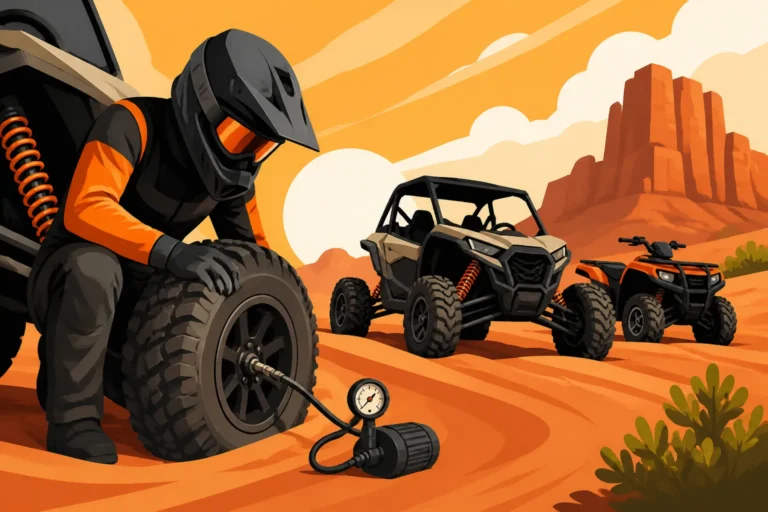
Before unloading, do a basic check of each machine. Look at the tires, brakes, throttle, steering, lights if relevant, fuel level, and any loose cargo or accessories. A quick inspection can catch a problem that would be much harder to deal with on a hill or in a wooded section. If you’re bringing a machine that hasn’t been used recently, test it in a safe area before joining the trail.
Choose protective equipment for the machine and the rider. Wear a properly fitted helmet and suitable riding gear, and make sure younger riders have equipment that fits them rather than hand-me-down gear that shifts around. Gloves and sturdy footwear can improve comfort and control. For UTVs, use the safety equipment designed for the vehicle and follow the manufacturer’s instructions for seating and restraints.
Carry basic supplies in a secure place: water, a small first-aid kit, a phone, and tools appropriate to your machine. Don’t overload a quad’s racks or a UTV’s cargo area in a way that affects handling. Keep loose straps and bags secured so they can’t catch on branches or interfere with controls. If a machine has a known issue, fix it before the trip rather than hoping it will behave on the trail.
Before the first ride, make sure everyone understands the group plan. Explain how to signal a stop, what to do if someone falls behind, and where to pull over safely. A short conversation at the trailer can prevent a confusing one once the engines are running.
Share the trails responsibly
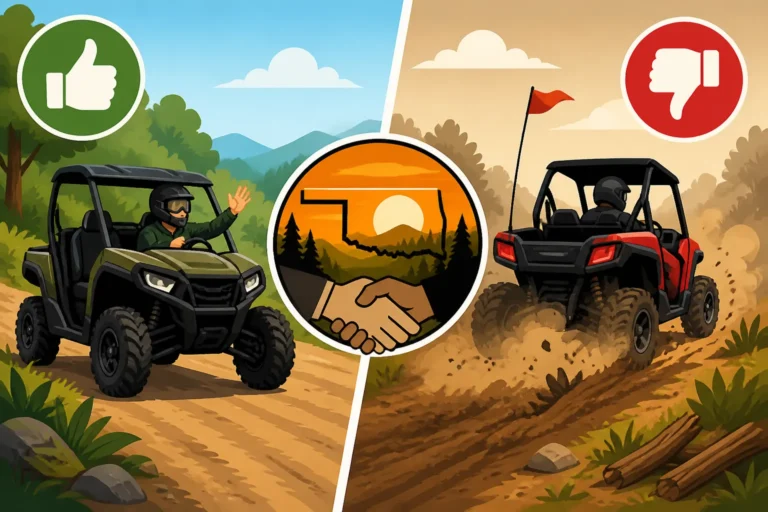
Trail etiquette is especially important in a compact area, where riders may encounter one another repeatedly. Keep your speed under control, stay on routes that are open to your machine, and avoid cutting corners or creating new tracks. A shortcut can damage vegetation, contribute to erosion, or lead riders into a place that is not intended for OHV use.
Be considerate at narrow sections and intersections. Give others room, avoid blocking the route while the group regroups, and make sure everyone knows when it is safe to proceed. If you meet hikers or other park visitors, slow down and pass carefully. Dust, noise, and sudden movement can make even a brief encounter unpleasant for people who are not riding.
Pack out everything you bring in, including small items that are easy to lose, such as drink containers, wrappers, and broken straps. Don’t leave damaged parts or tools behind. If you see a condition that appears unsafe or a sign that is difficult to understand, contact park staff rather than trying to solve it by ignoring the restriction.
For a helpful refresher before the trip, read [Oklahoma Trail Etiquette Locals Expect]. If you’re riding in a new area, a planning app such as onX Offroad can help you orient yourself, but on-site signs and official instructions should guide your decisions about where you can ride.
Choosing Machines and Planning for Different Riders
ATV or UTV for Robbers Cave
An ATV can be a practical choice for a rider who wants a smaller machine and is comfortable handling it on uneven, hilly terrain. The rider is more exposed to the weather and must manage balance and body position, so experience and physical comfort matter. A quad that feels easy on flat ground may demand more attention on a narrow, sloping route.
A UTV offers a different experience, with a seated side-by-side layout and room for more than one person on machines designed for passengers. That does not automatically make every trail appropriate for every UTV. Vehicle width, turning space, and trail conditions can all matter in a compact wooded area. Check that your specific machine is allowed and suitable for the routes you plan to use before bringing it along.
Youth machines require especially careful planning. Match the child’s age, size, and experience to the machine, and supervise closely. A child who can operate a quad in a controlled setting may still need help making decisions on hills, turns, or shared trails. If the rider is becoming tired or anxious, stop and reassess instead of treating the planned route as something that must be finished.
The right machine is the one that fits both the terrain and the people in your group. Before you load, consider how comfortable each rider is with hills, how much experience they have in wooded areas, and whether the machine can navigate the routes you expect to use. If you’re unsure, ask the park about machine access and route suitability.
Set a comfortable pace for the whole group
It’s tempting to let the most experienced rider set the pace, but that can leave beginners feeling hurried. A better approach is to agree that the group rides at the comfort level of its least experienced member. The lead rider can stop at safe points to check that everyone is together, while the person at the back watches for anyone who needs a break.
Keep early rides conservative. Use the first section to get a feel for the surface and how the group is handling it. If everyone is comfortable, you can continue at a measured pace. If someone is struggling with a hill, the machine feels unstable, or the ground is slick, that’s useful information—not a reason to push harder.
Take fatigue seriously. Riding demands attention, and discomfort can creep up gradually. Encourage riders to drink water, stretch, and speak up before a minor issue becomes a problem. For families, build in breaks around the needs of children rather than assuming they will ask for one at the right time.
A successful ride is not measured by how fast you went or how much ground you covered. It’s the outing where everyone returns safely, the machines are still in good shape, and the group feels comfortable riding together again.
A Practical Pre-Trip Checklist
Before leaving home
Start with the details that can prevent a wasted drive. Confirm that the OHV area is open and check for current notices, restrictions, or weather-related changes. Verify the route to the correct unloading area, not just the general destination. If you’ll be camping, confirm the campground arrangements and make sure your site can accommodate your vehicle and trailer.
Inspect the machines while they’re still easy to work on. Check tires, brakes, steering, controls, fuel, and cargo tie-downs. Bring helmets and protective gear for every rider, along with water, basic tools, a first-aid kit, and any required paperwork or permits. Don’t wait until arrival to find out that a helmet doesn’t fit or a machine has a mechanical issue.
Plan a realistic schedule. Leave enough time for towing, unloading, a safety briefing, breaks, and cleanup. Tell someone who is not riding where you’re going and when you expect to return. Save park directions and any useful maps for offline access, especially if your route crosses areas with inconsistent signal.
Use the table below as a quick planning aid, not a substitute for checking the park’s current instructions.
| Trip detail | What to confirm | Why it matters |
|---|---|---|
| OHV access | Opening status and riding rules | Access can change with conditions or park operations |
| Arrival route | Correct entrance and unloading location | A general park address may not lead to the OHV staging point |
| Riding hours | Posted schedule and any restrictions | Plan your ride around permitted access |
| Machine access | Whether your ATV or UTV is suitable and allowed | Trail width and terrain can affect what works |
| Weather | Recent rain, heat, and forecast | Conditions can change traction and comfort |
| Camping | Site availability and trailer needs | Nearby camping still requires advance planning |
| Group plan | Lead rider, sweep rider, and regroup points | Helps prevent riders from being separated |
| Supplies | Water, protective gear, tools, and first aid | Small essentials matter when you’re away from your vehicle |
When you arrive
Before unloading, read posted signs and confirm that you’re in the correct area. If the instructions differ from what you expected, follow the on-site information and ask park staff when needed. Don’t ride on a road or path simply because it appears to connect two places. A route visible on a map is not necessarily an approved OHV route.
Do a final machine check after unloading. Look for anything that shifted during the drive, check tire condition, and make sure helmets and gear are secure. Then give the group a quick briefing: set the pace, choose a regroup point, explain how to signal a stop, and remind everyone to stay on open routes.
Start slowly. The first stretch is a chance to get comfortable with the ground and check how the group is doing. If conditions feel worse than expected, change the plan. Turning around, taking a longer break, or ending the ride early can be the right decision, especially when the trail is slick or a rider is tired.
When you finish, check the machines for damage, remove trash, and secure your equipment before leaving. If you had a good visit, note what you’d change next time—such as bringing more water, choosing a shorter ride, or arriving earlier. Those small notes make the next Robbers Cave trip easier to plan.
Disclaimer
This article is for general informational purposes only and does not constitute professional advice. Laws, prices and regulations vary by location and change over time. Consult a qualified professional for guidance on your specific situation.