Cross Bar Ranch Makes Everyone Sign a Waiver
Arriving at Cross Bar Ranch with a group can mean paperwork before anyone gets near the trails. The waiver is part of the check-in routine, so plan for every rider to handle it—not just the person who booked the trip or drove the trailer. This guide explains how to prepare, what to review, and what families and group leaders should ask before riding.
What the Cross Bar Ranch waiver means for your visit
Expect each rider to take care of their own paperwork
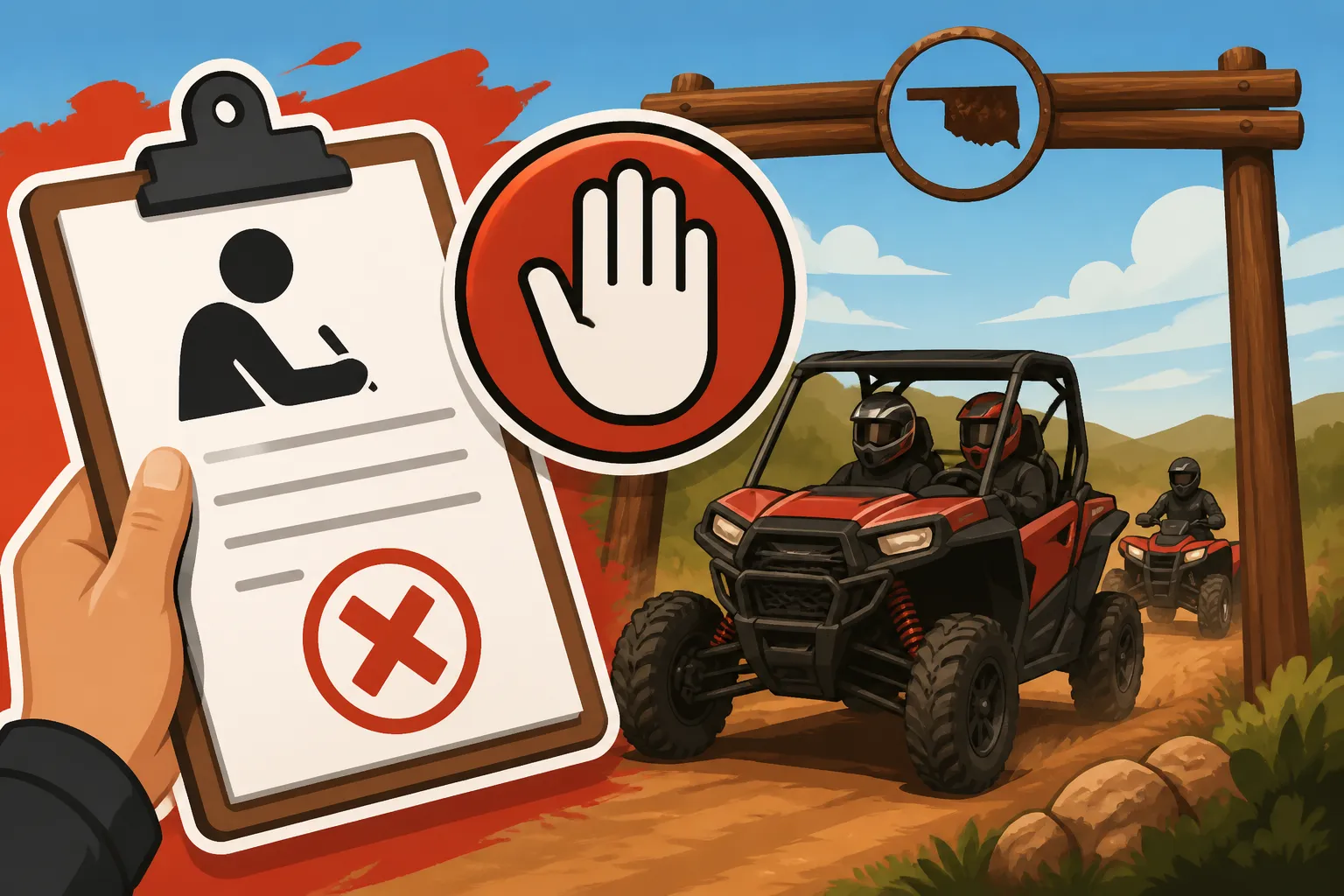
Cross Bar Ranch requires everyone to sign a waiver. In practice, that means a group leader should not assume that one signature covers a whole family, a truckload of friends, or every passenger. Build check-in time into your arrival plan so each person can complete the park’s process before heading out.
That matters most when your group arrives in separate vehicles or at different times. If one person is still driving in from Davis while the rest are ready to unload, the group may need to wait for that rider to check in. Ask the ranch how it handles late arrivals and whether everyone must be present together.
Before your trip, review Cross Bar Ranch Makes Everyone Sign a Waiver and What a Day at Cross Bar Ranch Includes as part of your planning. The waiver is one piece of the visit; it does not replace the park’s other requirements or instructions. A signed form also should not be treated as permission to ignore posted rules or ride outside the areas the ranch allows.
A waiver is not the same thing as a riding permit or safety briefing
A waiver generally concerns risk and responsibility, but the exact language and legal effect depend on the form and applicable law. Do not guess what a particular clause means based on a different park’s paperwork. Read the document Cross Bar Ranch provides, and ask the staff to explain anything you do not understand before signing.
The form is also separate from practical check-in details such as where to park, where to unload, which routes are open, and what conduct is expected. Ask whether there are additional forms, wristbands, instructions, or age-related steps for your visit. For a broader look at how private riding areas handle these documents, see Oklahoma Private Ranch Waivers.
If you are uncertain about a waiver’s legal effect or whether you are comfortable signing it, pause and ask questions. You can also seek advice from a qualified legal professional. Staff can explain the park’s process, but they may not be able to give you personal legal advice.
How to prepare before you reach the check-in area
Make a simple plan for every person in the group
A little preparation can prevent the familiar check-in scramble: someone is trying to find a phone number, another rider is searching for a parent, and the rest of the group is waiting beside an unloaded machine. Before leaving home, make a headcount and confirm that every rider knows the waiver is part of the visit.
For a family, discuss the paperwork with older children and teens before you arrive. A parent or guardian should ask the ranch what its process is for minors, who must be present, and whether any additional consent is needed. Requirements can vary by park and situation, so do not assume that an adult’s signature automatically handles every minor’s paperwork. Related planning topics include Oklahoma Private Park Age Rules and [Oklahoma Rules for Young Riders].
For a large group, choose one organizer to confirm check-in instructions and share them with everyone. That organizer can remind riders to arrive together if needed, keep the group from blocking the check-in area, and make sure nobody heads out before completing the required process. If you are planning a multi-machine outing, Oklahoma Group Ride Planning can help you think through coordination beyond the waiver itself.
Read the form carefully instead of signing in a rush
Give yourself time to read the document from beginning to end. Pay attention to the activities and risks it describes, the people it applies to, and any statements about responsibility, emergency treatment, or use of personal information. Those are examples of details that may appear in waivers generally; they should not be taken as a description of Cross Bar Ranch’s exact form.
If a phrase is unclear, ask the staff what it means in the context of the park’s process. If a detail on the form is wrong or incomplete, ask how it should be corrected rather than guessing or writing over it without guidance. Keep a copy or record only if the ranch permits it, and follow its instructions for completing and submitting the document.
It can help to bring a charged phone and keep your group’s basic contact details handy. That is useful for trip logistics, but do not assume a phone, a screenshot, or a previous visit’s paperwork substitutes for the ranch’s current check-in procedure. Confirm what the staff wants each rider to do when you arrive.
Questions to ask about children, guests, and group arrivals
Confirm the process for minors and passengers
If a child or teenager is riding, call ahead and ask what the ranch requires from the minor and their parent or guardian. Be specific: Does the adult need to be present at check-in? Must the parent or guardian sign in person? Are there separate age or helmet rules? The answers can affect who needs to travel with the group and when everyone should arrive.
Also clarify whether the paperwork process applies differently to a passenger who will not operate a machine. Do not assume that a passenger is exempt simply because they are not driving. The ranch can tell you how it applies its own check-in requirements, while its posted riding rules will explain what passengers are allowed on a particular machine. For related safety questions, see Oklahoma Private Park Helmet Rules and Oklahoma Rules for Passengers on a UTV.
For children, pair paperwork planning with a realistic conversation about trail behavior. Explain that signing a waiver does not make risky riding a good idea, and that a child should speak up if they feel uncomfortable or tired. A parent can plan breaks, keep the child with a responsible adult, and choose riding that matches the child’s ability and the park’s rules.
Plan for late arrivals and people who decide not to ride
Groups rarely move as one perfectly timed unit. Someone may arrive after the main party, change their mind about riding, or come along only to watch. Ask Cross Bar Ranch how each situation is handled: whether a late-arriving rider must check in separately, whether a non-rider has paperwork to complete, and whether visitors may enter areas where machines are operating.
It is especially helpful to settle these questions before the group leaves home. If a rider decides not to sign or cannot complete the required process, the group should know what alternatives are available rather than discovering the issue after unloading. The ranch’s staff can explain its entry policy; do not rely on another visitor’s memory of a previous trip.
Keep the group together around check-in and unloading, but avoid letting paperwork distract from basic safety. Once everyone is ready to ride, review meeting points, who is leading, and what to do if a machine stops or a rider gets separated. Good group habits matter just as much on the trails as at the gate. Oklahoma Trail Etiquette Locals Expect offers more ideas for keeping a shared ride considerate and organized.
After the waiver, follow the ranch’s riding instructions
Treat posted rules and staff directions as part of the visit
Signing the waiver does not override speed limits, trail closures, campground expectations, or instructions from ranch staff. Before riding, identify the routes your machines are allowed to use and note any restrictions that apply to your group. Pay attention to signs at intersections and around camp, where riders, pedestrians, and parked vehicles may be close together.
Ask about rules that affect your plans, including riding hours, machine access, passenger limits, and where to stage or park. Avoid assuming that a route is open because it appears on a phone map or because someone in your group rode it before. Park conditions and directions can change, so check with staff when you arrive. You can also review 20 mph on a Main Road, 10 mph Through Camp, and What Gets You Removed From a Riding Park before your visit.
For navigation, onX Offroad can be useful as a planning aid when you want to review routes or keep track of your outing. Treat any app as a supplement, not a substitute for the ranch’s directions, current signs, or staff guidance. A map display does not establish that a trail is open or that your machine is permitted on it. Confirm the route on-site before setting out.
Use a checklist to make check-in less stressful
A short checklist helps prevent the small oversights that turn a relaxed ride into a frustrating start. Before leaving, confirm your group’s arrival plan, ask about the process for minors and guests, and make sure every rider knows to complete the waiver. On arrival, follow staff directions, finish the required paperwork, and check the rules that apply to your planned routes.
| Before you leave | At check-in | Before you ride |
|---|---|---|
| Confirm how each rider completes the waiver | Ask staff about any unclear form instructions | Review posted rules and trail access |
| Ask how minors and guardians are handled | Check how late arrivals or non-riders are treated | Confirm routes are suitable for your machine |
| Coordinate a shared arrival plan | Keep your group clear of unloading areas | Choose a meeting point in case the group separates |
| Bring contact details and a charged phone | Follow the ranch’s check-in directions | Use navigation apps only as a supplement |
If you want to double-check details before towing, Questions to Ask the Park Office Before You Go is a useful planning prompt. You can also use onX Offroad to help organize your route planning, then verify trail access directly with the ranch. That small distinction matters: your navigation plan helps you prepare, while the park’s own instructions determine where you may ride.
A calm check-in starts with realistic expectations. Give everyone time to read and complete the waiver, ask questions when something is unclear, and treat the staff’s guidance as part of the day’s safety plan. Once the paperwork is handled, your group can focus on the ride rather than sorting out avoidable surprises at the entrance.
Disclaimer
This article is for general informational purposes only and does not constitute professional advice. Laws, prices and regulations vary by location and change over time. Consult a qualified professional for guidance on your specific situation.