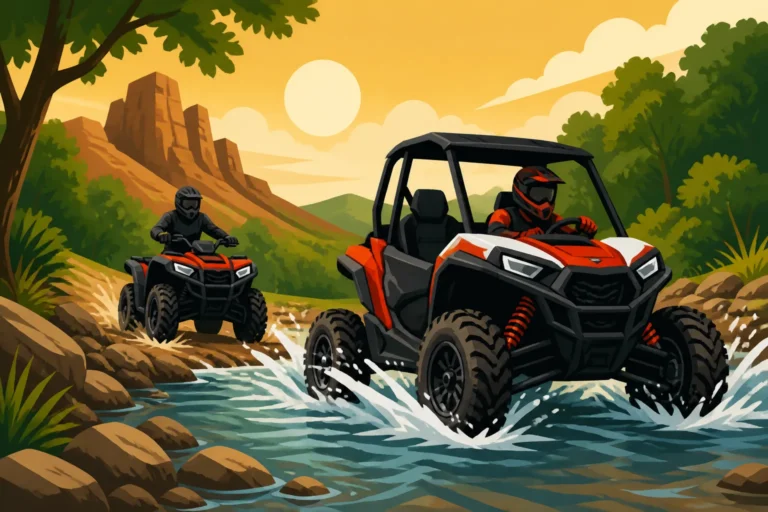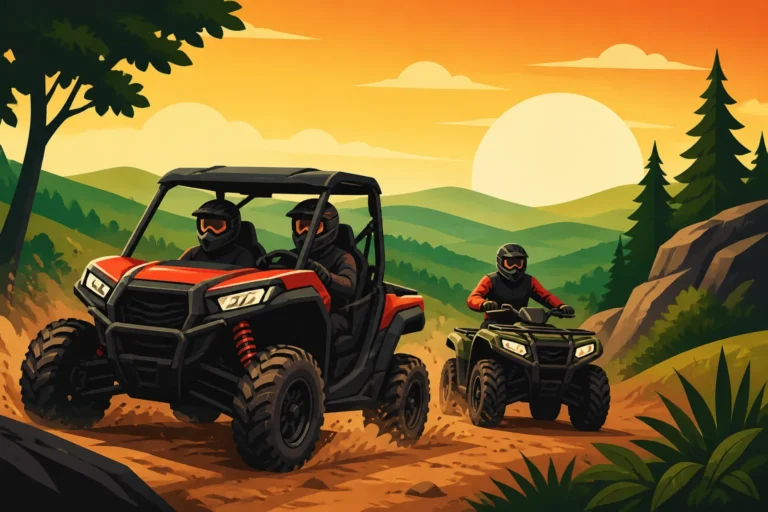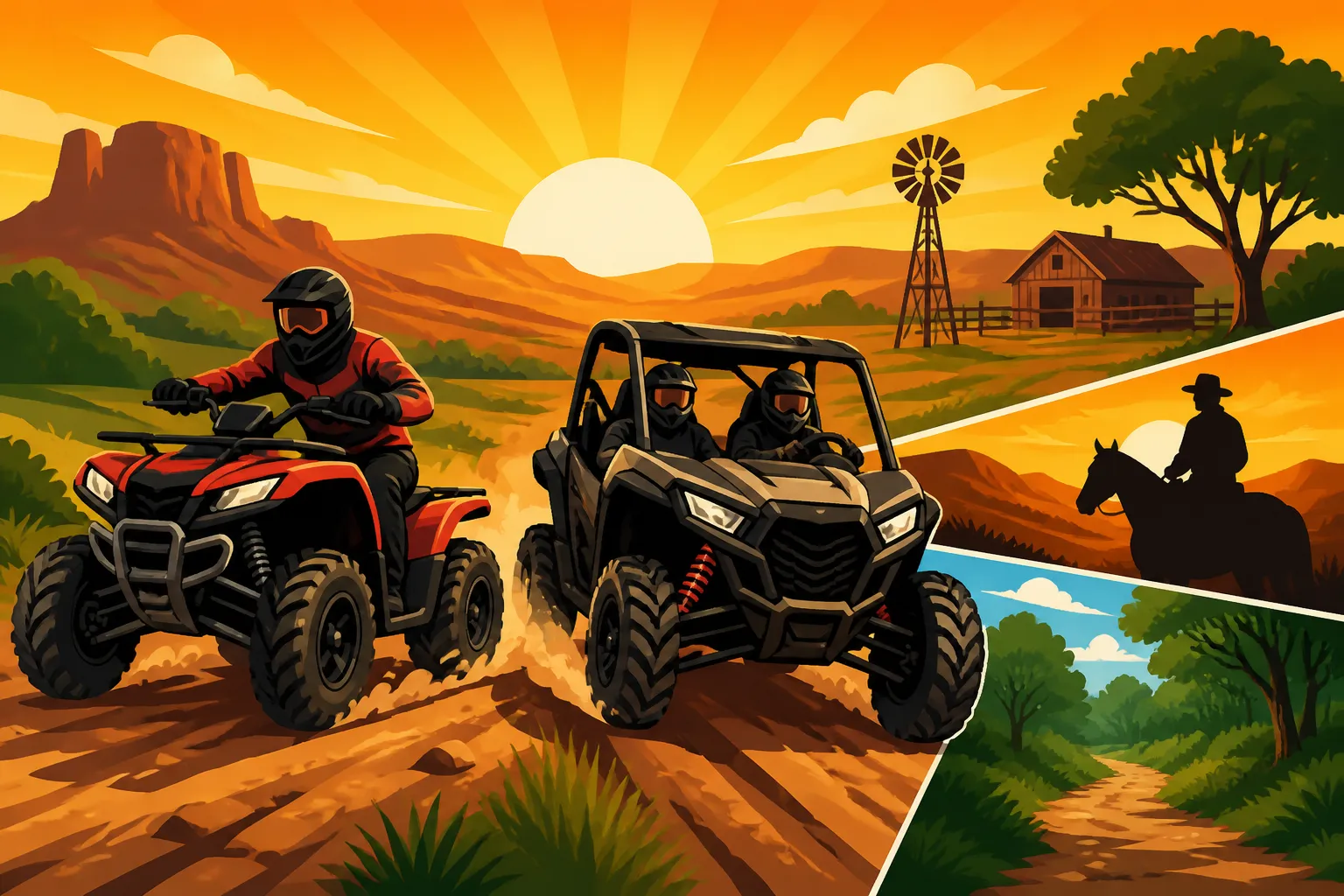
What a Day at Cross Bar Ranch Includes
Arriving at Cross Bar Ranch with a trailer, a mixed-skill group, and no clear plan can make the first hour feel more confusing than fun. This guide walks through what a riding day near Davis, Oklahoma, can involve—from check-in and trail planning to breaks, camp-area rules, and the ride home—so you can prepare without guessing.
Before You Ride at Cross Bar Ranch
Check in, complete the paperwork, and get oriented
Cross Bar Ranch is a private off-road riding area near Davis in south-central Oklahoma. Before anyone unloads a machine, expect to handle the park’s entry process and follow its posted requirements. That may include signing a liability waiver, so take a moment to read what you are agreeing to rather than rushing through it while the rest of the group is ready to ride. You can find more about this step in Cross Bar Ranch Makes Everyone Sign a Waiver.
Once you are checked in, get familiar with the layout and the rules that apply that day. Look for information about trail access, speed limits, restricted areas, and any temporary closures. A park map and signs on the property should guide your route; a digital map can help you orient yourself, but it should not replace official park directions or posted instructions.
This is also the time to make sure every rider understands where the group will meet if someone gets separated. Pick an easy-to-recognize meeting point, such as the staging or camp area, and agree that no one will continue on alone if a rider has trouble. That small conversation can prevent a minor navigation mix-up from turning into a long, stressful search.
Unload carefully and do a quick machine check
A riding day often starts with more than simply backing off the trailer. Park in the area designated for unloading, keep the access lane clear, and watch for people moving machines, children, and vehicles around the staging area. If several families arrive together, unload one machine at a time and make sure each one is secure before moving the tow vehicle.
Before heading out, check the basics: fuel, tires, brakes, steering, lights where relevant, and any visible leaks or loose parts. Bring a small tool kit and the essentials you need for the kind of machine you are riding. A loose battery connection or soft tire is easier to deal with beside the trailer than several miles into a ride.
It is worth taking a photo of your machine and its identifying details before the trip, especially if it is part of a group with similar-looking quads or side-by-sides. Keep your phone, keys, and any required paperwork somewhere secure. If you are arriving with a child’s machine, review Bringing a Kid’s Quad to Cross Bar Ranch and make sure the young rider’s equipment and supervision plan are settled before the group rolls out.
What the Riding Day Can Look Like
Choose trails that suit the whole group
A good first ride is not necessarily the longest or most challenging one. Groups often include people with different machines, confidence levels, and ideas of what makes a fun day. Start with a route that lets everyone get comfortable with the terrain and how the park is laid out. Riders who want more challenge can plan a later loop, while newer riders can avoid feeling pressured to keep up.
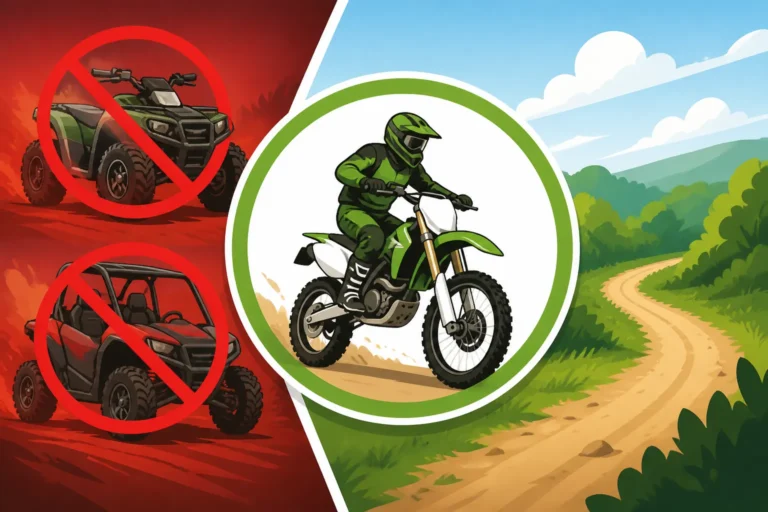
Think about the machine as well as the rider. A wide side-by-side may not fit comfortably on every narrow route, while a smaller quad may be easier to maneuver through tighter sections. Terrain can also change the feel of a ride: a route that looks manageable on a map can be tiring for a beginner if it has steep grades, loose ground, or frequent obstacles. Ask park staff about suitable options if you are uncertain, and follow the route designations posted on site.
For navigation, onX Offroad can be a useful planning aid when you are trying to understand your route and keep track of your location. Check whether the map information you plan to use is appropriate for the property, download what you need before leaving an area with reliable service, and still follow Cross Bar Ranch’s own map and signs. A phone map is a backup, not permission to enter a closed area or leave an authorized route.
Build in breaks instead of pushing until everyone is worn out
It is easy to underestimate how tiring off-road riding can be. Concentrating on uneven ground, handling vibration, communicating with a group, and staying alert all take energy. Plan a pause before anyone is exhausted, particularly if children or first-time riders are along. Water, a snack, and a few minutes out of the seat can help people reset before continuing.
A practical group routine is to stop at a designated meeting point after a loop, count riders, check that everyone is feeling okay, and decide whether to keep going. If someone is nervous or uncomfortable, take that seriously. You can shorten the route or head back without making the day a disappointment; a relaxed ride people want to repeat is usually better than one that ends with a tired rider in tears.
Keep an eye on weather and trail conditions as well. Rain can make some surfaces slick or change which routes are sensible, while heat can make long rides harder than expected. Before you haul out, check Oklahoma Trail Conditions Before You Tow and review Oklahoma Trail Closures After Rain. Conditions can vary across the property, so use current park guidance rather than assuming yesterday’s route will be suitable today.
Camp, Safety, and Park Rules
Treat camp and main roads as shared spaces
The camp or staging area is where riders, families, and tow vehicles all need to move carefully. Keep speeds down, leave room for people walking between vehicles, and do not assume that a quiet-looking lane is empty around the next bend. Cross Bar Ranch has specific posted speed guidance, including 20 mph on a Main Road and 10 mph Through Camp. Check the signs on arrival and follow the limits that apply in each area.
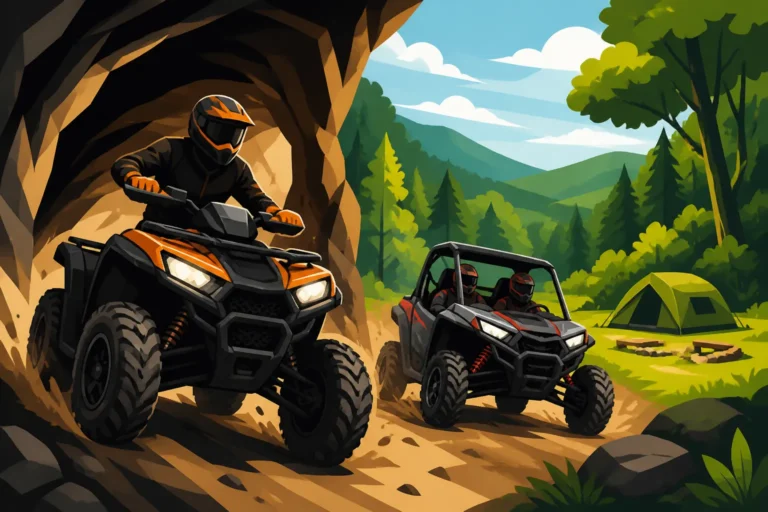
Camp rules matter even if you are only stopping briefly. Park your truck and trailer where permitted, keep gear from spreading into shared lanes, and supervise children around machines. Before starting or moving a vehicle, look for people nearby. A campground can feel relaxed, but it is still an active vehicle area with limited visibility and people carrying equipment.
If you are planning a late ride or an overnight visit, confirm the park’s current access and camping arrangements directly before leaving home. The reference topic Cross Bar Ranch Stays Open All Night may help you understand the park’s general access setup, but do not treat a title or a past visit as a substitute for checking present rules, services, and any special restrictions.
Match the plan to the riders and machines
Families do best when they agree on expectations before the first ride. Set a pace that allows the least experienced rider to stay comfortable, decide who will lead and who will sweep the group, and make sure no one takes an unfamiliar turn without telling the others. For children, assign an attentive adult to stay close and make decisions about when to stop.
Choose protective gear appropriate to the machine and conditions, and make sure it fits properly. Helmets, eye protection, gloves, sturdy footwear, and clothing that covers exposed skin can make a ride more comfortable and help reduce avoidable injuries. Check the park’s own requirements as well as any rules that apply to the rider’s age and type of machine. For younger riders, Kids 9 and Under Ride Cross Bar Ranch Free is a useful related topic, but admission information does not replace checking age, supervision, and equipment requirements.
Avoid letting a larger machine or a confident rider set the pace for the entire group. A side-by-side carrying passengers may need more space to turn or pass than a solo quad, and passengers should be seated properly before the vehicle moves. Keep everyone together at intersections and regroup after confusing trail sections. If a rider or machine is having trouble, stop somewhere safe and deal with it rather than trying to hurry through.
| Part of the day | What to plan for | Why it helps |
|---|---|---|
| Arrival | Check-in, waiver, park map, posted rules | Prevents delays and confusion once riding starts |
| Unloading | Designated area, clear lanes, machine checks | Keeps staging safer and catches problems early |
| First loop | A route suited to the least experienced rider | Lets the group learn the terrain without unnecessary pressure |
| Breaks | Water, snacks, rider count, comfort check | Helps people stay alert and enjoy the full day |
| Camp or staging | Low speed, careful parking, child supervision | Reduces conflicts in busy shared areas |
| Departure | Count gear, inspect machines, secure the trailer | Makes the trip home safer and less hectic |
A Practical Plan for Your Visit
Prepare for limited phone service and changing conditions
Do not make your entire plan depend on a live phone connection. Save the park’s address and important details before you leave, charge your phone, and consider carrying a paper map or written directions as a backup. onX Offroad may help with route awareness, but app coverage and location accuracy depend on your device and the conditions around you. Use it alongside park information, not instead of it.
Tell someone who is not riding with you where you are going and when you expect to be back. Keep a basic first-aid kit and enough water for your group, and bring any personal medication you may need. If you ride in a larger group, make sure at least one person knows how to contact the park or emergency services and can describe your location clearly.
Check the forecast and the park’s updates before loading the trailer. A day that looks pleasant at home can feel very different on exposed trails, and recent rain can affect the ride even if skies have cleared. If the park advises that a route is closed or conditions are unsuitable, change your plan. No loop is worth ignoring a closure or putting the group in a situation it cannot safely handle.
Finish the day with a deliberate ride-out routine
Before heading back to camp, choose a final route that gives the group time to return without rushing. Agree on a last meeting point and make sure every rider knows the plan. Keep the group together on the return, especially if people are tired or the light is changing. Cross Bar Ranch’s operating and access details can differ by visit, so confirm what applies to your trip rather than assuming that all areas remain available at every hour.
At the trailer, count riders and check for forgotten items before loading. Look over each machine for obvious damage, loose parts, or leaks that should be addressed before the next ride. Brush off heavy dirt where practical, secure loose equipment, and make sure ramps and tie-downs are properly fastened. A short inspection now can save an unpleasant surprise when you unload at home.
For a group with mixed experience, a successful day does not have to mean covering every route. It means everyone returns safely, understands the park’s rules, and has had a ride that suited their ability. If you are new to riding at Cross Bar Ranch, start conservatively, ask questions at check-in, and let trail conditions—not a predetermined mileage goal—shape the day. Oklahoma Trail Etiquette Locals Expect offers useful reminders for sharing routes respectfully, while Cross Bar Ranch’s Day Rates in Oklahoma is a related topic to check when planning the visit budget.
Disclaimer
This article is for general informational purposes only and does not constitute professional advice. Laws, prices and regulations vary by location and change over time. Consult a qualified professional for guidance on your specific situation.