Oklahoma Riding Near Waynoka
A ride near Waynoka usually means one thing: the open sand at Little Sahara State Park. That makes for a memorable day, but dunes demand different preparation from wooded trails, and the drive can feel wasted if you arrive without the right gear or a plan. This guide covers what to expect, how to prepare, and how to ride responsibly near Waynoka.
Why Waynoka Is a Sand-Riding Destination
Little Sahara is the main draw
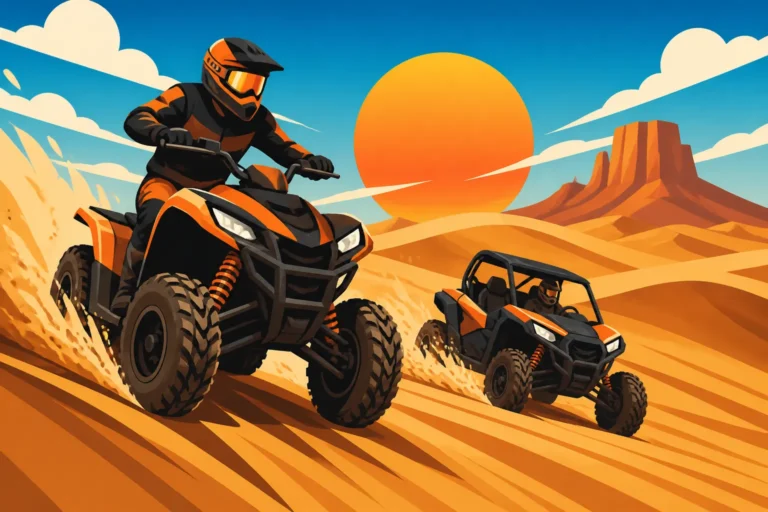
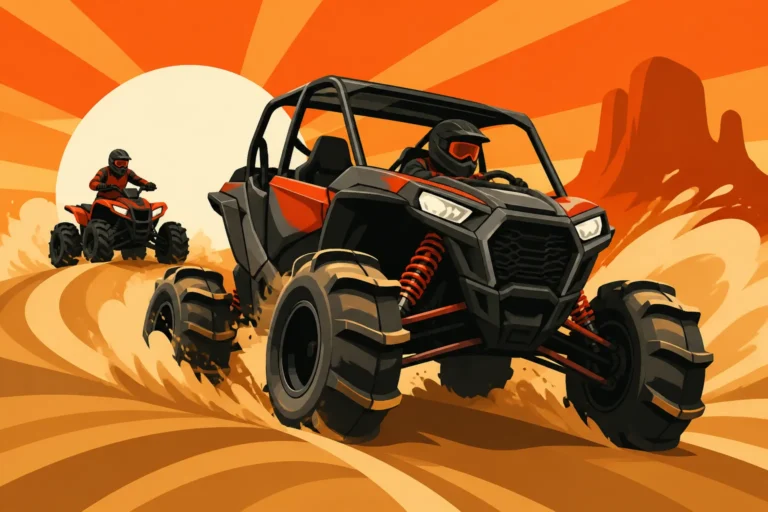
Little Sahara State Park, near Waynoka in northwestern Oklahoma, is the area’s best-known destination for ATV and UTV riding. Its landscape is built around open sand dunes rather than a winding woodland trail system. That difference matters: you’ll be choosing lines across changing terrain, watching for other riders, and managing soft sand instead of following a single marked route from one trail junction to another. For a fuller overview of the park and its setting, see [Little Sahara State Park in Oklahoma].
The dunes appeal to many kinds of riders. A family with a recreational quad can enjoy a slower outing in suitable terrain, while experienced riders may seek steeper faces and more challenging lines. Side-by-side drivers can explore broad areas, but a larger machine still needs room to turn and recover. A route that looks open from a distance may have a blind crest, a sudden drop, or another rider approaching from the other side.
It’s useful to think of Little Sahara as a place to ride within a designated off-highway vehicle area, not as permission to roam anywhere around Waynoka. Nearby fields, roads, and undeveloped land may be private or subject to separate access rules. Keep your riding inside the areas open to OHVs, follow signs and staff directions, and ask before entering land that isn’t clearly part of the riding area. [Oklahoma Dune Riding Explained] offers more context on the experience and the practical differences between dune riding and trail riding.
Dunes ride differently from wooded trails
Sand can shift under your tires, so a familiar turn or climb may feel different after wind, traffic, or weather changes the surface. Loose sand also takes more effort from both the machine and the rider. A quad that feels easy to handle on firm ground may bog down if you charge into a soft section too slowly, while excessive speed can make it harder to respond to a hidden dip or another rider.
Dune visibility is another important adjustment. A crest can block your view of the ground beyond it, and riders on the opposite side may not see you either. Avoid charging over a rise without first checking the approach and keeping enough control to stop or change direction. If you’re riding with a group, agree on a meeting point and make sure everyone knows not to assume a rider ahead has cleared a dune.
The terrain can be demanding even when the route looks uncomplicated on a map. Treat each ride as a series of decisions: how steep the climb is, whether you can see the landing area, how much room you have to turn around, and whether the machine is suited to the surface. Beginners can make the day more comfortable by starting with open, manageable areas and riding with someone who knows how to assess changing sand.
Plan Your Visit Before You Tow
Check access details and conditions
Before leaving home, confirm the park’s current access arrangements, entry procedures, operating information, and riding requirements through official park channels. Details can change, and a plan based on an old social post or a friend’s memory may not match what you encounter at the entrance. If you’re traveling a long distance, check whether camping or other facilities need separate arrangements rather than assuming they are included with your ride.
Weather deserves a close look, too. Rain can alter access roads and the firmness of the sand, while dry, windy conditions can mean more dust and reduced visibility. Forecasts for Waynoka and the surrounding area can help you decide when to leave, what to pack, and whether a day trip still makes sense. For more on preparing for changing travel and riding conditions, see [Oklahoma Trail Conditions Before You Tow].
Plan your arrival around the whole trip, not just the ride itself. Consider the time needed to unload, check in, prepare the machines, and review park information before heading onto the dunes. If you’re meeting a group, pick a clear rendezvous point before everyone loses cell service or gets separated in the riding area. A navigation app such as onX Offroad can help with general trip planning, but a phone map is not a substitute for park rules, signs, or permission to ride on a particular piece of land.
Choose a realistic ride plan
A useful plan has a conservative first loop, a break, and a clear turnaround time. That leaves room to assess how the sand feels, how riders are coping, and whether anyone’s machine needs attention. A group that begins with an ambitious climb can end up spending more time recovering a stuck vehicle than enjoying the day, especially if some riders are new to dunes.
Set expectations before unloading. Decide whether the group will stay together, ride in pairs, or use a designated lead and sweep rider. Agree on what to do if someone stops, gets stuck, or takes a wrong turn. If you split into smaller groups, name a time and place to regroup. These simple decisions prevent a common frustration: one rider assumes everyone is together while another is waiting somewhere out of sight.
Use digital maps with care. onX Offroad may be helpful for organizing a trip and keeping track of your general location, but don’t treat a map layer as proof that every nearby track is open or legal to ride. The park boundary, posted signs, and directions from park staff take priority. Downloading or saving relevant map information before the trip can also help when reception is unreliable, but carry a backup plan rather than relying on a single phone.
| Before you leave | Why it matters | Practical check |
|---|---|---|
| Confirm park access and rules | Entry procedures and riding requirements can change | Review official park information and follow posted directions |
| Check weather and road conditions | Wind, rain, and dust can change the drive and ride | Look at conditions for Waynoka and your route |
| Inspect machines and trailer | A small issue can become a long roadside delay | Check tires, fuel, tie-downs, lights, and basic tools |
| Set a group plan | Dunes can make it easy to lose sight of one another | Choose a meeting point, lead rider, and turnaround time |
| Pack water and protective gear | Sand and exertion can make a ride more tiring than expected | Bring enough for the full outing, not just the drive |
Prepare Your ATV or UTV for Sand
Inspect the machine and trailer
A pre-trip inspection is worth doing at home, where you have room and tools. Check tires for damage and suitable pressure according to your owner’s manual, confirm the brakes work properly, and look over steering, suspension, and controls. For a UTV, check the seat belts and other safety equipment, too. If the machine has been sitting for months, don’t assume it is ready for a full day because it started in the driveway.
Sand can increase the workload on a machine, so begin with the basics: adequate fuel, secure battery connections, working lights, and no obvious leaks. Bring the tools and spare items appropriate to your machine and your group’s experience. A repair kit won’t solve every breakdown, but a tire plug kit, basic hand tools, and a way to communicate can make a minor problem much easier to manage.
The trailer deserves the same attention. Check that the coupler is secured, safety chains are attached, tires look sound, and the load is tied down at suitable points. Make sure ramps are secure before unloading and that the tow vehicle is parked where it won’t block traffic or create a hazard. People often focus on the ride and overlook the return journey; catching a loose strap or trailer-light problem before departure is far less stressful than finding it on the highway.
Bring equipment that matches the day
Pack for sun, dust, and time outdoors. Water, protective clothing, eye protection, gloves, and a first-aid kit are sensible basics. The right helmet and protective gear should fit properly and suit the machine and conditions. If children are riding, make sure their equipment is correctly sized and that the machine is appropriate for their age, experience, and physical ability. A small rider who is already tired is less able to react to changing terrain.
Dust protection can make a noticeable difference during a busy day. Eye protection should fit securely, and a spare pair of goggles or a way to clean lenses can be useful. Bring a bag for dusty clothing and a way to keep clean water and snacks separate from sandy gear. If a group is traveling with several vehicles, designate someone to carry shared supplies so no one assumes another person has packed them.
Bring a navigation backup, but don’t let electronics become the whole plan. Save the information you need before setting off, keep your phone protected from dust and impacts, and consider a power bank. onX Offroad can support route planning and location awareness, while a printed note with the park address, group contacts, and meeting point can help if a device fails. Keep the app’s information in its proper role: a planning aid, not an authorization to ride outside areas open to OHVs.
Ride Safely and Respect the Area
Use caution around crests and other riders
The most important dune habit is to avoid entering terrain you cannot see clearly. Slow down before a crest, look for signs of traffic, and choose a line that gives you room to react. Don’t stop in a blind approach if you can safely move to a visible, less exposed spot. If you’re unsure whether a climb is within your ability, choose another route rather than letting group pressure decide for you.
Give other riders space. Dust can make it harder to judge distance, and a fast-moving machine may appear suddenly from behind a rise. Avoid cutting across someone’s path, tailgating, or parking where approaching riders have little time to respond. When you stop, move out of active riding lines and make sure the rest of your group knows where you are. These habits are especially valuable when the area is busy or when several machines are traveling together.
Use care when helping a stuck rider. Don’t approach a machine from a spot where it could move unexpectedly, and don’t stand in the likely path of a recovery strap or vehicle. Make sure everyone understands the plan before pulling or repositioning anything. When the situation is beyond the group’s tools or experience, seek appropriate assistance rather than risking an injury to save time.
Follow park rules and protect access
Read posted rules at arrival and follow directions from park staff. Requirements about machine equipment, youth riders, lighting, flags, alcohol, or other conduct should be checked for the visit rather than inferred from another park or a past trip. The reference guides [Oklahoma's 10-Foot Whip Rule] and [Oklahoma's Orange Flag Requirement] can help you understand rules associated with dune riding, but posted park requirements remain the practical guide on site. For night riding details, consult [Oklahoma Night Lighting on Dunes] and confirm what applies to your outing.
Stay within the designated riding area and respect closures, signs, and barriers. A track visible on a map or in a phone app doesn’t establish that it is open to the public. This is where onX Offroad can be useful as a planning reference, but it cannot replace direct confirmation of access. Riding onto private property can create problems for landowners and future visitors, so if boundaries or access are unclear, stop and ask before proceeding.
Pack out trash and leave campsites and staging areas in good condition. Keep noise and speed under control around other visitors, use designated parking and unloading areas, and avoid disturbing wildlife or damaging vegetation outside the riding surface. Responsible use helps preserve access and keeps the experience enjoyable for people who come after you. The practical etiquette covered in [Oklahoma Trail Etiquette Locals Expect] applies well beyond narrow trails: give people room, communicate clearly, and leave the place better than you found it.
Make the Most of a Waynoka Riding Trip
Build a day that works for your group
A first visit goes more smoothly when the schedule has breathing room. Arrive with enough time to check in, unload, review rules, and let newer riders get comfortable before the group heads farther into the dunes. Plan a break before anyone feels worn out, and don’t wait until a rider is thirsty or frustrated to pause. Sand riding can be physically demanding even when the machines are doing much of the work.
For mixed-experience groups, don’t make the least experienced rider feel pressured to follow the most aggressive line. Split into groups if needed, with a clear plan for meeting later. A family outing may be more enjoyable with short rides and frequent breaks, while experienced adults may want longer sessions. Both approaches work when everyone knows the plan and no one is expected to take a risk just to keep up.
If you’re combining riding with an overnight stay, confirm lodging or camping arrangements separately and think through the logistics of parking, machine storage, meals, and cleanup. Sand gets into clothing, vehicle interiors, and equipment, so bring bags or containers for dirty gear. A little organization at the end of the day makes the drive home more comfortable and reduces the chance of leaving equipment behind.
Know when to change the plan
Not every visit will match the forecast or the group’s expectations. If conditions are dusty, visibility is poor, a machine is overheating, or someone is tired, scale back or stop. The best decision may be to take a longer break, choose a less demanding area, or call the ride early. Continuing simply because you drove a long way can turn a disappointing day into a dangerous one.
If a machine develops a problem, move it out of active riding traffic if it is safe to do so. Tell the group where you are, keep people clear of blind approaches, and use your planned communication method. If you have no reliable reception, return to the agreed meeting point only when it is safe; otherwise, use the group’s prearranged procedure. A simple plan made before the ride is much more useful than trying to invent one while everyone is separated.
After the trip, check the machines and trailer before putting them away. Remove sand from places where it can interfere with moving parts, inspect for new damage, and note any maintenance that should be handled before the next ride. If you’re already thinking about your next destination, [Oklahoma Trails With Sand] is a useful related topic, but compare each riding area’s access rules and terrain rather than assuming every sand venue operates like Little Sahara.
Disclaimer
This article is for general informational purposes only and does not constitute professional advice. Laws, prices and regulations vary by location and change over time. Consult a qualified professional for guidance on your specific situation.