Oklahoma Rules for Passengers on a UTV
Riding an off-road machine in Oklahoma can be an incredible experience, whether you're navigating the sandy dunes of Little Sahara or exploring the scenic trails of the Ouachita National Forest. But if you’re riding a UTV, chances are you’re not alone. Many folks love sharing these adventures with friends and family, and that brings up a common question: what are the actual rules for carrying passengers in a UTV in Oklahoma? It’s not always as straightforward as it seems, with different rules applying to different riding environments and the machine's design itself. This guide will help you sort through the nuances, ensuring your next ride with passengers is both fun and safe.
Understanding Oklahoma's Baseline Rules for UTV Passengers
When it comes to carrying passengers in your UTV in Oklahoma, the foundation of all rules and best practices rests squarely on the machine itself. It’s not just about how many people you can physically squeeze in; it’s about how the manufacturer intended for the machine to be used. Ignoring this can lead to uncomfortable situations, potential fines, and, most importantly, safety hazards.
The Crucial "Manufacturer's Design" Principle
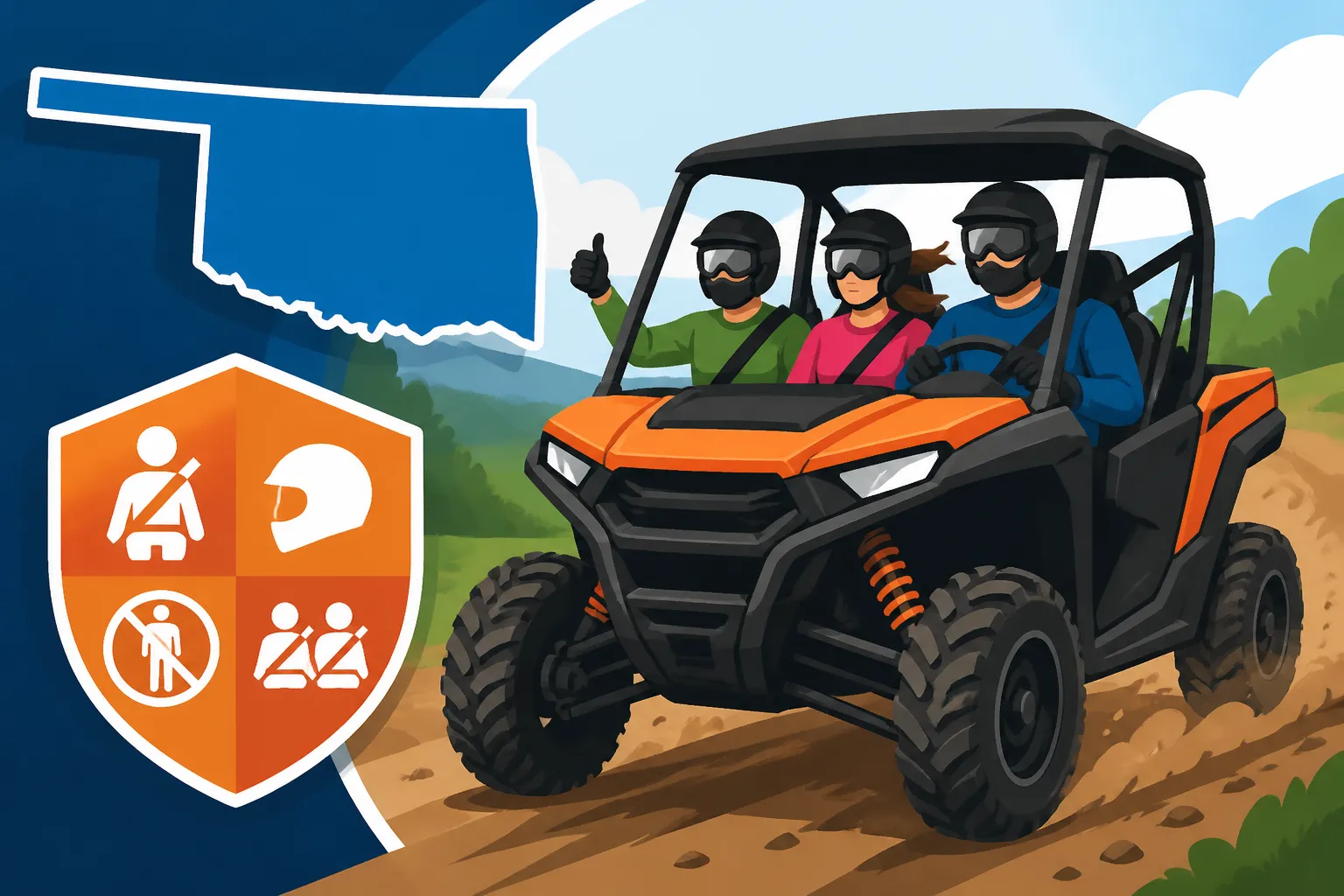
This is perhaps the single most important concept to grasp. In Oklahoma, and indeed across most riding communities, the golden rule for UTV passengers is dictated by the manufacturer's design. This means that if your UTV was designed with two seats and two seatbelts, it's intended for a driver and one passenger. If it has four seats and four seatbelts, then it's built for a driver and three passengers. It's not a suggestion; it’s a critical safety standard.
Think about it: manufacturers engineer these machines with specific weight distributions, chassis strengths, and safety features for a certain number of occupants. When you start adding extra people who don't have a dedicated, belted seating position, you're not just making them uncomfortable; you're throwing off the machine's balance, potentially affecting its braking, handling, and stability. An overloaded UTV is a dangerous UTV, prone to rollovers or loss of control, especially on uneven terrain or during sudden maneuvers. This principle also extends to any factory-installed grab handles or footwells, which are designed to keep passengers secure.
Beyond Just "Fitting": Capacity and Safety
It's tempting to think, "Oh, they're small, they'll fit," or "It's just a short ride." However, merely fitting someone into a UTV doesn't equate to safe transport. Every passenger needs their own dedicated, factory-installed seat with a working seatbelt. This isn't just a legal nicety; it's a life-saving measure. In the event of a sudden stop, a bump, or an unexpected turn, a seatbelt is the primary restraint that keeps a passenger inside the vehicle and minimizes injury.
Consider the dynamic forces at play during off-road riding. You're not on a smooth, paved road. You're traversing bumps, dips, hills, and often making sharp turns. Without proper restraints and a designated seating area, passengers can be easily thrown around inside the UTV, or worse, ejected from it. This is particularly critical for younger or smaller passengers who might not have the physical strength or instinct to brace themselves effectively. Always prioritize safety over convenience or the desire to squeeze in an extra rider. Ensure every passenger, regardless of age or size, is properly secured.
Passenger Rules Across Different Riding Environments
Oklahoma offers a diverse range of places to ride your UTV, from private farmlands to designated public trails and even, in some cases, public roads. The rules for carrying passengers can subtly shift depending on where you're operating your machine, making it essential to understand the distinctions.
On Private Land: Landowner Discretion (with a Catch)
When you're riding on private property, such as your own land, a friend's farm, or a leased hunting area, the landowner generally has the authority to set the rules. This might lead some to believe that "anything goes" as long as the landowner approves. However, while a landowner can permit riding, this doesn't automatically override the fundamental safety principles or, in some extreme cases, potential legal liability.
Even on private land, adhering to the manufacturer's designed passenger capacity is always the safest and most responsible approach. If you allow more passengers than the UTV was designed for, or let them ride without proper restraints, you're not only risking their safety but also potentially exposing yourself and the landowner to significant liability in the event of an accident. Insurance companies often look at negligence, and knowingly exceeding a machine's designed capacity or failing to use available safety features could complicate any claims. It's always best practice to respect the machine's limits, even when no law enforcement officer is present. Your insurance provider might also have specific clauses regarding passenger safety, so it's wise to review your policy.
On Public Trails and OHV Areas
Oklahoma boasts several fantastic public riding areas, including [Little Sahara State Park in Oklahoma] and [Robbers Cave OHV Area in Oklahoma]. When you head to these spots, you're entering an environment with specific rules designed for the safety of all riders and the preservation of the area. These rules almost always defer to the manufacturer's design for passenger capacity.
For instance, at Little Sahara, you'll find requirements like a 10-foot whip flag, and while it might not explicitly state "no extra passengers," the expectation is that UTVs operate within their intended design limits. Park rangers and wildlife management area (WMA) personnel are authorized to enforce these rules. They are primarily concerned with safety and preventing accidents. If you're observed with passengers not safely seated and belted in their designated spots, you could face a citation or be asked to leave the riding area. Always check the specific rules for the OHV area you plan to visit before you go, as some may have additional age or equipment requirements for passengers, or for the machine itself, such as spark arrestors.
On Public Roads (Street-Legal UTVs)
This is where the rules can get a bit more complex, as operating a UTV on public roads in Oklahoma involves a whole different set of regulations. While Oklahoma does have a pathway for [Oklahoma Street-Legal UTV Class Explained], getting your UTV road-legal means it must meet stringent [Oklahoma Equipment Required for Street UTVs], including proper lighting, mirrors, and, crucially, seatbelts for all intended occupants.
For a street-legal UTV, the passenger rules are even more strictly tied to the manufacturer's design. If your UTV has four designated seats with seatbelts, you can carry three passengers plus the driver. If it has two seats, you can carry one passenger. On public roads, law enforcement officers will be looking for full compliance with all vehicle codes, and that includes proper passenger restraint. There's no leeway for "just hopping in" or riding on laps. Every passenger must be in a designated, belted seat, just like in a car. This is why when considering a street-legal conversion, ensuring all safety features, including proper seating and restraints, are intact and functional is absolutely non-negotiable.
Safety Considerations and Best Practices for UTV Passengers
Beyond the legal requirements, ensuring the safety of your passengers is a paramount responsibility. A fun day on the trails can turn sour quickly if someone gets hurt due to preventable oversights. Adopting a proactive approach to passenger safety will make every ride more enjoyable and secure.
The Importance of Appropriate Gear
While Oklahoma's helmet law specifically mandates helmets for ATV riders under 18, and for all riders on a street-legal UTV under 18, it's still highly recommended for all passengers in any UTV, especially in challenging off-road environments. A rollover can happen in an instant, and head protection is critical. Beyond helmets, consider other appropriate gear for your passengers:
- Eye Protection: Goggles or safety glasses are essential to protect against dust, flying debris, branches, and insects.
- Long Sleeves and Pants: These offer protection from scrapes, cuts, and sun exposure, especially when riding through brush or wooded areas.
- Closed-Toe Shoes: No flip-flops! Sturdy, closed-toe shoes protect feet from impacts and help passengers maintain footing.
- Gloves: Can help passengers maintain a firm grip on grab handles and protect hands from abrasions.
Remember, a UTV passenger is just as exposed to the elements and potential hazards as the driver. Preparing them with the right gear is a simple yet effective way to minimize risks and ensure a more comfortable ride.
Communicating Expectations and Responsibilities
Before you even start the engine, a quick but thorough briefing with your passengers can prevent many problems. Many people new to UTV riding don't realize how dynamic and rugged the experience can be. As the driver, you're responsible for setting clear expectations:
- Stay Seated and Belted: Reiterate that seatbelts must remain fastened at all times. Explain that standing up, leaning out, or changing seats while the UTV is in motion is extremely dangerous.
- Keep Limbs Inside: Emphasize keeping hands, arms, and feet inside the UTV's cage or within the confines of the vehicle at all times. Tree branches, rocks, or other obstacles can appear suddenly.
- Hold On Tight: Show them where the grab handles are and encourage them to use them, especially when going over bumps or around turns.
- Anticipate Movement: Advise them to watch the trail ahead and brace themselves for upcoming bumps or changes in terrain.
- Communicate: Encourage them to speak up if they feel unsafe, need a break, or want to stop.
Aftermarket accessories, such as those from SuperATV, can play a significant role in enhancing passenger safety and comfort. For example, installing sturdier doors can help keep limbs inside the vehicle, while upgraded harnesses offer more secure restraint than standard lap belts for aggressive riding. Even simple things like additional grab handles or side netting can make a big difference, giving passengers more points of contact and a greater sense of security.
Age and Size of Passengers
While Oklahoma doesn't have specific minimum age laws for UTV passengers (unlike the more defined [Oklahoma Rules for a Child Passenger] on ATVs), common sense and good judgment are paramount. Just because a child fits into a seat doesn't mean it's safe for them to ride.
Consider these factors:
- Ability to Self-Support: Can the child sit upright without assistance, reach the floorboards, and hold onto grab handles securely? If their feet dangle, they can’t brace themselves effectively.
- Seatbelt Fit: Does the seatbelt fit snugly across their hips and chest without riding up on their neck or stomach? If the seatbelt doesn't fit correctly, it can be ineffective or even harmful in a crash. Some UTVs might accommodate booster seats or child restraints, but ensure these can be securely installed and don't interfere with the UTV's safety features or seatbelt function.
- Maturity and Understanding: Can the child understand and follow instructions to stay seated and keep their limbs inside? Younger children may lack the discipline required for safe riding.
- Helmet Use: As previously noted, [Oklahoma Helmet Law for Riders Under 18] applies to street-legal UTVs, but it's a wise precaution for all minors in any UTV off-road.
Ultimately, the driver has the responsibility to assess whether a passenger, especially a child, can ride safely. If there's any doubt, it's better to err on the side of caution.
Common Misconceptions and Legal Nuances
Riding UTVs is a fantastic pastime, but it's surrounded by a few misconceptions and legal specifics that riders in Oklahoma should be aware of, especially concerning passengers. Clearing these up can prevent headaches down the trail.
"It's My Machine, I Can Do What I Want"
This is a common sentiment among off-road enthusiasts, particularly when on private land. While ownership does grant certain freedoms, it doesn't negate the importance of safety or liability considerations, especially when passengers are involved. Even on your own property, if a guest or family member is injured while riding in your UTV due to negligence (like overloading or improper seating), you could face significant legal and financial repercussions. Personal injury lawsuits can be costly and emotionally draining.
Furthermore, this mindset completely breaks down when you transition from private land to public trails or, critically, public roads. As discussed earlier, public spaces come with strict regulations regarding vehicle operation and passenger safety. A state park ranger or a sheriff's deputy doesn't care whose name is on the title; they care about compliance with safety laws. So, while you might feel a sense of absolute freedom on your property, always remember that good practice and legal obligations catch up to you quickly once you leave your gate. Always consider your insurance coverage and consult with your agent about specific scenarios.
Distinguishing UTV Passenger Rules from ATV Passenger Rules
It's easy to lump "off-road vehicles" together, but there's a crucial distinction between ATVs (All-Terrain Vehicles) and UTVs (Utility Terrain Vehicles) when it comes to passengers. Most ATVs, particularly the traditional quad bikes, are designed for a single rider. Unless an ATV is explicitly manufactured as a "two-up" model with an extended seat and footpegs for a passenger, carrying a passenger on a standard ATV is not only illegal in many public areas but also incredibly dangerous. An ATV's handling characteristics are dramatically altered by an extra person, making it prone to rollovers. [Oklahoma Passenger Rules on a Quad] are very clear on this: typically, one rider per machine unless specifically designed for two.
UTVs, on the other hand, are inherently designed for multiple passengers, typically with side-by-side seating, roll cages, and automotive-style controls. This is why the focus for UTVs shifts from "can it carry a passenger?" to "how many passengers can it safely carry, and are they properly restrained?" The difference is fundamental to their design and intended use. This distinction is vital for understanding what an officer looks for when they observe off-road vehicles.
What an Officer Looks For
When a state trooper, game warden, or county deputy encounters UTVs with passengers, their primary concern is safety and compliance. They're not just looking for minor infractions; they're looking for common sense and adherence to established guidelines. Here’s what they will likely be checking:
- Designated Seating: Are all passengers in a seat specifically designed for an occupant? Or are they sitting on the cargo bed, laps, or improvised seating?
- Seatbelt Use: Is every passenger, regardless of age, properly buckled into their seatbelt? This is a non-negotiable safety requirement.
- Passenger Numbers: Does the number of passengers exceed the manufacturer's designed capacity for the UTV?
- Age and Safety Gear (if applicable): On public roads, if there's a minor under 18, they'll check for helmet use. While not a law for off-road UTVs, it certainly looks better for safety.
- General Safe Operation: Beyond passengers, they'll be observing the overall operation of the UTV, looking for reckless driving, impairment, or other dangerous behaviors.
Remember, [What a State Trooper Can Ask to See] extends to passenger safety. They have the authority to pull you over, ask for documentation, and issue citations if they observe unsafe passenger practices. The goal of law enforcement isn't to ruin your fun, but to ensure that everyone returns home safely. By understanding and adhering to Oklahoma's UTV passenger rules and best practices, you contribute to a safer and more enjoyable riding environment for everyone.
| Riding Environment | Primary Rule for Passengers | Seatbelts Required? | Helmet Recommendation for Minors | Potential Enforcement Entity |
|---|---|---|---|---|
| Private Land | Manufacturer's Design (Owner Discretion) | Highly Recommended | Highly Recommended | Landowner/Self-Regulation |
| Public Trails | Manufacturer's Design | Yes | Highly Recommended (often required by park rules) | Park Rangers, Game Wardens |
| Public Roads | Manufacturer's Design | Yes | Yes (under 18 for street-legal UTVs) | State Troopers, Local Police |
Disclaimer
This article is for general informational purposes only and does not constitute professional advice. Laws, prices and regulations vary by location and change over time. Consult a qualified professional for guidance on your specific situation.