Oklahoma Road Plates for a Street-Legal UTV
For years, the dream of taking your UTV from the trail directly to the local diner without trailering it was just that – a dream for many Oklahoma riders. The old rules felt restrictive, leaving many of us frustrated and constantly checking county ordinances. But things have changed, and this comprehensive guide is here to walk you through everything you need to know about getting an Oklahoma road plate for your street-legal UTV, what equipment you'll need, and where you can actually ride.
The Dream of Street-Legal UTVs in Oklahoma: A Long Road Paved with Legislation
It used to be that if you wanted to drive your UTV on public roads in Oklahoma, you were largely limited to agricultural use on certain county roads or specific municipal ordinances that varied wildly from town to town. This created a real headache for riders who just wanted to get from their farm to the back forty, or even grab a soda from the convenience store down a county highway. The patchwork of rules was confusing, and the fear of getting a ticket was always looming. Thankfully, Oklahoma lawmakers recognized this frustration and paved a new way forward.
Understanding the Shift: How Lawmakers Opened the Door
The landscape changed significantly with the passage of new legislation that specifically created a class for "street-legal" utility vehicles. This wasn't some minor tweak; it was a fundamental shift that acknowledged the growing popularity and versatility of UTVs beyond pure off-road recreation or farm work. This legislation created a clear pathway for owners to equip their machines, register them with a proper road plate, and legally operate them on many public roads. It's not a free-for-all, but it certainly opens up a lot of possibilities that simply didn't exist before. Many riders had been asking for this kind of clarity for years, tired of the ambiguity around what constituted an "implement of husbandry" versus recreational use. You can think of it as the state finally catching up to how people are actually using these machines in rural and semi-rural areas. The new rules allow for a more consistent experience across the state, reducing the guesswork that used to be a major source of stress for UTV owners. This legislative update was a huge win for the UTV community, finally providing a standardized approach to road access.
What Changed for UTVs, But Not ATVs
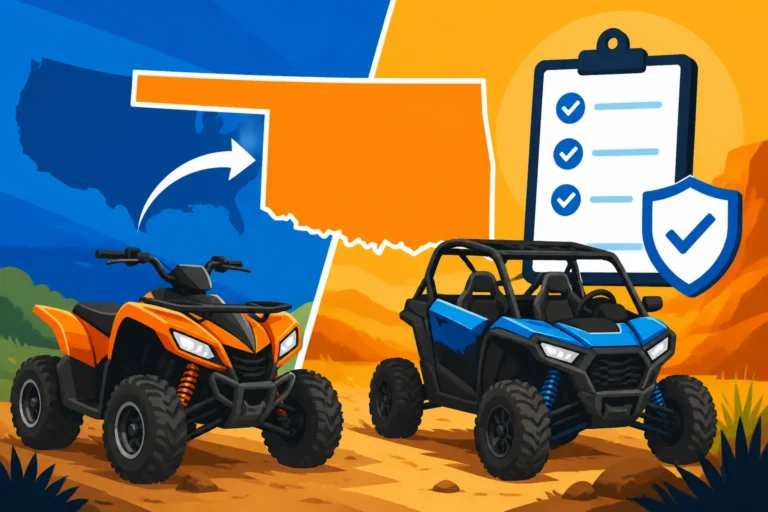
One crucial distinction to understand right away is that this new street-legal class primarily applies to UTVs, often referred to as side-by-sides. Traditional ATVs, or four-wheelers, generally do not fall under this new classification for full street legality. While ATVs have their own separate registration requirements for off-road use, and specific rules for crossing roads or limited agricultural use, they are not typically eligible for a full "road plate" that allows extensive street driving like UTVs now are. This is largely due to design differences; UTVs often come closer to meeting traditional automotive safety standards with features like roll cages, seatbelts, and a wider, more stable stance. The intent of the legislation was to allow a specific type of off-road vehicle to integrate more smoothly into road traffic, and UTVs were deemed the more appropriate fit. This distinction is vital for any rider looking into street legality, as attempting to register a traditional ATV for a road plate will likely lead to a dead end at the tag agency. It highlights that the state made a very specific carve-out for UTVs, recognizing their unique characteristics and capabilities for both work and recreation.
The Rationale Behind the New Rules
So, why did Oklahoma decide to go this route for UTVs? The reasons are multifaceted. For one, UTVs are incredibly versatile. They're used extensively in agriculture, ranching, hunting, and even by small businesses for property management. Limiting their ability to cross or utilize roads for short distances created inefficiencies. Imagine needing to trailer your UTV just to get to a field a quarter-mile down a county road – it's time-consuming and unnecessary for many. Secondly, the growth of planned off-road communities and recreational areas meant more UTVs interacting with public roads, and clear rules were needed for safety and consistency. Lawmakers also saw the economic benefit of allowing these machines more freedom, as it supports local businesses and property owners who rely on UTVs for daily tasks. Finally, the ambiguity of older laws often led to confusion and inconsistent enforcement. By creating a specific "street-legal UTV" class, Oklahoma aimed to provide clarity for both riders and law enforcement, ensuring everyone operates under the same, clear set of guidelines. It was about creating a practical solution for a common problem, while still ensuring public safety.
What Exactly Makes a UTV "Street-Legal" in Oklahoma? The Equipment Checklist
Getting a road plate for your UTV isn't just about filling out a form; it's about making sure your machine is equipped to safely share the road with other vehicles. Think of it like getting a vehicle ready for an inspection, even if Oklahoma doesn't have a formal state inspection for street-legal UTVs. The onus is on you, the owner, to ensure your machine meets all the statutory requirements. This often means adding aftermarket components or ensuring your factory-equipped UTV has all the necessary features. For many UTV owners, especially those who primarily ride off-road, this can mean a significant upgrade to their machine's setup.
Essential Lighting and Signaling Equipment
When you're sharing the road, being seen and being able to signal your intentions are paramount. For a street-legal UTV in Oklahoma, you'll need to make sure your machine has proper headlights and taillights. These aren't just for looking cool; they're functional safety devices. Crucially, your UTV must be equipped with working turn signals for both the front and rear. This is where many off-road-only machines fall short, as they often lack integrated turn signals. You'll also need brake lights that illuminate when the brake pedal is pressed, clearly indicating to drivers behind you that you're slowing down or stopping. Many UTVs come with some of these features from the factory, but others will require an aftermarket kit. Companies like SuperATV offer kits that include all the necessary lighting components, making the conversion much easier. Don't forget proper reflectors too, which enhance visibility, especially in low light conditions. The goal here is to make your UTV as visible and predictable as any other vehicle on the road.
Beyond just having the lights, it's about ensuring they function correctly and meet visibility standards. Headlights should be white, taillights and brake lights red, and turn signals amber. Make sure they are bright enough to be seen in various conditions, day or night. It’s not enough for a light to just glow; it needs to project and clearly communicate. When you're driving on a public road, especially county roads or city streets where other vehicles might be traveling at higher speeds, a dim or non-functional light can be a serious hazard. Regular checks of your bulbs and wiring are essential, as off-road use can be tough on electrical components. You don't want to get pulled over for a burnt-out brake light right after you've gone through the trouble of making your UTV street-legal. The state wants to see that you've made a genuine effort to equip your UTV for safe road use, and proper lighting is at the top of that list.
Mirrors, Horns, and Other Safety Gear
Beyond lighting, other safety equipment is non-negotiable for street legality. Your UTV must have at least one rearview mirror, providing the driver with a clear view of the road behind the vehicle. Many riders opt for both a center rearview mirror and side mirrors, enhancing their situational awareness. A functioning horn is also required. This isn't just for letting your buddies know you're there; it's a critical safety device for alerting pedestrians, cyclists, or other drivers to your presence in a hazardous situation. Imagine a distracted driver backing out of a driveway – a quick honk can prevent an accident.
Seatbelts are another crucial component. Most modern UTVs come with factory-installed seatbelts, and these must be in good working order for every occupant. The roll cage, a standard feature on most UTVs, is also a key safety element that differentiates them from traditional ATVs, offering occupant protection in the event of a rollover. While not explicitly part of the "street-legal equipment" list in the same way turn signals are, the presence and integrity of a roll cage is an inherent safety feature of UTVs that contributes to their suitability for road use. Riders should also consider carrying a fire extinguisher and a basic first-aid kit, even if not legally mandated for road use, as a responsible safety measure. [Oklahoma Equipment Required for Street UTVs] is a great reference for the full list.
Tires, Brakes, and Exhaust Considerations
The type of tires you have on your UTV might also come into play. While most off-road tires are generally fine for limited road use, extremely aggressive, knobby tires might wear out quickly on pavement and could potentially handle differently than street-oriented tires. You don't necessarily need "street tires," but ensure your tires are in good condition and properly inflated for road use. Your braking system must be fully functional and capable of safely stopping the vehicle. This means working front and rear brakes, which are typically hydraulic systems on modern UTVs. Regular inspection of brake pads, calipers, and fluid levels is a must.
When it comes to the exhaust system, while there aren't specific "road legal" decibel limits for UTVs like there are for some other vehicles, excessively loud exhausts could still draw unwanted attention or violate general noise ordinances in certain municipalities. Additionally, if you plan to ever ride on designated off-road trails on public land, many parks and wildlife management areas (WMAs) require a spark arrestor on your exhaust system to prevent wildfires. While not a direct street-legal requirement, it's a good practice to ensure your exhaust is properly maintained and equipped if you plan to transition between road and trail. Always check local ordinances for any specific noise restrictions. It’s also important to remember that these machines are designed for off-road use first, so while they can be made street-legal, constant high-speed road use can put different stresses on components than trail riding.
Navigating the Registration Process: Getting Your Oklahoma Road Plate
Once your UTV is properly equipped, the next step is the actual registration at an Oklahoma tag agency. This might feel a bit like registering a car, but there are some nuances specific to street-legal UTVs that you'll want to be aware of. The process is designed to ensure that these vehicles are properly documented and that the state has a record of who is operating them on public roads. It's a key part of legitimizing your UTV's presence on the asphalt.
The Initial Visit to the Tag Agency
Your journey to a street-legal UTV starts at a licensed tag agency in Oklahoma. You'll need to bring several key documents with you. This usually includes your Manufacturer's Statement of Origin (MSO) if it's a new machine, or a title and bill of sale if you purchased a used UTV. You'll also need proof of identity and residency. Crucially, you'll be filling out a specific application for a street-legal UTV plate, not the standard off-road ATV registration application. This form will likely ask for details about your UTV's make, model, VIN, and confirm that it meets the required equipment standards. This is where the preparation from the previous section comes in handy – you're essentially self-certifying that your machine is road-ready. Be prepared to pay the initial registration fees and any applicable excise tax. Unlike the one-time $11 fee for an off-road ATV decal, the street-legal UTV plate has different costs. [Which Form You File for a Road Plate] will guide you to the correct paperwork.
The staff at the tag agency are generally very helpful, but it's always a good idea to call ahead and confirm what specific documents you need to bring. Sometimes, especially with newer laws, individual agencies might have slightly different interpretations or requests for supporting information. Having all your ducks in a row – your MSO, bill of sale, driver's license, and proof of insurance – will make the process much smoother. You'll typically pay a registration fee, and there will be an excise tax based on the purchase price of the UTV, much like a car. This is a point of confusion for many, as the standard ATV registration process is different. For a street-legal UTV, you're essentially treating it more like an on-road vehicle for tax purposes.
Understanding the Annual Renewal Cycle
Here's a significant difference from the standard Oklahoma off-road ATV registration: your street-legal UTV plate does require annual renewal. While a regular off-road [Oklahoma ATV Registration You Pay Once] and never renew, the road plate for your UTV operates on a yearly cycle, much like a car or motorcycle license plate. This means you'll receive a renewal notice, and you'll need to pay a fee each year to keep your plate active and legal for road use. This annual renewal fee ensures your vehicle remains properly documented for road use and helps cover administrative costs. Mark your calendar, because missing the renewal deadline can lead to late fees, just like with any other motor vehicle registration. [Street UTV Decals Renew Every Single Year] is a clear indicator of this requirement, so don't get caught off guard expecting a one-and-done deal.
The annual renewal process is usually straightforward: you'll receive a notice in the mail, you can often renew online or by mail, or you can go back to a tag agency. It's crucial to keep your registration current, not just to avoid penalties, but because an expired plate immediately makes your UTV illegal for street use. This is a point where many riders, accustomed to the one-time ATV registration, can make a mistake. Make sure your mailing address with the tag agency is up to date so you receive your renewal notices. The renewal fee is typically a set amount, plus any applicable state and local charges. This annual commitment is a small price to pay for the freedom of street legality, but it's a cost that needs to be factored into your long-term ownership budget.
Fees, Taxes, and What to Expect at the Counter
When you go to get your Oklahoma road plate for your street-legal UTV, you'll encounter a few different financial obligations. First, there's the initial registration fee for the plate itself. This isn't the minimal $11 charge you might be familiar with for an off-road ATV decal; it's a more substantial fee that covers the issuance of a traditional license plate. Secondly, you'll be subject to Oklahoma's excise tax, which is typically 4.5% of the purchase price of the UTV. This tax is collected at the time of titling and registration, similar to how it works for cars and trucks. If you purchased your UTV from a dealer, you might also see dealer documentary fees added to your bill.
It's wise to call your local tag agency or check the Service Oklahoma website for the most current fee schedules, as these can change. Remember, these costs are distinct from any off-road permits you might need for specific riding areas or the [Oklahoma ATV Registration Cost] for non-road legal machines. Budgeting for these upfront costs is essential before you head to the tag agency. [Oklahoma Street UTV Plate Costs] and [Oklahoma Excise Tax at Titling] will give you a better idea of what to expect financially. The staff at the counter will process your paperwork, collect your fees, and issue you a temporary tag immediately, with your permanent plate usually arriving in the mail. It’s a process that's very similar to registering a car, reflecting the UTV's new status as a road-legal vehicle.
| Requirement/Item | Street-Legal UTV Road Plate | Standard Off-Road ATV Decal |
|---|---|---|
| Registration Type | Annual, Renews Yearly | One-Time, Never Renews |
| Plate/Decal Issued | Standard License Plate | Front-Mounted Decal |
| Required Equipment | Headlights, Taillights, Brake Lights, Turn Signals, Mirrors, Horn, Seatbelts | None (other than safety flag/whip for some parks) |
| Excise Tax | Yes, 4.5% of Purchase Price | Yes, 4.5% of Purchase Price |
| Proof of Insurance | Required | Not Required |
| Driver's License | Required | Not Required |
| Age Requirement | 16+ | None (but youth ATV rules apply) |
| Road Access | Many Public Roads (with restrictions) | Limited (ag use, crossings, local ordinances) |
Beyond the Plate: Driver Requirements and Responsibilities
Having a road plate is just one piece of the puzzle. Operating a street-legal UTV on public roads in Oklahoma also comes with specific responsibilities for the driver. Just like with any other motor vehicle, there are rules about who can drive, what they need to carry, and how they need to be insured. Understanding these requirements is crucial to avoid fines and ensure everyone's safety.
Age, Licensing, and Endorsements
One of the most frequently asked questions about street-legal UTVs is about driver's licenses. The good news for many is that in Oklahoma, if you're driving a street-legal UTV with a road plate, you'll need a valid Class D operator's license – the same license you use to drive your car or truck. You must be at least 16 years old to obtain this license, aligning with standard driving age requirements. Interestingly, and a big relief for many, [Oklahoma Skips the Motorcycle Endorsement] for street-legal UTVs. This means you don't need to go through the extra steps to get an "M" endorsement that's typically required for motorcycles, even though UTVs share some characteristics with them. [Street UTV Drivers Must Be at Least Sixteen] is a clear rule, so no underage driving on public roads, even with a road plate.
This simplifies things considerably, as it means most licensed drivers can operate a street-legal UTV without additional testing or special endorsements. However, it also means that the same rules that apply to car drivers – no texting while driving, obeying speed limits, and no impaired driving – apply equally to UTV drivers on public roads. The state treats you as a vehicle operator, so you're expected to follow the full rules of the road. It's not a relaxed standard just because you're in a UTV; it's the same standard as if you were in a pickup. So, while you might feel like you're in a fun off-road machine, your responsibilities as a driver are very much on-road.
Mandatory Insurance for Street-Legal Machines
Just like any other vehicle operating on Oklahoma roads, your street-legal UTV is required to have liability insurance. This is a non-negotiable part of the street-legal package. When you register your UTV for a road plate, you will need to provide proof of insurance at the tag agency. This minimum liability coverage is there to protect other drivers in case you're at fault in an accident. Without it, you cannot legally obtain or maintain your road plate. Many standard auto insurance providers offer policies for UTVs, so it's worth checking with your current provider to see if they can add your machine to your existing coverage or offer a standalone policy.
The cost of [Oklahoma Street UTV Insurance Costs] can vary based on your driving record, the value of your UTV, and the coverage limits you choose. While only liability is legally required for road use, many riders opt for additional coverage, such as comprehensive and collision, to protect their investment from theft, damage, or other incidents. Considering the investment many people make in their UTVs, having more than just the minimum liability is often a wise choice. It's a fundamental aspect of responsible vehicle ownership and ensures that if something goes wrong, you and others involved are financially protected. Remember, [Insurance at the Time of Registration] is a hard requirement, so don't show up without it.
Understanding Passenger Rules on Paved Roads
When it comes to carrying passengers in your street-legal UTV on Oklahoma roads, the rules generally follow common sense and manufacturer design. You can only carry the number of passengers for which the UTV was specifically designed and equipped. If your UTV has two seats and two seatbelts, you can carry one passenger. If it's a four-seater with four seatbelts, you can carry three passengers. Overloading your UTV or allowing passengers to ride in areas not designed for seating (like on the cargo bed) is unsafe and illegal on public roads. This mirrors rules for cars and trucks – everyone needs a designated seat and a seatbelt.
Additionally, Oklahoma has a [Oklahoma Helmet Law for Riders Under 18]. While UTVs generally offer more protection with their roll cages and seatbelts compared to traditional ATVs, any passenger under the age of 18 is still required to wear a helmet if they are on an open-air vehicle that doesn't have an enclosed cabin. This is an important safety consideration, especially for families riding together. Always ensure all passengers are properly secured with seatbelts, and that children meet any height or age requirements for seating and safety devices. Common sense and safety should always be your top priorities when carrying precious cargo.
Where Can You Actually Ride? Oklahoma's Road Rules for Street-Legal UTVs
So you've got your street-legal UTV, your plate, your insurance, and your license. Now for the fun part: hitting the road! But it's not quite as simple as driving your car anywhere. While the new law opens up many roads, there are still important restrictions and areas where street-legal UTVs are not permitted. Knowing these rules is crucial to enjoying your ride without running afoul of the law.
Highways, Interstates, and Posted Speed Limits
One of the biggest questions riders have is about highway access. Here's the deal: [Oklahoma Street UTVs Stay Off Interstates]. Period. These high-speed, multi-lane roadways are explicitly off-limits for street-legal UTVs. The same generally applies to most major US Highways. [Oklahoma Street UTVs Stay Off US Highways] with certain exceptions, particularly for short crossings or specific routes where local ordinances might allow it. The general rule of thumb is to assume major state and federal highways are off-limits unless explicitly stated otherwise by local jurisdiction. The rationale is safety; UTVs, while road-legal, are not designed for the sustained high speeds and traffic volumes found on these major arteries.
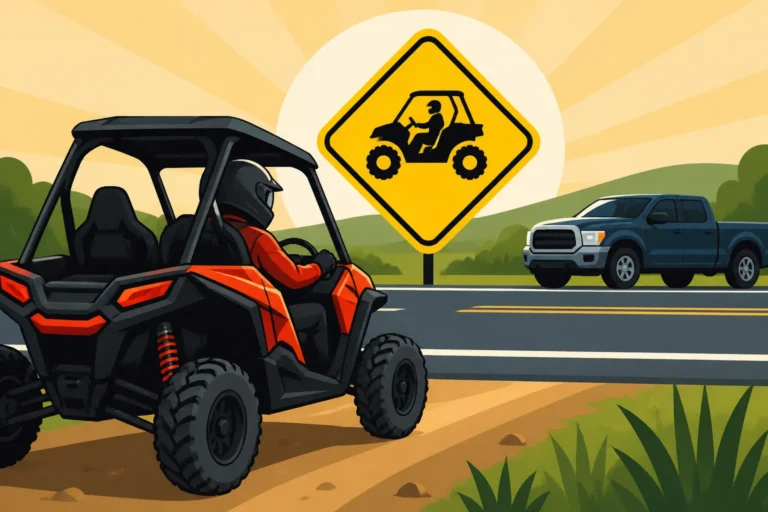
However, you can typically operate your street-legal UTV on county roads and many city streets, as long as they are not specifically restricted. You must always obey the posted speed limits, which will vary significantly from rural county roads to residential city streets. Remember, you're expected to follow all traffic laws, including yielding, stopping at stop signs, and using turn signals. Think of your street-legal UTV as a low-speed vehicle – perfect for cruising local roads, but not for long-distance highway travel. Always be aware of your surroundings, as you'll be sharing the road with vehicles traveling at much higher speeds.
County Roads, City Streets, and Local Ordinances
The real sweet spot for street-legal UTVs in Oklahoma is on county roads and many city streets. For county roads, the power often lies with [Oklahoma County Commissioners and ATV Roads]. County commissioners have the authority to open or close county roads to ATV/UTV traffic, and with the new street-legal UTV class, many have opted to open them up. However, this isn't uniform across the state. Some counties might have blanket approvals, while others might restrict certain roads or areas. It's always a good idea to check with the specific county clerk's office or website for local rules.
Similarly, within city limits, [Oklahoma Municipal Ordinances That Open Streets] are key. While the state law provides the framework for street-legal UTVs, individual cities and towns retain the right to regulate or restrict their use on city streets. Some smaller towns embrace UTVs, while larger cities might have stricter rules or even prohibit them on certain thoroughfares. Before you ride your street-legal UTV extensively in a new city, it's prudent to check their local ordinances. A quick call to the city clerk's office or police department can save you a potential ticket. This local control means that "street-legal" status doesn't automatically mean "legal everywhere," emphasizing the need for local research.
Crossing Rules for Higher-Speed Roads
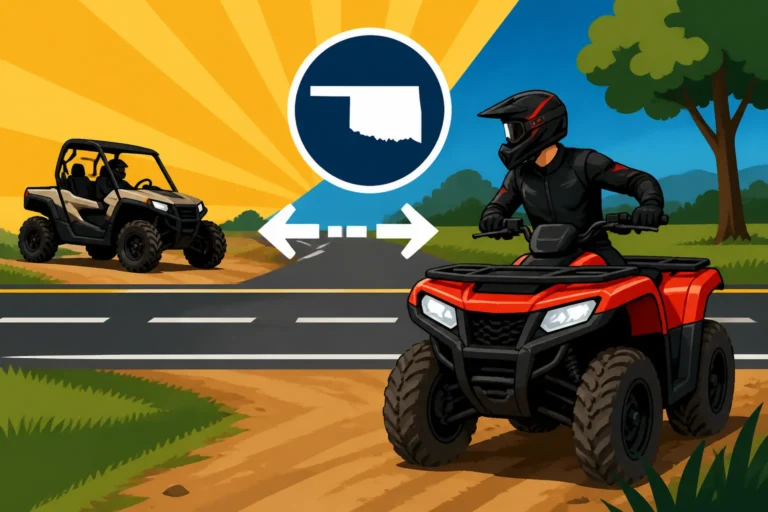
Even if you can't ride down a major highway, you might need to cross one to get from one set of county roads to another, or to access a specific property. Oklahoma law does provide for specific crossing rules for ATVs and UTVs, and these generally apply to street-legal UTVs as well. You are typically allowed to cross a highway, including some US highways, provided the posted speed limit of the highway you are crossing is 35 mph or less. This is a critical distinction: [Oklahoma Crossing Rules at 35 mph]. If the highway has a higher posted speed, you generally cannot cross it.
Furthermore, these crossings must be done in daylight hours only. [Oklahoma Highway Crossings in Daylight] is a safety measure to ensure maximum visibility for both the UTV operator and other traffic. You must cross at a 90-degree angle to the roadway and yield to all oncoming traffic. The intent is to get you safely across the road in the quickest and most direct manner, not to allow you to drive on the highway itself. Always be extra cautious when crossing any road, especially those with traffic, and make sure your UTV's lights are on for maximum visibility. These rules are in place to minimize risk for everyone on the road.
The Elephant in the Room: Enforcement, Fines, and Avoiding Pitfalls
Understanding the rules is one thing; adhering to them and knowing what to expect from law enforcement is another. The new street-legal UTV laws mean that police, sheriffs, and state troopers will be enforcing these regulations. It's important to be prepared and knowledgeable to avoid any unpleasant encounters or costly fines.
What to Expect from Law Enforcement
When you're out on your street-legal UTV, expect law enforcement to treat it much like any other vehicle on the road. If you're pulled over, they'll likely check for your driver's license, proof of insurance, and valid registration (the road plate and decal). They may also do a quick visual check to ensure your required equipment – lights, mirrors, horn, seatbelts – is in working order. Officers are looking for compliance with the equipment rules, but also for safe driving practices. Riding erratically, exceeding speed limits, or failing to use turn signals will draw attention, just as it would in a car.
Remember that [Oklahoma Park Rangers as Enforcers] can also issue citations, especially if you're transitioning between public roads and designated riding areas. The key is to be polite, cooperative, and have all your paperwork readily available. Knowing the laws yourself can also be helpful in explaining your street-legal status, although most officers are now well-versed in the new UTV regulations. The goal is to show that you're a responsible operator who understands and respects the rules of the road. Don't assume that because it's a UTV, you'll get a pass on infractions; the rules are there for a reason, and enforcement will be consistent.
Common Mistakes and How to Avoid Them
Even with the best intentions, it's easy to make mistakes. One common pitfall is assuming that because you have a road plate, you can ride anywhere. As discussed, interstates and many US highways are off-limits, and local city/county ordinances still apply. Always verify local rules before heading out. Another mistake is neglecting equipment maintenance. A burnt-out turn signal or a non-functional horn can quickly lead to a stop. Regularly check all your lights, signals, and safety equipment.
Forgetting your driver's license or proof of insurance is another easy way to get a ticket. Always carry these with you. Some riders, accustomed to off-road riding, might also forget to signal turns or adhere strictly to speed limits on public roads. Remember, you're sharing the road with cars, trucks, and even semi-trucks – defensive driving and adherence to traffic laws are paramount. Finally, don't confuse your street-legal UTV plate with the off-road [What an $11 Oklahoma Decal Buys You for Life]. They are separate registrations with different rules and purposes. Avoiding these common errors will ensure a smoother, more enjoyable riding experience on Oklahoma's roads.
The Consequence of Riding Unlawfully
Riding an unplated or improperly equipped UTV on public roads, or riding a street-legal UTV in restricted areas, can lead to various penalties. The first and most immediate consequence is often a traffic citation. [Oklahoma's Fine Cap for ATV Violations] (which applies to UTVs too) is generally capped, but cumulative fines and court costs can still add up significantly. For instance, being caught without a valid driver's license or proof of insurance can carry additional, more severe penalties, just as it would in a car.
Beyond fines, repeated violations could potentially lead to your UTV being impounded, requiring you to pay towing and storage fees to retrieve it. In extreme cases, or for serious infractions like impaired driving, you could face even more severe legal consequences, including license suspension. The state has created a legal pathway for UTVs on roads, but with that legality comes the expectation of responsibility. Operating outside those boundaries is not taken lightly, and the consequences are designed to deter unsafe and unlawful behavior. It's far better to invest the time in ensuring compliance than to deal with the headache and expense of penalties.
Maintaining Your Street-Legal Status and Machine
Getting your UTV street-legal is an achievement, but it's not a one-and-done deal. Just like any other vehicle, your street-legal UTV requires ongoing maintenance and attention to ensure it remains roadworthy and compliant with state regulations. Thinking ahead about how you'll maintain its legal status will save you headaches down the road.
Regular Inspections and Equipment Checks
Because your UTV is now operating on public roads, regular inspections of your required equipment are crucial. Make it a habit to check your headlights, taillights, brake lights, and turn signals before each ride. Ensure your horn is working and your rearview mirrors are clean and properly adjusted. Check your tires for proper inflation and wear, as road driving can affect them differently than off-road use. Your seatbelts should always be in good working order, free from frays or damage. This isn't about passing a formal state inspection (which Oklahoma doesn't mandate for UTVs), but about your personal responsibility to ensure your vehicle is safe and legal.
These routine checks don't take long, but they can prevent potential issues, from a roadside stop to a dangerous situation. Think of it as a pre-flight checklist for your UTV. Off-road machines endure a lot of vibration, dust, and water, which can take a toll on electrical connections and moving parts. Being proactive about maintenance, such as checking battery terminals, wiring harnesses, and fluid levels, will not only keep your UTV road-legal but also extend its lifespan and reliability. A well-maintained machine is a safe machine, whether you're on the trail or the street.
Modifying Your Machine While Staying Legal
One of the joys of UTV ownership is the ability to customize and modify your machine. However, once you have a street-legal plate, any modifications need to consider their impact on your compliance. For example, lifting your UTV excessively might alter its stability, and extremely wide tires could extend beyond fender flares, potentially creating issues with local laws. When considering aftermarket parts, especially those that affect lighting, visibility, or safety, always ensure they meet or exceed the standards required for street legality.
If you're upgrading your lighting, for instance, make sure the new lights are DOT-compliant if that's a requirement in your area, and that they don't interfere with your legally required turn signals or brake lights. While adding a light bar is great for off-road visibility, ensure it's covered or switched off when on public roads, as some are too bright for street use. For significant modifications, it's always a good idea to consult with an expert, or even reach out to your tag agency with specific questions, to ensure you're not inadvertently making your UTV non-compliant. The freedom to modify is great, but it comes with the responsibility to maintain street legality.
Storing and Preparing Your Street-Legal UTV for Off-Season
Even if your UTV is street-legal, you might not use it year-round for road cruising. Preparing your machine for an off-season or extended storage is important, especially in Oklahoma's varying climate. This includes stabilizing fuel, checking fluid levels, and properly storing the battery. If you store your UTV outdoors, protect it from the elements. However, if you've gone through the effort to make it street-legal, you'll need to remember its annual renewal. [Oklahoma Street UTV Annual Renewal] is a constant, even if the machine sits for months.
Before bringing your street-legal UTV back into regular road service after a period of storage, perform a thorough inspection. Check all fluids, lights, brakes, and tire pressures. Ensure all safety equipment is still intact and functional. If your registration or insurance has lapsed, get it renewed before you hit the pavement. Think of it as waking up a hibernating vehicle; it needs a careful once-over before it's ready to safely join traffic again. Consistent maintenance, even during downtime, is key to reliable and legal operation.
Comparing Street-Legal UTVs to Other Road-Legal Off-Road Machines
The world of off-road vehicles can be confusing, especially when some are allowed on roads and others aren't. It's helpful to understand where street-legal UTVs fit into the larger landscape and how they differ from other categories of machines that might also have limited road access. This clarity can help you avoid making assumptions or misinterpretations of the law.
Street-Legal UTVs vs. Standard ATV Registration
The most significant distinction often needs repeating: a street-legal UTV with a road plate is fundamentally different from a standard ATV with an [Oklahoma ATV Registration You Pay Once] decal. The standard ATV registration is primarily for identification and to allow limited road crossings or agricultural use under specific conditions. It doesn't grant widespread road access. The street-legal UTV plate, on the other hand, is specifically designed to allow broader road use, but with all the added equipment, insurance, and licensing requirements.
ATVs typically lack the enclosed cab, multiple seats side-by-side, and comprehensive safety features like roll cages and advanced braking systems that are standard on most UTVs. While some older laws allowed ATVs on roads for specific purposes like ranching, the new street-legal class is generally not applicable to traditional ATVs. This is why you get a front decal for a standard ATV, but a full-sized, rear-mounted license plate for a street-legal UTV. It signifies a distinct legal classification and a different set of operating privileges and responsibilities. Understanding this separation is paramount to avoid confusion and ensure compliance for both types of machines.
Street-Legal UTVs vs. Golf Carts on Public Roads
Another point of comparison is with golf carts, which also have limited road access in many communities. Historically, golf carts and UTVs sometimes fell under similar, ambiguous "low-speed vehicle" ordinances. However, street-legal UTVs are generally considered a more robust and capable class of vehicle than a golf cart. While both might be allowed on certain low-speed city streets, UTVs are designed for much more demanding use, both off-road and with their new road-legal status. Golf carts typically have maximum speed limits (often 20-25 mph) and much more restrictive operating conditions on public roads.
Street-legal UTVs, with their more stringent equipment requirements (like full headlights, turn signals, and brake lights), and the need for a standard driver's license and insurance, are treated more like miniature cars than souped-up golf carts. While golf carts might be perfect for short trips within a planned community, a street-legal UTV offers far more versatility and range, making it suitable for longer distances on appropriate county roads and city streets. [Oklahoma Rules for a Golf Cart on a Street] will show you how they have their own, often stricter, set of regulations.
Street-Legal UTVs vs. On-Road Motorcycles
While street-legal UTVs don't require a motorcycle endorsement in Oklahoma, it's worth briefly comparing them to motorcycles. Both are open-air vehicles that offer a unique riding experience on public roads. However, the similarities largely end there. Motorcycles are two-wheeled vehicles requiring a very different skill set and protective gear (like helmets, which are optional for adult motorcycle riders in Oklahoma but mandatory for under-18 UTV passengers). UTVs, with four wheels, roll cages, and seatbelts, offer a different level of stability and occupant protection.
The fact that [Oklahoma Skips the Motorcycle Endorsement] for street-legal UTVs highlights that the state views them as distinct from motorcycles in terms of driver training and licensing. While both are fun to drive on the open road, the legal and operational frameworks are quite different. UTVs offer a more car-like experience in terms of seating and controls, appealing to a broader range of drivers who might not be comfortable on a two-wheeled machine. This distinction is important for understanding the regulatory environment and personal safety considerations for each vehicle type.
Disclaimer
This article is for general informational purposes only and does not constitute professional advice. Laws, prices and regulations vary by location and change over time. Consult a qualified professional for guidance on your specific situation.