Oklahoma Cities With ATV Ordinances
It can be incredibly frustrating trying to figure out where you can legally ride your ATV or UTV in Oklahoma, especially when you venture into town. You bought your machine for freedom, but suddenly you're faced with a maze of local rules that seem to pop up out of nowhere, making you worried about getting a ticket just for going down the street. This guide will help you understand how cities in Oklahoma create their own ATV and UTV ordinances, how to find those specific rules, and what kind of regulations you can expect.
The Patchwork Quilt: Why City ATV Ordinances Exist in Oklahoma
Oklahoma is a bit of a mixed bag when it comes to ATV and UTV use on public roads. While the state has certain laws governing off-road vehicles, especially regarding street-legal UTVs, individual cities and towns retain a significant amount of autonomy to create their own rules. This means that what's perfectly fine in one small town might get you pulled over just a few miles down the road in another. It’s like a patchwork quilt, where each square represents a different set of rules, and as riders, we have to navigate each one carefully.
State Law Versus Local Control
At a state level, Oklahoma has made strides, particularly with the creation of a special class for street-legal UTVs. [Oklahoma's Street-Legal UTV Class Explained] This statewide framework provides a pathway for UTVs to be registered with an annual plate, allowing them on certain public roads. However, this state allowance doesn't automatically override local municipal authority. Cities and towns are generally granted powers to regulate traffic within their own jurisdictions, which includes off-road vehicles. This power is often exercised to address safety concerns, noise complaints, and general quality of life for residents. So, even if your UTV meets all the requirements for an [Oklahoma Road Plates for a Street-Legal UTV], a specific city can still restrict where and how you ride it within their limits. This often catches riders off guard, as they assume that if it's "street legal," it's legal everywhere. Unfortunately, that's not always the case.
Why Cities Choose to Create Their Own Rules
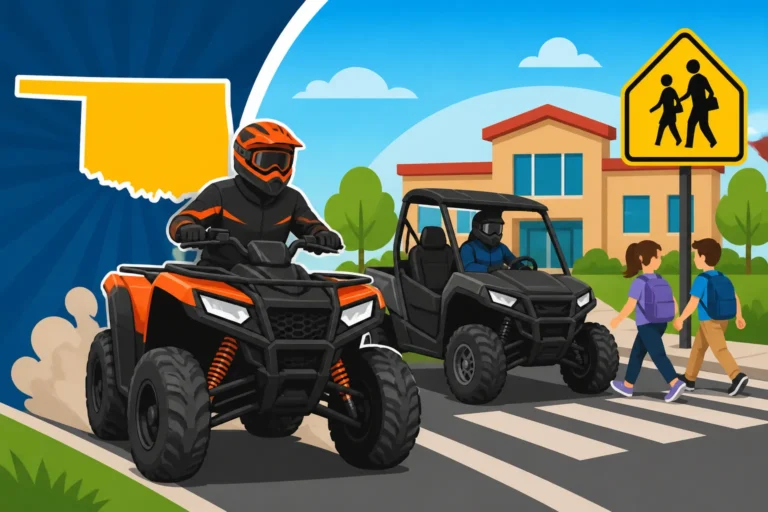
Cities enact ATV and UTV ordinances for a variety of reasons, often stemming from community feedback or specific incidents. One major concern is safety. ATVs and UTVs, while incredibly fun and useful, aren't designed for high-speed traffic or sharing lanes with larger vehicles. Local governments might worry about the risk of accidents, especially in busy downtown areas or near schools. Another common driver is noise. Modern machines can be quieter, but many aftermarket exhausts can significantly increase sound levels, leading to complaints from residents about disruptions. Property damage, particularly on city-owned green spaces or public parks, can also prompt restrictive ordinances. Finally, there's the simple matter of traffic flow. Some cities might have narrow streets or heavy pedestrian traffic where the presence of off-road vehicles could create congestion or hazards. These aren't always about trying to stop your fun; sometimes, they're genuinely trying to maintain public order and safety, even if it feels restrictive to us as riders.
Uncovering Your City's Specific ATV Ordinances
So, how do you find out what the rules are for a specific city or town? It can feel like a scavenger hunt, but with a little persistence, you can get the answers you need. Relying on hearsay or what "everyone else does" is a sure way to end up with a ticket you didn't see coming. Taking the time to do your homework beforehand can save you a lot of headache and money.
Your Local City Hall or Municipal Website
The most reliable place to start your search is directly with the city government. Most cities and towns in Oklahoma have a city clerk's office, and that's usually the first point of contact for questions about local ordinances. You can often find their contact information, and sometimes even a direct link to the municipal code, on the city's official website. Look for sections on "Ordinances," "Municipal Code," "Traffic Regulations," or "Public Safety." Many cities have their full code of ordinances published online, making it easier to search for keywords like "ATV," "UTV," "off-road vehicle," or "recreational vehicle." Be prepared to dig a little, as these documents can be quite extensive. If you can't find it online, don't hesitate to call the city clerk's office. They are usually very helpful in pointing you to the right section or even emailing you the relevant pages. Just remember to be specific about what you're asking, like "Can I ride my UTV on city streets in your town?" or "What are the rules for crossing a city street with my ATV?"
Consulting with Local Law Enforcement
Another excellent resource is your local police department or county sheriff's office. The officers patrolling the streets are the ones who enforce these ordinances, so they'll know exactly what the rules are. While calling 911 is definitely not the way to go, you can often find the non-emergency number for the police department on the city's website or in a local phone directory. Explain that you're an ATV/UTV owner and you're trying to understand the local regulations to ensure you're compliant. They can often provide clarity on specific routes, time restrictions, or equipment requirements. Sometimes, they might even know about unofficial practices or local exceptions that aren't clearly written in the code. For example, some towns might informally allow ATVs to cross a certain road to get to a gas station, even if riding on the road isn't generally permitted. Just be polite and understanding; they appreciate riders who are trying to follow the rules. It's much better to ask a question than to receive a citation.
Looking for Signs and Posted Information
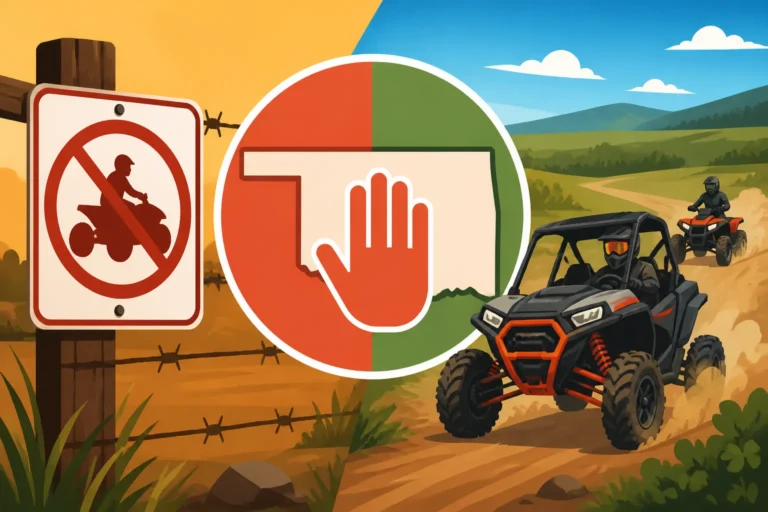
While not always comprehensive, keeping an eye out for posted signs can give you clues about local regulations. In some smaller towns, you might see signs at the city limits indicating "No ATVs/UTVs on City Streets" or specific instructions about where off-road vehicles are allowed. These signs are more common in areas that directly border popular riding trails or rural areas where ATV use is prevalent. While a lack of signs doesn't mean anything is permitted, their presence is a clear indicator of specific restrictions. You'll also want to pay attention to general traffic signs. For example, if a street is posted with a low speed limit, that might affect how or if you can traverse it with your machine, even if there's no specific ATV ordinance. Always assume that general traffic laws apply unless an ordinance specifically exempts ATVs or UTVs.
Common Elements of City ATV Ordinances
When cities do enact ordinances regarding ATVs and UTVs, they tend to cover a few common areas. Understanding these categories can help you anticipate what kind of rules you might encounter, no matter which town you're researching. It's rarely a blanket "yes" or "no," but rather a set of conditions that must be met.
Road and Street Restrictions
This is perhaps the most common aspect of city ordinances. Many cities restrict or outright prohibit ATVs and UTVs from operating on public streets, sidewalks, and alleys. However, there can be exceptions. Some ordinances might allow machines to operate on unpaved roads, gravel roads, or specific designated routes within the city limits. Others might permit them for short distances to cross a street to access private property, a gas station, or a designated trail head. For example, a city might allow a resident to ride their UTV down a section line road for a quarter-mile to access their pasture, but not on the main paved thoroughfares. It's crucial to identify if the city designates specific "ATV-friendly" roads or areas, or if it's a complete ban on paved surfaces. For those with street-legal UTVs, it's particularly important to verify if that state-level designation is recognized and valid on all city streets, or if certain routes are still off-limits. You might have to ride your machine to a riding area, but only via county roads.
Operating Hours and Speed Limits
Another frequent component of city ordinances involves regulating when and how fast you can ride. Many cities will impose strict operating hours, often limiting ATV and UTV use to daylight hours only. This is primarily for safety reasons, as visibility can be severely reduced at night, and many off-road machines don't have the same lighting systems as street-legal vehicles. For those who enjoy riding at dusk or after dark, this can be a real bummer, but it's a common restriction. [Oklahoma Riding After Dark] Local ordinances might also set speed limits specifically for ATVs and UTVs, often lower than the posted speed limit for regular traffic. This might be 15 mph or 25 mph, especially in residential areas or near parks. These lower limits are designed to reduce the risk of accidents and minimize noise. If your UTV has the capability to go much faster, you'll need to exercise significant restraint within city limits, regardless of the posted car speed.
Equipment Requirements and Safety Gear
Some city ordinances, especially those that permit limited ATV/UTV use, will stipulate specific equipment requirements. Beyond what the state might require for a street-legal UTV (like [Oklahoma Turn Signals and Mirrors], horns, and headlights), a city might add its own demands. This could include things like a flag and whip for visibility, particularly if riding near areas with mixed traffic or limited sightlines. Ensuring your machine meets these local equipment standards is vital. For example, you might need to look into aftermarket parts from companies like SuperATV to add compliant mirrors or turn signals if your factory setup doesn't cut it for a specific city's rules. Additionally, cities might reiterate or even expand upon state safety gear mandates, such as [Oklahoma Helmet Law for Riders Under 18]. Even if the state law applies to those under 18, a city ordinance might push for all riders to wear helmets in certain zones, or at least highly encourage it. Always prioritize safety gear, regardless of the local law.
| Ordinance Aspect | Common Restrictions | Why It's Imposed |
|---|---|---|
| Road Access | Prohibited on paved streets; limited to unpaved roads; crossing only. | Safety, traffic flow, noise reduction. |
| Operating Hours | Daylight hours only (e.g., 6 AM – 10 PM). | Visibility, noise control, public peace. |
| Speed Limits | Lower than posted auto speed (e.g., 15-25 mph). | Accident prevention, noise, resident comfort. |
| Equipment | Horn, mirrors, lights (for street-legal UTVs); sometimes flag/whip. | Visibility, communication, state compliance. |
| Age/License | Minimum age for operation (e.g., 16+ for street UTVs). | Rider competency, state law alignment. |
| Passengers | Only if machine designed for it, seatbelts required. | Safety, manufacturer guidelines. |
Navigating Open Versus Closed Cities
Given the varied landscape of city ordinances, it's helpful to think of cities as falling into two general categories: "open" and "closed" for ATV and UTV use on their roads. Knowing which category a city falls into will heavily influence your riding plans.
"Open" Cities: Understanding Conditional Access
An "open" city isn't necessarily a free-for-all; it simply means the city has an ordinance that allows ATVs and UTVs on some or all of its public roads, usually under specific conditions. These cities often embrace off-road vehicle use, sometimes to boost local tourism, provide access for residents to rural properties, or simply because they're smaller towns with less traffic where it makes sense. In these towns, you'll still need to pay close attention to the details of the ordinance. Conditions might include:
- Designated Routes: Only certain roads or streets are open, often marked with specific signage.
- Time of Day: As mentioned, daylight hours are common.
- Speed Limits: Special, lower speed limits for off-road vehicles.
- Equipment: Ensuring your machine has proper lighting, turn signals, mirrors, and sometimes a flag. [Oklahoma Equipment Required for Street UTVs]
- Registration/Titling: Your machine must be properly registered and titled with the state. [Oklahoma Titles ATVs and UTVs]
- Insurance: Proof of liability insurance might be required, especially for street-legal UTVs. [Oklahoma Insurance at Street Registration]
A good example might be a small town near a popular trail system or lake, where they recognize that riders need to get to gas stations, restaurants, or lodging. They might have created an ordinance to safely integrate this traffic.
"Closed" Cities: The General Prohibition
"Closed" cities, on the other hand, have ordinances that generally prohibit ATVs and UTVs from operating on any public roads within their limits, with very few exceptions. This is common in larger, more densely populated cities or those with heavy traffic concerns. Exceptions, if they exist, are usually very narrow:
- Emergency Services: Law enforcement, fire, or emergency medical services might be exempt.
- Utility Work: Utility companies might be allowed to use ATVs/UTVs for maintenance work.
- Agricultural Purposes: In some rural-leaning towns, machines might be allowed for specific agricultural tasks, such as crossing a road between two fields. [Oklahoma Instrument of Husbandry Exception]
- Special Events: With prior permits, a parade or organized event might get an exception.
For the average recreational rider, if a city is "closed," it means you'll need to trailer your machine to an approved riding area outside of city limits. Attempting to ride your ATV or UTV on the streets of a "closed" city, even for a short distance, can result in a significant fine and potentially even impoundment of your vehicle. It's simply not worth the risk. [Oklahoma Ticket Costs for Road Riding]
The Importance of Due Diligence
Ultimately, the responsibility falls on you, the rider, to know and understand the local ordinances of any city you plan to ride in or through. Before you load up your machine and head out, especially if you're venturing into an unfamiliar town, make those calls to the city clerk or police department. A quick phone call can prevent a costly and frustrating encounter with law enforcement. Don't assume that because your neighbor rides his UTV to the grocery store in his small town, you can do the same in yours. Every city is different, and local rules can change. Staying informed is the best way to enjoy your ATV or UTV safely and legally in Oklahoma.
Disclaimer
This article is for general informational purposes only and does not constitute professional advice. Laws, prices and regulations vary by location and change over time. Consult a qualified professional for guidance on your specific situation.