Oklahoma Counties That Opened Roads
It can be incredibly frustrating to feel like you're navigating a maze when all you want to do is ride your ATV or UTV from point A to point B on a public road, especially when you hear whispers that some counties are allowing it. The truth is, Oklahoma's rules for off-road vehicles on public roads aren't a single, clear-cut statewide mandate; instead, they're a fascinating, and sometimes confusing, blend of state law and local county decisions. This guide will walk you through understanding which Oklahoma counties have the power to open roads to ATVs and UTVs, how to find out if your local county has done so, and what to keep in mind to stay legal and safe.
The Shifting Landscape of ATV and UTV Road Use in Oklahoma
For a long time, the general assumption in Oklahoma was that ATVs and UTVs, being off-road vehicles, simply weren't allowed on public roads. This perception was rooted in state statutes designed primarily for highway-legal vehicles. However, the increasing popularity of side-by-sides, especially for rural property owners and recreational riders, led to a demand for more flexibility. It's a common dilemma: you need to cross a short stretch of county road to get from one part of your land to another, or to connect to a trail, and suddenly you're wondering if you're breaking the law.
The good news is that the legal landscape has indeed started to shift, creating opportunities for more specific local control. This isn't just about making life easier for farmers; it's also about recognizing the evolving role of these machines in our communities. But it's crucial to understand that "shifted" doesn't mean "unrestricted." There are still very specific conditions and legal frameworks that govern this road use, and they vary significantly from one locale to another.
Understanding the "Instrument of Husbandry" Exemption
One of the longest-standing exceptions to the general rule about off-road vehicles on public roads is the "instrument of husbandry" exemption. This rule typically allows agricultural vehicles, including ATVs and UTVs, to operate on public roads when actively engaged in farming or ranching operations. Think about a farmer needing to drive their side-by-side a short distance down a county road to check on cattle in another pasture or to move equipment between fields. That's the core intent here.
However, this exemption is often misinterpreted by recreational riders. It's not a blanket permission slip to cruise down any county road for leisure. If you're using your UTV to go fishing or simply joyriding, you're generally not covered by the "instrument of husbandry" rule. The key is the purpose of the trip. If you're hauling hay or fixing a fence, you're likely in the clear. If you're heading to a friend's house for a barbecue, that's a different story. This is why many riders started pushing for more explicit rules to allow recreational road use, as the old exemption simply didn't fit their needs. [Oklahoma Farm Use on County Roads] is a good resource to delve deeper into this specific exemption.
The Role of County Commissioners in Opening Local Roads
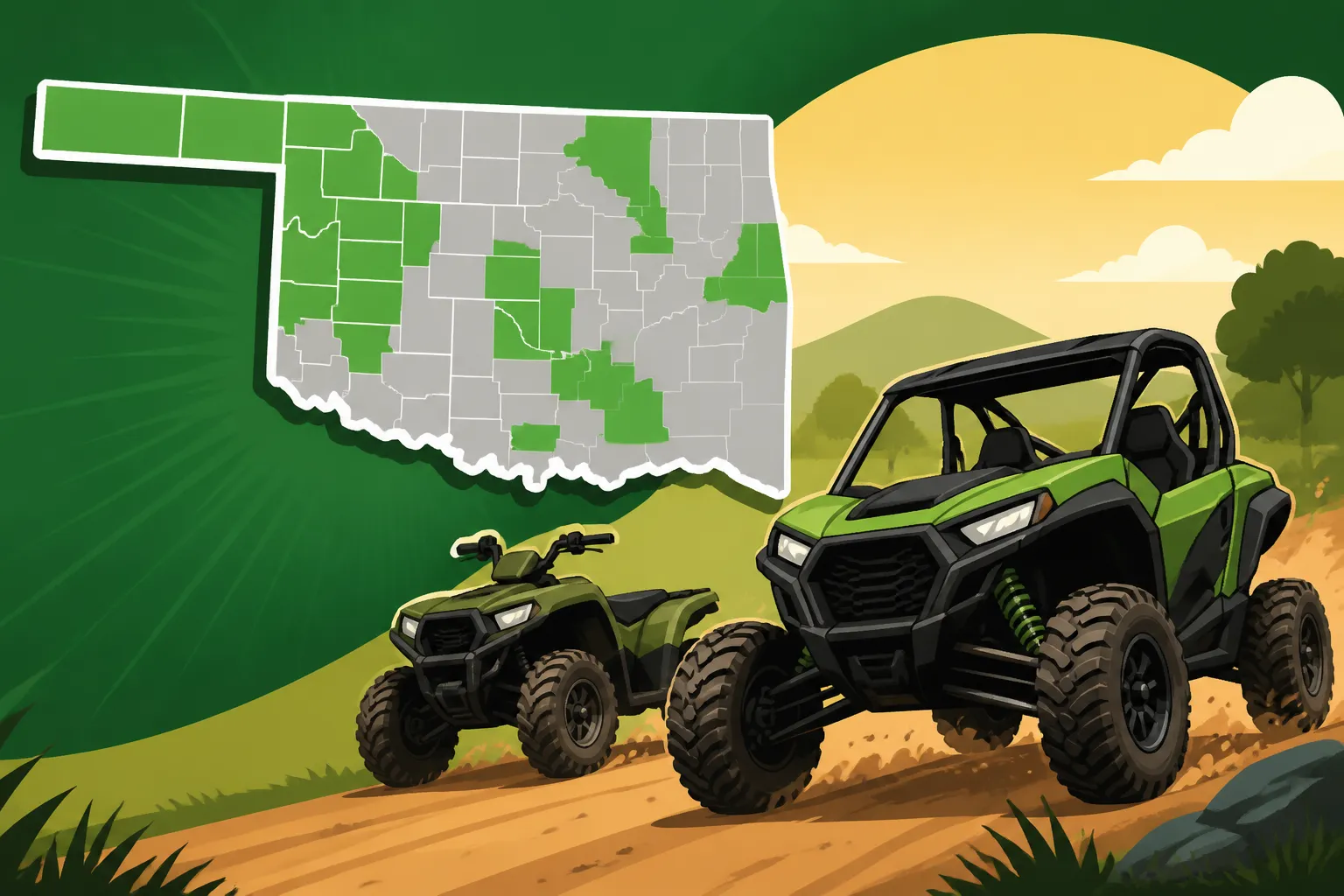
The real game-changer for ATV and UTV road access comes down to the local level: Oklahoma's county commissioners. State law has empowered these elected officials to make decisions regarding the use of county roads within their jurisdiction. This means that while the state might set some overarching guidelines, it's the individual county that gets to decide whether its roads are open to off-road vehicles and under what conditions. This is where the "patchwork" of rules really begins.
County commissioners typically exercise this power by passing resolutions or ordinances. These legal documents specify which roads, if any, are open, what types of vehicles are allowed, and what restrictions apply (like speed limits, hours of operation, or required safety equipment). It's a democratic process, often involving public meetings where citizens can voice their opinions, concerns, and support. Because each county commission is independent, what one county decides to do, its neighbor might not. This decentralized approach means that riders often have to do their homework on a county-by-county basis. These local decisions are a prime example of [Oklahoma County Commissioners and ATV Roads] in action, shaping the riding experience for residents and visitors alike.
Navigating the Patchwork: Finding Open Roads and Staying Legal
Given that there isn't one universal map of "open" ATV/UTV roads across Oklahoma, riders face the challenge of figuring out the rules for their specific riding area. It's not like simply checking a state park's website for trail conditions; county ordinances require a bit more legwork. Ignoring this patchwork can lead to citations, fines, and even impoundment, which nobody wants when they're out trying to enjoy their machine.
The key to staying legal and avoiding trouble is proactive research. Don't assume that just because you saw someone else riding a UTV down a county road that it's universally permitted. That rider might be operating under the instrument of husbandry exemption, or they might be in a county that has passed an ordinance, while you're in one that hasn't. Each county is its own distinct entity when it comes to these regulations.
How to Research County Ordinances
So, how do you actually find out if a county has opened its roads? It takes a little detective work, but it's well worth the effort. The most reliable way to get accurate information is to go directly to the source. Start by checking the official county website; many counties will post their commission meeting minutes, resolutions, and ordinances online. Look for sections related to county clerk records, commissioner meetings, or public safety.
If you can't find what you need online, a call to the County Clerk's office or the Board of County Commissioners is your next best bet. These offices are the keepers of official records and should be able to tell you if any ordinances regarding ATV/UTV road use have been passed. You can also try contacting the local Sheriff's Department or Highway Patrol detachment in the area where you plan to ride. While they enforce the laws, they can often provide guidance on what's permitted. Just be aware that law enforcement officers might not always have every nuance of every county ordinance at their fingertips, so cross-referencing is a good idea. Knowing [Which County Roads Commissioners Have Opened to ATVs] can save you a lot of headache.
Common Restrictions and Requirements on Open County Roads
Even when a county opens its roads to ATVs and UTVs, it's almost never a free-for-all. There are typically specific rules that riders must adhere to, and these are designed to ensure safety for everyone sharing the road. It's like having a driver's license for a car; you can drive on roads, but you still have to follow traffic laws. The goal is to integrate these machines safely, not recklessly.
Common restrictions often include:
- Speed Limits: Many counties will impose a specific speed limit for ATVs and UTVs, often lower than the posted limit for other vehicles. For instance, some ordinances might cap ATV/UTV speeds at 25 mph or specify rules like [Crossing a Highway Posted at Thirty-Five or Less] in daylight only.
- Daylight Hours Only: A frequent stipulation is that ATVs and UTVs are only permitted on county roads during daylight hours. This is a safety measure to improve visibility and reduce accident risks, especially in rural areas where streetlights are scarce.
- Helmet Requirements: While Oklahoma state law has a [Oklahoma ATV Helmet Law Age] for riders under 18, many county ordinances might reiterate or even expand this requirement for all riders on public roads, regardless of age. Always assume helmets are a good idea.
- Passenger Rules: You typically can only carry the number of passengers your machine was factory-designed to carry. If your quad is a single-rider machine, don't try to fit two people on it. Side-by-sides usually have clear seating for multiple passengers, making this easier to determine.
- Equipment Requirements: This is a big one. To make a machine safer and more visible on public roads, counties often require certain equipment. This can include working headlights, taillights, brake lights, and turn signals. Mirrors are also frequently mandated for visibility, and companies like SuperATV offer a fantastic range of aftermarket mirrors and turn signal kits that can help you meet these requirements, making your machine compliant and safer. You can find more details on general requirements in [Oklahoma Equipment Required for Street UTVs].
When reading an ordinance, pay close attention to the fine print. Sometimes there are specific dates or areas where the rules might differ.
What About City Streets and State Highways?
It's crucial to understand that opening county roads is distinct from opening city streets or state highways. Just because a county allows ATVs and UTVs on its rural roads doesn't automatically mean you can ride them through the main street of the nearest town or on a busy state highway.
- City Streets: Municipalities (cities and towns) have their own governing bodies, and they, too, can pass ordinances regarding ATV/UTV use within their city limits. Some cities might open certain streets, especially in smaller towns, while others keep a strict ban. You'll need to check with the specific city clerk or city council for their rules, as discussed in [Oklahoma Municipal Ordinances That Open Streets].
- State Highways and Interstates: Generally, ATVs and UTVs (unless specifically registered as street-legal vehicles, which is a whole other process) are prohibited from state highways, U.S. highways, and especially interstates. These roads are designed for higher speeds and heavier traffic, and standard off-road machines simply aren't built for that environment. Even if a county road you're on crosses a state highway, you often have to stop, look, and cross directly rather than ride on the highway itself. Always prioritize safety and adhere to these limitations, as violations can carry significant penalties.
The Drive for Broader Access: What Riders Are Seeing and Doing
The increasing number of county roads being opened to ATVs and UTVs isn't just a happy accident; it's often the result of dedicated efforts by riders, landowners, and local communities. There's a growing recognition of the utility and economic benefits these machines bring, pushing local officials to reconsider older, more restrictive policies.
This movement isn't without its challenges, however. There are always concerns about safety, noise, and environmental impact. But by addressing these concerns proactively and presenting thoughtful proposals, riders are making real progress in shaping the legal landscape of off-road vehicle use in Oklahoma.
The Appeal of Open County Roads for Recreation and Access
For many riders, being able to legally use county roads unlocks a whole new level of enjoyment and practicality for their ATVs and UTVs. Imagine being able to ride from your property directly to a nearby hunting lease without having to load your machine onto a trailer for a short hop. Or picture connecting disparate sections of public land or private trails, creating a much larger and more diverse riding experience. This is the dream for many.
Furthermore, opening up county roads can also benefit local economies. Riders often stop for gas, food, or supplies in small towns they might otherwise bypass, bringing much-needed tourism dollars to rural areas. It fosters a sense of community among riders and encourages responsible outdoor recreation. For farmers and ranchers, it makes everyday tasks more efficient, enabling them to quickly move between fields or properties, which directly links back to the "instrument of husbandry" benefits but with broader, more explicit permissions.
Advocating for ATV/UTV Access in Your County
If your county hasn't yet opened its roads to ATVs and UTVs, but you believe it should, you have the power to advocate for change. Local government is often the most responsive to citizen input, and county commissioners are directly accountable to the people they represent. This isn't just about complaining; it's about presenting a well-reasoned case for why these changes would benefit the community.
Here's how riders can get involved:
- Attend County Commissioner Meetings: Show up, listen, and when appropriate, speak during public comment periods. Your presence alone sends a message, and a well-articulated argument can be very persuasive.
- Form or Join an ATV/UTV Club: There's strength in numbers. Organized groups can present a unified front, gather data, and make proposals with more influence. [Oklahoma ATV Clubs Worth Joining] often play a significant role in these advocacy efforts.
- Educate Commissioners: Many commissioners might not fully understand the capabilities of modern ATVs and UTVs or the economic benefits they can bring. Provide information on safety features, responsible riding practices, and how other counties have successfully implemented similar ordinances.
- Address Concerns Proactively: Commissioners often worry about safety, noise, and potential damage to roads. You can counter these by emphasizing rider education, promoting quiet exhausts, advocating for common-sense speed limits, and explaining how off-road machines typically have less impact on pavement than heavier vehicles. Demonstrating that riders are committed to safety and responsibility is key. For example, pointing out that many riders invest in high-quality safety accessories from brands like SuperATV shows a commitment to responsible road use.
Equipment and Best Practices for Road Riding
Once you've confirmed that a particular county's roads are open to ATVs and UTVs, your responsibility shifts to ensuring your machine is properly equipped and that you are riding safely and legally. Simply having permission isn't enough; you must also meet the specified requirements and practice good road etiquette. This ensures your safety, the safety of others, and helps maintain positive relationships with local communities and law enforcement.
Many of the equipment requirements are about making your machine as visible and controllable as possible on roads where you might encounter larger, faster vehicles. Think of it as preparing your off-road machine to temporarily coexist in a world designed for cars and trucks.
Essential Gear for Compliant Road Use
While specific county ordinances may vary, there's a common set of equipment that's generally recommended, or even required, for road riding. Investing in these items not only makes you compliant but significantly enhances your safety.
- Lighting: You absolutely need functional headlights, taillights, and brake lights. These are non-negotiable for visibility, especially if an ordinance allows riding during low-light conditions (though many restrict to daylight).
- Mirrors: Side mirrors and a rearview mirror are crucial for awareness of traffic around you. Many ATVs and UTVs don't come standard with these, but aftermarket options from companies like SuperATV are readily available and often easy to install, making it simple to meet these requirements.
- Turn Signals: While not always mandated by every county, turn signals greatly improve communication with other drivers. If you're going to be sharing the road, being able to clearly indicate your intentions is a huge safety advantage. SuperATV offers integrated turn signal kits designed for various UTV models.
- Whip Flags: If your county road riding connects to, or takes you near, areas like Little Sahara State Park, remember that places like that have very specific rules like a [Oklahoma's 10-Foot Whip Rule] and an orange flag requirement. It’s always good to be prepared if your ride takes you into areas with additional visibility mandates.
- Helmets: As mentioned, [Oklahoma Helmet Law for Riders Under 18] is a state law, but wearing a helmet is a smart practice for all riders on roads, regardless of age or local ordinance. It's the most effective way to protect yourself in case of an accident.
Make sure all your equipment is in good working order before you hit the road. A quick pre-ride check can prevent issues and ensure you meet compliance requirements.
Riding Safely and Responsibly on Public Roads
Even with the right equipment and a legal green light, responsible riding is paramount. Operating an ATV or UTV on a public road is different from trail riding, and it requires a different mindset.
- Drive Defensively: Always assume other drivers might not see you, especially because ATVs and UTVs are smaller and less common on roads. Be extra vigilant at intersections, driveways, and blind curves.
- Stay to the Right: Keep as far right as safely possible on the road to allow other vehicles ample room to pass.
- Signal Your Intentions: Use hand signals or, ideally, your aftermarket turn signals to clearly indicate when you plan to turn or change direction.
- Respect Speed Limits: Adhere strictly to any posted speed limits for ATVs/UTVs or the general road speed limit, whichever is lower. Speeding is a quick way to lose privileges for everyone.
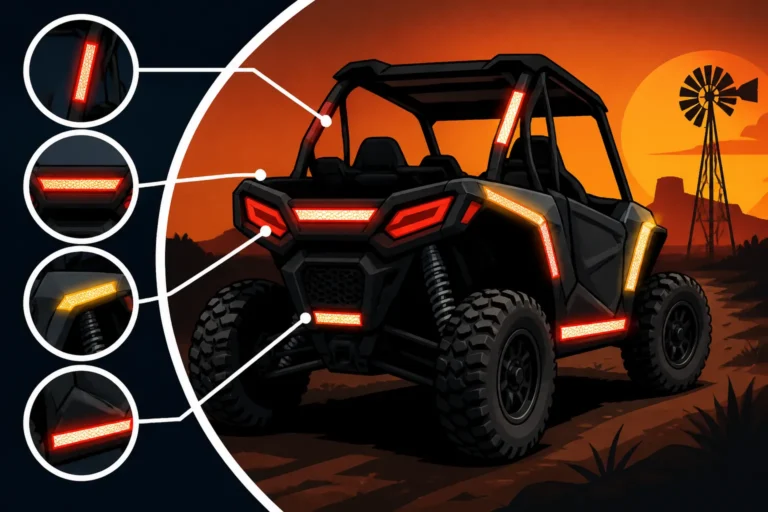
- Be Visible: Wear bright clothing, use your headlights and taillights even during the day, and consider reflective tape on your machine, especially if riding near dusk or dawn (if permitted).
- Carry Your Paperwork: Always have your ATV/UTV registration and proof of insurance with you. An officer may ask to see these documents. While Oklahoma doesn't mandate insurance for off-road machines on trails, some counties might require it for road use, or you might need it for a street-legal designation.
- Be Aware of Other Road Users: Remember you'll be sharing the road with cars, trucks, school buses, and often large farm equipment. Give way to larger vehicles and be patient.
- Know Your Machine's Limits: An ATV or UTV handles differently on pavement than it does on dirt. Be mindful of traction, braking distance, and stability, especially when cornering.
By following these best practices, you not only protect yourself but also demonstrate to your local community that ATV and UTV riders are responsible and deserve the privilege of road access. This positive example can help pave the way for more counties to open their roads in the future.
Here's a quick reference table to help you summarize what to look for when researching county ordinances:
| Aspect | What to Look For in an Ordinance | Why It Matters |
|---|---|---|
| Permitted Roads | Is it all county roads, specific roads, or certain sections? | Don't assume all roads are open; verify the specific routes. |
| Vehicle Types | Does it specify ATVs, UTVs, both, or other OHVs? | Ensure your specific machine is covered by the ordinance. |
| Operating Hours | Is riding restricted to daylight hours, or are night hours allowed? | Crucial for planning your ride and avoiding violations. |
| Speed Limits | Are there specific speed limits for OHVs on county roads? | Stay safe and avoid tickets; OHV limits are often lower. |
| Equipment Required | Headlights, taillights, brake lights, mirrors, turn signals, etc. | Essential for safety and visibility on public roads. |
| Operator Age | Are there age restrictions for operators on county roads? | Ensure all riders meet the legal age requirements. |
| Helmet Law | Does the ordinance expand the state's under-18 helmet law? | Protect yourself and stay compliant, especially for younger riders. |
| Passenger Rules | Does it specify allowed passenger capacity? | Stick to factory-designed seating to avoid overloaded machines. |
| Insurance Required | Does the county mandate liability insurance for road use? | Crucial for financial protection and compliance. |
| Permit/Decal | Is a specific county permit or decal required? | Some counties might have their own local registration. |
Disclaimer
This article is for general informational purposes only and does not constitute professional advice. Laws, prices and regulations vary by location and change over time. Consult a qualified professional for guidance on your specific situation.