20 mph on a Main Road
A 20 mph limit can feel slow when a wide road cuts across an off-road park, especially when you’re trying to keep up with a group or get back to camp. At Cross Bar Ranch, the main-road limit is a practical safety rule, not a target speed. Here’s how to follow it, handle changing trail conditions, and avoid common riding mistakes.
What the 20 mph main-road limit means
A park speed limit, not a statewide ATV rule
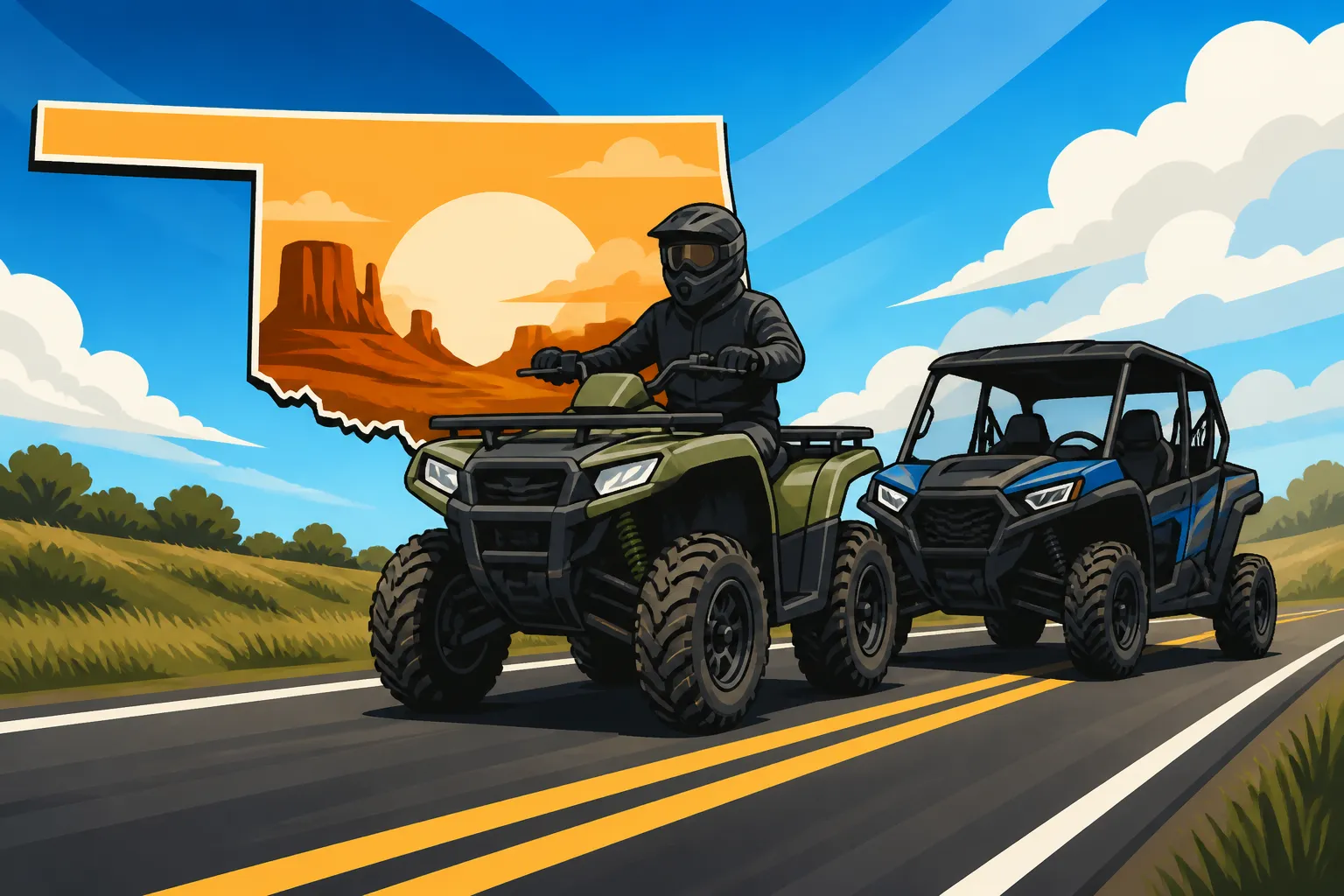
The 20 mph limit refers to a main road at Cross Bar Ranch, an off-road riding area near Davis, Oklahoma. It is a site-specific rule for riders using that road. Don’t confuse it with a general speed allowance for every Oklahoma trail, county road, or public road.
That distinction matters because riding rules change with the place. A speed allowed on a private park’s main road doesn’t automatically apply on a public road, another riding area, or a marked trail. Before heading out, read the park’s posted signs and instructions, and ask staff if you’re uncertain which roads the limit covers.
If you’re comparing parks or planning a weekend, Oklahoma Private Ranch Speed Limits offers broader context about how private riding areas can set their own rules. For Cross Bar Ranch-specific planning, Cross Bar Ranch’s Day Rates in Oklahoma and What a Day at Cross Bar Ranch Includes can help you think through the rest of your visit, but confirm current details with the park.
Why 20 mph can still be too fast
A posted limit is a maximum, not a promise that it is safe to ride at that speed in every condition. Dust, loose gravel, ruts, blind corners, other machines, and people walking near camp can all call for slowing down. If you can’t see far enough ahead to stop comfortably, ease off the throttle.
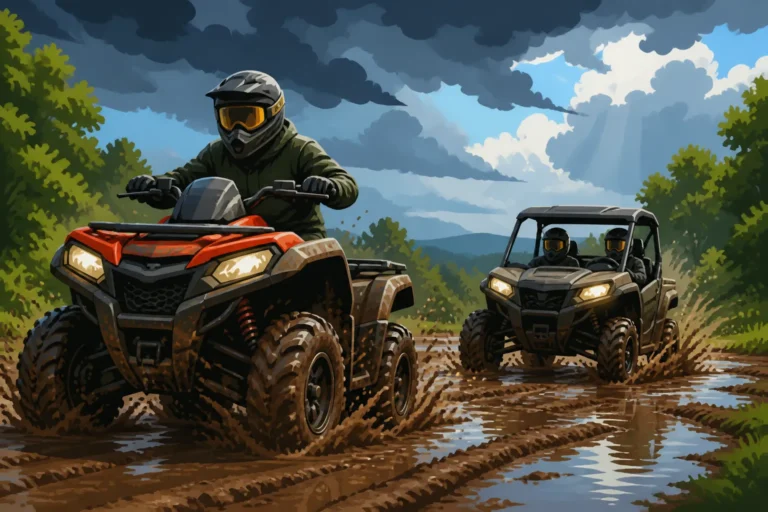
For example, imagine following a side-by-side along a dry road after several machines have passed. A cloud of dust hangs in the air, and you can see only a short distance ahead. Even though the limit is 20 mph, riding at the maximum could leave too little time to react to a stopped machine or someone entering the road. Let the dust settle, increase your following distance, and ride at a speed that matches what you can see.
The same thinking applies when you’re carrying a passenger, towing a small trailer, or riding a machine that handles differently from what you’re used to. A wide road may look simple, but loose surface material can affect braking and steering. The safer question is not just “Am I under 20?” but “Can I see, steer, and stop safely right now?”
How to ride a main road safely
Leave room for dust, turns, and other riders
Keep a generous gap behind the machine ahead. If you’re close enough that dust blocks your view or you can’t react smoothly to a sudden stop, you’re following too closely. A longer gap also gives the rider in front room to turn without forcing you to brake sharply.
Watch for traffic approaching from the opposite direction and for machines entering from side trails. Don’t assume another rider has seen you. On a busy day, a main road may carry people who are unfamiliar with the area, riding at different speeds, or trying to find their group. Keep to a predictable line and avoid sudden swerves.
If you’re riding with friends, agree on a regrouping point before setting off. That way, a slower rider doesn’t feel pushed to speed up just to stay with the group. Oklahoma Group Ride Planning has useful tips for keeping a group together without turning every stretch of road into a race.
Slow down before camp and crowded areas
The main-road limit is not the only speed rule you may encounter. Cross Bar Ranch has a separate 10 mph limit through camp, so slow down before you enter that area rather than waiting until you see a sign at the last moment. Campgrounds can have pedestrians, parked trailers, children, pets, and people backing vehicles into tight spaces.
Make the change in speed early. If you’re approaching camp behind another machine, leave extra space so you don’t have to brake abruptly. Keep your eyes moving between the road ahead, the edges of the road, and any driveways or spaces where someone might step out.
| Situation | Sensible approach |
|---|---|
| Clear main road with good visibility | Stay at or below the posted 20 mph limit |
| Dust or limited visibility | Slow down until you can see and stop safely |
| Blind corner or trail entrance | Reduce speed before reaching it |
| Camp area | Follow the posted 10 mph limit |
| Pedestrians, children, or pets nearby | Slow further and be prepared to stop |
| Unfamiliar route or uncertain signage | Stop somewhere safe and ask park staff |
These are practical riding choices, not substitutes for the park’s posted rules. If a sign or staff instruction is more restrictive, follow that direction.
Plan your route without letting the map distract you
Check the route before you start riding
A little preparation can reduce the temptation to hurry. Before leaving camp, decide where you’re going, who is leading, and where the group will stop if it gets separated. If you’re unsure whether a route is appropriate for your machine or experience level, ask park staff instead of choosing a trail based only on how easy it looks on a screen.
A map app such as onX Offroad can help with route planning, but use it as a planning aid rather than a substitute for signs or local instructions. Review the route before you start moving, and avoid trying to read a phone while riding. If you plan to rely on digital mapping, check ahead of time whether the relevant map information is available for your intended route and whether your device will work where you’re riding.
For a broader look at choosing routes, Oklahoma Trail Difficulty Ratings and Oklahoma Trail Conditions Before You Tow can help you think about terrain and trip preparation. Conditions can change after rain or heavy use, so a route that looked manageable at home may feel different once you arrive.
Use navigation tools as a backup, not a reason to rush
Apps and GPS devices can help you understand your general location, but they don’t make it safe to glance down while moving. If you need to check onX Offroad or another navigation tool, pull over in a place where you’re clearly out of the way, stop, and check the screen. Before starting again, make sure no one is coming up behind you.
Download or prepare the information you expect to use before the ride if the app offers that option for your area. Then carry a backup plan: know the group’s meeting point, keep the park’s contact or office information accessible, and pay attention to marked signs. Maps can be helpful, but signage and park staff are the best guide to local rules and closures.
When everyone knows the route, the group is less likely to bunch up at intersections or speed to catch a rider who took a different turn. A simple briefing at camp—leader, sweep rider, planned stops, and what to do if someone gets separated—can prevent a lot of confusion.
Common mistakes and what to do instead
Treating the limit as a goal
One frequent mistake is riding at 20 mph simply because the road allows it, even when visibility or traffic makes that speed uncomfortable. Leave yourself room to respond. If you crest a rise, approach a blind bend, enter a dusty stretch, or see another machine ahead, slow down before you reach the hazard.
Another mistake is assuming that the main road is always clear because it is wider than a trail. A rider may pull out from a side route, stop to check directions, or turn toward camp. Keep your attention on the road and its entrances, not just the machine in front of you.
If a rider behind you seems impatient, don’t speed up to satisfy them. Maintain a safe pace and let them pass only where it is safe and permitted. Predictable riding helps everyone; sudden acceleration or braking can create a chain reaction in a group.
Forgetting that park rules apply to the whole visit
The speed limit is one part of a wider set of expectations. Read the waiver and posted rules, and make sure every rider in your group understands them. Cross Bar Ranch requires visitors to sign a waiver, and it’s worth discussing the rules before unloading machines rather than trying to explain them once the group is already moving. See Cross Bar Ranch Makes Everyone Sign a Waiver for related preparation.
Also check the rules for your specific machine and route. A main road may be shared by different types of off-road vehicles, while narrower routes can have limitations that do not apply to the main road. Oklahoma Trails That Allow Side-by-Sides and Oklahoma Trail Etiquette Locals Expect can help you prepare for trail access and courteous riding more generally.
If you’re staying late, don’t assume that operating hours mean every route or activity is unrestricted. Cross Bar Ranch is listed as staying open all night, but posted rules, closures, and safe-riding practices still matter. Make sure your machine is properly lit for the conditions and use the park’s directions about where you can ride after dark. More on nighttime preparation is covered in Oklahoma Riding Areas With Cell Service and Oklahoma Lighting Rules on a Machine.
A quick pre-ride routine
Before each ride, take a minute to check your machine, gear, and plan. Confirm that everyone knows the 20 mph main-road limit and the slower camp speed. Agree on a pace that works for the least experienced rider, and decide where you’ll stop if someone needs a break or navigation help.
Then check the basics:
- Read posted signs and ask staff about anything unclear.
- Choose a route that fits your machine and the group’s experience.
- Set a leader and a sweep rider if you’re riding as a group.
- Keep a safe gap and slow down when dust or traffic limits visibility.
- Stop somewhere safe before checking a phone or map.
- Reduce speed well before entering camp or a crowded area.
A calm, steady ride is usually more enjoyable than trying to make up time on a shared road. The 20 mph rule gives riders a clear upper limit on the main road, but good judgment—especially around dust, turns, and people—is what makes the ride safer.
Disclaimer
This article is for general informational purposes only and does not constitute professional advice. Laws, prices and regulations vary by location and change over time. Consult a qualified professional for guidance on your specific situation.