Kids 9 and Under Ride Cross Bar Ranch Free
Taking a child to Cross Bar Ranch can feel like a lot to organize: you’re weighing admission, age rules, safety gear, and whether your child should ride their own quad or come along in a side-by-side. Children ages nine and under ride free, but that does not remove the need to plan for park rules, waivers, supervision, and the right machine for the day.
What free riding means for children nine and under
Free admission does not mean a rule-free visit
At Cross Bar Ranch, children nine and under ride free. That can make a family outing more affordable, especially when you’re already paying for fuel, hauling, food, and adult admission. Still, it’s worth confirming the park’s current age and admission policy before you leave. If a child is close to turning ten, ask how the park determines eligibility and whether it requires proof of age.
“Free” applies to the child’s ride admission, not necessarily every part of the trip. Your family may still need to account for adult admission, camping, food, fuel, machine preparation, and other expenses that depend on your plans. Check the park’s own information for current details, and avoid assuming that a free child admission includes extras or changes the rules for the accompanying adults.
It also doesn’t mean a child can ride any machine on any trail. The rider, vehicle, terrain, and park rules all matter. A small quad that suits a child on a flat practice area may be tiring or difficult to manage on rough, hilly ground. A passenger in a side-by-side has different considerations from a child operating a youth ATV.
Plan around the whole family’s day
Before you load the trailer, think through how long your child is realistically likely to ride. Young riders often start excited and then become tired, hungry, or overwhelmed by noise and unfamiliar terrain. A shorter first outing with regular breaks can be a better experience than trying to cover every trail in one visit.
Check the practical details that shape your day, such as park hours, access rules, camping arrangements, and whether your machines suit the riding area. What a Day at Cross Bar Ranch Includes can help you think through the visit as a whole rather than treating the child’s free admission as the only planning question.
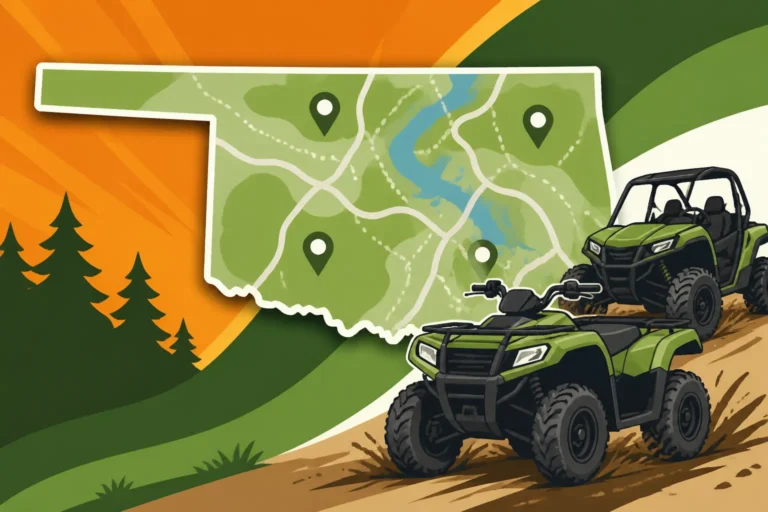
Cross Bar Ranch is a private riding area in the Davis area of southern Oklahoma. If you’re unfamiliar with the region, map your drive and arrival plan in advance. A route-planning tool such as onX Offroad can help you organize your trip and review mapped information, but it should not replace the ranch’s directions, posted signs, or staff guidance. Park rules and local conditions take precedence over a route shown in an app.
Prepare your child and machine before arrival
Choose the right role for your child
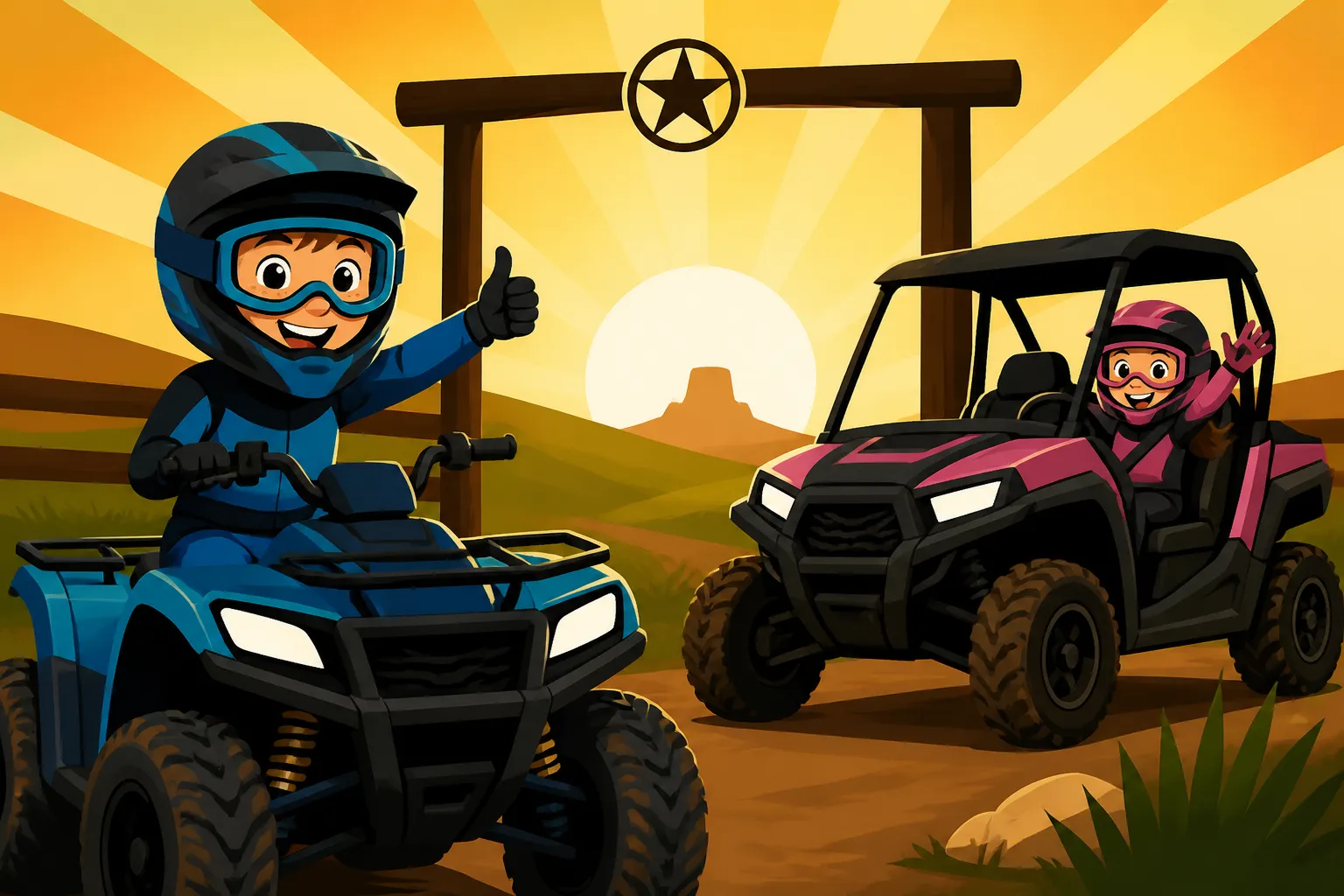
A child may ride an age-appropriate quad, ride as a passenger in a suitable side-by-side, or spend part of the day off the machine. Those choices are not interchangeable. A child operating a quad needs to be able to control it, understand instructions, and respond calmly when the trail changes. A passenger needs a proper seat and a safe position inside a machine designed to carry passengers.
Don’t judge readiness by age alone. A confident child may still struggle with a heavy throttle, steep ground, loose surfaces, or the physical demands of a long ride. On the other hand, a new rider may do well with a conservative route, close adult supervision, and frequent stops. If your child is operating a quad, review Bringing a Kid’s Quad to Cross Bar Ranch and make sure the machine is appropriate for the child’s size and experience.
For a passenger, check the machine’s owner information and seating configuration. Never assume that a child can safely ride on a seat, cargo area, or lap simply because there is room. Passengers should use the designated seating positions and restraints provided for that vehicle, and adults should follow the manufacturer’s guidance.
Pack safety gear and make it fit
A helmet that fits properly is essential. So are sturdy footwear, eye protection, gloves, and clothing suited to the weather and terrain. Check the helmet before the trip: it should sit level, fit snugly, and stay secure when the chin strap is fastened. A helmet that shifts around or blocks a child’s vision can become a distraction rather than dependable protection.
Bring water, snacks, sunscreen, and a spare layer if the weather may change. Dust, sun, heat, and engine noise can wear children down faster than expected. A child who seems fine in the morning may become uncomfortable later, so build breaks into the ride rather than waiting until they are already exhausted.
Park rules and legal requirements are separate questions. Review [Oklahoma Rules for Young Riders] and Oklahoma Private Ranch Helmet Rules before you go, and confirm Cross Bar Ranch’s own requirements as well. The rule that applies to a public road, a state-managed riding area, or a private park may differ. Don’t rely on assumptions based on another riding spot.
Keep the ride manageable and safe
Start with a conservative plan
At the start of the day, explain a few simple expectations: stay with the adult group, stop when asked, keep a safe distance from other machines, and tell an adult when tired or uncomfortable. For a child riding independently, agree on where the adult will be and what to do if the group stops. A child should not be expected to navigate alone or keep up with faster riders.
Begin slowly and assess how the child handles the machine and terrain. If the child is tense, struggling with controls, or repeatedly losing focus, take a break or end the ride. There’s no benefit in pushing through just because the family made the drive. A calm, positive first visit is more likely to build good riding habits than an exhausting day that ends in tears.
Keep pace appropriate to the least experienced rider. Cross Bar Ranch has posted riding expectations, and speed rules matter even when the trail looks open. Review 20 mph on a Main Road and 10 mph Through Camp before riding, and follow signs and staff instructions on site. Children should not be hurried by adults who are trying to keep up with a faster group.
Set expectations for shared trails
A child may be focused on the machine directly ahead and miss a rider approaching from another direction. Adults should model predictable riding, avoid sudden stops where they create a hazard, and leave enough room between machines. Teach children to stop safely and wait for an adult rather than trying to navigate around an unexpected obstacle.
Trail etiquette is especially important on a busy day. Give other riders room, keep noise and dust in mind around campsites, and don’t block a route while discussing where to go next. Oklahoma Trail Etiquette Locals Expect offers useful reminders for making the outing more considerate for everyone using the area.
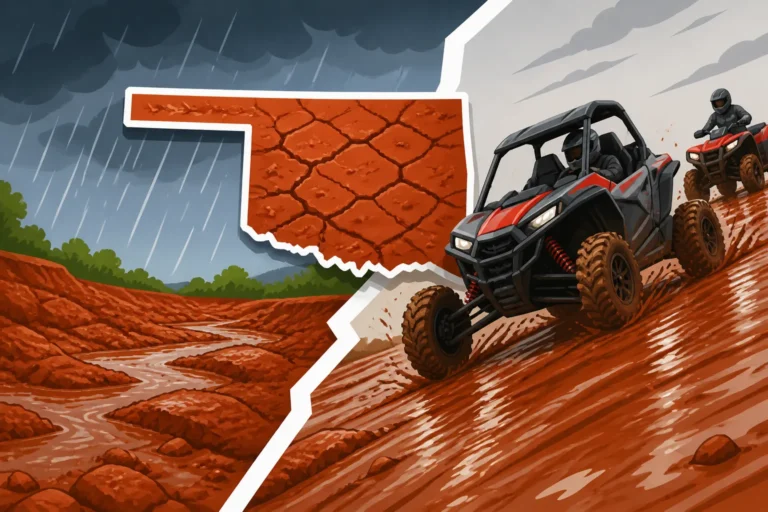
Check the trail and weather picture before heading out. Rain can change traction, and a route that seems manageable in dry conditions may be harder for a young rider after conditions shift. Tools such as onX Offroad can be useful for trip planning and situational awareness, but mapped routes do not guarantee that every trail is open, suitable for a child, or in good condition. Ask park staff about current conditions and use the marked routes they identify.
Handle the paperwork and costs without surprises
Complete the waiver and check in as a family
Plan to complete the park’s required paperwork before riding. Cross Bar Ranch requires visitors to sign a waiver, including families bringing minors. Read the waiver and follow the park’s instructions for a parent or guardian signing on a child’s behalf. You can review Cross Bar Ranch Makes Everyone Sign a Waiver before arrival so the check-in step doesn’t catch you off guard.
Bring whatever information the park asks for and allow time for check-in. If you have questions about a child’s age, admission, machine, or required equipment, contact the ranch directly before your trip. A quick confirmation is easier than resolving a misunderstanding at the gate after you’ve unloaded.
Keep the group together during arrival and departure. Children can be excited in a new setting and may wander toward machines, trailers, or other riders. Decide where the family will meet if separated, and make sure your child knows not to leave with anyone or walk through active riding areas alone.
Build a realistic family budget
A free admission for a child can help, but it’s only one line in a family riding budget. Consider adult admission, transportation, fuel, food, camping if planned, and maintenance or protective equipment. A child’s machine may also need attention before the trip: check tires, brakes, throttle return, controls, and fuel before you travel.
| Planning item | What to confirm |
|---|---|
| Child’s age | Whether the child qualifies for free admission and whether age proof is needed |
| Admission | Current adult and child admission rules, plus any separate charges |
| Waiver | How a parent or guardian completes paperwork for a minor |
| Machine | Whether the child’s quad or passenger vehicle is appropriate and permitted |
| Safety gear | Helmet fit, eye protection, footwear, and any park-specific requirements |
| Riding plan | Trail suitability, speed rules, breaks, water, and adult supervision |
| Trip costs | Fuel, food, travel, camping, and machine preparation |
If you’re comparing a one-day visit with a longer trip, consider the child’s comfort as well as the cost. A full weekend may sound appealing, but a young rider may enjoy a shorter day with a relaxed pace more than back-to-back long rides. Planning a few breaks and a clear turnaround point can help everyone leave with a good memory rather than feeling they had to ride until they were worn out.
Make the final check before you unload
When you arrive, listen to staff and read posted signs. Confirm where children may ride, which routes are appropriate, and how the park handles current trail conditions. If anything differs from what you expected, adjust the plan. A free admission is a welcome benefit, but the best family outing is one where the child’s comfort, skill, and safety guide the day.
Before you head home, check the machines for damage or loose gear and make sure your child is ready for the drive. If the visit goes well, you can build on that experience next time with a slightly longer ride or a new route that matches the child’s growing confidence. Keep the focus on learning, safe habits, and enjoying the day together.
Disclaimer
This article is for general informational purposes only and does not constitute professional advice. Laws, prices and regulations vary by location and change over time. Consult a qualified professional for guidance on your specific situation.