Oklahoma Trails With Camping
Finding an Oklahoma riding area with camping can take more planning than it seems: a trail may be open to ATVs while nearby campsites are full, restricted, or miles from the riding entrance. This guide compares several places where camping and off-road riding can work together, explains what to check before towing, and helps you choose a trip that fits your machine and group.
Oklahoma riding areas where camping and trails come together
The easiest trips are usually those where the campground and riding area are part of the same destination or close enough that you do not have to load your machine onto a trailer between rides. Even then, “camping nearby” does not always mean you can ride directly from your tent or RV onto every trail. Check the property’s current rules, access points, and allowed vehicle types before you set off.
Little Sahara State Park near Waynoka
Little Sahara State Park is a natural choice if your group wants a dune-riding weekend. The riding area is near Waynoka in northwestern Oklahoma, and the park offers camping options alongside its off-road recreation. Before you go, confirm which facilities are available for your planned dates and whether your campsite choice suits your setup, especially if you are bringing a large trailer or several machines.
Dune riding has its own preparation needs. A whip and bright flag, appropriate lighting, helmets for young riders, and a machine suited to loose sand all matter. Riders should also learn where to pay, where riding is permitted, and what rules apply to the area. For more on the destination, see [Little Sahara State Park in Oklahoma] and [Oklahoma Dune Riding Explained].
Camping close to the dunes is convenient, but convenience does not replace trip planning. Sand can be tiring for both riders and machines, and a group can easily lose track of one another in open terrain. Agree on a meeting point, carry water, and make sure everyone understands the route back to camp. The guide to [Oklahoma Riding Near Waynoka] can help you consider the local area as part of your trip.
Robbers Cave and Cross Bar Ranch
Robbers Cave State Park, near Wilburton in southeastern Oklahoma, combines a hilly setting with an OHV riding area and camping opportunities within the park. The riding experience is different from Little Sahara: expect wooded, uneven terrain rather than broad dunes. It can suit riders who want a varied weekend outdoors, but check the riding area’s access rules and operating hours before planning a late arrival or night ride. You can explore the details in [Robbers Cave OHV Area in Oklahoma].
Cross Bar Ranch, near Davis in south-central Oklahoma, is another option to investigate when you want a private riding destination with camping nearby. The terrain, park rules, and available camping arrangements may differ from public state park facilities, so confirm what is included in your stay and what needs a separate arrangement. Ask whether your machine type is allowed on the trails you plan to use, and whether a waiver or check-in is required.
These destinations are not interchangeable. Robbers Cave is part of a state park setting, while Cross Bar Ranch operates as a private off-road park. That difference can affect trail access, check-in, camping rules, and what happens if weather changes your plans. For a broader comparison, see [Oklahoma OHV Camping With Trail Access] and [Oklahoma Private Park Waivers and Rules].
| Riding destination | General setting | Camping planning point | Good fit to consider |
|---|---|---|---|
| Little Sahara State Park | Sand dunes near Waynoka | Confirm campsite availability and how your setup fits the campground | Groups prepared for sand riding |
| Robbers Cave State Park | Wooded, hilly terrain near Wilburton | Check campground arrangements and OHV access hours | Riders seeking a mixed park and trail weekend |
| Cross Bar Ranch | Private riding area near Davis | Ask about check-in, camping, waivers, and machine restrictions | Groups who want a private-park experience |
| Ouachita National Forest area | Forest roads and public-land recreation in southeastern Oklahoma | Verify the specific campsite and motor-vehicle rules for each location | Riders willing to plan carefully around route restrictions |
How to choose the right camping and riding setup
A good destination is more than a name on a map. Think about the ride your group wants, how far you are willing to travel between camp and trail access, and whether your vehicles and camping equipment can manage the approach. If you are bringing children or less experienced riders, convenience and clear boundaries may matter as much as the number of trail miles.
Match terrain and access to your machine
Start with the machine, not the campground. A wide side-by-side may not fit on every route that allows motorcycles or smaller quads. Forest trails can have restrictions, while dunes call for different tires and riding techniques than rocky or muddy ground. Read the destination’s rules for your specific vehicle rather than assuming that “OHV access” means every machine can go everywhere.
The Ouachita National Forest region is a good example of why a little map research matters. Public forest access does not mean every road or trail is open to every vehicle. Use the applicable motor-vehicle map and check for closures or machine-class limits before choosing a route. [Oklahoma Ouachita National Forest Access] offers more background, and [Oklahoma Trails That Allow Side-by-Sides] can help focus your search if you are traveling with a UTV.
Digital tools can make route planning easier, especially in areas with limited cell service. onX Offroad can help you review mapped routes and prepare offline navigation before leaving home, but treat any app as a planning aid rather than permission to ride. Confirm access rules with the land manager or park, and carry a backup plan in case a route is closed or your phone loses reception.
Decide between an on-site campground and a nearby place to stay
Camping at the riding destination can save time and reduce the number of trailer trips. It may also mean that your group needs to follow park-specific quiet hours, fire rules, pet policies, or check-in procedures. Nearby public or private campgrounds can offer more choices, but confirm how you will get your machine from the campsite to the legal riding entrance. Riding along a public road or across private property without permission is not a safe shortcut.
Before booking, make a short call or check the facility’s own information for details that affect your setup. Ask whether the site accommodates your vehicle and trailer, whether there is room to park a tow vehicle, and whether water, restrooms, or hookups are available for the dates you want. Facilities and access arrangements can vary by location and season.
A useful planning resource is [Oklahoma Trails With Camping]. Keep a second option in mind too: if the campground is full, a nearby site may still work, but only if the extra driving and machine transport are practical. In rural areas, fuel and supplies may not be close to the trailhead, so identify a place to refuel before you arrive.
Plan the trip before you tow
Many frustrating trail weekends begin with an assumption: that a trail is open because it appeared on a map, that camping is included with riding access, or that a machine can travel from camp to the trail without being loaded. A brief check before departure can prevent a long drive with no workable place to ride or stay.
Check rules, permits, closures, and maps
Confirm the riding area’s current operating information directly before leaving. Ask about trail closures, weather-related restrictions, machine limits, check-in procedures, and whether riding access is separate from camping arrangements. Public land and private parks can have different requirements, so do not rely on another destination’s rules as a guide.
Some public-land access may involve permits or seasonal restrictions. Review [Oklahoma Land Access Permits Explained] if your plans include land where a permit may apply. For route planning, consult [Oklahoma ATV Trail Map Downloads] and check the relevant land manager’s map or notices. A map can show a route without answering every practical question about whether your machine is allowed there today.
Use onX Offroad or another mapping tool to save your intended routes before entering areas with poor reception. Mark the campground, trail entrance, fuel stops, and a meeting point for your group. Then compare your saved route with official information. This extra step helps prevent a navigation app from sending you onto a closed road, a route meant for a different vehicle type, or land where public access is not allowed.
Prepare camp and machines for Oklahoma conditions
Weather can change a ride quickly. Heavy rain may make red clay slick, while dry conditions can bring dust and heat. Check the forecast and trail notices shortly before departure, and be willing to change plans if access conditions are poor. The guides to [Oklahoma Trail Closures After Rain] and [Oklahoma Trail Conditions Before You Tow] cover issues worth checking before you load up.
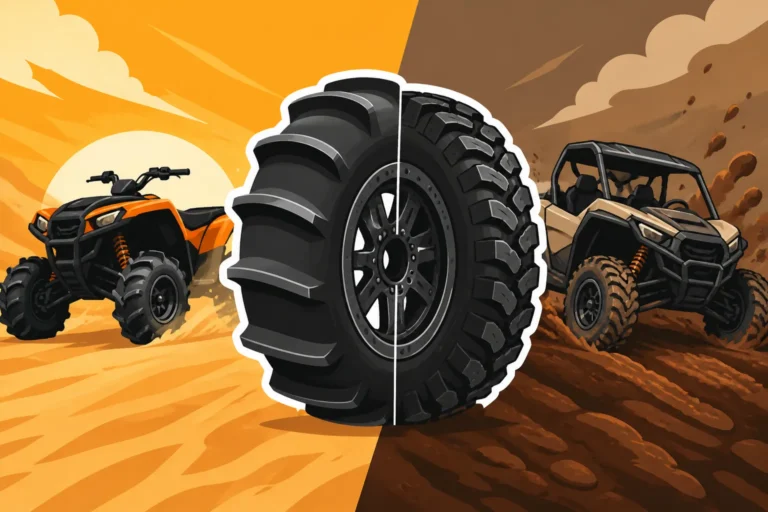
Pack for the ride you are actually taking. For a dune weekend, think about sand-appropriate tires, eye protection, water, and the required visibility equipment. For wooded or rocky trails, inspect tires, brakes, cooling, and protective equipment. Bring basic tools and a first-aid kit, and do not assume every trailhead has cell service, fuel, or repair support nearby.
Keep camp rules in mind once you arrive. Use designated areas for fires, follow quiet-hour requirements, secure food and trash, and leave the campsite in good condition. If the campground and trail system have separate rules, learn both. A little coordination before the first ride makes it easier to enjoy the trip without having to solve basic logistics after dark.
A practical plan for a smoother weekend
A simple itinerary helps your group arrive prepared without turning the trip into a military operation. A day or two before leaving, confirm the campground, riding access, and route rules. On arrival, set up camp first, review the trail map together, and agree on a reasonable turnaround time. This is especially helpful when riders have different experience levels or machines with different ranges.
Keep the day’s first ride modest. It gives everyone a chance to learn the terrain, notice how the machine handles, and adjust plans before committing to a longer route. For a larger group, appoint a lead rider and a sweep rider, and pause at trail junctions so nobody is left guessing which way the group went. A saved route in onX Offroad can be useful, but a clear group plan matters more than any one device.
Finally, leave room for the unplanned parts of a weekend: a slow setup, a weather delay, or a machine that needs attention. If a trail is closed or conditions become unsafe, use the backup activity you planned rather than trying to find an informal route around the restriction. Choosing a camping area with clear access, checking rules in advance, and matching trails to your group’s machines will make an Oklahoma riding trip much easier to enjoy.
Disclaimer
This article is for general informational purposes only and does not constitute professional advice. Laws, prices and regulations vary by location and change over time. Consult a qualified professional for guidance on your specific situation.