Little Sahara State Park in Oklahoma
Little Sahara State Park can be a thrilling first dune ride and a frustrating one if you arrive with the wrong machine, missing safety gear, or no plan for sand, fuel, and camp. This guide explains what to expect near Waynoka, how to prepare your ATV or UTV, and how to make the day safer and less stressful.
What Little Sahara is like
A compact park with a big change of terrain
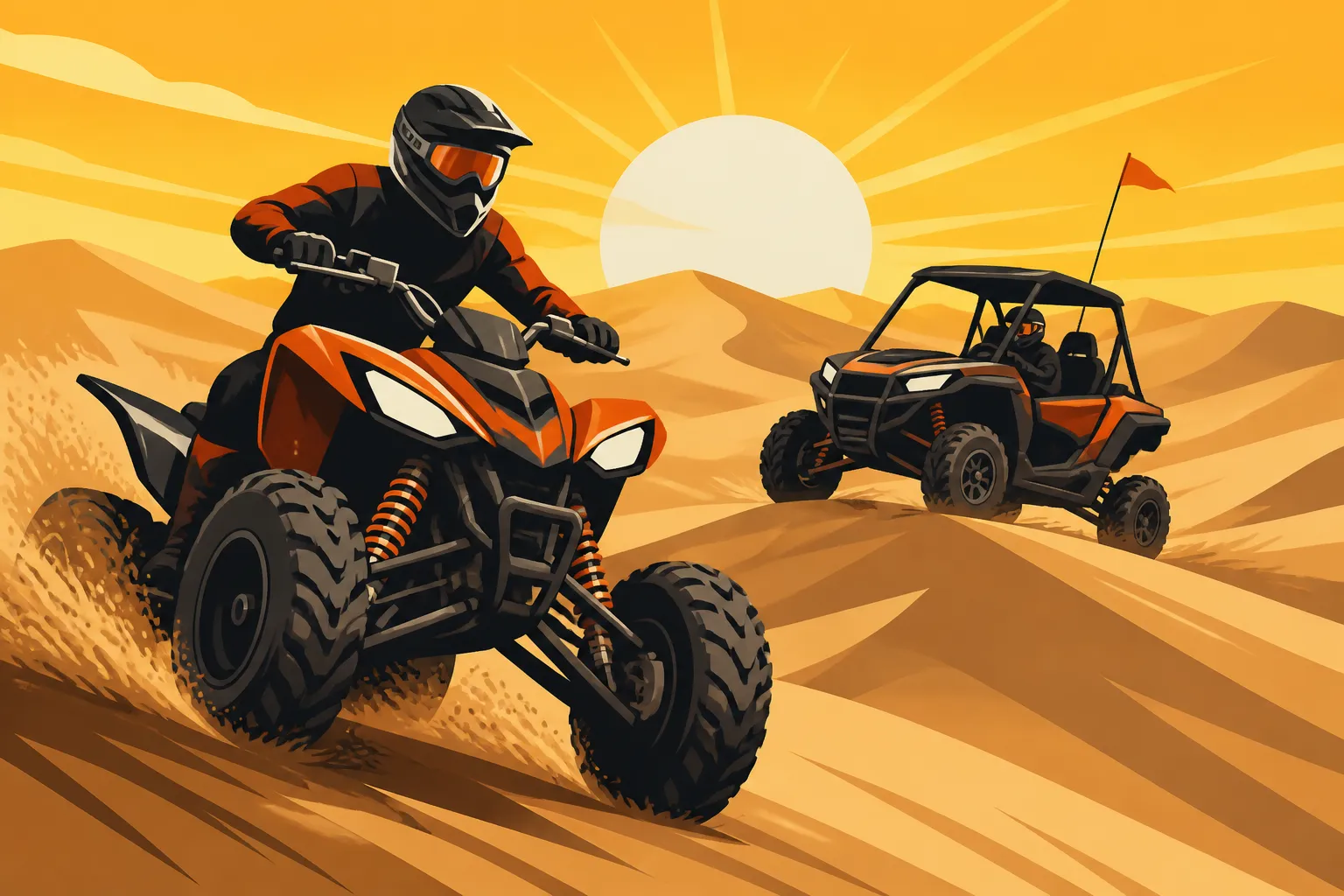
Little Sahara State Park sits near Waynoka in northwestern Oklahoma. Its roughly 1,600 acres of open sand offer a very different kind of ride from the wooded trails, rocky ridges, and red-clay roads found elsewhere in the state. Rather than following a single marked route, riders move across a dune landscape where the terrain itself is the main attraction.
The dunes are often described as rising about 25 to 75 feet. That range can make the area look approachable from the parking or camping areas, but a dune’s shape, slope, and visibility matter as much as its height. A seemingly manageable climb can hide a steep drop on the other side, and the crest can conceal another rider approaching from the opposite direction.
The landscape changes with wind and use. Sand shifts, tracks appear and disappear, and a familiar line may not look the same on a later visit. If you’re used to a fixed trail system, that open terrain can feel disorienting at first. Take time to get your bearings before riding farther into the dunes, and avoid assuming that yesterday’s tracks mark a safe route.
How dune riding differs from trail riding
On a wooded trail, trees and trail edges give you a natural sense of direction. In open sand, sightlines are broader, but it can be harder to judge distance, slope, and speed. You may see another machine without being able to tell how quickly it is moving or which direction it will turn. The open view can create a false sense that every line is clear.
Sand also changes how a machine responds. A quad or side-by-side can feel loose under acceleration, steering may require a lighter touch than on firm ground, and stopping distances can change with the surface and slope. A rider who is comfortable on hard-packed trails may need a little time to adapt. Start slowly, learn how your machine behaves, and leave room for corrections.
If you’re new to the area, ease into the ride rather than following a fast group immediately. Ride with someone who knows the dunes, agree on a meeting point, and make sure every rider understands the plan if the group becomes separated. For a broader look at how sand changes machine handling and ride preparation, see [Oklahoma Dune Riding Explained].
Choosing a machine and planning your ride
Match the machine to the terrain and the rider
A machine that works well on a ranch or wooded trail may need different preparation for soft sand. Before leaving home, check the owner’s manual for maintenance and operation guidance, and make sure the machine is in sound condition. Pay particular attention to tires, brakes, throttle response, steering, cooling, and the condition of any belts or protective components relevant to your model.
Tire choice affects how a machine moves in sand, but there is no single setup that works for every machine and every rider. Some riders use paddle-style tires for dune conditions; others ride with a more general-purpose setup. Consider the manufacturer’s recommendations and ask a qualified mechanic or an experienced rider familiar with your machine before making a change. Avoid copying another rider’s setup without checking whether it suits your vehicle.
Fit the machine to the person operating it. A youth quad should be appropriate for the young rider’s size, experience, and ability to control it—not simply the machine a parent already owns. For a UTV, confirm that each rider has a proper seat and restraint, and don’t add passengers beyond the seating the vehicle was built to carry. A passenger who is shifting around or unable to hold on comfortably can distract the driver at the worst moment.
Build a realistic day plan before you leave
A smooth trip starts well before you reach the dunes. Check the park’s official information for current access, operating details, facilities, and any notices that could affect your plans. Conditions, posted instructions, and available services can change, so don’t rely only on an old social post or a friend’s memory from a previous visit.
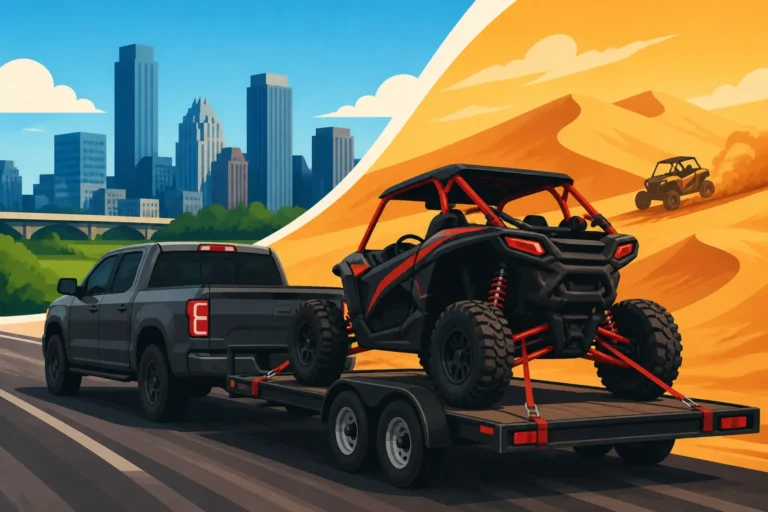
Plan for the whole outing, not just the ride. Think through how you’ll transport the machine, where you’ll park the tow vehicle and trailer, what you’ll need for food and water, and how you’ll keep your group together. If you’re traveling from outside the area, consider fuel stops and the distance between services rather than assuming you can find everything right beside the park.
Navigation tools can be useful for locating your starting point and reviewing the broader area before you leave. onX Offroad can help with route planning and offline map preparation, but it should be treated as a planning aid, not permission to ride anywhere. Follow park signs and directions, respect closures, and don’t use a mapping app to justify leaving the areas open to riding. Download or prepare the information you need before you enter places where your phone may have weak service.
| Planning question | Why it matters | A useful step |
|---|---|---|
| Is the park access information current? | Conditions and instructions can change | Check the park’s official information before traveling |
| Is the machine ready for sand? | Soft terrain can expose mechanical problems | Inspect tires, controls, brakes, and routine maintenance items |
| Does every rider have the right gear? | A missing item can affect safety or access | Check helmets, eye protection, and required equipment before loading |
| Does the group have a plan? | Riders can lose sight of one another in open terrain | Choose a meeting point and agree on who rides together |
| Is there a backup navigation plan? | Phone service and visibility can vary | Prepare maps and keep a simple paper backup if appropriate |
Safety gear and on-site rules
Prepare the whip, flag, and lighting
Open dunes are fun, but they create a visibility problem: a rider climbing one side of a dune may be hidden from someone approaching the crest from the other side. A tall whip and visible flag help make a machine easier to see over the sand. Before your visit, review the park’s current requirements and inspect the entire setup—not only the flag, but also the whip attachment and its stability.
The reference information for this riding area identifies a 10-foot whip requirement and an orange flag requirement. Read the posted instructions carefully to understand how height is measured and what flag dimensions or placement are accepted. The flag should be easy to see, securely attached, and positioned so it is not tangled, folded down, or blocked by cargo. Details matter when several riders are sharing the same terrain.
Lighting is another part of preparation, particularly if your plans include riding when visibility is low. The park’s guidance identifies white lights at the front and red lights at the rear for nighttime dune riding. Check that lights work before leaving camp, and make sure accessories or a loaded rack do not obscure them. For specifics, read [Oklahoma's 10-Foot Whip Rule], [Oklahoma's Orange Flag Requirement], and [Oklahoma Night Lighting on Dunes], then confirm any current on-site instructions.
Make protective equipment part of the checklist
A helmet is one of the most important items to sort out before loading the trailer. Riders under 18 are subject to helmet requirements identified for this riding area, and a properly fitted helmet is sensible protection for adults too. Check the park’s current guidance for standards and any other equipment rules that apply to your group. Don’t leave helmet decisions until you arrive and discover that a rider’s gear is missing, damaged, or the wrong size.
Eye protection helps keep sand and dust out of your eyes, while gloves and appropriate clothing can protect against sun, abrasion, and contact with hot or moving parts. Choose gear that fits comfortably and allows the rider to operate controls without restriction. For children, check fit again as they grow; a helmet that was suitable last season may no longer sit securely.
Pack gear so it is easy to reach before riding, not buried under camping supplies. A quick pre-ride check can catch a loose helmet strap, a damaged goggle strap, or a missing pair of gloves while you’re still at the trailer. If someone in your group is unfamiliar with the machine, take a moment to review the controls and basic operating expectations before moving into busy areas.
Riding safely across the dunes
Set a pace that leaves room to react
Speed is not the only concern on sand. Dune crests limit your view, machines can approach from different directions, and soft terrain can change the way your vehicle turns or slows. Keep a pace that gives you time to respond to what you can see—and what you can’t see yet. Approach a crest cautiously instead of launching over it, and avoid stopping where another rider may be unable to see you.
Give other machines space. Following closely makes it harder to react if the rider ahead slows, gets stuck, or changes direction. On a group ride, leave enough distance to account for dust and reduced visibility. If the group is mixed in experience, let the newer riders set a comfortable pace rather than pressuring them to keep up with the fastest machine.
Take breaks before fatigue affects judgment. Dune riding can be physically demanding even when you’re seated, especially in hot weather or when sand is blowing. Drink water regularly, and pay attention to signs that a rider is overheated, uncomfortable, or no longer focused. A short pause at a safe location is better than pressing on when someone needs rest.
Keep the group together without crowding
Before heading out, decide how the group will handle turns, stops, and separations. A simple plan might be to stop at a designated, visible meeting place if anyone loses sight of the group. Make sure everyone knows who is leading and who is riding at the back, and agree that the group will wait at planned regroup points rather than continuing on and hoping a missing rider catches up.
Avoid forming a tight cluster at a dune crest or in a busy riding area. A group can be easier to keep track of when spaced out, but riders still need to remain visible and communicate clearly. If someone needs to stop, move to a place where the machine won’t block a line of travel or surprise another rider coming over a slope.
Courtesy matters in a shared riding area. Don’t assume other riders know your line, and don’t make a sudden move just because you believe the space is clear. For more on sharing space and behaving considerately, see [Oklahoma Trail Etiquette Locals Expect]. It’s a useful reminder that safe riding depends on the whole group, not just the person with the most experience.
Camping, facilities, and practical logistics
Choose a camping plan that suits your group
Some visitors make Little Sahara a day trip; others turn it into a longer outing. If you plan to camp, look into the park’s available options and current reservation or check-in process before you travel. Facilities, access arrangements, and availability can affect where you set up and how you plan your arrival, particularly when you’re towing a trailer or bringing a larger group.
Think about how far your camping spot is from the vehicle and riding area, and how you’ll manage gear between them. Keep helmets, water, tools, and other essentials organized so they don’t end up scattered across camp. If your group includes young riders, having a consistent place to store equipment can make it easier to check that everyone is ready before each ride.
Don’t assume a campground fee kiosk, office, or service will work exactly as it did on a past visit. Review [Oklahoma Campgrounds With Fee Kiosks] and [How to Reserve a Little Sahara Campsite Online] as starting points, then confirm the current process with the park. If you’re arriving outside typical office hours, make a plan for where you’ll go and what instructions you should follow.
Pack for heat, sand, and a long day
Water deserves a prominent place in your packing plan. Oklahoma heat can make a ride feel harder than expected, and riders often underestimate how much time they’ll spend outside. Bring enough drinking water for the planned outing, keep it accessible, and avoid relying on a single shared container that may be difficult to reach once everyone is geared up.
Sand gets into gear, vehicles, and camp quickly. Keep clean drinking water separate from water used for washing equipment, and bring simple supplies for cleaning goggles and hands. A small set of basic tools and a way to handle minor adjustments can also make a difference, but don’t attempt repairs beyond your skills or equipment. If a machine develops a serious mechanical problem, stop riding and arrange a safe way to recover it.
Make a plan for fuel, food, sun protection, and changing conditions. Keep spare clothing or a light layer where it can be reached, and protect phones and other electronics from sand as much as you can. Before loading up, check that the trailer is secure and that loose items are tied down; a strap or container that shifts on the road can become a bigger problem than the ride itself.
Weather, navigation, and changing conditions
Check conditions before towing
A forecast can shape the entire visit. Strong wind can make sand and dust more troublesome, while rain can alter access and the condition of the area. Check conditions before you leave, but also be prepared to adjust your plan if the weather changes after arrival. If visibility deteriorates or a storm approaches, stopping the ride is a better choice than trying to squeeze in one more run.
A drive to Waynoka can take planning, particularly if you’re towing a machine from elsewhere in Oklahoma. Confirm your route, allow extra time for fuel and stops, and check that your tow vehicle and trailer are ready for the trip. A loose wheel strap or an overloaded trailer is much easier to address in the driveway than on the roadside.
For current terrain and access considerations, consult [Oklahoma Trail Conditions Before You Tow]. A mapping tool such as onX Offroad can help you prepare for the broader journey and organize offline information, but it cannot tell you that every visible track is open or safe. Use official park directions for access and follow posted signs once you arrive.
Use navigation as a backup, not a substitute for judgment
Open dunes can make it difficult to recognize where you are, especially after you’ve ridden away from the starting area. Before setting out, identify a clear return point and make sure everyone knows how to get back to it. If the group is large, establish a simple system for regrouping and keeping track of riders who stop or take a different line.
Phone service may be limited in some riding areas, and a device can run out of power or become difficult to use in sand. Save the information you need before you leave service, protect your phone, and carry a backup that suits your plans. Don’t let navigation distract you while operating a machine; stop in a safe place before checking a screen.
A map can help you understand the area, but the safest route still depends on visibility, terrain, other riders, and posted directions. Avoid crossing a slope or approaching a crest just because a map line appears to lead there. When in doubt, stay with a knowledgeable rider, return to a known point, and ask park staff for guidance when available.
Making the visit work for beginners and families
Give first-time riders a gentler introduction
A first trip to Little Sahara can be memorable without being an all-day test of a new rider’s confidence. Start with the basics: fitting the helmet and other gear, learning the controls, and practicing how the machine responds in sand in a conservative area. Let the rider get comfortable before joining a group or approaching steeper terrain.
Talk about the terrain before the ride. Explain that a dune crest can hide what is on the far side, that another machine may be approaching, and that stopping or turning suddenly can affect the riders nearby. Clear expectations are more useful than vague instructions to “be careful.” Make sure the rider knows how to signal a need to stop and where the group will meet if separated.
Adults can help by riding within sight of a beginner and resisting the urge to turn the outing into a race. A child or first-time adult may need time to understand how sand feels under the tires. Let the rider set a pace that feels manageable, praise sensible choices, and end the ride before tiredness makes learning harder.
Make family logistics part of the riding plan
When children are coming along, plan for more than the ride itself. Bring suitable clothing, snacks, water, and a quiet place to take a break. Keep an eye on sun exposure and fatigue, and make sure children know where to find the responsible adult if the group stops. A family outing tends to go better when the schedule leaves room for rest rather than packing every minute with riding.
Check every child’s gear before leaving camp and again before each ride. Confirm that the helmet fits, the strap is fastened, and the machine is appropriate for the rider. If a child is riding as a passenger, follow the vehicle’s intended seating and restraint setup and the park’s current rules. Never assume that a child can safely ride on a machine simply because there is room to sit.
Set boundaries that are easy to follow: who may ride, where the group will go, when everyone must regroup, and what to do if a machine stops. Those rules can feel a little formal before the ride, but they reduce confusion once everyone is spread across open terrain. A clear plan lets families enjoy the dunes without relying on last-minute shouting or guesswork.
Frequently asked questions about Little Sahara
Is Little Sahara suitable for beginners?
It can be, if a beginner has an appropriately sized machine, suitable gear, patient supervision, and a conservative plan. Open sand is different from a hard trail, and dune crests create visibility risks. New riders should learn how their machine behaves on sand before following faster or more experienced riders.
A first visit doesn’t need to involve the steepest dune or the longest ride. Start with a familiar adult or experienced companion, set a pace that leaves time to react, and take breaks. If the rider feels overwhelmed, returning to camp is a sensible decision—not a failed outing.
What should I check before bringing an ATV or UTV?
Confirm the park’s current rules and access information, then inspect the machine and safety equipment. Review tire condition, steering, brakes, controls, lighting, and any dune-specific equipment required by the park. For UTVs, check seat belts and make sure every passenger has an intended seat.
Also check how you’ll transport and secure the machine, where you’ll get fuel, and whether your camping or day-use plan fits the park’s current arrangements. The details can vary by visit, so a pre-trip check is more reliable than assuming everything is unchanged from the last time you went.
Can I ride at night?
The reference information for the park describes dune areas as open around the clock and identifies lighting requirements for night riding. However, don’t treat that as permission to ignore posted instructions or current park notices. Confirm access and lighting rules directly before planning an after-dark ride, and consider whether your group has the experience and equipment to manage reduced visibility safely.
If you plan to ride after dark, make sure the machine’s lights work and are not blocked, and that the required whip and flag are visible. Night riding makes it harder to judge slopes and identify other machines, so keep speeds conservative and stay with riders who know the area. See [Oklahoma Dune Areas Open Around the Clock] for more context, and verify the details before you go.
Is it worth making Little Sahara an overnight trip?
An overnight visit can give you more time to get settled, ride at a relaxed pace, and avoid squeezing everything into one day. It may be a good fit for visitors towing from a distance or families who want time to rest between rides. The tradeoff is extra planning: campsite availability, packing, food, water, and equipment storage all become part of the trip.
Before booking or setting out, check current campground details and prepare for the possibility that your preferred setup is unavailable. Bring only the equipment you can manage comfortably, and keep safety gear easy to access. Whether you visit for a day or overnight, a little preparation makes it easier to focus on the ride rather than solving avoidable problems at the last minute.
Disclaimer
This article is for general informational purposes only and does not constitute professional advice. Laws, prices and regulations vary by location and change over time. Consult a qualified professional for guidance on your specific situation.