Oklahoma Rules for a Teen Rider
Riding an ATV or UTV in Oklahoma can be an incredible adventure, offering freedom and excitement on trails, dunes, and working on the family land. But if you're a teenager, or a parent of one, trying to figure out the exact rules can feel like navigating a maze blindfolded. It's not always clear what age limits apply, where you can ride, and what gear is absolutely necessary. This guide aims to clear up all that confusion, breaking down Oklahoma's specific rules for teen riders so you can ride safely and legally, without any unexpected surprises.
The Core Age Rules for Teen Riders on Oklahoma ATVs and UTVs
It’s completely understandable to feel a bit overwhelmed when you start looking into the legalities of riding an ATV or UTV, especially when you’re a teen or guiding one. There's a common misconception that if you own the machine, you can just hop on and go, but Oklahoma has some pretty specific age requirements that need to be followed to keep everyone safe and legal. These aren't just suggestions; they're the law, and they vary depending on where you plan to ride.
Minimum Age for Operation
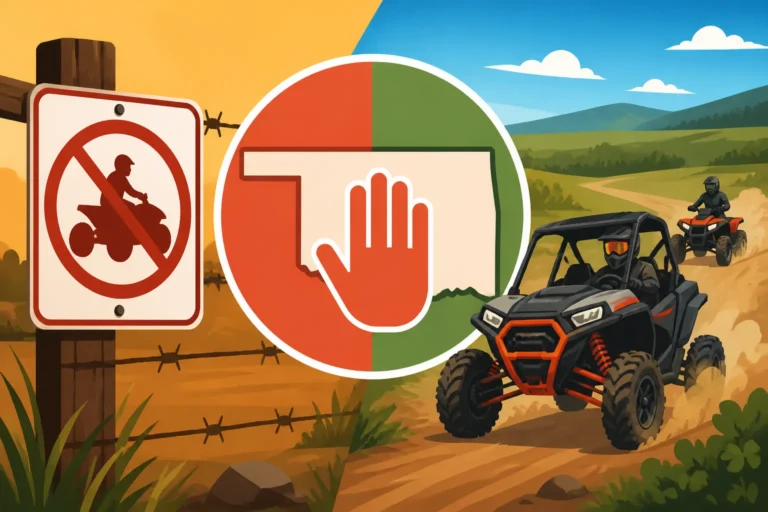
Let's get straight to it: Oklahoma law generally says that no one under the age of 14 can operate an ATV on public lands or properties that aren't specifically designated for off-road use. This means if you're cruising through a state park's OHV area, for example, and you're 13, you're technically not allowed to be the one behind the handlebars. However, the nuances here are important. For example, on private property, like your family's farm or a friend's sprawling ranch, these specific age restrictions often don't apply directly in the same way. It's more about the landowner's rules and parental discretion. This is a common point of confusion, because while state law focuses on public access, many teens do ride younger on private land. It's crucial for parents to understand this distinction and set appropriate rules for their own property, ensuring the rider has the skill and maturity for the machine they're on. Remember, safety always comes first, regardless of the legal age on private land. For public land rules, always double-check the specific park or WMA's regulations, as they can sometimes have additional requirements or recommendations beyond state statutes.
The Role of Supervision and Permission
Even if a teen rider meets the minimum age requirement for public land, supervision often plays a critical role, especially for younger teens. For riders aged 14 to 15, there are often requirements for adult supervision, particularly in designated riding areas. This isn't just about having an adult present; it often means an adult who is actively overseeing the riding activity and capable of intervening if needed. On private land, the supervision aspect falls squarely on the shoulders of parents or legal guardians. It's their responsibility to ensure the teen is riding safely, understands the machine's capabilities, and respects the land. This includes everything from enforcing speed limits to ensuring they don't ride beyond their skill level.
It's also vital to remember that permission is key. Whether it's a parent giving permission to ride on private land, or a public park requiring specific permits and adherence to their posted rules, a teen rider must always have the proper authorization. Ignoring these rules can lead to serious legal consequences, not just for the teen, but for the supervising adult or landowner as well. Before any ride, especially if it's not on your own land, clarify who needs to give permission and what restrictions might be in place. [Oklahoma ATV Age Requirements] often touch on these specifics, making it clear that age isn't the only factor.
Mandatory Helmet Use for Oklahoma's Young Riders
Let's be frank: helmets can sometimes feel like a hassle, especially on a hot day, and for a teen, anything "mandatory" might be met with an eye-roll. But when it comes to riding ATVs and UTVs in Oklahoma, the helmet law for young riders isn't just a suggestion; it's a non-negotiable legal requirement designed to protect lives. The statistics on head injuries in off-road accidents are sobering, and a helmet is the single most effective piece of gear to prevent severe trauma.
What the Law Says About Helmets
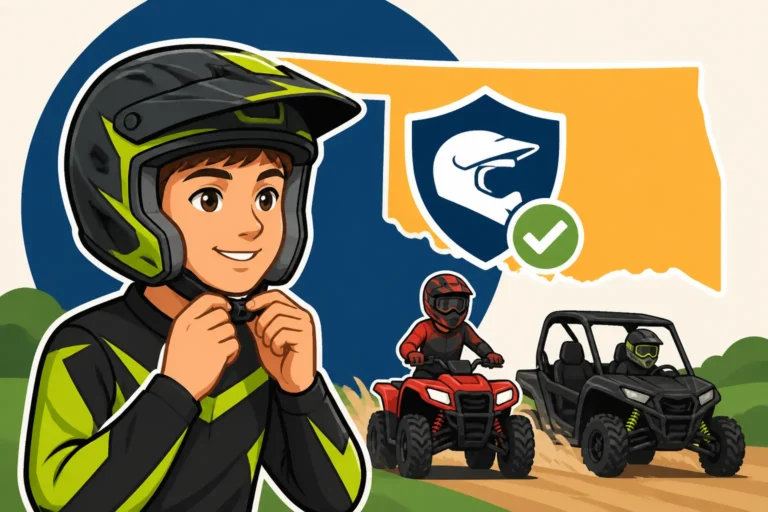
Oklahoma law is crystal clear: any person under the age of 18 operating or riding as a passenger on an ATV or UTV must wear a helmet. This applies regardless of where you're riding—whether it's on public trails, private property, or crossing a county road. There's no gray area here. If you're 17, you need a helmet. If you're 12, you need a helmet. And if you're a parent letting your child ride without one, you could face penalties. This law isn't about curbing fun; it's about protecting the most vulnerable part of a rider's body. A proper helmet absorbs impact, preventing concussions, skull fractures, and other devastating head injuries that can have lifelong consequences. It’s not just about avoiding a ticket; it's about coming home safe. When looking for a helmet, make sure it meets federal safety standards like DOT (Department of Transportation). This ensures it has been tested and certified to provide adequate protection. [Oklahoma ATV Helmet Law Age] and [Oklahoma Helmet Standards for Young Riders] delve deeper into these crucial regulations.
Other Essential Safety Gear for Teens
While the helmet is paramount, it's really just the starting point for a comprehensive safety setup. Beyond the helmet, teens should be equipped with a range of protective gear to minimize the risk of injury. This includes:
- Eye Protection: Goggles or a full-face helmet with a visor are crucial to protect against dust, debris, insects, and low-hanging branches. Even a small piece of gravel kicked up by another rider can cause serious eye injury.
- Over-the-Ankle Boots: Sturdy boots provide ankle support and protection from hot engine parts, rocks, and other hazards. Regular sneakers simply won't cut it for the demands of off-road riding.
- Long Pants and Long-Sleeved Shirt: Even in warm weather, long pants and shirts made of durable material (like denim or specialized riding gear) help protect skin from abrasions, scrapes, and sun exposure. Some riders opt for chest protectors, elbow pads, and knee pads, which are excellent additions, especially for more aggressive riding or difficult terrain.
- Gloves: Riding gloves offer better grip, reduce blisters, and protect hands from branches and impacts.
Thinking about upgrading your machine or adding some extra protection? Companies like SuperATV offer a range of accessories, from durable windshields to full cabs and robust skid plates, which can further enhance safety and comfort, especially if you're using a UTV for utility or trail riding. Investing in good gear is just as important as maintaining the machine itself. These items, combined with responsible riding practices, create a much safer environment for teen riders to enjoy their off-road experiences.
Road Riding and Public Land Access for Oklahoma Teens
This is where things can get particularly tricky and confusing for many riders, especially teens who might see a paved road as a shortcut to the next trail or even a way to get around town. Oklahoma's laws are very specific and, frankly, quite restrictive when it comes to operating ATVs and UTVs on public roads. It's a common area for missteps, and a place where a lack of understanding can quickly lead to a citation or, worse, an accident.
Very Limited Road Access for Off-Road Machines
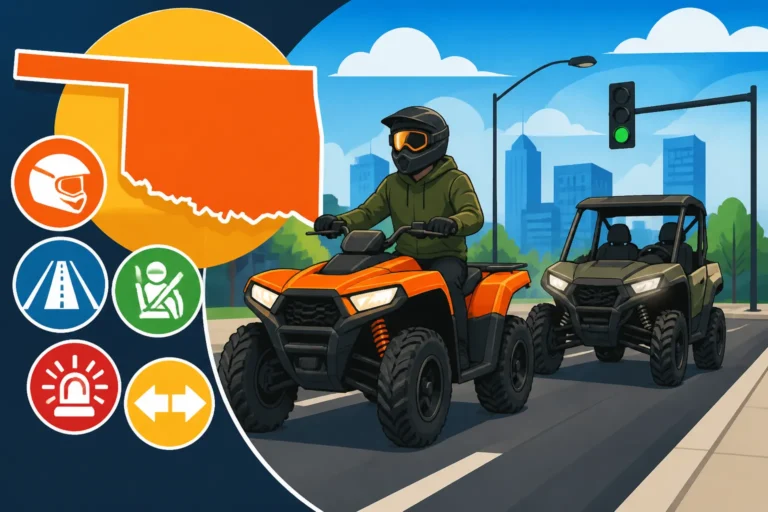
The general rule in Oklahoma is that ATVs and UTVs are not street legal. This means you cannot just drive them down the street to a friend's house, to the local store, or even on most county roads. These machines are designed for off-road use, not for sharing the pavement with cars and trucks. The exceptions are very few and specific:
- Crossing a Road: You may be able to cross a public road, but only at a 90-degree angle, in daylight, and where it's safe to do so. The speed limit on that road also often plays a role; typically, it's permitted on roads with a posted speed limit of 35 mph or less. This is for brief crossings, not for traveling any distance down the road. [Oklahoma Rules for Crossing a Highway] lays out the specifics here.
- Agricultural or Utility Use: There are some allowances for using ATVs/UTVs on public roads for agricultural purposes or for specific utility operations, but these are highly conditional and require the machine to be used strictly for that purpose. This isn't a loophole for joyriding.
- Specific Local Ordinances: Some smaller towns or counties might have local ordinances that permit ATV/UTV use on certain low-traffic roads. However, these are rare and highly localized. You absolutely cannot assume this is the case without verifying it directly with the local municipality. You must check with the local government or sheriff's office for explicit permission.
For a teen rider, this means the vast majority of public roads are off-limits. If you're pulled over while illegally riding on a road, [Oklahoma Park Rangers as Enforcers] and other law enforcement can issue tickets, and the penalties can include fines, court costs, and even the impoundment of the machine. It’s simply not worth the risk. Stick to designated off-road areas. [Oklahoma Rules for Riding a County Road] is another resource that clarifies these strict limitations.
Rules for Riding in Oklahoma's Parks and WMAs
While public roads are largely a no-go, Oklahoma offers some fantastic public lands specifically for ATV and UTV enthusiasts. These include state parks with OHV areas and Wildlife Management Areas (WMAs). However, even in these designated zones, there are rules, and teens need to be aware of them.
- Designated Trails Only: In places like Little Sahara State Park or Robbers Cave OHV Area, you must stick to marked trails and riding zones. Going off-trail can damage fragile ecosystems, disrupt wildlife, and lead to fines. These areas are carefully managed to balance recreation with environmental protection.
- Safety Requirements: Beyond the mandatory helmet for riders under 18, many parks have additional safety requirements. Little Sahara, for instance, requires a 10-foot whip and an orange flag on all machines for visibility in the dunes. Check the specific park's rules before you load up and go.
- Permits and Fees: Accessing these areas often requires permits or day-use fees. For WMAs, there might be specific land access permits required, and often, riding is only allowed during certain seasons (like hunting season) and restricted to designated roads. [Oklahoma Landowner Permission Rules] often apply to these public areas, emphasizing that even "public" land has an owner (the state) with specific rules.
- Age and Supervision: Even within these areas, the general age rules and supervision requirements mentioned earlier still apply. A 14-year-old on a public trail needs to meet the legal criteria and might need adult supervision.
- Respecting Others: These public lands are shared spaces. Teens (and all riders) should practice good trail etiquette: yield to slower riders, avoid excessive noise, and always pack out what you pack in.
If you're looking for places to ride your UTV, [Oklahoma Trails That Allow Side-by-Sides] is a great resource to find legal and fun riding spots. Remember, the key to an enjoyable and legal riding experience on public lands is to do your homework and respect the rules.
Street-Legal UTVs and Teen Drivers in Oklahoma
Here's where another layer of complexity comes in. Oklahoma does have a class for "street-legal UTVs," which can be confusing because earlier, we said ATVs and UTVs aren't street legal. The difference is crucial: a standard off-road UTV is not street-legal. A street-legal UTV is a machine that has been specifically modified and registered to meet state requirements for road use, similar to a car. These modifications include things like turn signals, mirrors, a horn, and proper lighting. This distinction is paramount, especially for teen riders.
Driving a Street-Legal UTV as a Teen
If a UTV has been properly converted to be street-legal and has received a special road plate, then the rules for who can drive it on public roads change significantly. For these specifically designated street-legal UTVs, the driver must:
- Be at least 16 years old: This is a firm age requirement, just like driving a car. A 15-year-old with a learner's permit cannot drive a street-legal UTV on public roads. [Oklahoma Street UTV Drivers Must Be 16 for a Street UTV] emphasizes this.
- Possess a valid driver's license: A standard Class D driver's license (the same one you use for a car) is required. You do not need a special motorcycle endorsement.
- Have insurance: The street-legal UTV must be covered by liability insurance, just like any other vehicle on the road.
- Adhere to all traffic laws: This means obeying speed limits, traffic signals, stop signs, and all other rules of the road.
- Follow specific road restrictions: Even street-legal UTVs generally cannot be driven on interstates or, in many cases, on U.S. highways. They are primarily intended for secondary roads, county roads, and city streets where local ordinances permit.
Parents, it's vital to ensure that if your teen is operating a street-legal UTV, they understand these rules completely. This isn't just about fun; it's about navigating complex traffic situations safely and legally. The machine may look like a UTV, but on the road, it's treated much more like a small car, with all the responsibilities that come with it. Many teens love customizing their UTVs, and while SuperATV offers performance parts, they also provide street-legal conversion kits that include mirrors, turn signals, and horns – all the crucial components needed to meet these road requirements.
The Importance of Knowing Local Ordinances
Even with a fully street-legal UTV and a licensed teen driver, local rules can still add another layer of complexity. While state law allows for street-legal UTVs, individual cities and counties retain the right to restrict or prohibit their use on local streets.
For example, one county might welcome street-legal UTVs on its county roads, while the adjacent county might have an ordinance specifically banning them. Similarly, a small town might allow them on certain streets, but a larger city like Oklahoma City or Tulsa might have strict prohibitions.
Before letting a teen drive a street-legal UTV on any public road, it is absolutely essential to:
- Check with the local municipal government: Call the city clerk's office or the county commissioner's office to inquire about any specific ordinances regarding street-legal UTVs.
- Look for posted signs: Some areas will have signs indicating whether UTVs are permitted or prohibited.
- Understand the boundaries: Know exactly which roads are permissible and which are not. Crossing into an prohibited zone, even by accident, can lead to a ticket.
This due diligence is critical. A street-legal UTV might be perfectly legal in one area but instantly illegal just a few miles down the road. For parents and teens, this means that every new area requires a quick check of the local rules. Don't assume; always verify. [Oklahoma Street Legal UTV Requirements] goes into further detail about what makes a UTV eligible for road plates, but the local ordinance check remains paramount for actual road use.
Summary of Oklahoma ATV & UTV Rules for Teen Riders
To help clarify the various rules and distinctions for teen riders in Oklahoma, here's a quick reference table. Please remember, this is a general guide; always verify specific rules with local authorities or park management before riding.
| Rule Category | ATVs/Standard UTVs (Off-Road) | Street-Legal UTVs (Road-Plated) |
|---|---|---|
| Minimum Age | 14 years old for public lands (with supervision often req. for 14-15) | 16 years old for public roads |
| Driver's License | Not required for off-road use | Required (standard Class D) |
| Helmet Law (<18) | MANDATORY for all riders and passengers under 18 | MANDATORY for all riders and passengers under 18 |
| Public Road Access | Generally NOT permitted (except brief crossings, farm use) | Permitted on approved roads (no interstates/US highways) |
| Insurance | Not state-mandated for off-road use | MANDATORY for road use (liability) |
| Supervision | Often required for younger teens (14-15) on public lands | Not explicitly required if licensed, but highly recommended by parents |
| Required Equipment | Spark arrestor | Turn signals, mirrors, horn, lights, DOT tires |
| Local Ordinances | Can restrict or open county/city roads for specific purposes | CRITICAL to check as local bans can override state permission |
This table should give you a clear overview of the different sets of rules that apply. Whether you're hitting the trails on your quad or considering a street-legal side-by-side, understanding these distinctions is key to a safe and legal ride.
Disclaimer
This article is for general informational purposes only and does not constitute professional advice. Laws, prices and regulations vary by location and change over time. Consult a qualified professional for guidance on your specific situation.