Oklahoma Park Rangers as Enforcers
Riding an ATV or UTV in Oklahoma offers incredible freedom, from the sandy dunes of Little Sahara to the dense woods of the Ouachita National Forest. But with that freedom comes a set of rules, and sometimes, it can feel incredibly confusing figuring out who's actually enforcing them. Many riders assume it's always the local sheriff or a state trooper, but a significant force often overlooked, especially when you're deep in the trails or camping at a state park, is the park ranger. This guide will clarify the important role park rangers play in enforcing off-road vehicle laws, what their authority covers, and what you need to know to ensure a smooth and enjoyable ride.
The Overlapping Jurisdictions of Oklahoma's Off-Road World
Oklahoma's vast and varied landscape means that enforcement of ATV and UTV laws isn't a one-size-fits-all situation. Depending on where you're riding—be it a dedicated state park, a wildlife management area, or even a local county road—you might encounter different authorities, each with their own specific purviews and priorities. It's a common frustration for riders to wonder who they should be listening to, or whose rules apply.
Who Exactly Enforces ATV and UTV Laws?
When you head out on your machine, you could potentially interact with several different types of law enforcement. First, there are the local authorities: county sheriffs and city police departments. They primarily enforce traffic laws on public roads and respond to incidents within their jurisdictions. Then, you have the Oklahoma Highway Patrol (OHP), who are often seen on state highways but also play a role in accident investigations and serious traffic violations, even sometimes on county roads where ATVs might operate.
Beyond these, Oklahoma has its dedicated natural resource enforcement. Game Wardens, employed by the Oklahoma Department of Wildlife Conservation, are focused on protecting wildlife and natural resources, enforcing hunting, fishing, and boating regulations. However, if your ATV use interferes with these resources or you're operating illegally in a Wildlife Management Area (WMA), they absolutely have jurisdiction. And then there are park rangers, typically employed by the Oklahoma Tourism and Recreation Department for state parks, or sometimes by federal agencies for national forests or corps of engineer lands. Their domain is often specific to the boundaries of the park or managed land, and their focus is on visitor safety, rule compliance, and resource protection within those areas.
Why Multiple Agencies Matter to Riders
The presence of multiple agencies means that while the core state laws regarding ATVs and UTVs remain constant, the emphasis and interpretation of those laws can vary. A county sheriff might be concerned with noisy machines on a section line road, while a Game Warden in a WMA is looking for unauthorized off-trail riding during deer season. A park ranger at Little Sahara, on the other hand, is meticulously checking for required safety equipment like whips and flags.
This layered enforcement can lead to confusion. For instance, you might have registered your ATV with the state, paying [Oklahoma ATV Registration Cost], but then arrive at a state park and find additional permit requirements or specific equipment rules. It's not that the state registration is invalid; it's that the park has its own layer of regulations on top. Understanding this multi-jurisdictional reality is crucial for riders to avoid unintended violations and ensure a hassle-free experience. Knowing [Oklahoma Registration Before Your First Ride] is key, but so is checking the specific rules of your destination.
Oklahoma Park Rangers: More Than Just Gatekeepers
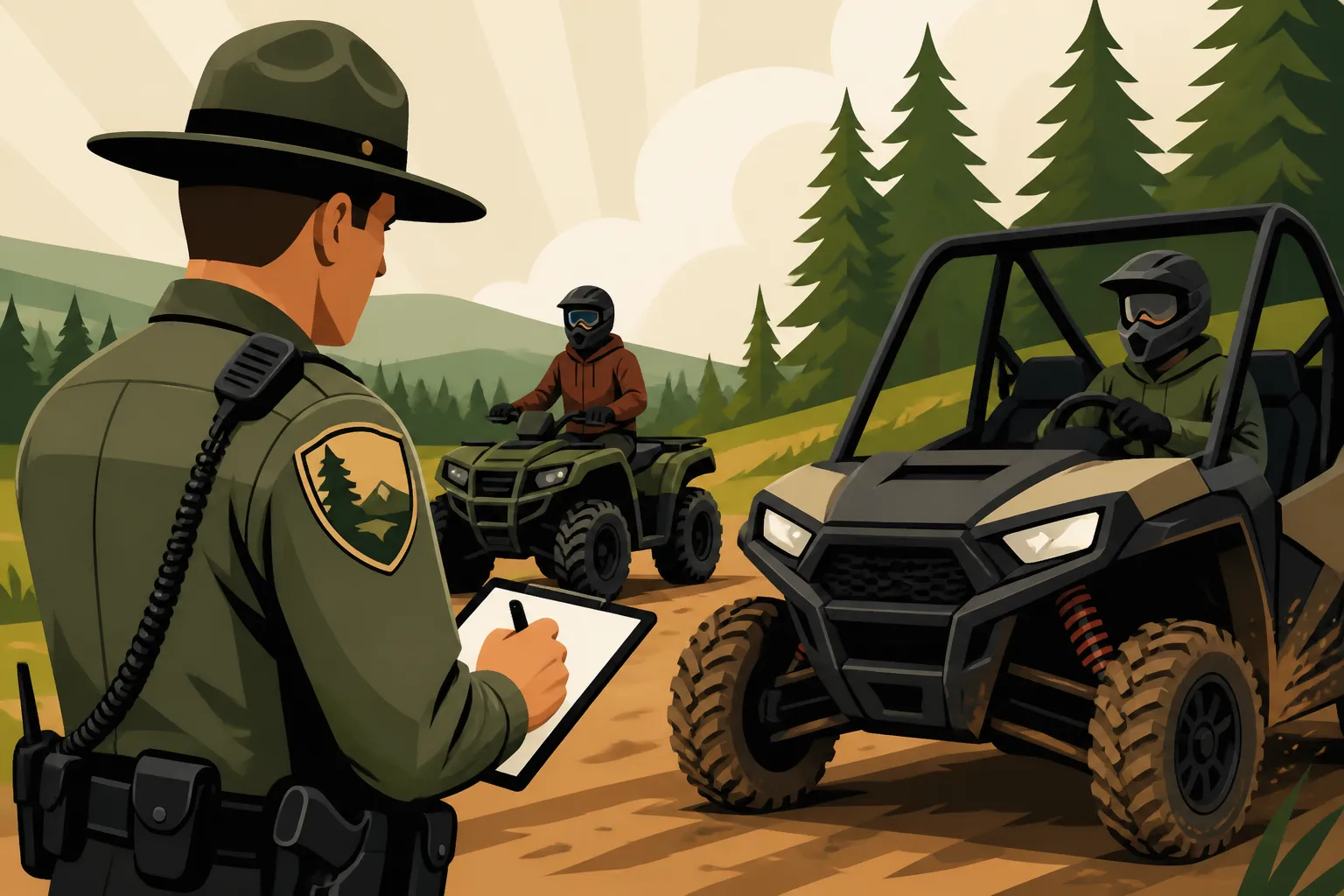
For many riders, the image of a park ranger might be someone who checks your permit at the gate or points you towards the best hiking trail. While they certainly do that, Oklahoma park rangers, especially those in areas with significant off-road activity, are fully commissioned law enforcement officers with the authority to issue citations, make arrests, and ensure compliance with park regulations and state laws. They are not merely advisors; they are enforcers.
Where Park Rangers Have Authority
Park rangers typically exercise their authority within the boundaries of state parks, recreation areas, and other lands managed by state or federal agencies. Think about places like Little Sahara State Park, Robbers Cave State Park's OHV area, or state park campgrounds that border WMA lands. They are the frontline responders for incidents within these specific zones. For example, at Little Sahara, a park ranger is the primary authority ensuring everyone has their [Oklahoma's 10-Foot Whip Rule] and orange flag properly displayed.
Their jurisdiction is geographically defined, meaning they focus intensely on the rules governing their specific piece of land. This hyper-local focus allows them to become experts in the unique challenges and needs of their parks, from dune safety protocols to trail preservation. They know the terrain, the common trouble spots, and the specific behaviors that can lead to safety hazards or environmental damage within their park. This often means they have a much deeper understanding of off-road vehicle specifics than a general patrol officer might.
What Violations Park Rangers Can Address
Park rangers are empowered to address a wide array of violations related to off-road vehicles. This includes enforcing rules specific to the park, such as speed limits within campgrounds, designated riding areas, and noise ordinances. They'll also check for mandatory safety equipment like helmets for riders under 18, which is a state law, and park-specific items like whip flags. [Oklahoma Helmet Law for Riders Under 18] is not just a suggestion; it's a rule enforced by rangers.
Beyond safety and equipment, rangers are vigilant about compliance with permit requirements. At parks like Little Sahara, failure to have a valid day pass or annual pass can lead to a citation. In WMA-adjacent lands, rangers might work with Game Wardens to ensure riders have the proper [Oklahoma Land Access Permits Explained] for the specific season and area. They also address environmental violations like littering, damage to sensitive habitats, and illegal dumping. Furthermore, if a ranger observes reckless operation, impaired riding, or other behaviors that endanger visitors or resources, they have the authority to intervene, issue citations, or even make arrests for more serious offenses, just like any other law enforcement officer.
Common Scenarios Where a Park Ranger Steps In
To give you a better idea of what to expect, let's look at some common situations where you might find yourself interacting with a park ranger regarding your ATV or UTV. These aren't meant to scare you, but rather to prepare you to be a responsible and informed rider.
Permit Checks and Land Access Compliance
One of the most frequent interactions riders have with park rangers involves permits and access. You pull into a popular riding area, perhaps Little Sahara, and a ranger might be stationed at the entrance, or patrolling inside. They're looking for proof that you've paid your [Oklahoma Little Sahara Day Fees] or have an annual pass. This isn't just about collecting money; it's about managing the resources and ensuring fair use.
Similarly, if you're riding in Honobia Creek WMA or Three Rivers WMA, managed timber lands that allow ATVs during specific seasons, rangers (often in conjunction with Game Wardens) will check for your [Oklahoma Permits for Honobia Creek] or [Oklahoma Permits for Three Rivers]. These areas have specific rules, such as designated roads only or particular hunting season access, and rangers are there to ensure these rules are followed to protect both the natural environment and other users. Imagine setting up camp in a non-designated area, or riding off-trail in a sensitive zone – that's when a ranger will definitely step in to educate and, if necessary, enforce.
Safety Violations and Equipment Requirements
State parks and OHV areas often have very specific safety requirements designed to prevent accidents and protect riders. Rangers are keenly aware of these. At Little Sahara, for instance, a ranger might stop you to ensure your machine has the required [Oklahoma's Orange Flag Requirement] attached to your whip. They're also checking that all riders under the age of 18 are wearing a helmet that meets federal safety standards, no matter if they are on a quad or inside a UTV.
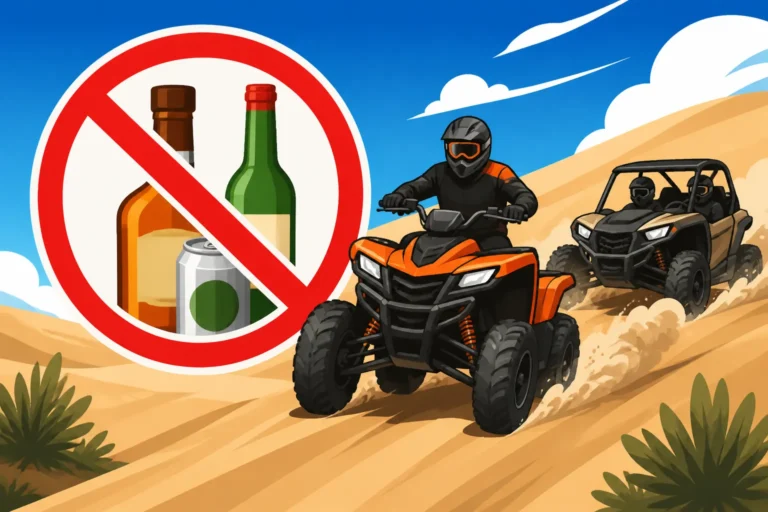
Beyond specific equipment, rangers monitor riding behavior. Excessive speed in designated slow zones, riding in restricted areas, or operating a machine in a reckless manner are all things that will get a ranger's attention. They are focused on preventing serious injuries and maintaining a safe environment for all visitors. This includes checking for things like proper lighting if you're riding after dark in an open area like the dunes, as well as enforcing bans on alcohol in certain public riding areas.
The Limits of Park Ranger Authority and Your Rights
While park rangers are bona fide law enforcement officers, like any authority, their power has limits, and you, as a citizen, have rights. It's important to understand this balance, not to challenge authority, but to ensure fair treatment and to know when additional legal counsel might be appropriate.
Distinguishing Between a Citation and an Arrest
Most interactions with a park ranger, particularly for minor off-road infractions, will result in a citation—a ticket that requires you to pay a fine or appear in court. This could be for riding without a proper permit, lacking required safety equipment, or minor behavioral violations like speeding in a posted zone within the park. These are usually considered misdemeanors or infractions, similar to a traffic ticket.
However, park rangers also have the authority to make arrests for more serious offenses. This includes situations like driving under the influence (DUI) of alcohol or drugs, assault, significant property damage, or any criminal activity that occurs within their jurisdiction. If you're arrested, you'll be taken into custody, processed, and likely transported to a county jail. The key takeaway here is that a park ranger's authority isn't limited to just writing warnings; they can and will escalate to arrest if the situation warrants it.
When Other Agencies Get Involved
While park rangers are the primary enforcers within their specific areas, they often work in conjunction with other law enforcement agencies. For instance, if a serious accident occurs at a state park, the OHP might be called in to conduct the accident investigation due to their specialized training. If a ranger suspects a felony has occurred, such as grand theft of an ATV or a serious assault, they would likely involve the local county sheriff's office or even the Oklahoma State Bureau of Investigation (OSBI).
Game Wardens are frequently partners with park rangers on lands managed for wildlife, especially in WMAs, where hunting and fishing laws intertwine with ATV access rules. So, while a park ranger might initiate contact, they have the ability to call in support or transfer jurisdiction to the most appropriate agency depending on the nature and severity of the incident. This collaborative approach ensures that all relevant laws are enforced and that incidents are handled by officers with the most pertinent expertise.
Navigating an Encounter with a Park Ranger
No one wants to get a ticket, especially when you're out trying to relax and enjoy the trails. Knowing how to conduct yourself during an interaction with a park ranger can make a big difference in the outcome and your overall experience.
Staying Respectful and Cooperative
The most important advice when a park ranger approaches you is to remain calm, respectful, and cooperative. Pull over safely if you are riding, turn off your engine, and keep your hands visible. A park ranger, like any law enforcement officer, appreciates clear communication and a non-confrontational attitude. They are doing their job to enforce rules designed for safety and resource protection.
When asked for identification, your ATV registration, or any required permits, provide them promptly. If you're unsure about a rule or why you're being stopped, ask polite, clear questions. Engaging in arguments, becoming defensive, or trying to evade a stop will only complicate the situation and potentially lead to more severe consequences. Remember, a ranger has a job to do, and your cooperation can often lead to a smoother, quicker interaction, or even just a warning rather than a citation, especially for minor infractions. Sometimes, they might just be checking if you have the right [Oklahoma Decals on the Front of a Machine] or a general safety check.
Knowing Park-Specific Rules Before You Ride
The absolute best way to navigate an encounter with a park ranger is to avoid issues in the first place by being prepared. Before you even load up your machine, do your homework on your destination. Every state park, WMA, or designated riding area usually has specific rules and regulations that go beyond general state law. A quick search online for "Little Sahara State Park ATV rules" or "Robbers Cave OHV Area regulations" can save you a lot of hassle.
Look for information on required permits, specific safety equipment (like whips and flags for dunes), age restrictions for certain trails, designated riding hours, noise limits, and alcohol policies. Many parks even have their own trail maps that clearly mark permitted riding areas versus restricted zones. Remember, even if your machine is fully [Oklahoma Street-Legal UTV Requirements] and plated, those rules might not apply within a specific off-road park where different regulations take precedence. Being informed about the unique rules of your chosen riding spot will not only help you avoid a citation but will also ensure a safer and more enjoyable experience for everyone on the trails.
Table: Key Roles of Oklahoma Enforcement Agencies for ATVs/UTVs
| Agency | Primary Jurisdiction | Key ATV/UTV Focus | Common Locations |
|---|---|---|---|
| Park Rangers | State Parks, Managed Recreational Lands | Park-specific rules, permits, safety gear, resource protection, noise, designated riding areas, alcohol bans | Little Sahara, Robbers Cave OHV Area, State Park Campgrounds |
| Game Wardens | Wildlife Management Areas (WMAs), Hunting/Fishing Areas | WMA access permits, hunting season rules, off-trail riding, resource damage, noise | Honobia Creek, Three Rivers, other WMAs |
| County Sheriffs | County Roads, Unincorporated Areas | Road use laws (where permitted), reckless operation, noise, incident response, DUI | Rural roads, section lines |
| Oklahoma Highway Patrol (OHP) | State Highways, Major Roads, Accident Scenes | Serious traffic violations, accident investigations, DUI, criminal acts | State highways (especially if ATV enters), major incident scenes |
Navigating the rules and regulations for ATVs and UTVs in Oklahoma can feel like a maze, but understanding the role of park rangers is a huge step in the right direction, especially for those who frequent state parks and managed riding areas. They are there to ensure everyone has a safe and enjoyable time while protecting the precious natural resources we all love to explore. Ride smart, be prepared, and enjoy all that Oklahoma has to offer!
Disclaimer
This article is for general informational purposes only and does not constitute professional advice. Laws, prices and regulations vary by location and change over time. Consult a qualified professional for guidance on your specific situation.