Oklahoma Helmet Standards for Young Riders
There's nothing quite like the thrill of exploring Oklahoma's diverse landscapes on an ATV or UTV, but for parents, that excitement often comes with a healthy dose of worry, especially when it comes to keeping our youngest riders safe. Navigating the rules and recommendations for helmets can feel like a maze, leaving many wondering if they're doing enough. This guide is here to cut through the confusion, clarify Oklahoma's specific helmet standards for young riders, and help you ensure every adventure is as safe as it is fun.
The Core Oklahoma Helmet Law for Young Riders
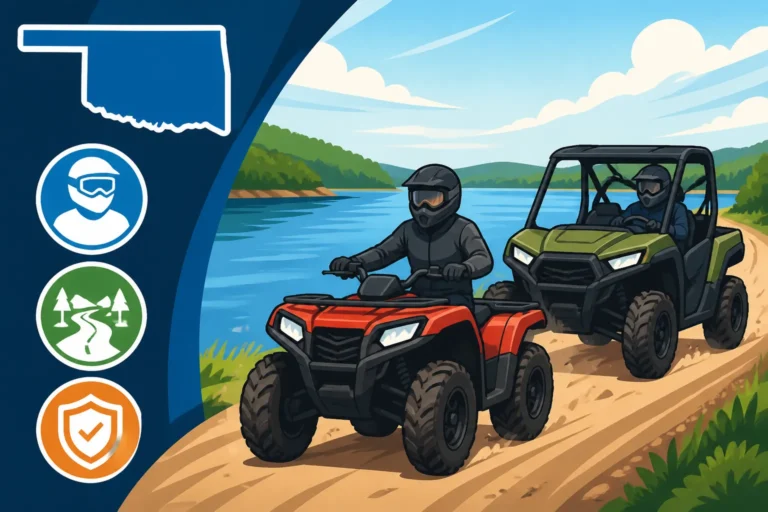
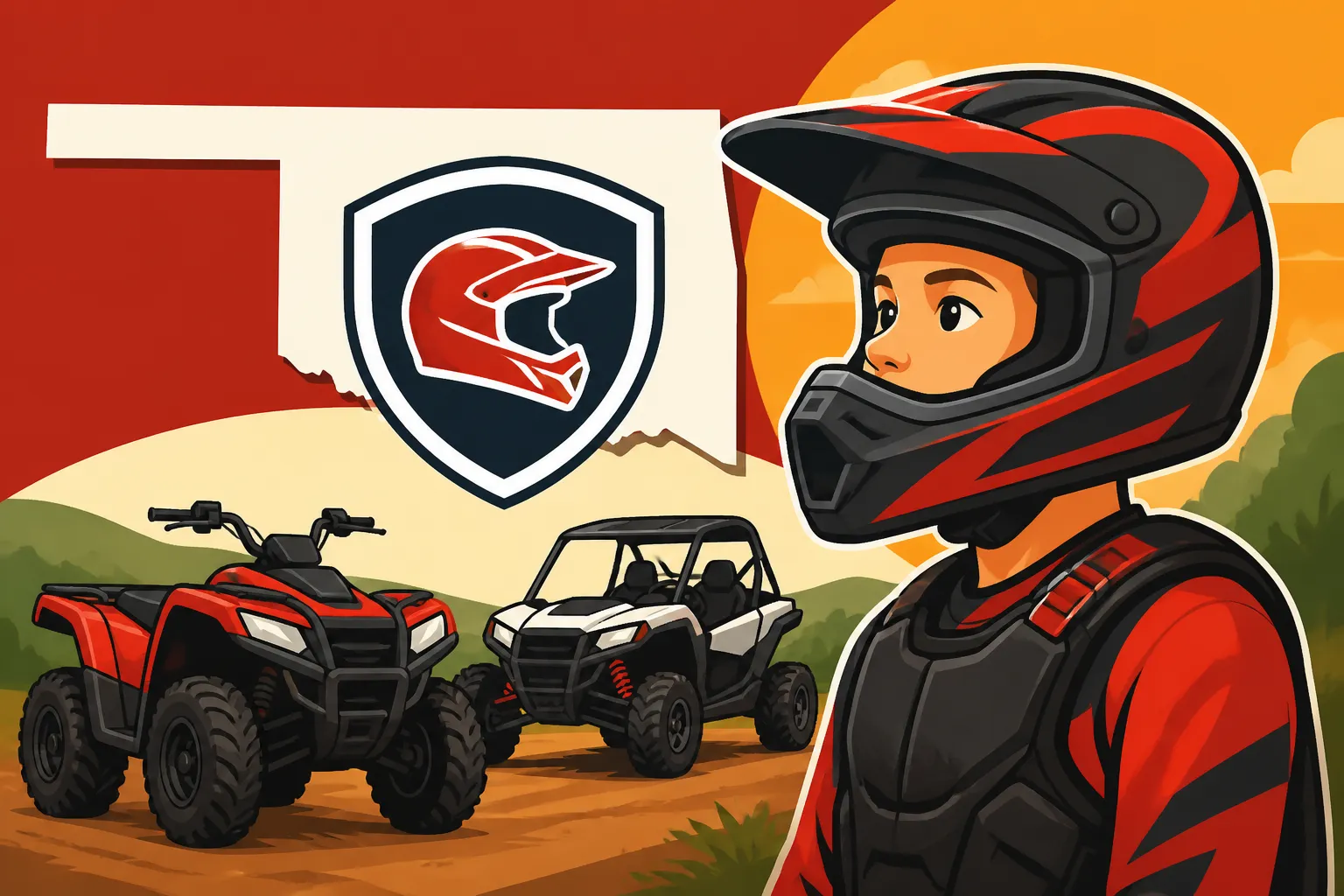
When it comes to off-road riding in Oklahoma, one rule stands out clearly in the statutes: any operator or passenger under the age of eighteen (18) must wear a helmet that complies with certain safety standards. This isn't just a suggestion; it's a legal requirement designed to protect our most vulnerable riders. It means whether you're tearing up the dunes at Little Sahara, navigating the trails at Robbers Cave, or just riding around your property, if a minor is on a machine, a helmet is a must.
Who the Helmet Law Applies To
The law is pretty broad in its application, covering both the driver and any passengers. So, if your fourteen-year-old is learning to operate a quad or a side-by-side, they need a helmet. And if your younger child is riding as a passenger, perhaps on a UTV with a seat designed for them, they also fall under this rule. There's no exception based on experience level or the type of terrain. The moment a rider under 18's wheels hit the ground on an ATV or UTV, that helmet needs to be securely fastened. It's a blanket rule meant to prevent serious head injuries, which are tragically common in off-road accidents without proper protection.
Many parents might think, "Well, we're just going slow on our own land," or "My kid is a really careful rider." And while caution is always a good thing, accidents can happen in an instant, often from unexpected hazards like a hidden rock, a sudden shift in terrain, or even just misjudging a turn. The helmet law acts as a non-negotiable layer of protection against these unforeseen moments, making sure that one wrong move doesn't lead to a life-altering injury. It's about proactive safety, not just reactive measures after something has gone wrong.
Age Verification and Enforcement
The enforcement of this age-based helmet rule relies on an officer's ability to determine a rider's age. While park rangers, local deputies, or state troopers might not carry birth certificates, if a rider appears to be under 18, they can certainly inquire or issue a citation if a helmet isn't being worn. This means that if you're riding at a public park, like [Little Sahara State Park in Oklahoma] or a Wildlife Management Area, park staff and law enforcement are empowered to enforce this statute. The penalties, while generally not severe for a first offense, are designed to encourage compliance and prioritize safety.
It's crucial for parents and guardians to understand that this isn't just about avoiding a ticket; it's about safeguarding their child's well-being. Imagine the stress and heartache of a head injury that could have been prevented with a properly worn helmet. The law exists to provide a baseline for safety, but ultimately, it's up to us as riders and guardians to embrace a culture of safety. Teaching young riders the importance of their helmet, not just as a rule, but as vital protection, instills good habits that can last a lifetime. You'll find more information on general age rules for riding in [Oklahoma ATV Age Requirements].
What "Approved" Really Means: Federal Safety Standards
Oklahoma's law specifies that helmets must "comply with standards established by the United States Department of Transportation (DOT)." This isn't some vague suggestion; it points directly to specific safety certifications that helmets must meet. Knowing what these certifications mean and how to identify them is critical for purchasing the right helmet for your young rider. A helmet isn't just a piece of plastic; it's a carefully engineered safety device.
Understanding DOT Certification
The DOT certification, specifically Federal Motor Vehicle Safety Standard (FMVSS) 218, is the minimum legal standard for helmets used on public roads and generally accepted for off-road use as well. When a helmet is DOT certified, it means the manufacturer has self-certified that the helmet meets rigorous testing standards for impact absorption, penetration resistance, chin strap strength, and peripheral vision. This is why you'll always see a "DOT" sticker on the back of any reputable helmet. Without that sticker, it's highly unlikely the helmet meets the legal requirement in Oklahoma.
Many cheaper or novelty helmets might look cool, but if they lack that DOT sticker, they are simply not providing the necessary level of protection. Think about the energy involved in an impact: a properly designed helmet is built to crush and deform, absorbing that energy before it reaches the rider's skull. A non-certified helmet might offer minimal protection, or worse, could break apart and offer no protection at all. Always double-check for that DOT certification, especially when buying online or from less reputable sources. Your child's brain is too precious to trust to an uncertified helmet.
The Role of Snell and ECE Certifications
While DOT is the legal minimum, many riders, especially those engaging in more aggressive or competitive riding, look for additional certifications like Snell or ECE. The Snell Memorial Foundation is a non-profit organization that develops even more stringent testing protocols than the DOT. A Snell-certified helmet has passed tests with higher impact energies, multiple impacts in the same spot, and more aggressive penetration tests. These helmets are generally heavier and more robust, reflecting the higher level of protection they offer.
Similarly, the Economic Commission for Europe (ECE) 22.05 or 22.06 standard is widely recognized internationally for its comprehensive testing, which is often considered comparable to or even more demanding in some areas than DOT. Many premium helmet brands carry both DOT and ECE certifications. While Oklahoma's law doesn't require Snell or ECE, choosing a helmet with these additional certifications provides an even greater margin of safety for your child. It's like going the extra mile for peace of mind, knowing that if an accident does occur, their head has the best possible protection. You can read more about how the state sets its rules in [Oklahoma Helmet Standards for Young Riders].
Why Helmet Choice Matters Beyond the Law
Beyond simply meeting the legal requirement, selecting the right helmet involves considering factors like fit, style, and features that enhance both safety and comfort. A helmet that doesn't fit correctly, or one that's uncomfortable, is less likely to be worn consistently and effectively. This is where personal choice and understanding the nuances of helmet design come into play.
Types of Helmets for Off-Road Riding
For ATV and UTV riding, there are generally two main types of helmets to consider:
- Full-Face Off-Road/Motocross Helmets: These are characterized by an elongated chin bar for face protection, a large visor for roost deflection, and an open eyeport for goggles. They are typically lightweight and offer excellent ventilation, making them popular for active off-road riding where riders are often standing and moving.
- Dual Sport/Adventure Helmets: These blend features of off-road helmets with street helmets, often including a full face shield in addition to a visor. They can be a good choice for UTV riders or those who might transition between trails and very limited road use, offering more weather protection than an open-face motocross helmet.
While open-face helmets are available, they offer significantly less protection to the face and chin, areas highly susceptible to injury in off-road crashes. For young riders, the added protection of a full-face helmet is almost universally recommended, especially given their developing motor skills and potential for unexpected falls. When you're kitting out your machine with durable accessories from a company like SuperATV, remember that the most crucial upgrade for your rider is the safety gear they wear, starting with their helmet.
The Crucial Importance of Fit and Comfort
A helmet's effectiveness is severely compromised if it doesn't fit properly. A helmet that's too large will shift during an impact, potentially exposing parts of the head or even coming off entirely. One that's too small will be uncomfortably tight, leading to headaches and reluctance to wear it. When trying on helmets, it should feel snug all around the head, with no pressure points. The helmet should not move when you shake your head side to side or up and down. The chin strap should be securely fastened, allowing only enough room for one finger between the strap and the chin.
Comfort is also a huge factor, especially for kids. A comfortable helmet, with good ventilation and appropriate padding, will be worn without complaint. This often means investing a bit more in a quality helmet. Helmets should be replaced after any significant impact, or every five to seven years, as the materials can degrade over time, reducing their protective qualities. Remember, your child's helmet is their first line of defense, and ensuring it fits perfectly means it can do its job when it matters most.
Additional Safety Features and Gear
Beyond the helmet itself, there are other considerations to enhance a young rider's safety:
- Goggles: Essential for eye protection from dust, debris, and roost. They should fit snugly with the helmet's eyeport.
- Neck Braces: While not legally required, neck braces can significantly reduce the risk of neck and spinal injuries, especially for aggressive riders.
- Body Armor/Chest Protectors: Protect the torso from impacts and roost.
- Gloves, Boots, and Long Clothing: Crucial for protecting hands, ankles, and skin from abrasions and minor impacts.
Equipping a young rider isn't just about the machine; it's about a complete safety system. Think about the overall protection: if you're putting heavy-duty bumpers and skid plates on your UTV from a company like SuperATV to protect the vehicle, you should certainly prioritize comprehensive protective gear for the precious cargo inside. [Oklahoma ATV Helmet Law Age] reinforces the importance of this foundational safety item.
Common Misconceptions and Realities About Helmets
Despite clear laws and safety recommendations, several misconceptions about helmets for young riders persist. Dispelling these myths is important for ensuring everyone understands their responsibilities and makes informed decisions.
"A Bicycle Helmet is Good Enough"
This is a dangerous misconception. Bicycle helmets are designed for impacts at bicycle speeds, typically lower speeds and different types of impacts than those experienced on an ATV or UTV. They offer less coverage, especially around the back of the head and the face, and are not built to withstand the higher energy impacts or penetration risks common in off-road vehicle accidents. The materials and construction of a DOT-certified off-road helmet are vastly different and superior for the specific demands of ATV/UTV riding.
Using a bicycle helmet for off-road vehicle riding is akin to wearing flip-flops while rock climbing – it's simply inadequate for the task at hand and leaves the rider dangerously exposed. An off-road specific helmet, with its robust construction, impact-absorbing liner, and full-face protection, is a non-negotiable piece of equipment for any young rider on an ATV or UTV. The distinction between a bike helmet and a proper off-road helmet is not just a matter of law, but a matter of critical safety.
"Helmets Obstruct Vision or Hearing"
Another common concern, particularly among new riders or their parents, is that helmets will significantly limit a child's peripheral vision or ability to hear. While any helmet will naturally enclose the head, modern DOT-certified helmets are designed with peripheral vision in mind, ensuring a wide field of view. As for hearing, while some engine noise might be muffled, critical sounds like other riders, approaching vehicles, or potential hazards are generally still discernible. In fact, by filtering out some excessive wind noise, a good helmet can sometimes even improve a rider's focus.
Proper fit plays a huge role here. A helmet that's too big and shifts around could indeed obstruct vision. But a correctly fitted helmet should integrate smoothly with the rider's natural line of sight. It's a matter of getting used to the sensation, and for most young riders, adapting happens quickly, especially when they understand the protective benefits. For additional vehicle safety that helps with visibility on the trails, many riders consider products like lights and mirrors which can be sourced from companies like SuperATV, further complementing the helmet's primary protective function. You can find out more about age guidelines in [Oklahoma Rules for a Teen Rider].
Resources and Next Steps for Rider Safety
Ensuring young riders are safe on ATVs and UTVs goes beyond just wearing a helmet; it involves ongoing education, proper training, and making informed choices about gear and riding environments. Oklahoma offers resources to help you and your children become safer riders.
ATV Safety Institute (ASI) Training
While Oklahoma doesn't mandate an ATV safety course, the ATV Safety Institute (ASI) offers hands-on, practical training courses designed for both children and adults. These courses cover essential riding techniques, responsible riding practices, and proper gear usage, including helmets. Participating in an ASI course can significantly improve a young rider's skills and awareness, reducing the likelihood of accidents. Many parents find these courses invaluable for building their child's confidence and reinforcing safe habits.
The ASI course often provides loaner helmets and other gear, allowing riders to experience proper fit and function. It's an excellent way to supplement the basic understanding of the law with practical, real-world skills. Think of it as investing in your child's long-term safety, much like you would invest in a quality machine. Many riding areas, including state parks and private parks, strongly encourage or even offer incentives for riders who have completed an ASI course. For additional guidance, consider exploring [Oklahoma Safety Course Options].
Choosing the Right Riding Environment
The environment where a young rider operates their ATV or UTV is just as important as the gear they wear. Starting in controlled, open areas with minimal obstacles is crucial for beginners. As skills develop, gradually introducing more challenging terrain can be done under close adult supervision. Public riding areas like Little Sahara State Park have diverse terrains, offering designated areas suitable for different skill levels. Knowing [Oklahoma ATV Trails: Where to Ride] and what each area offers can help you make informed decisions.
For example, a youth quad might be perfect for the smaller, less aggressive dunes at Little Sahara, while a more powerful UTV might be better suited for the diverse trails at Cross Bar Ranch. Always research the rules and difficulty ratings of any riding area before you go. Some private parks, for example, have minimum age requirements for certain trails or machines, and will strictly enforce helmet rules for all minor riders.
Staying Informed and Leading by Example
Laws and recommendations can change, so staying informed about current regulations is key. Follow updates from the Oklahoma Department of Public Safety or local tag agencies. Most importantly, as adults, we must lead by example. If you ride, wear your helmet, even if you're over 18. Show young riders that safety is a priority, not just a rule for kids. This sets a powerful precedent and fosters a culture of responsible off-road enjoyment.
Riding ATVs and UTVs offers incredible opportunities for adventure and family fun, but it comes with responsibilities. By understanding Oklahoma's helmet standards for young riders, investing in appropriate, certified gear, ensuring proper fit, and committing to ongoing safety education, we can help ensure that every ride is not just exciting, but also incredibly safe. The memories we make on the trails should be joyful, not tinged with regret, and a proper helmet is a huge part of that.
| Helmet Certification | Description | Key Features | Required in Oklahoma for Under 18? | Recommended for ATV/UTV Use? |
|---|---|---|---|---|
| DOT FMVSS 218 | U.S. Federal safety standard. Minimum legal requirement for road-legal helmets. | Tests for impact, penetration, chin strap strength, peripheral vision. | Yes (explicitly stated) | Yes (Minimum) |
| Snell | Independent, non-profit standard. More stringent testing than DOT. | Higher impact energies, multiple impacts on same spot, aggressive penetration. | No (optional) | Highly Recommended (Enhanced) |
| ECE 22.05/22.06 | European safety standard. Widely recognized internationally. | Comprehensive testing, often comparable to or exceeding DOT. | No (optional) | Highly Recommended (Enhanced) |
| Bicycle Helmet | Designed for bicycle speeds and impacts. | Lighter construction, less coverage, different impact absorption. | No (inadequate) | No (unsafe for ATV/UTV) |
Disclaimer
This article is for general informational purposes only and does not constitute professional advice. Laws, prices and regulations vary by location and change over time. Consult a qualified professional for guidance on your specific situation.