What Happens in a Town With No ATV Ordinance
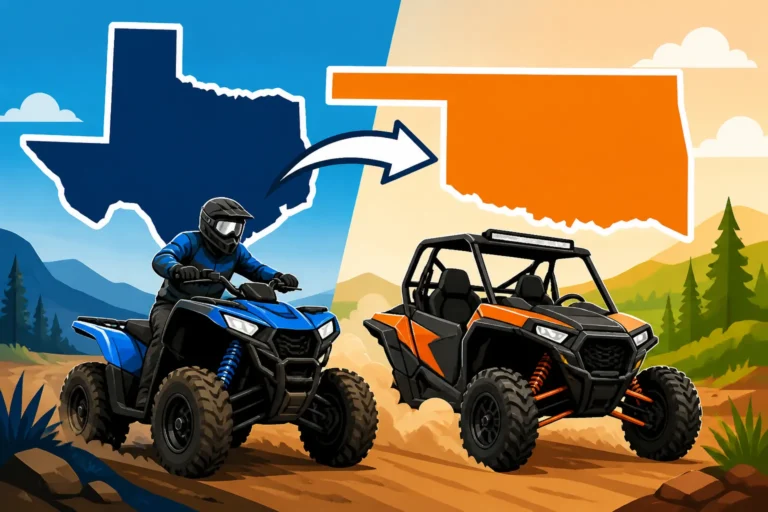
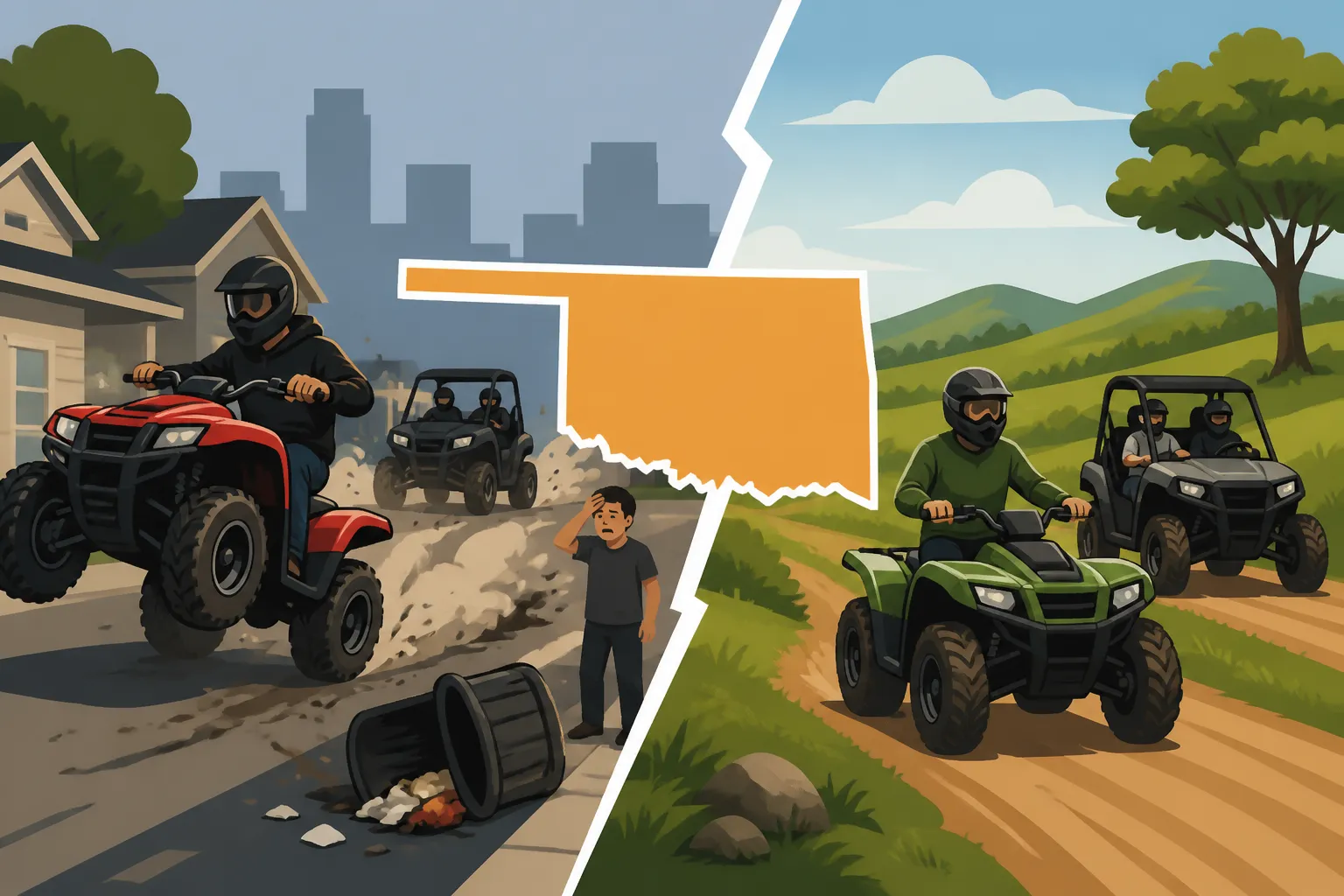
It's a frustrating situation, isn't it? You pull up to a charming small town in Oklahoma, ATV or UTV loaded, ready for a weekend ride, only to find yourself scratching your head about what's allowed. There's no big sign listing ATV rules, and you can't find a local ordinance online. This guide is all about navigating those exact waters, helping you understand what happens when a town in Oklahoma has no specific ATV ordinance on its books.
The Default State of Play: Oklahoma's Statewide Rules
When a town or municipality hasn't passed its own specific ordinance regarding the operation of ATVs or UTVs on its streets, it doesn't mean you're in a free-for-all. Far from it! What it actually means is that state law takes precedence. Oklahoma has very specific statutes that dictate where and how off-road machines can interact with public roads, and these rules become the default in any area without more localized regulations. Understanding these statewide rules is your first, best line of defense against an unexpected citation.
When State Law Takes Over
Think of it like this: if the local government hasn't made its own bed of rules, you're sleeping in the state's bed. This can be a bit confusing because many riders assume "no specific rule" means "no rule at all." That's simply not the case, especially when it comes to operating off-road vehicles on paved public ways. Oklahoma law is quite clear that ATVs and UTVs are primarily designed and intended for off-road use. Their presence on public roads is highly restricted unless specific exceptions are met or, in the case of UTVs, they've gone through the rigorous process to become street-legal. Without a local ordinance opening up streets, you're bound by the more conservative state mandates. This often includes limitations on crossing highways and prohibits general cruising on city streets.
What Oklahoma State Law Does Allow on Roads
Even without a local ordinance, state law carves out a few very narrow exceptions for ATVs and UTVs on public roads. These exceptions are crucial to understand. For instance, [Oklahoma Highway Crossings in Daylight] are generally permitted, provided you meet specific criteria. This means you can cross a highway if it's posted at 35 mph or less, and you must do so in daylight hours, at a ninety-degree angle, making sure you yield to all traffic. This isn't permission to ride down the highway, but rather to get from one section of off-road property to another. Similarly, agricultural use is a common allowance. If you're operating your machine as an [Oklahoma Instrument of Husbandry Exception] for farm-related tasks, like moving between fields or checking fences, you might be allowed on certain county roads. However, this is strictly for agricultural purposes, not recreational riding. For more on general road use, checking out [Oklahoma ATV Road Rules Under 11-1116] can shed light on the specifics.
What Oklahoma State Law Does Not Allow
Here's the critical part: in the absence of a specific local ordinance opening roads, Oklahoma state law generally prohibits the routine operation of ATVs and UTVs on public streets and highways. This means you can't just drive your quad down Main Street to get groceries or cruise around town for fun, even if the town itself has no specific "no ATV" sign. State law makes a clear distinction between off-road vehicles and street-legal vehicles. Unless a UTV has been fully equipped and registered as a street-legal machine, obtaining [Oklahoma Road Plates for a Street-Legal UTV] and meeting all the [Oklahoma Equipment Required for Street UTVs], it falls under the restrictive off-road vehicle classification. This also means things like [Oklahoma Passengers the Factory Allowed] only apply in designated off-road areas or for machines that are street-legal. For standard ATVs and UTVs, state law typically doesn't permit passengers unless the machine was specifically designed for it and you're in an off-road setting.
Navigating the Grey Areas and Local Discretion
While state law sets the baseline, the real-world application in a town without a specific ordinance can sometimes feel a little… fluid. This is where local law enforcement comes in, and their interpretation and enforcement practices can vary. It can be a source of significant frustration for riders who are trying their best to follow the rules, only to find themselves in an unclear situation.
How Local Law Enforcement Interprets "No Ordinance"
Local police officers or county deputies in towns without specific ordinances are tasked with enforcing state law. However, how strictly or leniently they apply those rules can depend on a variety of factors, including local culture, past incidents, and even individual officer discretion. For example, in a very rural town where everyone uses their UTV to get to the mailbox at the end of a long driveway, an officer might turn a blind eye to a short jaunt on a quiet street, even if technically against state law. In another town, perhaps one that has seen issues with noise or reckless riding in the past, an officer might enforce state law to the letter. [Which Officers Can Enforce the ATV Rules] include municipal police, county sheriffs, and even state troopers, all of whom can issue citations if they believe state law is being violated. This variability is why it's so important to proceed with caution and respect.
The Importance of Knowing the "Why" Behind the Rules
Understanding why these rules exist can help you make better decisions. The restrictions on ATVs and UTVs on public roads are primarily for safety. These machines are designed for varied terrain, not for interacting with cars, trucks, and the general flow of traffic. They often lack the turn signals, mirrors, and protection that street-legal vehicles have. This makes them less visible and less predictable on paved roads. Even if a town has no specific ordinance, the underlying safety concerns that drive state law don't disappear. Being aware of these reasons will help you ride more responsibly, even in a "grey area." For instance, simply crossing a highway, as allowed by state law, requires you to know [Oklahoma Crossing Rules at 35 mph] and understand the inherent risks involved.
Staying Prepared for the Unexpected
Because of the potential for varied interpretation, it's wise to always be prepared for the strictest enforcement. This means having your paperwork in order – proof of ownership, like your title or [Oklahoma ATV Registration You Pay Once]. While insurance isn't required for off-road registration in Oklahoma, having liability insurance is a smart move if you're ever on public roads, even for a brief moment. You never know when you might encounter an officer who is unfamiliar with the nuances of ATV law or who has been directed to crack down on all off-road vehicle use on roads. Being polite, cooperative, and knowledgeable about the state law can go a long way in de-escalating a situation and potentially avoiding a ticket.
Practical Steps for Riding in Unregulated Towns
Given the complexities, what’s a responsible rider to do when they find themselves in a town with no specific ATV ordinance? The best approach is always to err on the side of caution, be prepared, and understand the general legal framework.
Researching Before You Ride
Before you even load up your machine, do your homework. A quick phone call to the local police department or county sheriff's office can often clarify the situation. Explain where you plan to ride and ask about their interpretation of ATV and UTV use on local roads. Sometimes, a town might not have a formal ordinance but has a historical understanding or an unwritten policy. You can also search online for city council minutes or local news articles that might mention discussions about ATV use. While county commissioners can open certain [Oklahoma County Commissioners and ATV Roads], this doesn't automatically apply to incorporated towns. It's always best to get specific information for the exact location you plan to visit.
Equipping Your Machine for Road Use
Even if your machine isn't fully street-legal, equipping it with certain accessories can greatly enhance your safety and visibility, and make a better impression if you do interact with law enforcement. Consider investing in proper lighting, mirrors, or even a horn – many riders find great, durable options from companies like SuperATV that stand up to the rigors of off-road use and make road crossings safer. Having bright headlights and taillights is a must for any legal crossing, even if it's during the day, as it increases your presence. Even if your machine isn't fully street-legal, adding turn signals from a brand like SuperATV can enhance safety during those permitted road crossings and show a good faith effort to be visible.
Table: Oklahoma ATV/UTV Road Use Rules (No Local Ordinance)
| Feature | General ATV/UTV (State Law Default) | Street-Legal UTV (for comparison) |
|---|---|---|
| Primary Use | Off-road recreation, agricultural tasks | On-road transportation (like a car), also off-road |
| Road Operation | Prohibited for general travel | Permitted on most public roads (except interstates, US highways) |
| Highway Crossings | Allowed in daylight, 90-degree angle, yield to traffic, 35 mph or less posted speed limit | Permitted on all public roads where driving is allowed |
| Headlights/Taillights | Required if operated after dark (though general road operation prohibited) | Required and functional as per vehicle code |
| Turn Signals | Not required by state law | Required (front and rear, amber/red) |
| Mirrors | Not required by state law | Required (rearview and side mirrors) |
| Horn | Not required by state law | Required |
| License Plate | Front decal only ([Oklahoma Issues a Front Decal, Not a Plate]) | Annual street plate (like a car) on rear |
| Driver's License | No specific license for off-road use | Valid Class D (auto) driver's license ([Oklahoma Drivers Must Be 16 for a Street UTV]) |
| Insurance | Not required for registration | Required for street-legal registration |
Being a Responsible Rider
Ultimately, being a responsible rider is your best bet for a smooth experience in any town, especially one with ambiguous rules. This means keeping your speed down, being respectful of residential areas, avoiding excessive noise, and always being courteous to pedestrians and other vehicles. If you're using your machine for farm work, stick to that purpose. Don't push the boundaries of what's considered a legitimate "crossing" or "agricultural use." For instance, riding through someone's pasture without permission can lead to [Oklahoma Trespass Law for Riders] violations, regardless of local ordinances.
Consider aftermarket accessories like heavy-duty winches or skid plates (many are available from SuperATV) that protect your machine during off-road excursions, demonstrating you're equipped for responsible, intended use, not just street cruising. Carrying a copy of Oklahoma's ATV statutes with you (or saved on your phone) can also be helpful if you need to politely clarify the law with an officer. Remember, the goal is to enjoy your ride safely and legally, without causing problems for yourself or the local community.
Disclaimer
This article is for general informational purposes only and does not constitute professional advice. Laws, prices and regulations vary by location and change over time. Consult a qualified professional for guidance on your specific situation.