Alcohol Is Banned in the Little Sahara Dune Area
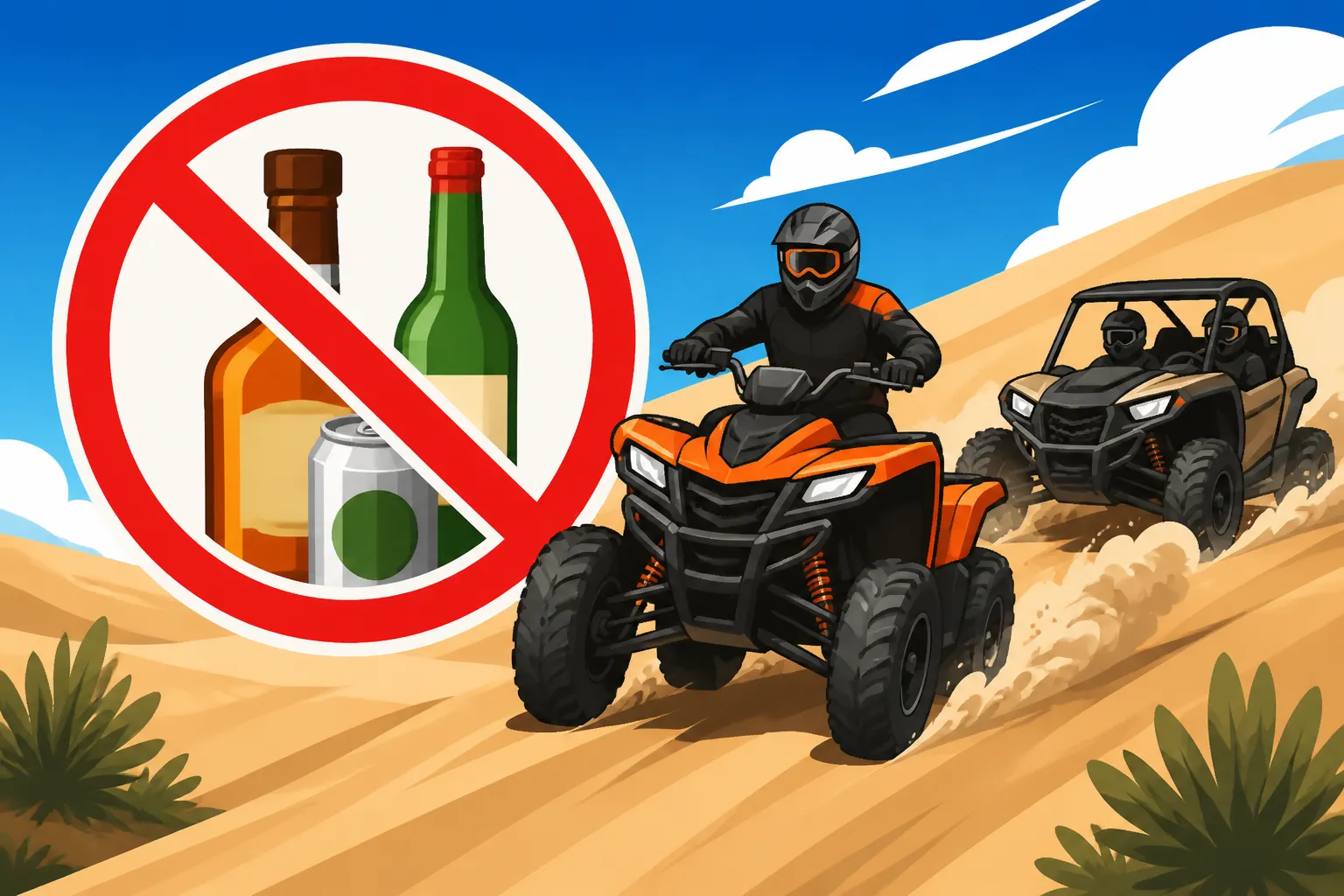
After a thrilling day tearing up the magnificent sand dunes at Oklahoma's Little Sahara State Park, many riders might naturally think about unwinding with a cold adult beverage around the campfire or in their vehicle. However, it's crucial for anyone planning a visit to understand a non-negotiable park rule: alcohol is strictly banned within the Little Sahara Dune Area, and this guide will illuminate all aspects of this important regulation to ensure your visit is fun, safe, and free of legal trouble.
The Strict Reality: Alcohol Ban at Little Sahara
Let's get straight to it: consuming or possessing alcohol in the Little Sahara State Park's designated dune riding area and its associated campgrounds is against park rules. This isn't a suggestion; it's a hard and fast regulation enforced by park rangers and other law enforcement officials. Many riders, especially those new to the park or visiting from out of state, are surprised by this. They might be used to other riding areas or private lands where such restrictions aren't in place, leading to an honest but potentially costly mistake.
This ban encompasses not just the act of drinking, but also having open containers in your machine or around your campsite. Imagine you’ve just spent hours conquering the [Little Sahara's 1,600 Acres in Oklahoma], your UTV caked in sand, and you pull out a refreshing adult beverage. That seemingly innocent act could quickly land you in hot water. The rule applies throughout the park's boundaries, meaning from the moment you enter, you should assume a zero-tolerance policy for alcohol. This is why you'll see signs posted at various points, and park staff often include this detail when giving directions or explaining general park information.
It’s not just about what you’re doing in plain sight. Even having unopened alcohol stored in your cooler or vehicle within the immediate riding or camping areas can draw scrutiny. The park aims to prevent issues before they start, and removing alcohol entirely from the environment is their primary method. So, when you're packing up your cooler with drinks and snacks, stick to water, sodas, and sports drinks. Leave the adult beverages at home or plan to enjoy them after you've left the park premises entirely.
Why the Ban Exists: Safety and Public Land Management
The primary reason for the strict alcohol ban at Little Sahara, much like many other public recreation areas, boils down to safety and responsible management of a valuable natural resource. Dune riding, with its high speeds, unpredictable terrain, and close proximity of numerous machines, is inherently an activity that demands full attention and unimpaired judgment. Adding alcohol into that mix significantly elevates the risk of serious accidents.
Think about the environment: riders are navigating towering dunes, some reaching [Dunes 25 to 75 Feet High], making sharp turns, and often encountering other riders coming from unexpected directions. Even a small amount of alcohol can dull reflexes, impair vision, and slow reaction times – all critical faculties for safe dune riding. The park management prioritizes rider safety above all else, and preventing impaired operation of ATVs and UTVs is a cornerstone of that mission. You wouldn't want to encounter a rider who's had one too many cresting a dune in your path, and the park feels the same way. This ban helps mitigate the potential for collisions and injuries, which could lead to substantial damage to machines (even if you've reinforced yours with durable SuperATV components) and, more importantly, severe harm to riders.
Beyond individual safety, the ban also plays a significant role in maintaining the overall atmosphere and responsible use of a state park. Public lands like Little Sahara are enjoyed by families, children, and riders of all ages. An environment free from alcohol-related disturbances helps ensure that everyone can have a positive experience. It reduces litter, curbs unruly behavior, and minimizes the need for law enforcement interventions. This approach aligns with broader policies for many state and national parks, which often have similar restrictions to preserve tranquility and safety for all visitors. The goal is to keep Little Sahara a premier destination for off-road enthusiasts without the complications that alcohol can introduce. The park rangers are there to help ensure a fun and safe experience, and part of that involves enforcing these rules for the greater good of all who visit. If you’re ever wondering about the official stance, remember that [Oklahoma Park Rangers as Enforcers] have the authority to uphold these regulations.
Consequences of Violating the Alcohol Ban
Ignoring the alcohol ban at Little Sahara can lead to a range of unpleasant consequences, from a polite warning to significant legal penalties. It's not something to brush off as a minor infraction, as park rangers and game wardens are vigilant and authorized to enforce state laws and park regulations.
In the best-case scenario, you might receive a verbal warning from a ranger if you're spotted with an open container in a low-key situation, perhaps at your campsite. However, this is far from guaranteed, and it's more likely you'll face a formal citation. A citation means you've been issued a ticket for violating a park rule or state law, which often carries a fine. These fines can add up quickly, especially when combined with court costs, and while [Oklahoma Penalties Capped at $25] applies to some ATV violations, alcohol-related offenses can fall under different legal statutes with higher penalties. It's a costly lesson to learn, particularly when you consider that a weekend of riding is meant to be an escape, not a financial burden.
More severe violations, such as operating a machine while impaired, will lead to much more serious repercussions. [What Impaired Riding Costs You Off the Road] includes potential arrest, charges for DUI (Driving Under the Influence), and the impoundment of your ATV or UTV. A DUI conviction can have long-lasting effects on your driving record, insurance rates, and even your personal freedom. Park rangers are trained to identify signs of impairment, and if they suspect you've been drinking and riding, they will take action. This is not just about a park rule; it's about a safety issue that carries significant legal weight.
Furthermore, any violation, even a minor one, can result in your expulsion from the park. This means your riding day or camping trip is abruptly over, and you'll be required to pack up and leave. This can be particularly frustrating if you've traveled a long distance or have family and friends with you who are also affected by your actions. In some cases, repeat offenders might even be banned from returning to the park for a certain period. To avoid these headaches, it's best to adhere strictly to the rules.
Here's a quick overview of potential consequences:
| Violation Type | Initial Consequence | Potential Legal Action | Long-Term Impact |
|---|---|---|---|
| Open Container / Possession | Verbal warning / Citation | Fines, Court Costs | Expulsion from Park, Record of Infraction |
| Public Intoxication | Citation / Arrest | Fines, Court Costs, Jail Time | Expulsion, Criminal Record, Future Park Bans |
| Operating Under the Influence (OUI) | Citation / Arrest, Machine Impoundment | DUI Charges, Hefty Fines, License Suspension | Criminal Record, Increased Insurance, Loss of Riding Privileges |
Remember, rangers aren't there to ruin your fun, but to ensure everyone's safety and uphold park integrity. When you consider the effort you put into maintaining your machine with quality parts, perhaps from SuperATV, or planning your trip, it’s not worth risking it all over an alcoholic drink.
Responsible Riding and Enjoying Little Sahara
Even with the alcohol ban, Little Sahara State Park offers an incredible, unforgettable experience for off-road enthusiasts. The key is to embrace responsible riding and focus on all the other amazing aspects the dunes have to offer.
First and foremost, planning your trip with the alcohol ban in mind is essential. If you typically enjoy alcoholic beverages after a long day of riding, simply plan to do so after you've packed up your camp and left the park boundaries. There are often establishments in nearby towns like Waynoka that cater to riders, where you can responsibly enjoy a drink off-park property. Within the park, stock up on plenty of non-alcoholic alternatives: water, juice, soda, sports drinks. Staying hydrated is crucial when riding in the Oklahoma sun, especially when kicking up dust on the dunes. Many riders invest in hydration packs or coolers that can be securely mounted to their ATV or UTV, ensuring easy access to refreshing drinks throughout the day.
Focus on the thrill of the ride itself. Little Sahara provides some of the most unique and exciting dune riding experiences in the country. Master your machine, practice cresting dunes safely, and enjoy the exhilaration of navigating the sandy landscape. Equipping your machine with proper safety gear, like a [Oklahoma's 10-Foot Whip Rule] and [Oklahoma's Orange Flag Requirement], is not only required but enhances your visibility and safety, allowing you to focus purely on the riding. Checking your tires, fluids, and ensuring all your SuperATV accessories are securely fastened before each ride will help prevent breakdowns and keep you enjoying the dunes longer.
Beyond the riding, Little Sahara offers a vibrant camping culture. Many families and groups gather, cook meals, and enjoy the camaraderie around campfires (when burn bans aren't in effect). There’s a special magic to [Riding Little Sahara's Dunes at 2 a.m.] under a canopy of stars, something you can fully appreciate with a clear head. Engage with other riders, share stories, and simply soak in the unique atmosphere of this incredible natural playground. Children particularly love the dunes, and maintaining a family-friendly environment ensures everyone feels welcome and safe. If you're looking for more information on the park itself, resources like [Little Sahara State Park in Oklahoma] can provide details on amenities, fees, and more.
By respecting the park's rules, especially the alcohol ban, you contribute to a positive experience for everyone and help preserve Little Sahara for future generations of riders. It's about prioritizing safety, community, and the sheer joy of off-road adventure on one of Oklahoma's most iconic landscapes. Following [Oklahoma Trail Etiquette Locals Expect] will also make your visit more enjoyable for everyone.
Disclaimer
This article is for general informational purposes only and does not constitute professional advice. Laws, prices and regulations vary by location and change over time. Consult a qualified professional for guidance on your specific situation.