What Impaired Riding Costs You Off the Road
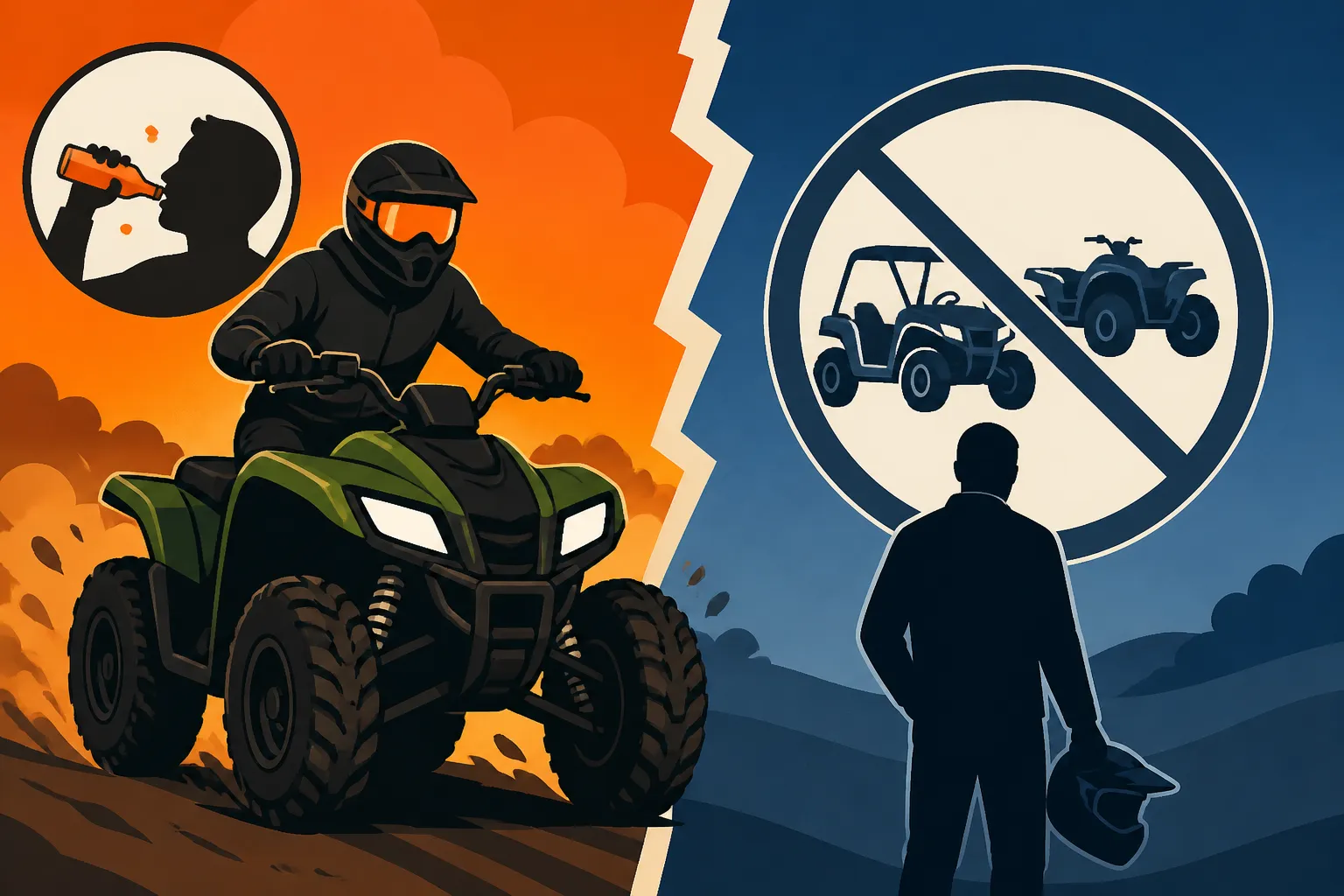
There’s nothing quite like the freedom of hopping on your ATV or UTV and hitting the trails, feeling the wind, and exploring the incredible terrain Oklahoma has to offer. We all cherish those moments of escape and adventure. But here’s the stark reality: that freedom comes with immense responsibility, and sometimes, in the pursuit of fun, folks make choices that can turn a great day into a nightmare. Riding an off-road machine while impaired, whether by alcohol or drugs, carries a heavy price, not just in fines, but in real dangers to life, limb, and your financial well-being. This guide is here to lay bare the true costs of impaired riding, even when you're far from any paved road, and help you understand the serious implications for yourself and everyone around you.
The Immediate Dangers of Impaired Riding Off-Road
When you're out on a quad or a side-by-side, you're constantly making split-second decisions. The terrain changes, obstacles appear, and the machine demands your full attention. Adding impairment to this equation is like throwing a wrench into a finely tuned engine – everything goes wrong.
Impaired Judgment and Reaction Time
One of the most critical aspects of safe off-road riding is your ability to react swiftly and make sound judgments. Think about it: you're navigating rocky creek beds, powering through deep sand, or climbing a steep, dusty incline. Every twist of the throttle, every shift of your body weight, every adjustment of the steering wheel or handlebars, is a conscious decision. When you're impaired, alcohol or drugs slow down your brain's processing speed significantly. That sudden, hidden rock that appears out of nowhere? Your brain takes longer to register it, even longer to decide to swerve, and by then, it might be too late.
Imagine cresting a dune at [Little Sahara State Park in Oklahoma] or rounding a blind corner on a winding trail in Honobia Creek WMA. An unexpected sharp turn, a deep mud hole obscured by shadows, or another rider coming the opposite way can all become catastrophic if your reaction time is compromised. What should be a minor adjustment becomes a major overcorrection, or worse, no correction at all. The exhilaration of the ride quickly turns into a heart-stopping moment, and not in a good way. It’s not just about speed; it's about control and foresight, both of which vanish under the influence.
Loss of Coordination and Balance
ATVs, especially, demand constant physical input and a delicate sense of balance. You're shifting your weight, leaning into turns, absorbing bumps with your legs and arms. UTVs, while more stable with their roll cages and seatbelts, still require precise steering and throttle control, especially on challenging terrain or steep inclines. Alcohol and drugs wreak havoc on your motor skills, turning fine control into clumsy movements. Your hands might not grip the handlebars as firmly, your feet might slip off the footpegs, or your ability to keep the machine upright on a tricky side slope could vanish in an instant.
Consider trying to traverse a slippery, off-camber trail, or making a tight maneuver around a tree. These situations demand quick, accurate physical responses. An impaired rider might oversteer, understeer, or simply lose the strength and coordination needed to keep the machine balanced. The result? A rollover is far more likely, and that roll cage or helmet, while vital, can only do so much against the forces of physics when a machine tumbles out of control. Even the best aftermarket parts, like those you might install from SuperATV for enhanced performance and stability, can’t compensate for a rider who can’t properly operate their machine.
Risk to Yourself and Others
The most tragic consequence of impaired riding is the immediate danger to human life. You, as the operator, are at severe risk of serious injury, paralysis, or even death. An off-road crash can result in broken bones, head trauma, internal injuries, and spinal cord damage. If you have passengers on your UTV, or a child riding on the back of a quad (where allowed and if the machine is designed for it), their lives are also in your impaired hands. The weight of responsibility for injuring or killing a friend or loved one is a burden no one should ever have to carry.
Beyond your immediate party, you’re sharing public lands with other riders, hikers, campers, and sometimes even wildlife. An out-of-control machine is a projectile that can cause immense harm to innocent bystanders. Imagine an impaired rider careening off a trail and into a campground or striking another vehicle. The ripple effect of such an incident extends far beyond the immediate crash, causing lasting trauma and devastation. Safe riding isn't just about protecting yourself; it's about respecting the shared spaces and the lives of everyone enjoying the outdoors.
Legal Consequences: Even Off-Road, It's Still the Law
Many riders mistakenly believe that because they're "off the road" or on private property, they're somehow exempt from impaired driving laws. This is a dangerous misconception that can lead to severe legal repercussions.
Oklahoma's DUI/DWI Laws Extend to Off-Road Vehicles
Oklahoma law is clear: operating an ATV or UTV while under the influence of alcohol or drugs is illegal, even if you’re not on a public highway. The state's DUI (Driving Under the Influence) or DWI (Driving While Intoxicated) statutes apply to any "vehicle," and that explicitly includes off-road machines like quads and side-by-sides. If you’re riding on public lands—such as state parks, Wildlife Management Areas (WMAs), or designated OHV areas like those managed by the Bureau of Land Management—these are considered "public ways" where the law is fully enforceable. Law enforcement, whether it's a State Trooper, a County Deputy, or even an Oklahoma Game Warden, has the authority to stop you if they suspect you're impaired. We’ve covered [Oklahoma DUI Law and Off-Road Machines] in more detail, but the key takeaway is that your off-road machine is not a legal loophole.
The legal blood alcohol content (BAC) limit is the same for operating an ATV or UTV as it is for a car: 0.08%. For commercial operators, it's even lower at 0.04%. And it's not just alcohol; driving under the influence of any drug that impairs your ability to safely operate the machine can lead to a DUI charge. This includes prescription medications if they affect your judgment or motor skills, even if legally prescribed. Your best bet is always to separate riding from any substances that could compromise your ability to operate your machine safely.
Penalties Mirror Road-Based Offenses
The penalties for an off-road DUI in Oklahoma are severe and can mirror those for impaired driving on a paved road. You could face substantial fines, which can quickly add up, easily surpassing the minor [Oklahoma Penalties Capped at $25] you might see for simple infractions. Beyond fines, you could be looking at jail time, particularly for repeat offenses or if an accident involving injury or death occurs. Your driver's license (yes, your regular car license) can be suspended or revoked, making it difficult to commute to work, pick up groceries, or perform other daily tasks that rely on driving.
Additionally, Oklahoma courts often mandate substance abuse assessment and treatment programs. These programs are not only costly but also time-consuming, adding another layer of burden to your life. And let’s not forget about the machine itself. Law enforcement has the authority to impound your ATV or UTV, leading to towing and storage fees that accrue daily, as highlighted in our article on [When an Officer Can Impound Your Machine]. Reclaiming your machine can be a bureaucratic headache and a significant financial drain. These penalties aren't just slaps on the wrist; they are life-altering consequences designed to deter dangerous behavior.
Consequences for Private Land Riding
While it might seem like private land is a safe haven from legal consequences, that's not always the case. If you're riding on private property, say a friend's ranch or a hunting lease, and an accident occurs that requires emergency services or law enforcement, a DUI charge can still be filed. If the property has public access or if the circumstances of the incident warrant it, a deputy or state trooper called to the scene will investigate. For instance, if you get into a serious crash, injure someone, or damage property, and you're found to be impaired, you can absolutely face DUI charges.
Furthermore, riding while impaired on someone else’s property can have profound effects on your relationships and future access. If a landowner has granted you permission to ride, as discussed in [Getting Written Permission Before Riding Private Land], they expect you to act responsibly. An impaired riding incident could lead to a permanent revocation of your riding privileges on that land, not just for you but potentially for your entire riding group. The trust built over years can be shattered in a single, reckless moment.
Financial and Personal Fallout Beyond the Ticket
The legal fines and potential jail time are just the tip of the iceberg when it comes to the true cost of impaired riding. There’s a cascade of financial and personal consequences that can haunt you for years, far outweighing the momentary thrill of a reckless decision.
Insurance Implications and Coverage Denials
One of the most immediate financial impacts after a crash involving impaired riding is with your insurance. Most ATV and UTV insurance policies, whether for liability or comprehensive coverage, contain clauses that exclude coverage if the operator was under the influence of alcohol or drugs. This means that if you crash your machine while impaired, your insurance company can deny the claim for damages to your ATV or UTV, leaving you to pay for all repairs or replacement out of pocket. Imagine having to foot the bill for a totaled side-by-side, especially if you’ve invested in high-quality accessories from companies like SuperATV. That’s thousands of dollars vanishing instantly.
Even more devastating, if you injure another person or damage their property while impaired, your liability coverage may also be denied. This would leave you personally responsible for their medical bills, property damage, and any legal settlements or judgments. These costs can easily climb into the tens or even hundreds of thousands of dollars, potentially bankrupting you. And if you’ve been injured, your own medical expenses, which can be astronomical, might also be denied by your health insurance provider if the injury is linked to illegal activity. Our article on [Filing an Insurance Claim After a UTV Collision] explains the process, but it assumes your policy's terms are being met. Impaired riding voids that assumption.
Damage to Reputation and Relationships
Beyond the legal and financial burdens, there are significant personal costs that are harder to quantify but can be deeply painful. An arrest for impaired riding, or an incident that puts others at risk, can severely damage your reputation within your community, among your riding friends, and with your family. The trust that people place in you, especially as a responsible individual, can be eroded or completely lost. Your riding buddies might be hesitant to invite you on future trips, fearing for their safety or the legal ramifications.
Furthermore, a DUI conviction, even if it happens off-road, can have professional consequences. Many employers conduct background checks, and a conviction can hinder job prospects, particularly if your job involves driving, operating machinery, or requires a high level of trust. This could lead to a loss of income, career setbacks, and a general feeling of shame and regret. It can also strain relationships with loved ones who may feel disappointed, betrayed, or simply worried sick about your choices. The non-monetary costs often hit harder and last longer than any fine.
Long-Term Impact on Riding Privileges and Access
An impaired riding incident can also have a lasting impact on your ability to enjoy the very activity you love. Public riding areas, such as state parks or federal lands, may have policies that result in temporary or permanent bans for individuals convicted of impaired operation. Private riding parks and ranches often have strict rules about alcohol and drug use, and an incident could lead to you being permanently unwelcome. These places are set up for everyone's safety, and putting others at risk means you might lose the privilege of riding there. Even our piece on [Oklahoma Game Wardens Check on Public Land] hints at the oversight that could lead to such a ban.
It's not just formal bans. If word spreads about an incident, you might find that landowners become less willing to grant you permission to ride on their property, closing off potential access points. The community of off-road riders often values safety and responsibility, and those who consistently make dangerous choices can find themselves ostracized. This effectively shrinks your world of riding opportunities, taking away the very freedom that makes off-roading so appealing.
Making Responsible Choices for a Safer Ride
The good news is that all these severe consequences are completely avoidable. Making responsible choices before you even start your engine ensures that your day on the trails remains fun, safe, and free from regret.
Designate a Sober Rider or Driver
The simplest and most effective way to prevent impaired riding is to designate a sober rider or driver, just as you would for a night out in your car. If your group plans to consume alcohol or any other impairing substances, one person needs to commit to staying completely sober and operating the machine. This person is responsible for everyone’s safety and for ensuring the group adheres to all rules and laws. It's a shared responsibility, and having that conversation beforehand can make all the difference.
Think about the importance of knowing [What a State Trooper Can Ask to See] if you are stopped. A designated sober driver helps ensure everyone in your party is always ready to comply with law enforcement and that there are no concerns about impaired operation. This proactive approach ensures that everyone can relax and enjoy their time without the looming threat of an accident or legal trouble.
Plan Ahead for Your Refreshments
If your group decides to include alcohol in your outing, plan for it intelligently. Bring non-alcoholic beverages as your primary refreshment on the trails. Save any alcoholic drinks for after the ride is completely finished, once machines are parked, keys are out of the ignition, and you're safely back at camp or home. Remember, many public riding areas, like [Little Sahara State Park in Oklahoma], have specific rules about alcohol. For instance, [Alcohol Is Banned in the Little Sahara Dune Area] entirely. Ignorance of the rules is never an excuse in the eyes of the law, and it certainly won't protect you or your friends from harm.
Proper hydration with water and sports drinks is crucial for staying alert and safe on the trails anyway, especially in Oklahoma’s heat. By making non-alcoholic options your go-to during the ride, you’re not only preventing impairment but also enhancing your stamina and focus, which are critical for safe off-road operation.
Know the Rules of Your Riding Area
Every riding area, whether it's a state park, a WMA, a private ranch, or even a county road opened for ATVs, will have its own set of regulations. These rules often include specific guidelines about alcohol consumption, speed limits, and even [Oklahoma Rules for Riding a County Road]. Before you ever load up your machine, take the time to research and understand the rules of your destination. Check the official websites for state parks, WMAs, or private parks, and look for local ordinances if you plan to ride on specific county roads.
These rules aren't just arbitrary; they are put in place for everyone's safety and to preserve the riding experience. Understanding them means you'll know where you can legally ride, what equipment is required (like flags or lights), and the specific prohibitions regarding alcohol or drugs. When you know the rules, you're empowered to make informed, responsible decisions, ensuring your day on the trails is memorable for all the right reasons, not for a tragic accident or a costly mistake.
| Consequence Category | Description of Impact | Typical Outcome (Off-Road DUI) |
|---|---|---|
| Safety | Risk of physical harm to yourself, passengers, and other trail users. | Severe injuries, paralysis, fatality, damage to property, endangering others. |
| Legal | Violation of state laws, leading to charges and court proceedings. | Fines (often thousands), jail time (first offense: up to 1 year; subsequent offenses: longer), driver's license suspension/revocation, mandatory substance abuse treatment, machine impoundment. |
| Financial | Direct and indirect monetary costs incurred. | Fines, court costs ([Oklahoma Court Costs for a Citation]), towing/storage fees for machine, lost wages, increased insurance premiums, potential denial of insurance claims for vehicle damage or liability. |
| Personal | Damage to reputation, relationships, and future opportunities. | Loss of trust from family and friends, difficulty in employment, bans from public/private riding areas, mental and emotional distress. |
| Insurance | Ability of your policy to cover damages or liability. | Claims denied, full financial responsibility for repairs, medical bills, and any damages to others. |
Disclaimer
This article is for general informational purposes only and does not constitute professional advice. Laws, prices and regulations vary by location and change over time. Consult a qualified professional for guidance on your specific situation.