County Commissioners Decide Which Roads Open to ATVs
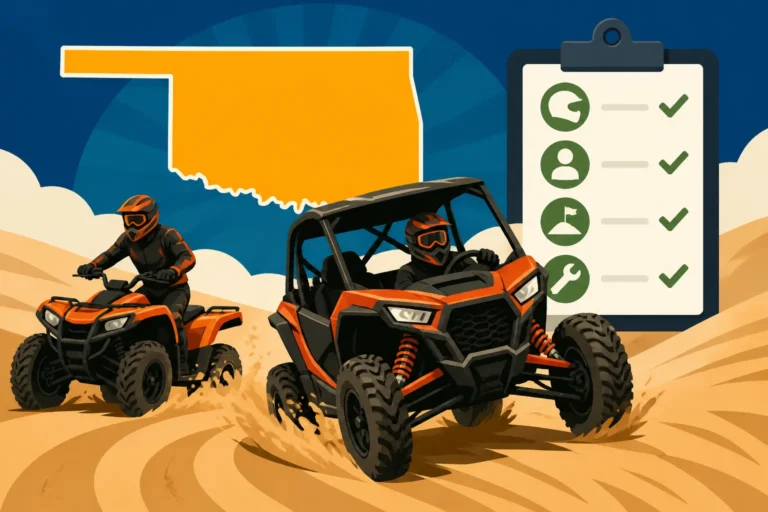
Riding your ATV or UTV out on public roads in Oklahoma can feel like navigating a legal minefield. Many of us dream of taking a quick trip down a county road to visit a friend, access a different part of our land, or just enjoy the scenery beyond the dirt trails, only to be met with confusion about what's actually allowed. This comprehensive guide will unravel the complexities of Oklahoma's ATV and UTV road laws, focusing specifically on the pivotal role of county commissioners in opening local roads to off-road vehicles.
The Patchwork of Oklahoma ATV Road Rules
Oklahoma's laws regarding ATV and UTV use on public roads can be incredibly frustrating to decipher. It's not a simple "yes" or "no" answer, which leaves many riders feeling lost and uncertain about where they can legally ride. The state's approach has evolved, creating a blend of general prohibitions, specific exceptions, and local controls that can make a short ride down a rural lane feel like a risk.
The General Prohibition: Why Roads Are Usually Off-Limits
For the most part, Oklahoma law states that ATVs and UTVs are not designed for, nor are they generally permitted on, public streets, roads, or highways. This isn't just a suggestion; it's a foundational rule. The primary reason for this prohibition is safety. These machines are built for off-road terrain – rugged, uneven ground, and low-speed maneuverability – not the high speeds, paved surfaces, and traffic demands of public roadways. They lack many of the safety features found on street-legal vehicles, like appropriate lighting, turn signals, and crash protection, making them inherently more dangerous in a mixed-traffic environment. This general ban aims to protect both the ATV/UTV riders and other motorists who might not anticipate an off-road vehicle on a paved surface. It's a tough pill to swallow when you just want to get from Point A to Point B without trailering your machine.
Limited Exceptions: Crossings and Farm Use
While the general rule is restrictive, Oklahoma law does provide a few specific, tightly controlled exceptions. For instance, you are generally allowed to cross a public road or highway, but under very strict conditions. This isn't an open invitation to cruise down the road; it's about connecting trails or property. The law typically dictates that these crossings must occur at a right angle, be done in daylight, and only on roads with a posted speed limit of 35 mph or less. Speed limits are not the only factor, as you also need to ensure it's safe to do so. You can learn more about these specifics in [Oklahoma Highway Crossings in Daylight].
Another significant exception is for agricultural purposes. If your ATV or UTV is being used as an "instrument of husbandry," meaning it's engaged in legitimate farming or ranching activities, it often gets a pass on certain public roads. This could mean driving a UTV down a county road to move equipment between fields or check on livestock on adjacent properties. However, this isn't a blanket exemption for joyriding. The machine must be actively involved in farm work, and even then, there might be limitations on the types of roads or the duration of travel. Understanding [Oklahoma Farm Use on County Roads] is crucial if you rely on your machine for agricultural tasks. It's a common area of confusion, as many assume "farm use" means absolute freedom, but that's rarely the case.
The Key Distinction: ATVs vs. Street-Legal UTVs
It's absolutely critical to understand that the general rules for ATVs and UTVs are separate from the specific category of "street-legal UTVs." Many riders mistakenly believe that if some UTVs can be on the road, theirs can too, but this is a significant misunderstanding. Street-legal UTVs are a distinct class of vehicle in Oklahoma, requiring specific modifications, registration, and yearly renewals – a stark contrast to the one-time registration for off-road ATVs.
A street-legal UTV must meet a laundry list of equipment requirements, including turn signals, brake lights, headlights, taillights, a horn, rearview mirrors, a windshield, and often DOT-approved tires. These aren't just suggestions; they are legal necessities to get a road plate. Without these, your standard off-road UTV, no matter how capable, cannot be legally registered for street use. For instance, many riders turn to aftermarket providers like SuperATV for essential components such as windshields, turn signal kits, or mirrors to meet these stringent requirements. If you're considering making your UTV street-legal, delving into [Oklahoma's Street-Legal UTV Class Explained] will be incredibly helpful, as it lays out the precise steps and equipment needed to navigate this separate pathway. These machines even get a different type of decal and an annual renewal, distinguishing them clearly from their off-road counterparts.
The Power of Your Local County Commissioners
This is where the local control aspect really comes into play, creating the "patchwork" of rules that drives many riders crazy. While the state sets the general framework, individual county commissioners wield significant authority in determining specific road access for ATVs and UTVs within their jurisdiction. This local power is often overlooked but is absolutely paramount to understanding where you can and cannot ride.
How County Commissioners Make Decisions
County commissioners are elected officials responsible for the administration of county government, which includes maintaining county roads and bridges. Part of their authority stems from their intimate knowledge of local conditions – traffic patterns, road safety concerns, agricultural needs, and community preferences. When it comes to allowing ATVs and UTVs on county roads, they don't make decisions lightly. They often consider public safety, the condition of the roads, and the needs of local residents.
Their decision-making process typically involves public meetings, discussions with constituents, and sometimes consultations with local law enforcement or county engineers. They might hold open forums where residents can voice concerns or support for specific ordinances. This means that if you're passionate about opening more county roads to ATVs, your best bet is to engage with your local commissioners, present a well-reasoned case, and be prepared to discuss safety and responsible riding practices. It’s not just about what you want; it’s about what they believe is best for the entire county.
The Process of Opening County Roads
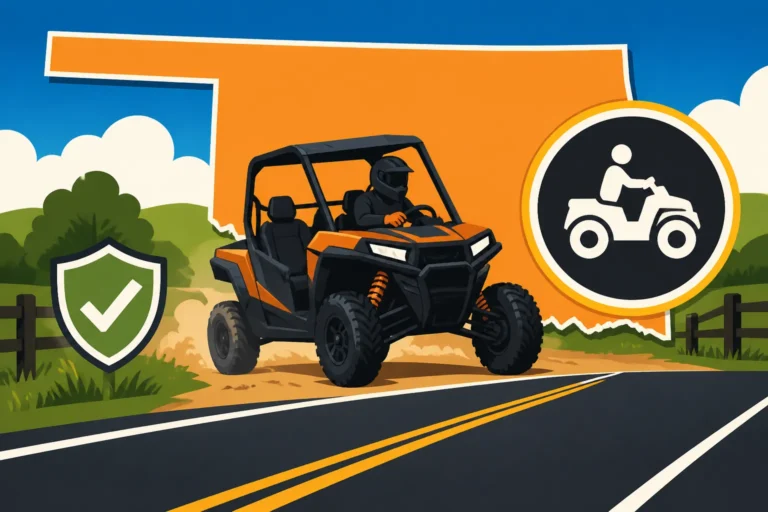
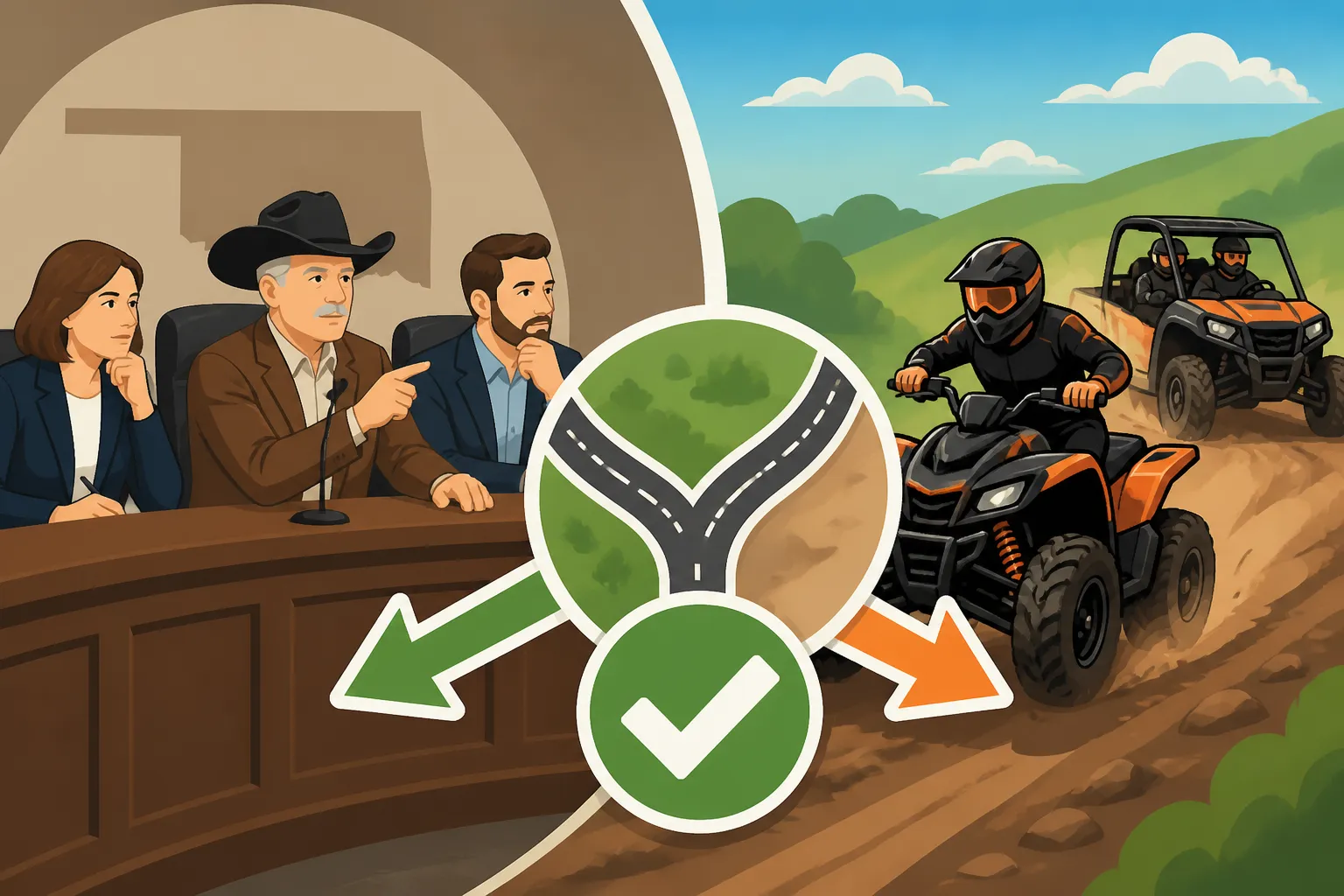
For county roads to be officially opened for ATV and UTV use, the county commissioners must pass a formal resolution or ordinance. This isn't something that happens with a handshake or a casual agreement; it's a legal process. The ordinance will specify which roads, if any, are open, under what conditions, and potentially for what types of machines or uses. For example, an ordinance might open certain low-traffic rural roads but keep others, especially those near schools or residential areas, off-limits. They might also impose speed limits specific to ATVs or UTVs, or require certain safety equipment beyond state minimums.
This process ensures that any changes to road access are formally documented and legally enforceable. It also means that different counties can have wildly different rules, leading to the confusing situation where you might be legal on one side of a county line but illegal on the other. This is why checking local rules is so vital before you ever put a wheel on a county road. The authority of [Oklahoma County Commissioners and ATV Roads] is significant and can create unique riding opportunities or restrictions depending on where you are in the state.
What an Ordinance Actually Means for Riders
When a county commission passes an ordinance opening certain roads, it essentially creates a local exception to the general state prohibition. This is huge for riders, but it comes with caveats. You must abide by all the conditions outlined in that specific ordinance. If it says you can only ride on unpaved county roads, then riding on a paved one, even if it's still a county road, could get you a ticket. If it sets a speed limit of 25 mph for ATVs, exceeding that is a violation.
Furthermore, these ordinances typically apply only to county roads, not state highways, U.S. highways, or municipal streets (unless a specific municipal ordinance allows it, which is another layer of complexity discussed in [Oklahoma Municipal Ordinances That Open Streets]). This means even if your county has opened certain roads, you still can't just jump on a major highway. It's crucial to obtain and understand the exact text of any relevant ordinance, rather than relying on hearsay or outdated information. Ignoring these details can quickly turn a casual ride into an expensive interaction with law enforcement.
Finding Out Which Roads Are Open in Your County
So, you're convinced that county commissioners hold the key, but how do you actually find out what roads they've opened in your county, or a county you plan to visit? This is often the hardest part, as there isn't one centralized statewide database for every local ordinance. It requires a bit of detective work, but it's absolutely essential to ride legally and avoid potential fines.
Connecting With Your County Commissioner's Office
The most direct and reliable way to get information about ATV and UTV road access is to contact your county commissioner's office. Every county has three commissioners, each representing a district. You can usually find their contact information on the county's official website. Don't be shy; they are public servants, and it's their job to provide information on county ordinances and regulations.
When you call or visit, be specific about your query. Ask if there are any resolutions or ordinances that permit ATV or UTV use on county roads, and if so, request a copy of the official document. This ensures you're getting information straight from the source. They might even be able to provide maps or highlight specific roads that are open. Be prepared for them to ask you questions about your machine or intended use, as they may want to gauge the community impact of such rules. If you're moving to the state or visiting, reaching out to the specific county you plan to ride in is a smart first step.
Scouring Local Ordinances and Maps
Beyond a direct call, many counties now publish their ordinances and resolutions online. This might be on the county clerk's website, the commissioner's page, or even a dedicated "Code of Ordinances" section. Searching these online portals for terms like "ATV," "UTV," "off-road vehicle," "motorized recreation," or "county roads" might yield results. Be thorough, as these documents can sometimes be buried deep within a county's digital archives.
Some counties, particularly those with popular riding areas or agricultural communities, might even have specific maps indicating which roads are open or restricted. These maps can be invaluable visual aids, helping you plan your routes and stay within legal boundaries. Always double-check the date of the ordinance or map you find, as regulations can change over time. An outdated map could lead you astray, so verify that the information is current. For general guidance on what to expect, [Oklahoma Rules for Riding a County Road] provides a good overview of common restrictions.
Word of Mouth and Local Knowledge: Proceed with Caution
While talking to local riders, gas station attendants, or folks at the local hardware store can provide some insights, relying solely on "word of mouth" is a risky strategy. Local lore can be outdated, misinterpreted, or simply wrong. Someone might tell you, "Oh yeah, everyone rides their UTVs on these roads," but that doesn't make it legal or safe. What one person considers "farm use" might not align with legal definitions, or they might be talking about a time before a new ordinance was passed.
Always verify any local advice with official sources. It's better to spend a little extra time confirming the rules than to face a fine or, worse, an accident due to misinformation. Remember, law enforcement officers will enforce the written law, not what "everyone says" is okay. If you're modifying your UTV with aftermarket parts, say from SuperATV, to meet certain safety standards for limited road use, ensure those modifications align with any local ordinances and state laws. This is particularly important for things like lighting or turn signals, which might be explicitly called out in an ordinance.
Equipment and Safety Considerations for County Road Riding
Even if you find a county road where ATVs and UTVs are permitted, you can't just jump on and go. There are crucial safety considerations and often additional equipment requirements that go beyond what you might need for strictly off-road riding. The moment you enter a public right-of-way, even a low-traffic county road, the expectations for safety and visibility shift dramatically.
Basic Safety Gear Beyond the Dirt Trail
While helmets are always a good idea when riding an ATV or UTV, Oklahoma law specifically mandates them for riders under 18 years of age on public lands or roads. So, if your teenager is riding on an open county road, a helmet isn't optional; it's a legal requirement. You can find more about this in [Oklahoma Helmet Law for Riders Under 18]. Beyond helmets, consider protective eyewear, gloves, and sturdy boots, even for a short road ride. These aren't just for crashes; they protect against road debris, sun glare, and dust kicked up by other vehicles.
Visibility is also paramount. Even on a quiet county road, you're sharing the space with cars, trucks, and farm equipment. Wearing bright, high-visibility clothing can make a huge difference. While not always legally mandated for off-road machines on county roads, the principle of being seen is crucial. Think about adding reflective tape to your machine or helmet, especially if you anticipate riding near dawn or dusk. Headlights and taillights should be clean and fully functional, even if it's broad daylight; a small increase in visibility can prevent a major incident.
Machines Modified for Road Use (and the Limits)
Some riders modify their ATVs or UTVs with the intention of making them more road-friendly. This might include adding turn signals, mirrors, or upgrading lighting. While these modifications can certainly enhance safety and visibility, it's vital to understand that they typically do not automatically make your machine street-legal in the eyes of the state. As discussed, a street-legal UTV is a very specific designation with its own registration requirements. Adding a SuperATV turn signal kit to your quad might make it safer for road crossings or limited county road use, but it doesn't mean you can then drive it everywhere a car can go.
The critical distinction is between making a machine safer for limited road interactions and making it legally street-legal. For general ATV/UTV county road use (where permitted by ordinance), enhancements like brighter LED headlights, a horn for signaling, and a flag for visibility (especially in dusty conditions or hilly terrain) are smart additions. However, these are often about responsible riding practices, not about meeting a "street-legal" checklist for a license plate. Always consult the specific county ordinance for any equipment requirements they might impose on top of state laws.
What Law Enforcement Looks For
When a state trooper, county deputy, or even a local park ranger (if you're near a public access area) pulls you over on a county road, they're looking for several key things. First and foremost, they'll want to verify that you're legally allowed on that specific road. This means they'll be checking if a county ordinance permits ATV/UTV use there. If there's no such ordinance, or if you're on a prohibited road, that's often the immediate reason for a stop.
They'll also be looking at your conduct: Are you speeding? Are you riding recklessly? Do you have proper safety gear, especially if you're under 18? They might also check your machine for basic functionality like working headlights/taillights, and whether your ATV or UTV is properly registered and titled. You might also be asked for proof of ownership and identification, so having your [Oklahoma Registration Application Explained] or a copy of your title on hand is a good idea. While Oklahoma does not require insurance for general ATV registration, if you're operating a street-legal UTV, insurance is a requirement. They'll assess the overall safety of your operation. Remember, even minor infractions like operating on an unapproved road can lead to citations, and in Oklahoma, [Oklahoma Penalties Capped at $25] for ATV violations are relatively low, but court costs can add up.
Understanding Street-Legal UTVs: A Different Ballgame
It's worth reiterating and expanding upon the street-legal UTV concept because it's the primary way an off-road vehicle can legitimately and broadly access public roads in Oklahoma. This class of vehicle exists entirely separately from the general ATV/UTV rules governed by county commissioners. If you want to ride on more than just specific, designated county roads, this is often the path you need to explore.
The Specific Legal Framework for Street-Legal UTVs
In 2021, Oklahoma passed legislation that created a distinct category for "special purpose utility vehicles," commonly known as street-legal UTVs. This was a game-changer for many riders who longed for more road access. This legislation outlined a clear path for UTVs to be registered and titled for on-road use, much like a car or motorcycle. It wasn't about relaxing the rules for all ATVs and UTVs; it was about defining a new class that met specific safety and equipment standards.
This legal framework means that if your UTV meets all the requirements, it gets a standard license plate and an annual registration decal, distinguishing it from an off-road registered machine. This plate allows it to be driven on most public roads, with a few critical exceptions. This is a very different beast from the specific, limited allowances granted by county commissioners for general ATV/UTV use. For a deeper dive into how this class was established, [How Oklahoma Created a Street-Legal UTV Class] provides excellent background.
Key Equipment Differences for Road Plates
To qualify as a street-legal UTV in Oklahoma, your machine must be equipped with a comprehensive list of safety features. These aren't suggestions; they are mandates that your local tag agency will check for during the titling and registration process. The list includes:
- Headlights: Both high and low beams, DOT compliant.
- Taillights and Brake Lights: Functional and visible from the rear.
- Turn Signals: Both front and rear, clearly visible. Many riders choose aftermarket kits from companies like SuperATV to add these.
- Rearview Mirrors: Typically one on the driver's side and either a passenger-side mirror or a center rearview mirror.
- Horn: An audible warning device.
- Windshield: A non-shattering windshield.
- Seatbelts: For all occupants.
- DOT-Approved Tires: Tires designed for road use, not just off-road.
- Brakes: Fully functional brakes on all wheels.
- Exhaust: A muffler that meets noise requirements.
Without these, your UTV simply won't get a road plate. This extensive list is what differentiates a street-legal UTV from a typical off-road machine and ensures a baseline level of safety for public road use.
Where Street-Legal UTVs Can (and Can't) Go
While a street-legal UTV gets significantly more road access than an unregistered ATV or UTV, it's not entirely unrestricted. There are still limitations. Generally, street-legal UTVs are permitted on most public roads, including state highways, as long as the posted speed limit does not exceed certain thresholds. However, a major restriction is that [Oklahoma Street UTVs Stay Off Interstates] and US highways. These are generally considered too high-speed and dangerous for these vehicles.
Individual municipalities also retain the right to restrict street-legal UTV use on certain city streets or within specific zones, so even with a road plate, it's always wise to check local city ordinances if you plan to ride within city limits. The key takeaway here is that while a street-legal UTV offers far greater freedom on Oklahoma roads than a non-street-legal off-road vehicle, it still operates within a specific set of rules. Understanding these distinctions is paramount to avoiding citations and ensuring your safety on the road.
| Feature / Type | General ATV/UTV on County Roads (by Ordinance) | Street-Legal UTV (with Road Plate) |
|---|---|---|
| Registration | One-time off-road decal | Annual vehicle registration/plate |
| Primary Use | Off-road, limited county road access | On-road, trail access (if allowed) |
| Road Access | Only on county roads opened by commissioners | Most public roads (state highways allowed, not interstates/US highways) |
| Licensing | No specific license beyond valid driver's license for operator | Valid driver's license (no motorcycle endorsement needed) |
| Insurance | Not required for off-road use | Required for road plate |
| Equipment Req. | Basic lights, specific per county ordinance | Extensive (turn signals, horn, mirrors, windshield, DOT tires) |
| Speed Limits | As per ordinance/road type | Generally up to 50 mph on state highways |
| Renewals | Never renews off-road decal | Annual renewal for road plate |
This table helps illustrate the significant differences between a standard off-road machine, even when granted limited county road access, and a fully street-legal UTV.
Disclaimer
This article is for general informational purposes only and does not constitute professional advice. Laws, prices and regulations vary by location and change over time. Consult a qualified professional for guidance on your specific situation.