Oklahoma Bills That Would Change This
It’s a common frustration for many ATV and UTV enthusiasts across Oklahoma: you love hitting the trails or using your machine for work, but getting from point A to point B often feels like a logistical puzzle, especially when public roads are involved. The current laws can be a real head-scratcher, leaving many riders wondering if they’ll ever see more flexibility. This guide is all about exploring the ongoing efforts to change those rules, diving into the bills and legislative discussions that aim to expand where and how you can ride your off-road machine in the Sooner State.
Understanding Oklahoma's Current ATV and UTV Road Laws
Before we can really dig into how things might change, it’s crucial to understand the lay of the land right now. Oklahoma, like many states, has a complex relationship with off-road vehicles and public roads. For the longest time, the general rule has been: off-road machines stay off the pavement. This isn't out of spite, but often due to concerns about safety, vehicle design limitations, and traffic flow.
Current Restrictions on Public Roads
For the vast majority of ATVs and UTVs in Oklahoma, riding on public roads is simply not allowed. We're talking about county roads, city streets, and state highways. This can be incredibly inconvenient if your riding spot is just across a short stretch of blacktop, or if you use your side-by-side for chores that require you to briefly traverse a public right-of-way. Imagine living on a rural property where your pasture is split by a county road, and you need to move equipment or check fences. Legally, you’d have to load your machine onto a trailer just to cross a few hundred feet, which is hardly practical. This restriction often feels like a major barrier to the everyday utility of these machines, especially for those in agricultural areas or folks who just want to enjoy their property without feeling confined. It’s a common source of tickets and frustration, and it’s why many riders are eager for changes.
The Street-Legal UTV Exception
However, there's been a significant shift in recent years with the introduction of a specific class for street-legal UTVs. This isn't just about throwing a license plate on your side-by-side and calling it good; it involves a series of specific modifications and requirements that transform a standard UTV into a road-worthy vehicle under Oklahoma law. These machines must meet certain equipment standards – things like turn signals, rearview mirrors, a horn, headlights, and taillights that are up to snuff. [Oklahoma Street-Legal UTV Requirements] goes into much more detail on what exactly you need. Once equipped and properly registered, these UTVs can obtain a special "road plate" that allows them to travel on many public roads, though still with some limitations, such as staying off interstates and U.S. highways. This exception was a huge win for many riders, opening up new possibilities for commuting short distances, accessing trails, or even just driving to a neighbor’s house without a truck and trailer. It shows a willingness within the state legislature to adapt to the evolving landscape of off-road vehicle use, even if it requires significant investment in aftermarket parts.
Why Riders Advocate for Broader Road Access
The push for broader road access for ATVs and UTVs isn't just about recreational fun, though that's certainly part of it. There are very practical, economic, and social reasons why many Oklahomans and rider advocacy groups continue to lobby for changes to existing laws. The current restrictions can feel outdated and out of step with how people actually use their machines.
Convenience and Utility for Daily Tasks
For countless Oklahomans, ATVs and UTVs are not just toys; they are essential tools. Farmers, ranchers, and rural landowners rely on these machines for everything from checking livestock and hauling feed to maintaining fences and accessing remote parts of their property. Imagine a rancher whose cattle graze on land bisected by a county road. Having to trailer their UTV for a short crossing is not only time-consuming but also a significant impediment to their daily operations. Similarly, many rural residents use their side-by-sides to run quick errands, pick up mail, or visit neighbors without having to fire up a larger, less fuel-efficient truck. The sheer convenience of being able to legally traverse a short stretch of road for these routine tasks would be a game-changer. It’s about making everyday life easier and more efficient for those who live and work off the beaten path, and bills aimed at expanding access often highlight these practical benefits. Many riders already invest in accessories from brands like SuperATV for utility, like winches or cargo beds, and allowing them on more roads would maximize that investment.
Boosting Local Economies and Tourism
Beyond personal convenience, expanding road access for ATVs and UTVs also holds significant potential for economic growth, particularly in rural and recreational areas. When riders can legally connect trails or access amenities like gas stations, restaurants, or lodging via their off-road vehicles, it encourages them to spend more time and money in those communities. Think about a small town near a popular riding destination; if riders can easily drive their UTVs into town for lunch or to grab supplies, those local businesses see a direct boost. This is especially true for destinations like Little Sahara State Park, where visitors might want to ride their machines from a campground to a local diner. [Oklahoma Little Sahara State Park in Oklahoma] draws thousands of riders, and if those riders could legally venture into nearby Waynoka on their machines, it would create a significant economic ripple. Bills that propose opening more roads often include provisions for local municipalities and counties to opt-in, allowing communities to embrace this potential for tourism and economic development. It’s a way to leverage Oklahoma's natural beauty and growing interest in off-road recreation into tangible benefits for its towns and cities.
Common Themes in Proposed Legislation
When you look at the various bills and proposals that come up in the Oklahoma legislature regarding ATVs and UTVs, certain themes tend to emerge repeatedly. These themes reflect the core desires of riders, the concerns of safety advocates, and the practical realities of governing road use. Understanding these common threads helps predict the direction future legislation might take.
Expanding County and City Authority
One of the most persistent themes in proposed legislation is giving more control to local governments – specifically county commissioners and city councils – over where and how ATVs and UTVs can operate on roads within their jurisdictions. Currently, the state often dictates these rules, but local communities are far more familiar with their unique road networks, traffic patterns, and the needs of their residents. A county in the vast, rural western part of the state, for instance, might have very different needs and concerns than a densely populated urban center. Bills often suggest a framework where the state sets general guidelines, but individual counties or municipalities could then pass their own ordinances to open specific roads or areas to off-road vehicles. This approach aims to strike a balance, allowing for increased flexibility where it makes sense locally, while preventing a blanket statewide opening that might be inappropriate for some areas. It empowers local leaders to respond directly to the desires of their constituents, whether they are farmers needing to cross a section road or business owners hoping to attract more recreational riders. [Oklahoma County Commissioners and ATV Roads] highlights the existing power these bodies already have, and bills often seek to expand it.
Standardizing Equipment and Safety Requirements
Another common thread in legislative discussions is the push for standardized equipment and safety requirements, especially if road access is to be expanded. If more ATVs and UTVs are going to be sharing the road with cars and trucks, they need to be visible, controllable, and predictable. This means proposals frequently suggest mandatory items like turn signals, rearview mirrors, working headlights and taillights, and potentially even specific tire types or braking standards. The aim here is to enhance safety for everyone on the road, including the ATV/UTV rider. For example, a UTV that currently only has basic headlights for trail use might need brighter, road-legal lights if it's going to be on a public street at dusk. Many riders already upgrade their machines with robust aftermarket accessories from companies like SuperATV, ensuring they have high-quality lighting, mirrors, and horns that would meet or exceed these potential new standards. Beyond equipment, there are also discussions around rider age limits, operator licensing, and whether a safety course should be mandatory for road use. These provisions are often designed to address public safety concerns that arise whenever new vehicle types are introduced to public roadways, making the case for expanded access more palatable to legislators and the general public.
How Bills Aim to Reshape Road Riding
The legislative process is often about amending existing laws or creating new ones entirely. When it comes to changing ATV and UTV road rules, bills typically take one of two main approaches: modifying the current statutes or introducing completely new categories of vehicles or permits. These approaches each have their own implications for riders.
Amendments to Existing Statutes
Many proposed bills seek to amend current Oklahoma statutes that govern off-road vehicles or traffic laws. This often involves tweaking definitions, adding exceptions, or adjusting penalties. For example, an existing law might explicitly prohibit ATVs on all public roads. An amendment could then add a clause stating, "except for county roads designated by resolution of the county commissioners," thereby creating a specific legal pathway for expanded access without completely rewriting the entire framework. Another common amendment might involve altering the speed limits for ATVs when crossing certain roads, or extending the definition of an "agricultural implement" to include specific UTV uses on roads for farming purposes. These kinds of changes are often seen as less disruptive than creating entirely new legal structures, as they build upon existing legal precedent. They can, however, be quite specific, sometimes only applying to certain types of machines, certain road classifications, or specific hours of the day, such as allowing [Oklahoma Highway Crossings in Daylight] but not at night. The goal is usually to address specific pain points or clarify ambiguities in the current laws, making it easier for law enforcement and riders alike to understand what is and isn't permitted.
Creating New Vehicle Classes or Permit Systems
Beyond amending existing laws, some legislative proposals aim for more fundamental changes by creating entirely new classes of vehicles or implementing new permit systems. We've already seen this with the successful creation of the street-legal UTV class, which essentially defined a new category of vehicle with its own set of rules and registration requirements, including [Oklahoma Annual Plates for Street UTVs]. Future bills might propose a similar approach for other types of off-road vehicles, perhaps distinguishing between utility-focused UTVs and recreational ATVs, or creating a "neighborhood electric vehicle" type class that would include certain low-speed UTVs. Another angle is a permit-based system. Imagine a scenario where, similar to some other states, Oklahoma could introduce a "road access permit" that, when purchased and displayed, would allow a rider to operate a compliant ATV or UTV on specific, pre-approved local roads. This system could involve an application process, a fee, and perhaps even a mandatory safety course. This would allow for a more controlled expansion of road access, ensuring that only informed and equipped riders are taking their machines onto public thoroughfares. It also offers a way for the state to generate revenue that could potentially be earmarked for road maintenance or ATV-related safety programs, making the proposals more attractive to budget-conscious legislators.
The Legislative Process: From Idea to Law
Understanding the journey a bill takes from a simple idea to a signed law is key to appreciating why change can be slow and often requires significant effort from proponents. It's not a quick sprint; it's a marathon that involves many steps, debates, and compromises.
Tracking Bills Through the Capitol
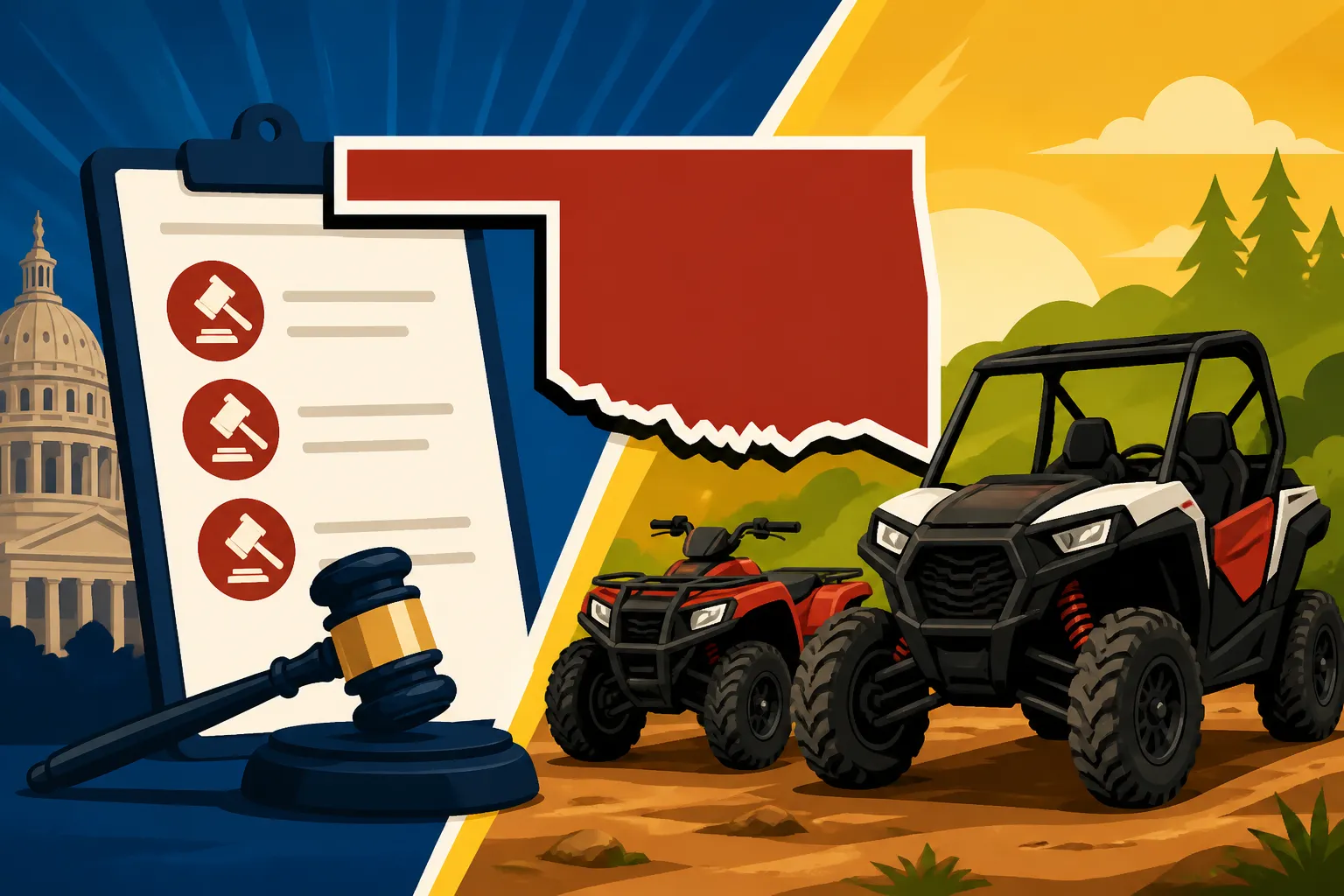
The process typically starts when a legislator, often spurred by constituents or advocacy groups, drafts a bill addressing ATV/UTV road access. Once introduced, this bill gets assigned to a committee in either the House or Senate, where it may or may not receive a hearing. If it passes committee, it moves to the full chamber for a vote. If passed by one chamber, it then goes to the other for the same process. And if both chambers pass different versions, a conference committee tries to reconcile the differences. This whole journey can be lengthy and complex. Riders who want to stay informed often track bills through the legislative website, watching for committee assignments, hearing dates, and votes. It can be frustrating to see a well-intentioned bill stall in committee or fail to gain traction, but that's a common reality of the legislative process. Keeping up with which bills are active, like [Oklahoma Bills That Would Change This] (the very topic of this article!), requires constant vigilance. Organizations and individuals passionate about expanding ATV/UTV road access often dedicate significant time to this tracking, understanding that timing and political will play huge roles.
The Role of Advocacy Groups and Rider Input
This is where individual riders and organized advocacy groups truly shine. Legislators are busy, and they rely on input from their constituents and experts to make informed decisions. Rider groups, such as local ATV clubs or statewide organizations, play a crucial role in educating lawmakers about the practical benefits and safety considerations of expanded road access. They can present data on economic impact, share personal stories of how current laws hinder rural living, and offer solutions that address potential safety concerns. For example, showing how many riders already outfit their machines with appropriate lights, mirrors, and horns (often from companies like SuperATV) can demonstrate a commitment to safety from the riding community. Beyond organized groups, individual riders also have a powerful voice. Calling or emailing your state representative and senator, sharing your personal experiences, and explaining why a particular bill matters to you can make a significant difference. It’s about building relationships, providing clear and concise information, and demonstrating a united front. Without this sustained input and advocacy, many bills that aim to expand riding opportunities might never make it off the drawing board.
Anticipating Future Changes and Rider Impact
While predicting the future of legislation is impossible, understanding the current trends and ongoing discussions allows us to anticipate potential changes and consider how they might impact Oklahoma riders. The landscape is always evolving, and staying prepared is the best approach.
What Riders Should Look For in New Bills
As new legislative sessions begin and more bills related to ATV and UTV use are introduced, riders should keep an eye out for several key provisions. First, look for language that specifically broadens the types of roads open to ATVs and UTVs. Will it allow access to all county roads, or only those designated by local officials? Will it differentiate between paved and unpaved roads? Second, pay close attention to proposed equipment requirements. If you're hoping to ride your current machine on more roads, you'll need to know if it will meet any new mandates for things like turn signals, DOT-approved tires, or specific lighting. Many riders might consider aftermarket upgrades from reputable brands like SuperATV to ensure their machines are compliant and safe. Third, be aware of any changes to age restrictions or licensing requirements. Will a specific endorsement be needed for road use? Will there be new rules for [Oklahoma Teen Rider] operation on public ways? Finally, look for details on new permit systems or fees. Will you need to pay for an annual road-use sticker, similar to how [Oklahoma ATV Registration You Pay Once] works for trail riding? Being proactive in understanding these details will help you determine if a bill is truly beneficial for your riding style and machine.
Preparing for Potential Rule Changes
Given the ongoing dialogue and the consistent introduction of new bills, it’s wise for Oklahoma ATV and UTV owners to be prepared for potential rule changes. This preparation can take several forms. Financially, consider setting aside a budget for potential equipment upgrades if broader road access becomes a reality. Items like mirrors, turn signals, and a horn might become mandatory for road use, even on machines that aren't fully street-legal UTVs. You can find many of these items readily available in the aftermarket. Secondly, stay informed through reliable sources. Follow reputable rider advocacy groups, monitor the Oklahoma legislative website, and talk to your local tag agencies and law enforcement for clarity on current and upcoming regulations. Attending public meetings or engaging with your local officials can also keep you ahead of the curve. Lastly, and perhaps most importantly, continue to ride responsibly and safely. Even if laws expand road access, the responsibility for safe operation always rests with the rider. Adhering to manufacturer guidelines, wearing appropriate safety gear, and being courteous to other road users will not only prevent accidents but also help foster a positive image of ATV/UTV riders, which can only aid future legislative efforts.
Here's a quick look at how current rules might compare to hypothetical changes discussed in the legislature:
| Feature | Current General Rule (ATVs/Non-Street Legal UTVs) | Potential Future Rule (If Bills Pass) |
|---|---|---|
| Road Access | Generally prohibited on public roads | Designated county/city roads may open; limited crossings allowed for utility |
| Equipment Requirements | Basic trail lights, no turn signals/horn | Mandatory turn signals, mirrors, horn, DOT-approved lighting, specific tire types |
| Speed Limits | Not applicable for road use | Posted road speed limits (e.g., 35 mph on designated roads) |
| Age for Road Use | Not applicable (no road use) | 16+ with valid driver's license, potentially no motorcycle endorsement needed |
| Registration/Permit | [Oklahoma ATV Registration You Pay Once] for trail use | Additional road-use permit or special registration plate for road access |
| Insurance | Not required for off-road use | Potentially mandatory liability insurance for road use |
This table is illustrative of the types of discussions happening and the potential directions legislation could take. It highlights that even small changes can have a significant impact on how you use your machine.
Disclaimer
This article is for general informational purposes only and does not constitute professional advice. Laws, prices and regulations vary by location and change over time. Consult a qualified professional for guidance on your specific situation.