Where the Registration Decal Goes on an ATV
Let's face it, getting your ATV or UTV registered in Oklahoma can feel like navigating a maze sometimes. You've gone through the process, paid your fee, and finally have that all-important decal in hand, but then a new question pops up: "Where exactly does this thing go?" It's a common frustration for riders who just want to be compliant and hit the trails without worry, and this guide is here to clear up all that confusion about proper decal placement.
Understanding Oklahoma's Unique Decal System for ATVs and UTVs
Oklahoma has a pretty straightforward, though perhaps unique, system when it comes to registering your off-road machine. Unlike traditional vehicles that might get a full-sized license plate, your ATV or UTV receives a simple decal. This little sticker is your proof of registration, and knowing where it's supposed to live on your machine is crucial for staying on the right side of the law.
Why Oklahoma Uses a Front Decal, Not a Plate
You might be used to seeing a license plate on the back of most vehicles, but for ATVs and UTVs in Oklahoma, the state decided on a different approach. The primary reason for this is practicality. Off-road machines often encounter rough terrain, mud, brush, and various obstacles that could easily damage or obscure a rear-mounted plate. A decal, especially one placed strategically on the front, is less prone to damage and more easily visible for enforcement officers. It's a system designed with the realities of off-road riding in mind, focusing on simplicity and durability. This front-facing decal approach is a distinct feature of our state's registration requirements, setting us apart from many others. If you're curious about the general setup, you can read more about [Oklahoma Issues a Front Decal, Not a Plate].
Think about it: when you're out on the trails or crossing a section line road, a state trooper or game warden is most likely to approach your machine from the front. Having that decal clearly visible on the leading edge makes it much easier for them to quickly verify your registration without having to walk all the way around your mud-splattered quad. It streamlines the enforcement process and helps you avoid unnecessary stops. Plus, a small decal is far less likely to snag on branches or get ripped off while you're navigating dense timber or deep brush, which is a common scenario for many Oklahoma riders.
The "Permanent" Nature of Oklahoma ATV Registration
One of the best things about registering an ATV or UTV in Oklahoma is its unique longevity. Once you register your machine and pay that initial fee, your registration decal is good for the life of the machine, as long as it stays with the original owner. That's right – no annual renewals to remember, no yearly fees to budget for. It's a one-and-done deal for the most part, a real relief for busy riders. This "permanent" aspect means you won't be constantly swapping out expired decals, which further emphasizes the importance of placing that initial sticker correctly and securely.
This means you really only have to worry about proper placement once, unless your decal is damaged or lost. Knowing that your registration is effectively lifelong for your ownership period can give you peace of mind. It's a system designed to make life a little easier for ATV and UTV owners in the Sooner State. For more details on this rider-friendly policy, check out [Oklahoma ATV Registration You Pay Once] and [Oklahoma Registration Never Renews]. This long-term approach to registration makes your initial placement of the decal even more critical, as you want it to last.
Specific Decal Placement for ATVs (Quads)
When you're dealing with a traditional ATV, or quad, there's a pretty clear understanding of where that registration decal needs to go. The key word here is "visible." Law enforcement needs to be able to spot that decal without having to search for it. This isn't just a suggestion; it's a legal requirement to ensure compliance.
The General Rule: Highly Visible on the Front
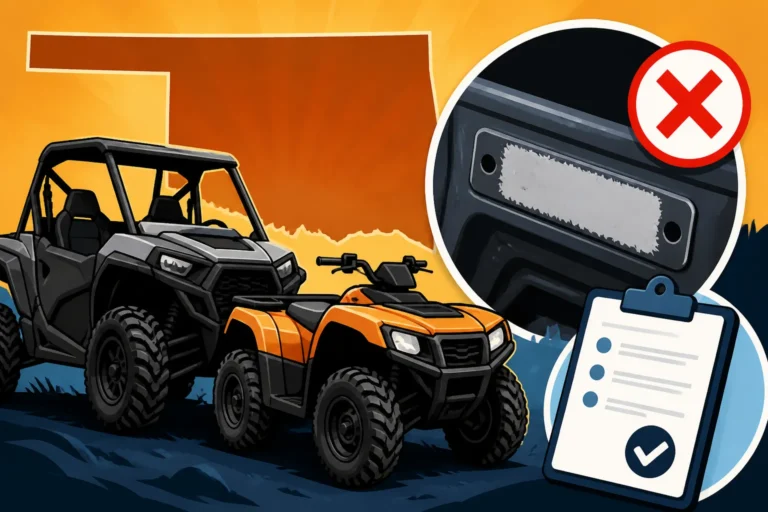
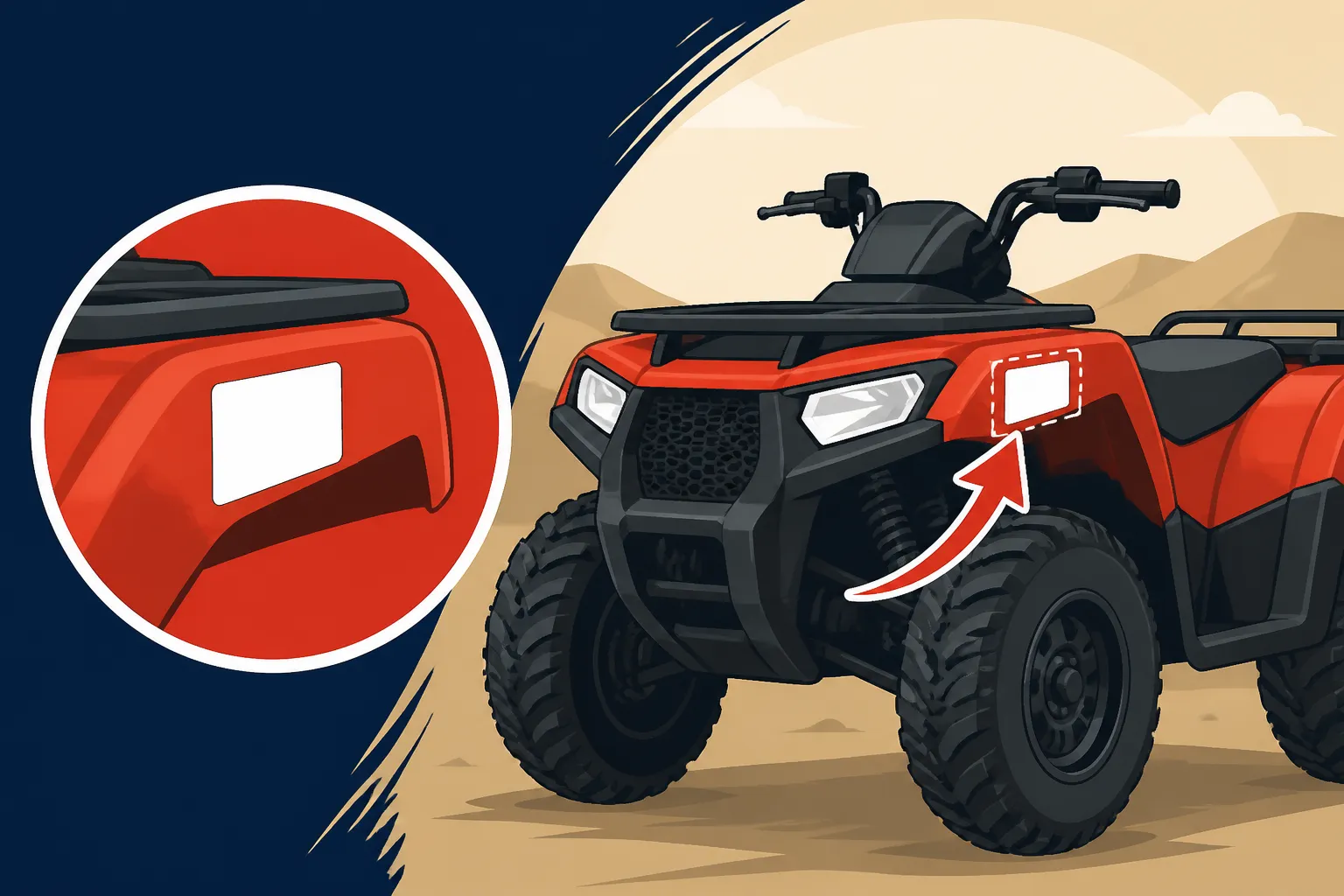
For ATVs, the decal should be placed prominently on the front of the machine. This typically means the front fender, the plastic bodywork near the handlebars, or even on the very front rack if your machine has one. The idea is that an officer, approaching your machine from the front, should immediately see that decal. It should be unobstructed by mud, accessories, or other modifications. Think about the most obvious, flat, and visible spot you can find at the front of your quad.
A good rule of thumb is to choose a clean, flat surface that won't get covered by your hands, gear, or brush while riding. Many riders opt for the upper part of the front fender, right between the headlights. This area is usually flat, provides good adhesion, and is rarely obscured during normal operation. Before applying, make sure the surface is clean and dry. A little rubbing alcohol can help remove any grime or wax, ensuring a strong, lasting bond for your [Oklahoma Decals on the Front of a Machine]. You'll want this decal to stick for the long haul, given that you pay a single fee for its lifetime.
Avoiding Common Placement Mistakes on a Quad
While placing the decal might seem simple, there are a few common pitfalls to avoid that could lead to questions from law enforcement. One mistake is placing it too low on the front bumper where it could easily get caked with mud or torn off by debris. Another is hiding it on the underside of a fender or tucked away where it's not readily apparent. While it technically might be "on the front," if an officer has to get on their hands and knees to find it, it defeats the purpose of easy identification.
Additionally, avoid placing the decal over existing graphics or textured surfaces that might prevent it from adhering properly. A smooth, flat plastic surface is ideal. Some riders also make the mistake of placing it on removable parts like a winch fairlead or a temporary cargo box. Remember, this decal needs to be a permanent fixture on the machine itself, not an accessory that can be easily detached. If you ever have to replace it, perhaps due to damage, knowing [Oklahoma Decal Replacement If Lost] is an option will be helpful. But the best defense is proper placement from the start.
Specific Decal Placement for UTVs (Side-by-Sides)
UTVs, or side-by-sides, present a slightly different challenge than ATVs due to their larger size and often more varied front-end designs. However, the core principle remains the same: front and highly visible.
Front and Center: Visibility on a Side-by-Side
For UTVs, the optimal placement for your Oklahoma registration decal is generally on the front hood, the center console dashboard, or a prominent flat surface on the front grille area. Again, the goal is for the decal to be easily seen by anyone approaching the vehicle from the front. Many UTVs have a large, flat plastic hood or a designated area on the grille that is perfect for this. Choosing a spot that is at eye level or slightly below when standing in front of the machine is usually best.
Consider the design of your specific UTV. Some models have a flat area directly between the headlights, while others might have a broader, flatter surface on the hood itself. Whichever spot you pick, ensure it's on a non-removable part of the chassis or bodywork. The key is to select a location where the decal will stand out and be instantly recognizable as the machine's official registration. For more specific guidance on your larger machine, take a look at [Oklahoma Decal Placement on a Side-by-Side].
Dealing with Accessories and Obstructions
Side-by-sides are often outfitted with a variety of accessories, from winches and light bars to windshields and bumpers. While these additions enhance your riding experience, they can also inadvertently obstruct your registration decal if not carefully considered. It’s crucial to place your decal in a spot that will not be covered or made difficult to see by any aftermarket parts you've installed or plan to install.
For example, if you have a large front bumper or a heavy-duty winch, avoid placing the decal directly behind or below it. Similarly, a full windshield might seem like a good place, but glare or wipers could obscure it. Some UTVs have a small, dedicated flat area on the very front of the hood specifically designed for emblems or decals; this is often an ideal location. If your machine has a prominent fairing or roll cage component at the front, these can sometimes offer a good, visible surface. Just remember to keep it clean and clear. You don't want to give an officer any reason to question your compliance because they can't easily find your official Oklahoma registration.
What Happens If Your Decal Is Lost, Damaged, or Fades
Life happens out on the trails. Rocks fly, mud splatters, and the Oklahoma sun can be relentless. It's not uncommon for a registration decal to become damaged, torn, or fade over time. The good news is that the state anticipates this, and there's a process in place to get a replacement, so you don't have to worry about riding unregistered.
How to Order a Duplicate Decal
If your original registration decal meets an unfortunate end, don't panic. You can obtain a duplicate through your local tag agency or by contacting Service Oklahoma. The process typically involves filling out a form, sometimes called an Application for Duplicate Decal or similar, and paying a nominal fee. You'll usually need to provide proof of ownership, such as your title or previous registration receipt, along with some personal identification.
It's a straightforward process, but it does require you to be proactive. Riding with a missing or unreadable decal is still considered non-compliant, even if you were previously registered. So, as soon as you notice the problem, make plans to get a replacement. Keep in mind that while the original registration is a one-time fee, there will be a separate charge for a duplicate decal. You can find more comprehensive details on how to handle this situation by looking up [Oklahoma Decal Replacement If Lost]. Also, ensure you have all your purchase paperwork handy; if you bought an older machine and needed a solid bill of sale to register it initially, remembering where you filed it (or where you got it from, perhaps a service like LawDepot) will be helpful now.
Avoiding Issues with Law Enforcement
Riding without a visible, intact registration decal is akin to driving a car without a current license plate. It's a violation, and it can lead to a citation. Even if you've paid your [Oklahoma Registration Cost] and are technically registered, if the decal isn't there or isn't readable, you could still face a fine. Law enforcement officers are trained to look for these decals, and a missing one is a red flag.
The best way to avoid issues is to regularly inspect your decal. Before you head out for a ride, especially after a particularly rough one, give your machine a quick once-over. Check the decal's condition and make sure it's still firmly adhered and legible. If it's starting to peel or fade, get a replacement as soon as possible. Carrying a copy of your registration receipt with you, perhaps in a waterproof bag, is also a good backup in case you're stopped and need to prove your machine is indeed registered, even if the decal is compromised. This small step can save you a lot of hassle and explains [What a State Trooper Can Ask to See] and why [Carrying Your Registration on a Section Road] is a good idea.
Why Proper Decal Placement Matters
It might seem like a minor detail in the grand scheme of things, but the correct placement of your Oklahoma ATV or UTV registration decal is more important than you might think. It goes beyond just aesthetics; it's about legality, safety, and ensuring a smooth experience when you're out enjoying the trails.
Compliance with Oklahoma State Law
The most fundamental reason for proper decal placement is compliance with Oklahoma state law. The regulations for off-road vehicles specify that ATVs and UTVs must be registered and display their decal in a visible manner on the front of the machine. Failing to adhere to this rule means you're technically operating an unregistered vehicle in the eyes of the law, even if you've paid all your fees. This can result in fines or other penalties.
Think of it this way: the decal is the physical proof that you've completed your part of the bargain with the state. Without it being properly displayed, that proof is absent or unclear. This could lead to unnecessary stops by law enforcement, explanations, and potentially a citation that could easily have been avoided with correct placement. Understanding the regulations, including [What Oklahoma's $11 Registration Fee Actually Covers], helps you appreciate why every detail matters. Don't fall victim to one of the [Five Registration Mistakes That Cost Riders Money].
The Importance of Visibility for Enforcement
Law enforcement officers—whether they are state troopers, county deputies, or game wardens—rely on these decals for quick and efficient identification of registered vehicles. When they see an ATV or UTV, their first glance is often to confirm it's legally registered. A clearly visible decal allows them to do this swiftly, letting you continue your ride without interruption.
Consider a scenario where multiple machines are riding together. If an officer needs to check registrations, a well-placed decal on each machine makes their job much easier. If decals are hidden, obscured, or missing, it creates doubt and necessitates a more thorough stop and inspection, which takes up everyone's time. By ensuring your decal is visible, you're not just following the law; you're also contributing to smoother interactions with enforcement personnel and showing respect for the rules that keep our riding areas accessible and safe for everyone.
Oklahoma ATV & UTV Decal Placement Guide
| Machine Type | Recommended Placement Area | Specifics | Things to Avoid |
|---|---|---|---|
| ATV (Quad) | Front Fender, Handlebar Area | Flat, smooth surface between headlights or on upper fender. | Too low, hidden, textured surfaces, removable parts. |
| UTV (Side-by-Side) | Front Hood, Grille, Dashboard | Flat, smooth surface on hood, grille, or prominent dash area. | Behind bumpers, obstructed by accessories, windshield. |
| General Rule | Prominent and Unobstructed on Front | Easily visible at first glance from the front. | Anything that covers or makes the decal unreadable. |
Navigating the paperwork for your off-road machine can sometimes feel like a chore, but it's an important part of responsible ownership. This includes the initial titling and registration process itself, where documents like a proper bill of sale are crucial. If you're dealing with older machines, or need a robust document for a private sale, resources like LawDepot can provide customizable bill of sale templates that ensure all the necessary information is included for a smooth transfer of ownership and subsequent registration, making sure you eventually get that all-important decal. Remember, a clear trail starts with clear paperwork.
Disclaimer
This article is for general informational purposes only and does not constitute professional advice. Laws, prices and regulations vary by location and change over time. Consult a qualified professional for guidance on your specific situation.