Riding a County Road for Farm Work Only
It can be incredibly frustrating when you've got important farm work to do, and you need to take your ATV or UTV down a county road to get from one field to another, or to check on livestock, only to worry if you're breaking the law. Many riders assume all off-road machines are banned from public roads, full stop. But in Oklahoma, there are specific provisions for using your quad or side-by-side for legitimate agricultural purposes. This guide will help you understand the rules around riding a county road for farm work only, so you can get your chores done without the added stress of a potential citation.
The "Instrument of Husbandry" Exception in Oklahoma
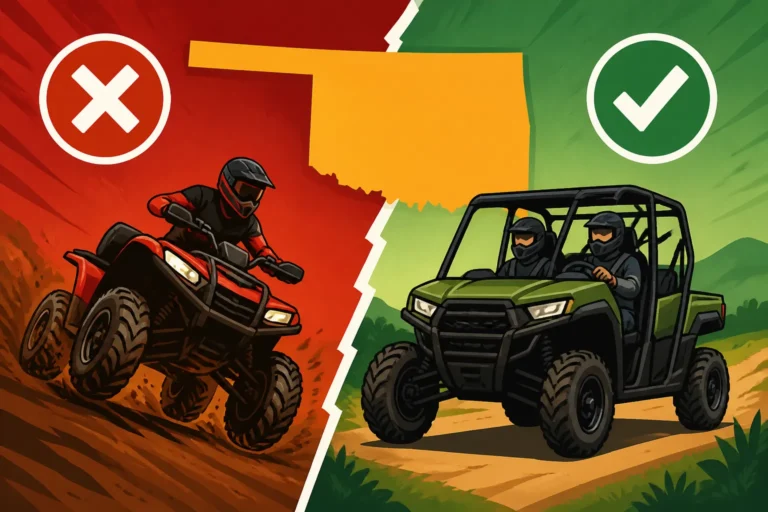
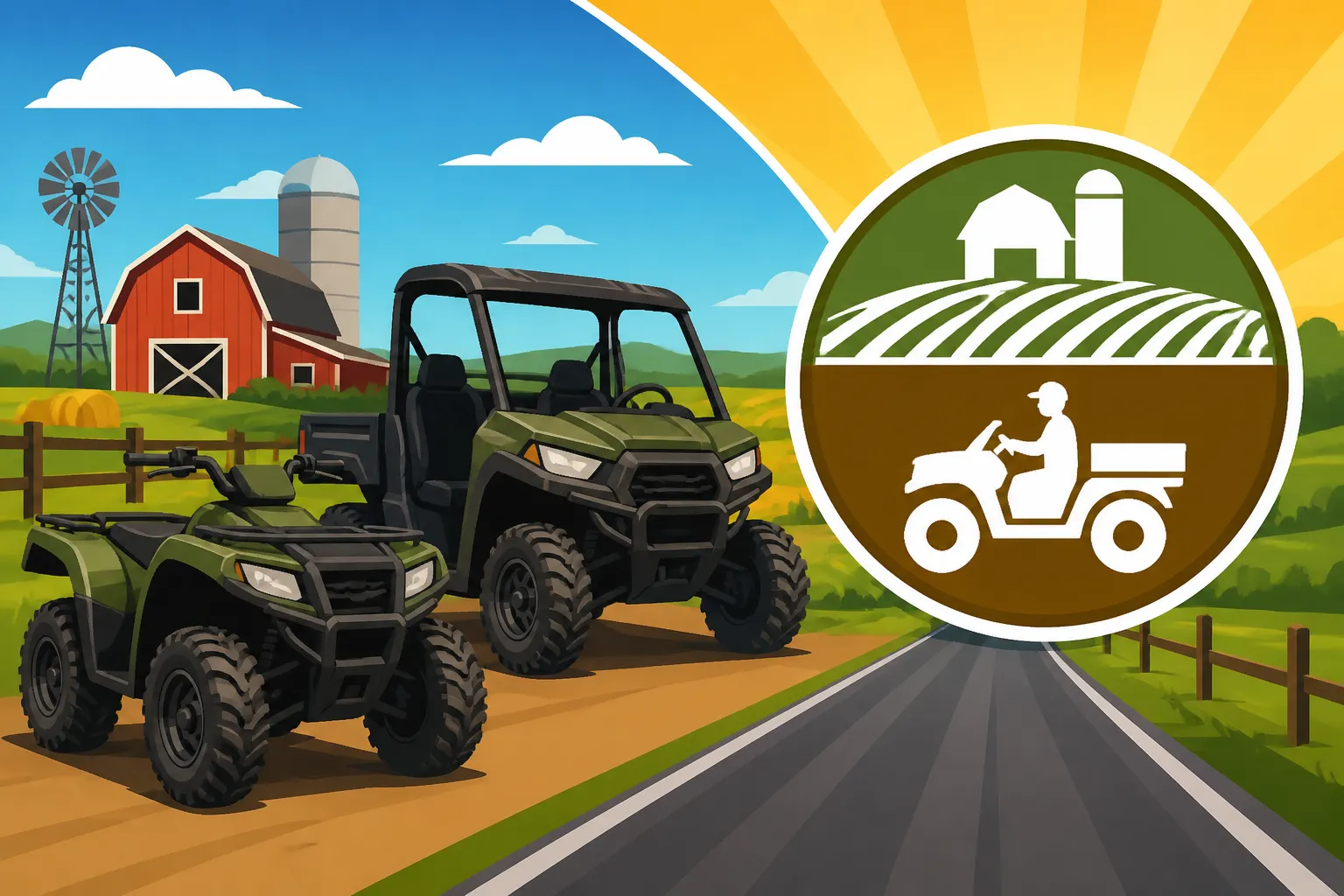
Oklahoma law has a special way of looking at vehicles used primarily for farming or ranching: they can sometimes be considered an "instrument of husbandry." This isn't just a fancy legal term; it's a critical distinction that can allow you to operate your ATV or UTV on public roads when it's genuinely being used for agricultural tasks. It's a recognition that farmers and ranchers often need to move equipment short distances on public thoroughfares to keep their operations running smoothly.
So, what exactly counts as an "instrument of husbandry" in this context? Generally, it's any vehicle or implement used exclusively for farming operations. For your ATV or UTV, this means it needs to be actively engaged in or directly supporting agricultural work. This could be anything from hauling fencing supplies to a distant pasture, moving irrigation equipment between fields, checking on cattle across different sections of land, or even transporting tools for field maintenance. The key here is the purpose of the journey. If you're on your way to fix a fence line, that's farm work. If you're heading to the convenience store for a soda, that's generally not. The law makes a clear differentiation for machines used only for a farm, which we cover in detail in [Oklahoma Farm Use on County Roads].
It's important to understand that this exception primarily applies to county roads. These are the smaller, often unpaved or lightly paved roads that crisscross rural Oklahoma, connecting farms and communities. While some state highways or larger roads might have specific crossing allowances, the "instrument of husbandry" rule is most broadly applied to county roads where agricultural activity is common. You're typically expected to travel the shortest distance possible on the road and to do so safely, minimizing any disruption to other traffic. This isn't a free pass to drive your UTV like a car; it's a practical allowance for essential farm tasks.
Proving Genuine Farm Use on the Road
This is where things can get a little tricky, and it's essential to be prepared. When you're using your ATV or UTV on a county road under the "instrument of husbandry" exception, an officer might stop you to verify your purpose. Being able to clearly articulate and demonstrate that your travel is for genuine farm work is crucial. This isn't about carrying a specific permit; it's about the circumstances of your ride.
Think about the context: are you wearing work clothes? Do you have tools, feed, or agricultural supplies on your machine? Are you heading towards a known pasture, field, or farm building? These are all indicators that support your claim of legitimate farm use. For example, if you're driving a Kawasaki Mule with a full bed of mineral blocks and fencing pliers, heading to the back forty, it's pretty clear you're working. However, if you're on a sport quad in flip-flops with no equipment, claiming you're "checking the crops," it might raise a few eyebrows. The law considers agricultural permit holders exempt from excise tax, but that doesn't automatically cover road use unless it's genuinely tied to farm work. [Farm Permits Still Save You the Excise Tax] is a good read on that.
Here's a small table comparing recreational versus farm use scenarios:
| Factor | Recreational Use Example | Farm Work Use Example | Officer's View |
|---|---|---|---|
| Purpose | Joyriding, visiting a friend in town | Moving hay, checking fences, transporting tools | Farm work is purpose-driven for agricultural tasks. |
| Cargo | Empty, cooler of drinks, personal items | Feed bags, tools, fence posts, sprayer, implement parts | Practical items for agricultural tasks support claim. |
| Route | Circuitous, scenic route, non-farm destinations | Direct route between farm properties, fields, or barns | Shortest, most direct route suggests efficiency, not leisure. |
| Time of Day | Any time, often leisure hours | Daylight hours, often during active work hours | Daylight operation for safety and visibility is implied. |
| Destination | Residential area, local store, recreational park | Field, pasture, another part of the farm property | Destination is directly linked to agricultural activity. |
What happens if your "farm use" is questioned? Be polite and clearly explain what you're doing. If you have farm implements attached or supplies on board, point them out. For many ranchers, a reliable side-by-side with extra storage, perhaps outfitted with a cargo bed organizer or a sturdy tool box from a company like SuperATV, is a daily necessity for carrying feed, fencing supplies, or even a chainsaw out to remote areas. These practical additions lend credibility to your claim of farm work. It’s about presenting a coherent picture of your activities.
Equipment and Safety for Farm Road Use
Even though your ATV or UTV is operating under a farm use exception, safety on a public road is paramount. You're sharing the road with cars, trucks, and other vehicles that are often much larger and faster. While the "instrument of husbandry" rule might not require full street-legal equipment like turn signals or brake lights specifically for road-plated vehicles, common sense and safety dictate certain precautions. [Oklahoma Equipment Required for Street UTVs] outlines the full requirements for machines that are plated for the road, but your farm machine doesn't automatically need all of those.
At a minimum, ensure your machine has working headlights and taillights, especially if there's any chance you might be out during dawn, dusk, or in low-light conditions. Many farmers find that upgrading their lighting with brighter LED options, perhaps from a brand like SuperATV, significantly improves visibility for both themselves and other drivers. You're allowed to cross highways in daylight, but only up to 35 mph, as covered in [Oklahoma Highway Crossings in Daylight], which underscores the need for clear visibility.
Wearing appropriate safety gear, like a helmet, is always a good idea, regardless of the law. While Oklahoma doesn't mandate helmets for adult ATV/UTV riders in general, it does require them for riders under 18 years of age, as explained in [Oklahoma Helmet Law for Riders Under 18]. So, if you have a younger family member helping with farm chores, make sure they're properly geared up. Brightly colored clothing can also make you more visible to other drivers. Keep your speed appropriate for the road conditions and always be prepared to pull over safely to allow faster traffic to pass. Remember, your primary purpose is to get the farm work done, not to test the limits of your machine on public roads.
Local Ordinances and County Commissioner Authority
While the "instrument of husbandry" exception is a state-level provision, it's crucial to remember that local rules can sometimes add another layer of complexity. County commissioners in Oklahoma have the authority to open or close certain county roads to ATV and UTV traffic. This means that even if you're using your machine for legitimate farm work, a specific county road might have restrictions.
However, the "instrument of husbandry" rule is generally robust. Most ordinances enacted by [Oklahoma County Commissioners and ATV Roads] primarily target recreational use. They aim to prevent people from joyriding or creating nuisances on public roads. It's rare for these ordinances to directly impede a farmer's ability to conduct necessary agricultural operations, especially since farming is such a vital part of Oklahoma's economy and heritage. That being said, it never hurts to be aware of any local regulations in your specific county, particularly if you're using your machine on roads you haven't traveled frequently.
The best practice is to stay informed. A quick call to your local county clerk's office or sheriff's department can often clarify any specific local rules for your area. They can tell you if there are any unusual restrictions that might affect your farm operations. Most often, as long as your use is clearly and exclusively agricultural, and you're operating safely and respectfully, you'll be well within your rights. This specific aspect of farm use on public roads is often seen as distinct from general recreational riding, which faces stricter controls, as discussed in [Oklahoma Rules for Riding a County Road].
Navigating these rules means balancing state law with local understanding. Many county residents appreciate and understand the necessity of farm vehicles on their local roads. By being visible, driving carefully, and sticking strictly to farm-related tasks, you reinforce the responsible image that helps maintain these essential exceptions for agricultural communities. For instance, if you've added safety features like a full windshield or mirrors to your UTV, perhaps sourced from SuperATV, it not only enhances your comfort but also makes your machine look more "road-ready" and purposeful to other drivers and authorities.
Disclaimer
This article is for general informational purposes only and does not constitute professional advice. Laws, prices and regulations vary by location and change over time. Consult a qualified professional for guidance on your specific situation.