Planning a Single Trip to the Tag Agency
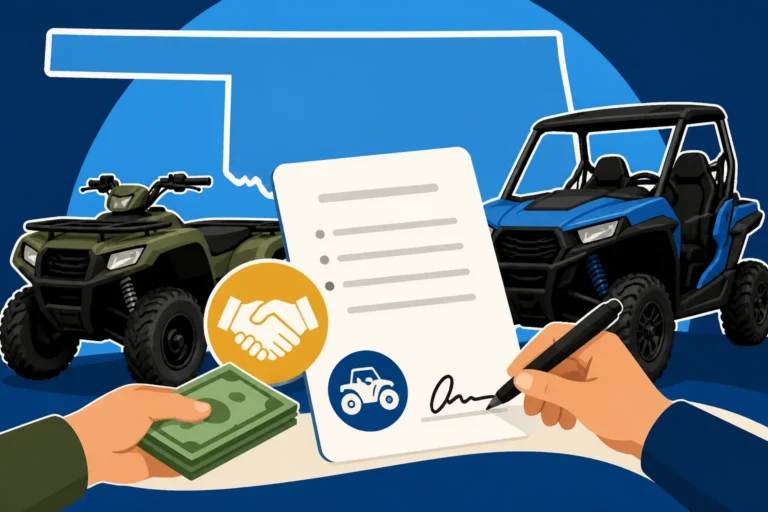
There’s nothing quite like the excitement of bringing home a new-to-you ATV or UTV, whether it’s a gleaming new model from the dealership or a trusty used machine you found through a private sale. But that excitement can quickly turn to frustration when it comes time to handle the official paperwork. Nobody wants to make multiple trips to the tag agency, only to be turned away because of one missing document or a small detail overlooked. This guide is all about helping you understand exactly what you need to prepare so you can make one successful trip to the tag agency and get back to what really matters: riding your machine.
Understanding Why a Single Trip Matters
Let's be honest, time is a precious commodity, and navigating government agencies can often feel like a test of patience. The goal here isn't just convenience; it's about eliminating unnecessary stress, wasted time, and the potential for late fees that can sneak up on you. Making sure you have all your ducks in a row for a single, efficient visit can save you a significant headache down the road.
The Frustration of Multiple Visits
Imagine this: You’ve just spent your Saturday morning loading up the kids, driving twenty miles to the nearest tag agency, waiting in line for half an hour, only to be told you're missing a specific form or a signature. The machine sits at home, ready for adventure, but you’re stuck in bureaucratic limbo. This scenario is far too common, and it’s a feeling of defeat and frustration that we're actively trying to help you avoid. It’s not just the gas money and the time off work; it’s the sheer mental drain of having to repeat a process that should have been straightforward.
It’s easy to feel overwhelmed by the sheer volume of paperwork, and the rules can sometimes seem like they’re designed to be confusing. You’re left wondering if you’re supposed to bring a bill of sale, a title, or both, and what happens if your machine is so old it barely has any paperwork at all. Taking the time to prepare diligently means you only have to tackle this process once, freeing you up to enjoy your new ATV or UTV without a cloud of impending paperwork hanging over your head.
Time is Money: Your Most Valuable Resource
Beyond the frustration, every extra trip to the tag agency costs you something tangible. There's the fuel, the mileage on your vehicle, and most importantly, your time. For many of us, taking time off work isn't always an option, making those weekday trips a serious challenge. Even a trip on your day off means less time with family, less time on the trails, or less time tackling other important tasks.
Consider the [Oklahoma's 30-Day Registration Deadline] after purchasing your machine. Every day you delay due to missing paperwork pushes you closer to potential [Oklahoma Late Registration Fees]. While these penalties are designed to encourage timely action, they are an unnecessary expense that proper preparation can easily avoid. By dedicating a little extra time to gather everything before you leave, you invest wisely in a smooth process that respects your schedule and your wallet.
Essential Documents for Your ATV or UTV Tag Agency Visit
The backbone of a successful tag agency trip is having every required document in hand. These vary slightly depending on whether your machine is new or used, and how old it is. Generally, you’ll need proof of ownership, proof of identity and residency, and a method of payment for the necessary fees and taxes.
Proof of Ownership: New vs. Used Machines
This is where many people trip up, as the requirements for a brand-new machine differ significantly from those for a used one.
For a brand-new ATV or UTV purchased from a dealership:
You absolutely must have the Manufacturer's Statement of Origin (MSO). This is the original document proving the machine's existence and ownership directly from the manufacturer. Think of it as the birth certificate for your machine. You'll also need the dealer invoice, which shows the purchase price and any taxes paid. This is crucial for calculating [Oklahoma Excise Tax at Titling]. The tag agency will process these documents to issue you your first Oklahoma title and registration decal. [Bringing a Manufacturer's Statement of Origin to a Tag Agency] is a non-negotiable step for new machines.
For a used ATV or UTV:
The requirements depend heavily on the age of the machine and whether it's been titled in Oklahoma before.
- If the machine has an existing Oklahoma title: You'll need the original, signed-over title from the previous owner. Ensure the seller has correctly completed the assignment of title section, including the purchase price and their signature.
- If the machine has never been titled in Oklahoma (and meets certain age criteria): This gets a bit more complex. For older quads manufactured before July 1, 2005, or side-by-sides manufactured before July 1, 2008, a formal title might not exist or be required for transfer, but you'll still need strong proof of ownership. This usually comes in the form of a detailed bill of sale. [Oklahoma Bills of Sale for Older Machines] explains this in more detail. Even if there's no title, a robust bill of sale is critical. LawDepot, for example, offers customizable bill of sale templates that can ensure you cover all the necessary legal bases, including VIN, make, model, year, and agreed-upon price. It’s always best practice to have a well-drafted bill of sale, whether or not a title also exists.
Always have the machine's Vehicle Identification Number (VIN) readily available and double-check that it matches all your paperwork. This seemingly small detail can halt your progress if there's a discrepancy. For a comprehensive overview, see [Oklahoma ATV Title Requirements].
Identification and Residency Proof
To title and register any vehicle in Oklahoma, you'll need to prove who you are and that you reside in the state. This helps the tag agency accurately record the ownership and ensure you're eligible for Oklahoma registration.
Bring your valid, government-issued photo identification, such as an Oklahoma driver's license or state ID card. The name on your ID must match the name on your purchase documents. If your current address isn't on your ID, or if you've recently moved, you may also need to provide proof of Oklahoma residency. This could be a utility bill, a lease agreement, or other official mail showing your name and current Oklahoma address.
If you are a new resident to Oklahoma, the process is slightly different, but the core need for identification and proof of residency remains. The tag agency needs to verify your identity to prevent fraud and ensure proper record-keeping for your machine. Don't overlook bringing these personal documents; they're just as important as the machine's paperwork.
Funds for Fees and Taxes
This is often the part that can cause sticker shock if you're not prepared. You'll need to pay the applicable fees and taxes on the spot.
When you go to title and register your machine, you'll be responsible for the [Oklahoma ATV Registration Cost], which is a one-time fee, along with the state's excise tax. The excise tax is a percentage of the purchase price, and it's something you'll definitely want to budget for. Remember, the purchase price declared on your bill of sale or dealer invoice is what the excise tax will be calculated on. Don't forget that if you fail to register within the [Oklahoma's 30-Day Registration Deadline], you may also incur [Oklahoma Late Registration Fees], which add up daily.
Make sure you have an acceptable form of payment. Most tag agencies accept cash, checks, and major credit or debit cards. However, it's always a good idea to confirm their preferred payment methods before you go, just to avoid any last-minute surprises. Having a little extra tucked away is also a smart move, just in case there are any unforeseen small fees.
Navigating Special Situations and Common Pitfalls
Even with all the best intentions, sometimes unique circumstances pop up. Knowing how to approach these can make your single trip to the tag agency even more achievable.
Lost or Missing Paperwork
What happens if you're buying an older machine and the seller genuinely doesn't have the original title, or maybe even a complete bill of sale? This is a common pitfall, especially for machines that predated mandatory titling in Oklahoma or were simply passed down through generations.
For machines that fall under the [Oklahoma's 2005 and 2008 Cutoff Dates] (quads before July 2005, UTVs before July 2008), the requirements for proof of ownership are less stringent regarding an actual title. However, you still need to prove legal ownership. A detailed bill of sale is paramount here. If the seller doesn't have one, or if it's incomplete, you and the seller should draft a new, comprehensive one before your trip. Resources like LawDepot can be invaluable for creating a legally sound [Writing a Bill of Sale That Lists the Price] that includes all pertinent details like the VIN, make, model, year, and a clear statement of sale. Without adequate proof of ownership, the tag agency simply cannot issue you a title or registration.
If a title existed but is lost, the seller would typically need to apply for a duplicate title first before they can sign it over to you. Don't assume the tag agency can just "look it up" without proper documentation; having the physical papers makes the process smoother. For machines that simply have no paperwork whatsoever, the path to titling can be significantly more complex, sometimes involving a bonded title process, which is beyond the scope of a single tag agency trip.
Buying from a Private Seller: What to Watch For
Purchasing an ATV or UTV from a private individual can save you money, but it also places more responsibility on you to ensure the paperwork is correct. When buying used, especially an older machine, the phrase "title in hand" is golden. If the seller states they have the title, insist on seeing it and verifying the VIN on the title matches the machine itself before handing over any money.
If no title exists, particularly for those pre-cutoff date machines, a detailed and properly executed bill of sale is your best friend. This document should clearly state the buyer, seller, date of sale, full description of the machine (including VIN), and the agreed-upon purchase price. Both buyer and seller should sign it, and it's a good idea to have it notarized for extra validity, though not always required by Oklahoma law. Remember, the [Oklahoma Declaration of Purchase Price] will be based on this document, so accuracy is key. Be wary of sellers who are hesitant to provide proper documentation; it could be a red flag.
Understanding Oklahoma's Cutoff Dates
Oklahoma has specific cutoff dates that dramatically impact how older ATVs and UTVs are titled and registered. For quads (ATVs), the critical date is July 1, 2005. For side-by-sides (UTVs), it's July 1, 2008.
- Machines manufactured before these dates: If your quad was made before July 1, 2005, or your UTV before July 1, 2008, Oklahoma generally does not require a prior title for transfer. This means you might be able to title and register it with just a strong [Oklahoma Bills of Sale for Older Machines] and potentially a Declaration of Purchase Price, even if a previous title never existed or was lost. This is where many buyers of vintage machines find relief, but the bill of sale must be impeccably clear.
- Machines manufactured on or after these dates: These machines are treated more like modern vehicles, and an original title or Manufacturer's Statement of Origin (MSO) is generally required for transfer of ownership. If you buy a machine in this category, and the seller doesn't have a title, they typically need to secure a duplicate title before they can legally transfer ownership to you.
Understanding these dates is crucial because it dictates what kind of proof of ownership the tag agency will expect. Misinterpreting these rules can lead to a wasted trip, so confirm your machine's manufacturing year and align it with these cutoff dates. [Why Quads and Side-by-Sides Have Different Cutoff Years] explains the history behind these distinctions.
The Day of Your Trip: Tips for Success
You've gathered all your documents, checked them twice, and confirmed your payment method. Now, let's talk about the actual visit to the tag agency. A little forethought on the day of can make a big difference.
Calling Ahead and Checking Hours
Before you even get in your vehicle, take a moment to call your local tag agency. This simple step can save you immense frustration. Confirm their operating hours, especially if you're going near opening or closing, or on a holiday week. Ask if there are specific busy times of the day or week they recommend avoiding. This can help you plan your visit for a time when lines might be shorter.
You can also use this call to clarify any last-minute questions about your specific situation. For instance, if you have a unique circumstance regarding your bill of sale or if you're unsure about a particular form, asking over the phone can confirm if your preparation is sufficient. This proactive approach significantly increases your chances of a successful one-and-done trip.
What to Expect at the Counter
When you arrive at the tag agency, you'll likely take a number and wait your turn. When you're called to the counter, be prepared to present all your documents in an organized fashion. Having them neatly stacked or in a folder makes it easier for the clerk to review everything quickly.
The clerk will examine your proof of ownership (MSO, title, or bill of sale), your identification, and then input the machine's information into their system. They will calculate the excise tax and any registration fees. They will also process [What Oklahoma's Registration Application Asks For]. At this point, they might have questions about the purchase price or other details. Answer clearly and concisely. If all documents are in order and fees are paid, you'll receive your new title (if applicable), your registration decal, and a temporary registration receipt. Remember, Oklahoma [Oklahoma Issues Standard Titles Only] and does not issue specific "off-road" or "recreational" titles, just a standard vehicle title.
Here's a quick checklist of what to prepare:
| Document Category | New Machine (Dealer Purchase) | Used Machine (Private Sale, Titled) | Used Machine (Private Sale, Pre-Cutoff/No Title) |
|---|---|---|---|
| Proof of Ownership | Manufacturer's Statement of Origin (MSO) | Original, Signed-Over Oklahoma Title | Detailed Bill of Sale (LawDepot template ideal) |
| Sales Documentation | Dealer Invoice with Purchase Price | Bill of Sale (if not on title) | Declaration of Vehicle Purchase Price |
| Personal Identification | Valid Oklahoma Driver's License or State ID | Valid Oklahoma Driver's License or State ID | Valid Oklahoma Driver's License or State ID |
| Proof of Residency | Utility Bill, Lease (if ID not current address) | Utility Bill, Lease (if ID not current address) | Utility Bill, Lease (if ID not current address) |
| Payment Method | Cash, Check, Debit/Credit Card for fees/taxes | Cash, Check, Debit/Credit Card for fees/taxes | Cash, Check, Debit/Credit Card for fees/taxes |
Walking out with your new title and decal in hand after just one visit is a great feeling. It means you’ve successfully navigated the administrative hurdles and are officially ready to hit the trails!
Disclaimer
This article is for general informational purposes only and does not constitute professional advice. Laws, prices and regulations vary by location and change over time. Consult a qualified professional for guidance on your specific situation.