Oklahoma Street UTV Plate Costs
Trying to figure out all the costs involved with getting your UTV legally on Oklahoma's roads can feel like navigating a maze blindfolded. You've heard whispers about a new street-legal UTV class, but pinning down exactly what it will cost you to make that dream a reality – from the initial plate to ongoing expenses – often leads to more questions than answers. This comprehensive guide is here to break down every potential cost you might encounter, helping you budget wisely and get your side-by-side ready for legitimate street cruising in the Sooner State.
Understanding the Initial Plate and Registration Fees in Oklahoma
When you decide to take your UTV from the trails to the pavement, you're entering a different world of administrative requirements and fees. The state of Oklahoma has specific procedures and costs for machines designated for street use, which are quite distinct from the standard off-road registration. Getting your UTV street-legal isn't just a matter of slapping on a new decal; it involves a series of charges that add up to your initial investment in road legality.
The Initial Registration Charge for a Street-Legal UTV
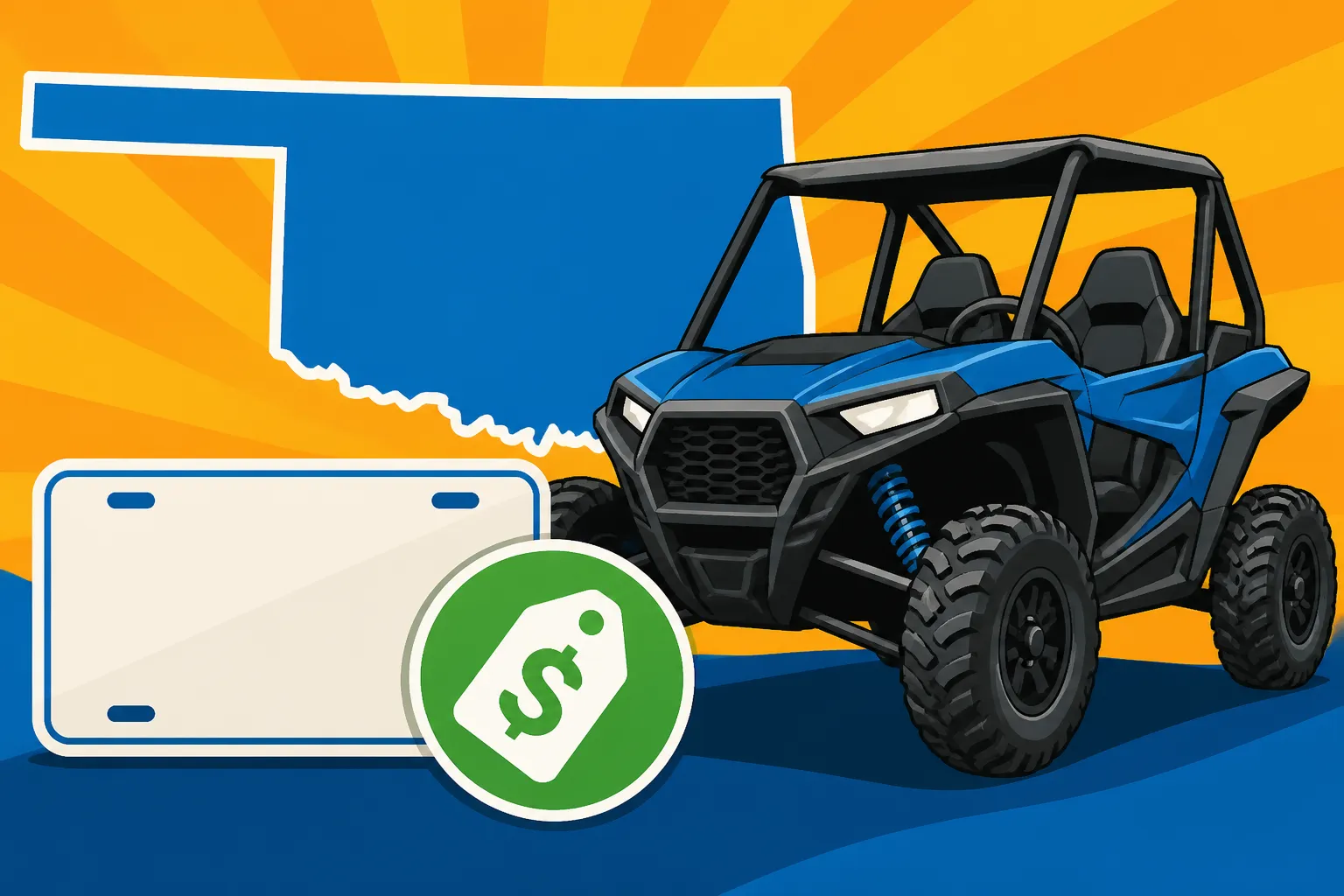
Unlike the simple, one-time fee for an off-road ATV or UTV decal that allows you to ride on designated trails, obtaining an actual road plate for your side-by-side involves a more traditional vehicle registration process. This means there's an initial registration charge that you'll pay at a local tag agency. This fee is generally a modest amount, but it's important to remember it's specifically for street legality, granting you that coveted road plate. It's not a one-and-done deal like the off-road registration, which means you'll see this type of fee again down the line. Think of it as the price of admission to the asphalt club.
This initial charge covers the administrative costs of issuing your unique street-legal UTV plate and getting your machine into the state's vehicle database for road use. It's a fundamental step, signaling to the state that your UTV is now recognized as a legitimate vehicle operating on public roadways, subject to all the associated rules and regulations. You'll visit your local tag agency to handle this process, just as you would for a car or truck, ensuring all your paperwork is in order for a smooth transaction.
Annual Renewal Costs for Oklahoma Street UTV Plates
Here's where the street-legal UTV world truly diverges from the off-road decal experience in Oklahoma: your street UTV plate will require annual renewal. Many riders are familiar with the [Oklahoma Registration Never Renews] policy for off-road machines, where you pay a small fee once and that's it for the life of the machine in your ownership. However, once you go street-legal, that changes completely. Your street-legal UTV becomes subject to the same annual renewal cycle as cars, trucks, and motorcycles.
This annual renewal means there will be a recurring fee each year to keep your plate current and your UTV legal on public roads. The amount tends to be consistent from year to year, a steady cost you'll need to factor into your ongoing budget. Failing to renew annually can lead to late fees and potential citations if you're caught driving your UTV on the street with an expired plate. So, marking your calendar for that renewal date is crucial. Just like your car's tag, the street-legal UTV decal on your plate needs to be current. For more details on this recurring cost, you might want to look into [Street UTV Decals Renew Every Single Year]. It's a critical difference from off-road machines and a cost you absolutely cannot overlook.
Excise Tax at the Time of Titling for Street Use
Beyond the registration fees, there’s also the matter of excise tax. In Oklahoma, when you title any vehicle, including a UTV that's being titled for street use, you'll encounter an excise tax. This isn't an annual fee; it's a one-time tax assessed on the purchase price or value of the machine. The state's excise tax rate is a flat percentage, applied to the declared purchase price of your UTV. This applies whether you're buying a brand-new side-by-side from a dealer or titling a used machine you purchased from a private seller.
The excise tax is a significant component of your initial costs and should not be confused with sales tax, which is typically not applied to vehicle purchases at the point of sale in Oklahoma. Instead, the excise tax acts as the primary tax on the transaction. You'll pay this at the tag agency when you go to title the UTV in your name and apply for the street-legal plate. Understanding this tax is vital for budgeting, as it can be a substantial sum depending on the value of your machine. For a deeper dive into this, check out [Oklahoma Excise Tax at Titling] and [Oklahoma's 4.5 Percent Excise Tax]. It's a common area of confusion for new UTV owners, so make sure you're clear on how it applies to your purchase.
Beyond the Plate: Additional Costs for Street-Legal UTVs
Getting the actual street-legal plate and paying the initial taxes are just the beginning. To truly enjoy your street-legal UTV without hassle or legal trouble, there are several other financial considerations you need to factor in. These can range from mandatory requirements like insurance to necessary equipment upgrades that might not have come standard on your off-road machine.
The Mandatory Insurance Requirement for Road Use
Perhaps one of the most critical additional costs is insurance. Unlike off-road ATVs and UTVs, which generally aren't required by the state to carry liability insurance unless financed, a street-legal UTV operates under the same rules as any other motor vehicle on Oklahoma's public roads. This means liability insurance is absolutely mandatory. You cannot legally operate your street-legal UTV on public roads without it.
Your insurance premium will depend on several factors, including the value of your UTV, your driving record, where you live, and the coverage limits you choose. While liability is the minimum requirement, many owners opt for additional coverage like comprehensive and collision to protect their investment, especially given the cost of many modern UTVs. It’s highly recommended to shop around for quotes from different insurance providers to find the best rates and coverage for your specific needs. Understanding this cost upfront is crucial for responsible ownership. We cover this topic more thoroughly in [Oklahoma Insurance at Street Registration] and [Oklahoma Street UTV Insurance Costs].
Equipment Upgrades to Meet Street-Legal Standards
The UTV you bought for tearing up trails might not be ready for prime time on the highway straight from the factory. Oklahoma has specific equipment requirements for UTVs to be considered street-legal. This means you'll likely need to invest in several upgrades, and these costs can add up quickly. Common requirements include:
- Turn Signals: Front and rear turn signals are essential for signaling your intentions to other drivers.
- Mirrors: You’ll need at least one rearview mirror, and often two side mirrors, to ensure proper visibility. A full discussion on what a trooper will look for can be found in [Mirrors a Trooper Will Look For].
- Horn: A working horn is a safety staple for alerting pedestrians or other drivers. [Does a Street-Legal UTV Need a Horn?] delves into this requirement.
- Windshield: While not always explicitly stated as glass, a functional windshield is typically required to protect the driver.
- DOT-Approved Tires: Your knobby off-road tires might be fantastic in mud, but they might not be Department of Transportation (DOT) approved for street use, which is a common requirement.
- Headlights and Taillights: While most UTVs have these, they must meet specific brightness and visibility standards for road use, including brake lights.
These upgrades often mean purchasing aftermarket parts. Companies like SuperATV offer a wide range of street-legal conversion kits and individual components like turn signal kits and mirrors that can help you meet these requirements. The cost will vary greatly depending on what your UTV already has and how much you're willing to do yourself versus professional installation. Don't underestimate these costs, as they are non-negotiable for true street legality. For a comprehensive list of what's needed, refer to [Oklahoma Equipment Required for Street UTVs] and [Adding Turn Signals to a Street-Legal Side-by-Side].
Potential Dealer Fees for New Street-Legal UTV Purchases
If you’re buying a brand-new UTV and planning to make it street-legal from day one, be aware of various dealer fees that can be added to the purchase price. These are separate from state taxes and registration fees and can sometimes come as a surprise if you're not prepared. Common dealer fees include:
- Documentation (Doc) Fees: This covers the dealer's cost for preparing all the paperwork involved in your purchase and titling. These fees can vary significantly from one dealership to another.
- Freight/Shipping Fees: Even if you're buying locally, the UTV had to be shipped from the factory to the dealership, and this cost is often passed on to the buyer.
- Setup/Prep Fees: This fee covers the dealer's labor to uncrate, assemble, and perform initial checks on the UTV before it's ready for sale.
These fees can add a few hundred to over a thousand dollars to your total purchase price. Always ask for an "out-the-door" price when negotiating with a dealer to ensure you're getting the full picture of what you'll pay. Don't be shy about asking what each fee covers. For more insights on this, you can read [Oklahoma Dealer Fees and What to Expect] and [Oklahoma Dealer Documentary Fees]. Knowing these ahead of time can help you budget more accurately and potentially negotiate better terms.
Ongoing Operating Costs and Considerations
Once your UTV is street-legal and ready to roll, the costs don't stop there. Just like any other vehicle, there are ongoing expenses to consider that will impact your long-term budget. These include everything from keeping your tank full to routine maintenance, especially now that your UTV is seeing more diverse use.
Fuel and Maintenance Expenses for Road-Driven UTVs
When your UTV is street-legal, you'll likely be driving it more frequently and for different purposes than purely off-road excursions. This increased usage translates directly into higher fuel and maintenance costs. UTVs, while fun, aren't always the most fuel-efficient vehicles, and their smaller fuel tanks might mean more frequent trips to the gas station compared to a car.
Furthermore, road use puts different kinds of wear and tear on your machine. Tires, brakes, and suspension components designed primarily for off-road conditions might wear out faster when subjected to pavement, higher speeds, and longer distances. Regular oil changes, air filter replacements, and other routine maintenance become even more critical to ensure your UTV remains reliable and safe on the road. Don't forget to factor in the cost of parts and labor for these ongoing services, which can add up over the course of a year.
Permitting and Access Fees for Off-Road Areas If Applicable
Just because your UTV is street-legal doesn't mean it automatically grants you free access to all off-road riding areas. If you plan to continue using your UTV on trails, in state parks, or at private riding facilities, you’ll still need to budget for any applicable permits or entrance fees. A street plate signifies road legality, not necessarily off-road trail privileges.
For instance, state-managed wildlife management areas (WMAs) often require a land access permit, and private riding parks will have their own day-use or membership fees. These permits and fees are distinct from your street-legal registration and insurance. So, if your vision for your street-legal UTV includes both pavement cruising and dirt adventures, remember to include these additional access costs in your annual budget. You can learn more about these specific charges in [Oklahoma Land Access Permit Cost].
Understanding Potential Use Tax and Other Transfer Costs
While Oklahoma has an excise tax at the initial titling, it's also important to be aware of other potential taxes or fees, especially if you're bringing a UTV into Oklahoma from another state or if there's a unique transfer scenario. For instance, if you purchase a UTV out-of-state and bring it into Oklahoma, you might owe a "use tax" that functions similarly to the excise tax, covering the tax liability for a vehicle not purchased within Oklahoma's borders.
Additionally, if you ever decide to sell your street-legal UTV in the future, the new owner will once again be responsible for paying excise tax when they title the machine in their name. While this isn't a direct cost to you as the seller (assuming the buyer handles their titling and tax obligations), it can impact the resale value or the buyer's willingness to pay a certain price, as they have to factor in their own costs. Always consult with a tag agency or the Oklahoma Tax Commission for specific guidance on your unique situation, especially for complex transactions.
Saving Money and Avoiding Pitfalls
Making your UTV street-legal can be a significant investment, but there are ways to manage these costs effectively. By being proactive and making informed decisions, you can save money and avoid common financial traps that many new street-legal UTV owners encounter.
Shopping Around for Insurance Quotes
Since insurance is a mandatory and recurring expense, it pays to put in the effort to find the best deal. Don't just go with your existing auto insurance provider without getting other quotes. Different insurance companies specialize in different types of vehicles, and some might offer better rates or more tailored coverage for street-legal UTVs.
Here are a few tips:
- Compare Multiple Providers: Get quotes from at least three different insurance companies. Online comparison tools can be helpful, but also consider calling independent agents who can shop multiple carriers for you.
- Ask About Discounts: Inquire about potential discounts such as multi-policy discounts (if you bundle with home or auto insurance), safe driver discounts, or even discounts for completing a UTV safety course.
- Adjust Deductibles: Choosing a higher deductible can lower your monthly premium, but make sure you can comfortably afford that deductible amount if you ever need to file a claim.
- Review Coverage Annually: Insurance rates can change, so it's a good practice to review your policy and get new quotes every year or two to ensure you're still getting the best value.
A little time spent upfront can lead to substantial savings over the life of your street-legal UTV.
DIY vs. Professional Installation of Street-Legal Equipment
When it comes to installing the necessary equipment to meet street-legal standards, you have a choice: tackle it yourself or hire a professional. Each option has its own cost implications.
- DIY Installation: If you're mechanically inclined and comfortable working on your UTV, installing components like turn signals, mirrors, or a horn yourself can save you significant money on labor costs. Many aftermarket kits, including those from brands like SuperATV, come with detailed instructions designed for the average enthusiast. However, this route requires time, the right tools, and a good understanding of your UTV's electrical system. If done incorrectly, you might create electrical issues or fail inspection.
- Professional Installation: Taking your UTV to a dealership or an experienced off-road shop ensures the work is done correctly and to spec. This can save you time and frustration, and you'll have peace of mind knowing it's done right, especially concerning wiring. The downside, of course, is the added cost of labor. Shops typically charge an hourly rate, which can quickly add up depending on the complexity of the installation.
Consider your skill level, available tools, and the complexity of the upgrades. For simpler additions like bolt-on mirrors, DIY might be straightforward. For extensive wiring for a turn signal kit or integrating a horn, professional help might be a worthwhile investment to avoid headaches and ensure compliance.
Understanding Depreciation and Resale Value
Like any other vehicle, UTVs depreciate over time, and becoming street-legal might have unique implications for their resale value. While having a street plate might make your UTV more appealing to a broader market of potential buyers, especially those looking for versatility, factors like mileage, wear and tear from road use, and the quality of your street-legal conversion will still heavily influence its value.
Consider these points:
- Mileage and Hours: Road use will accumulate miles much faster than typical off-road riding. High mileage can reduce resale value, just like with a car.
- Wear and Tear: Pavement can be hard on off-road components. Keep good maintenance records to show potential buyers that the machine has been well-cared for, which can help mitigate concerns about road use.
- Quality of Modifications: A professional and cleanly installed street-legal conversion will generally be more appealing than a haphazard DIY job. High-quality parts and proper wiring can add value.
- Market Demand: The market for street-legal UTVs is still growing in Oklahoma, but it's important to understand local demand. A UTV that has spent its life mostly on asphalt might not appeal to a buyer looking for a pure off-road machine, and vice-versa.
Being realistic about depreciation and understanding how your usage affects resale value will help you manage your investment expectations and plan for future upgrades or sales.
Here's a quick summary of potential costs for your street-legal UTV:
| Cost Category | Description | Frequency | Typical Form of Payment | Notes |
|---|---|---|---|---|
| Initial Registration | Fee for obtaining the actual street-legal UTV plate | One-time | Tag Agency (Cash/Card) | Distinct from off-road decal; required for road legality. |
| Annual Renewal Fee | Recurring fee to keep your street plate and decal current | Annually | Tag Agency (Cash/Card) | Essential to avoid late penalties and citations. |
| Excise Tax | One-time tax on the purchase price/value when titling | One-time | Tag Agency (Cash/Card) | Applies to new or used UTVs; crucial for initial budgeting. |
| Liability Insurance | Mandatory coverage for road use | Monthly/Annually | Insurer (Auto-pay/Bill) | Premiums vary widely; shop around for best rates. |
| Equipment Upgrades | Turn signals, mirrors, horn, DOT tires, etc. | One-time | Retailer/Shop (Cash/Card) | Costs depend on existing features and DIY vs. professional install. |
| Dealer Fees | Doc fees, freight, setup fees for new UTVs | One-time | Dealership (Included in Sale) | Negotiable; ask for "out-the-door" price. |
| Fuel Expenses | Cost of gasoline for operation | Ongoing | Gas Station (Cash/Card) | Varies with usage, UTV efficiency, and fuel prices. |
| Routine Maintenance | Oil changes, tire rotation/replacement, brake checks, etc. | Ongoing | Parts/Shop (Cash/Card) | Increased frequency with more road use. |
| Off-Road Permits | Day-use or annual permits for trail access (if applicable) | As needed | Park/WMA (Cash/Card) | Street plate does not grant free off-road access. |
Disclaimer
This article is for general informational purposes only and does not constitute professional advice. Laws, prices and regulations vary by location and change over time. Consult a qualified professional for guidance on your specific situation.