Oklahoma Rules for Riding Farm Ground
Riding an ATV or UTV across your own land or a friend's sprawling farm in Oklahoma might seem like a straightforward affair, a natural extension of rural life. But many riders are understandably confused about where personal property ends and public rules begin, especially when a fence line, a section road, or even just a neighbor's property means crossing a boundary. This guide is here to untangle the specific Oklahoma rules that govern riding your off-road machine on farm ground, ensuring you stay legal and safe while enjoying the utility and freedom your quad or side-by-side provides.
Understanding "Farm Ground" in Oklahoma for ATV & UTV Use
When we talk about "farm ground" in Oklahoma, it's easy to picture wide-open fields, pastures, or maybe a dusty track leading to a barn. And while those images are certainly accurate, the legal and practical implications for riding your ATV or UTV on such land are a bit more nuanced than simply "it's private, so anything goes." It’s crucial to understand what this term truly encompasses and, more importantly, whose permission you need.
Defining "Farm Ground" Beyond the Obvious
"Farm ground" in Oklahoma doesn't just mean a cultivated field of wheat or soybeans. It broadly refers to private property actively used for agricultural purposes, which can include a wide range of landscapes and structures. This might be a sprawling cattle ranch with miles of pasture and private service roads, an orchard with rows of fruit trees, or a smaller homestead with barns, outbuildings, and personal access paths. The key distinction here is that this land is privately owned and primarily dedicated to agricultural activities.
This definition is important because it immediately sets farm riding apart from other types of off-road adventures. You're not on designated [Oklahoma ATV Trails: Where to Ride] like Little Sahara or Robbers Cave, nor are you on public rights-of-way. You're on land that, by its very nature, is tied to the business of farming or ranching, and this specific use often comes with its own set of unique allowances and restrictions under Oklahoma law. Understanding this foundation is the first step toward riding responsibly and legally.
The Core Principle: Private Property and Permission
Regardless of how it's defined or what it's used for, the fundamental rule for riding any vehicle on farm ground in Oklahoma is rooted in property ownership: you absolutely need permission. While it might seem obvious if you're riding on someone else's land, it's worth reiterating and exploring the nuances. Trespassing, even on what appears to be abandoned or undeveloped rural land, can lead to serious legal consequences and confrontation.
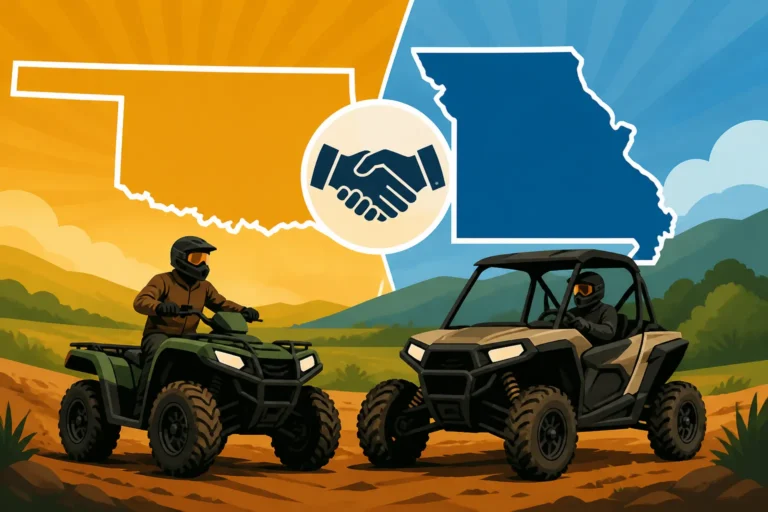
If it’s your own farm, then, of course, you have inherent permission. But if you're helping a neighbor check fences, riding with a friend on their family ranch, or even just cutting across a corner of land you think is public access, you must have explicit consent. This can come in various forms: a verbal agreement from the landowner, a written permission slip, or even a lease agreement if you're renting farm ground. For larger operations or when bringing multiple machines or riders, a written agreement is always the safest bet. It eliminates ambiguity and protects both you and the landowner. Respecting private property is not just about avoiding legal trouble; it’s about maintaining good relationships within the rural community, which thrives on trust and mutual understanding.
The "Instrument of Husbandry" Exemption and Its Real-World Impact
One of the most significant legal distinctions for ATVs and UTVs used on farm ground in Oklahoma comes from their classification as an "instrument of husbandry." This isn't just a fancy legal term; it's a specific exemption that can impact how your machine is registered and how it can interact with public roads, though it comes with very clear boundaries. It's a provision designed to facilitate farming operations, not to provide a loophole for general off-road recreation.
What is an Instrument of Husbandry?
Under Oklahoma law, an "instrument of husbandry" is essentially a vehicle or machine that is designed and used primarily for agricultural purposes. This classification is vital for farmers and ranchers who rely on their ATVs and UTVs as working tools. Think about it: using your side-by-side to haul feed to livestock in the back forty, transport tools to repair a fence line, spray weeds in a pasture, or move irrigation equipment across fields. These are all quintessential examples of an ATV or UTV serving as an instrument of husbandry. The key word here is "primarily."
It's not about the type of machine so much as its function. A heavy-duty UTV equipped with a sprayer, a small cargo bed, or even a plow attachment from a company like SuperATV would certainly qualify. The intent of the operation must be directly related to farming or ranching. If your main goal is to joyride on a Sunday afternoon, even if you do it on your own acreage, the machine isn't strictly functioning as an instrument of husbandry in that moment. This distinction becomes critical when considering registration requirements and permissible road use.
How This Exemption Affects Registration and Road Use
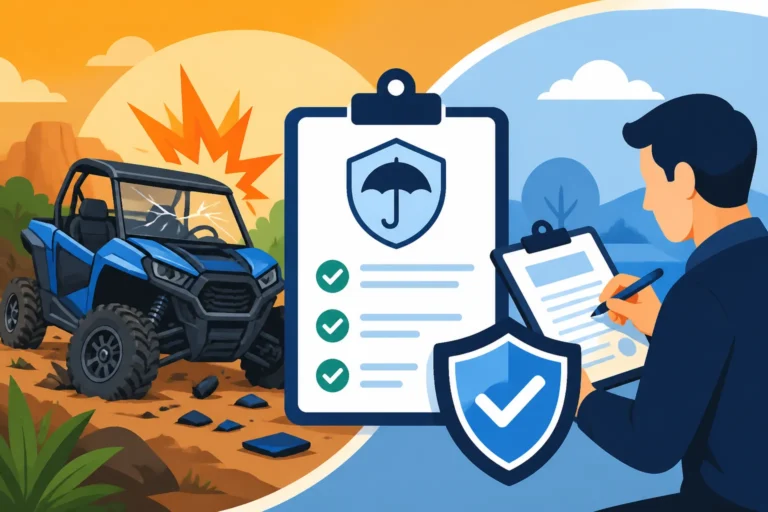
Here's where the instrument of husbandry classification becomes a game-changer for farmers. An ATV or UTV that is used solely as an [Oklahoma's Instrument of Husbandry Exception] is exempt from the standard ATV/UTV registration requirements that typically apply to off-road machines in the state. This means if your quad or side-by-side never leaves your farm for recreational purposes and is dedicated exclusively to agricultural work, you don't need to head to the tag agency for the [Oklahoma ATV Registration Cost]. This is a huge relief for many farmers who simply view their machines as another piece of essential farm equipment.
However, this exemption comes with a very important caveat regarding public roads. While it exempts you from registration, it does not grant you carte blanche to ride freely on paved streets or highways. The exemption is very specific: it allows for limited and incidental use on public roads, primarily for crossing from one part of the farm to another or accessing adjacent fields. This is not the same as having a "street legal" UTV with an annual road plate. It’s a narrowly defined allowance that acknowledges the practical realities of farming, where properties might be divided by a county road or require short movements between fields. It’s also worth noting that while [Oklahoma Agricultural Permit Exemptions] once covered registration for older machines, the primary benefit for newer machines today largely pertains to excise tax, not registration itself for the "instrument of husbandry" category.
Navigating Public Roads While Operating on Farm Ground
Even when your ATV or UTV is firmly rooted in its role as an instrument of husbandry on farm ground, there are inevitable moments when it needs to interact with the broader public infrastructure – specifically, roads. These aren't meant to be casual joyrides, but rather necessary movements to facilitate agricultural work. Oklahoma law provides very specific, and somewhat restrictive, guidelines for these interactions to ensure safety and maintain order on shared roadways.
Permissible Road Crossings and Short Stretches
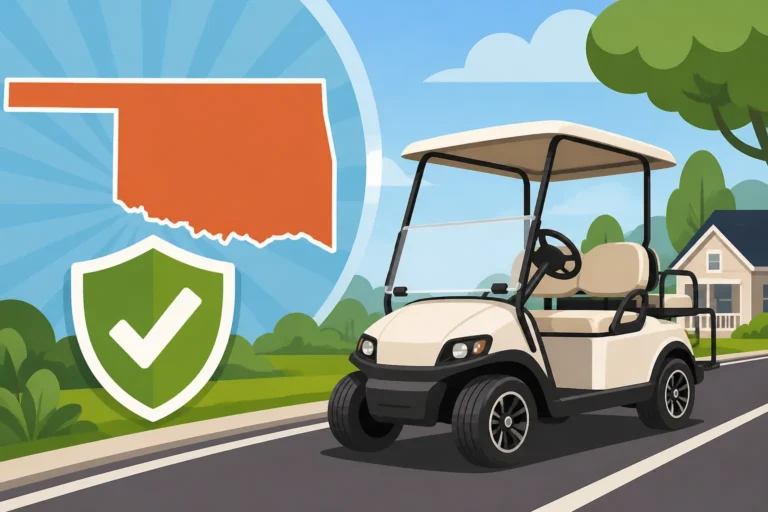
Imagine your farm is split by a small county road, or you need to move your UTV a short distance down a section line to access another pasture. Oklahoma law allows for these types of movements under specific conditions. You can generally cross a public road or travel a very short distance on a public road, but there are strict parameters. Firstly, these movements must happen during daylight hours. There's no sneaking across a highway after dark with your quad. Secondly, the road you're crossing or briefly traveling on must have a posted speed limit of 35 miles per hour or less. You absolutely cannot take your farm-use ATV or UTV onto a major highway or any road with a higher speed limit.
Furthermore, the crossing or short stretch must be direct and for the explicit purpose of conducting farm work. This isn't an invitation to drive a mile down the road to visit a neighbor or run to the local store, even if your machine is technically considered an instrument of husbandry. The law is designed to accommodate the functional needs of a farm, not to expand the recreational boundaries for off-road vehicles. Understanding these [Oklahoma Highway Crossings in Daylight] rules is paramount to avoiding citations and ensuring your safety and the safety of other motorists.
Equipment and Safety Considerations for Farm Use
While an ATV or UTV used exclusively as an instrument of husbandry might be exempt from standard registration, that doesn't mean safety goes out the window, especially when briefly interacting with public roads. Even for short crossings, visibility is key. Consider adding bright, reflective tape to your machine, especially if it's an older model or one primarily used for work where aesthetics aren't a priority. Many farmers also opt for aftermarket accessories like LED light bars or amber strobe lights for enhanced visibility, even though they might not be legally mandated for farm use.
For the machine itself, ensuring it's in good working order is essential. This includes proper tire pressure, functioning brakes, and clear visibility from the driver's seat. If your UTV is hauling equipment or feed, ensure the load is secured and doesn't impede your vision or affect the machine's stability. Companies like SuperATV offer a range of heavy-duty cargo beds, utility racks, and other accessories that can significantly enhance a machine's practical use on a farm while also improving safety by allowing loads to be properly managed. And remember, while adult riders might not be required to wear helmets on private farm land, [Oklahoma ATV Helmet Law Age] rules still apply to youth riders under 18, regardless of where they are riding. Safety should always be your top priority, whether you're working the back forty or crossing a county road.
Common Pitfalls and Best Practices for Farm Riders
Navigating the rules for riding ATVs and UTVs on farm ground in Oklahoma can sometimes feel like walking a tightrope. There are specific exemptions and allowances, but they are often misunderstood, leading to potential legal troubles. It’s vital to be aware of the common mistakes riders make and to adopt best practices that keep you safe and compliant.
Don't Confuse Farm Use with General Off-Road Riding
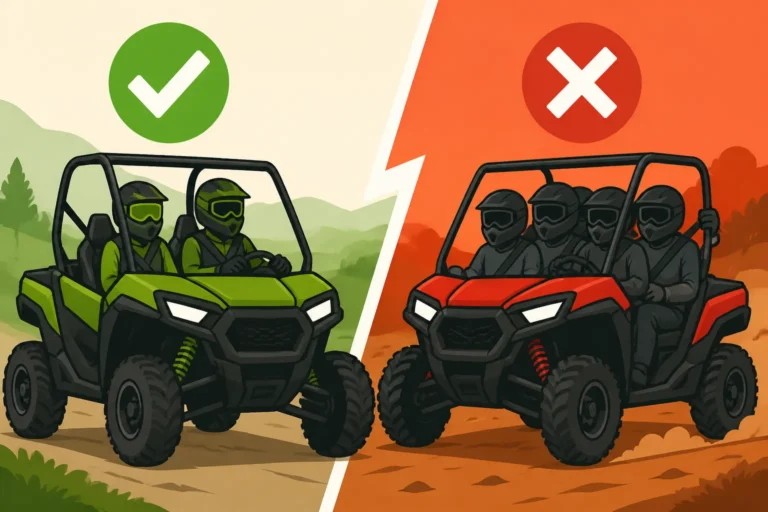
One of the biggest misconceptions is blurring the lines between using your ATV or UTV for legitimate farm work and simply riding recreationally on your acreage. The "instrument of husbandry" exemption is incredibly specific and narrow. It is not a blanket permission slip to take your unregistered side-by-side on any public road just because you own a few cows in the pasture next door. If you're using the machine for recreation – even if that recreation happens to be on your own farm property – and you then venture onto a public road, you could face penalties for operating an unregistered vehicle.
Think about the intent of your ride. Are you checking on livestock, hauling fencing supplies, or applying herbicides? That's farm use. Are you tearing through muddy trails for fun, or taking your kids for a joyride across the fields? That's recreational. While recreational riding is perfectly fine on your private property (with safety in mind!), it doesn't extend the same road access privileges that true farm work does. Misusing this exemption can lead to fines, citations, and even the impoundment of your machine, turning a simple task into a costly headache.
Documentation and Communication Are Key
To truly ride with peace of mind on farm ground, especially when dealing with nuanced legal categories like "instrument of husbandry," documentation and open communication are your best friends. If you're riding on land that isn't yours, always carry proof of permission from the landowner. A simple written note with contact information can save a lot of trouble if questioned by law enforcement. For your own machine, especially if it's primarily used for farm work, keeping a copy of your [Oklahoma Registration for a Farm Machine] (or evidence of its exemption status) handy can be helpful, though not always legally required for an instrument of husbandry that never leaves the property.
Furthermore, don't hesitate to reach out to local authorities, such as your county sheriff's office or even a local tag agency, if you have specific questions about road crossings or short road stretches in your area. Laws can sometimes have subtle local interpretations, and getting clarification beforehand can prevent future issues. Being proactive and transparent about your intentions and uses for your ATV or UTV will not only protect you but also foster a positive relationship with your community and local law enforcement. It's always better to ask a question than to guess and risk a penalty.
| Aspect | Instrument of Husbandry (Farm Use) | General Recreational Use on Farm Land |
|---|---|---|
| Primary Purpose | Agricultural work (hauling, spraying, checking fences, etc.) | Leisure, sport, trail riding, personal transport (non-work related) |
| Registration Requirement | Exempt if solely used for agricultural purposes (no standard ATV tag required). | Required if the machine would typically need registration (e.g., if acquired after cutoff dates). |
| Public Road Access | Limited to direct crossings or very short distances on roads ≤ 35 mph, during daylight, for farm work. | Generally no public road access unless specifically registered as street-legal UTV. Crossing rules do not apply for recreational use. |
| Excise Tax | Potentially exempt from excise tax with an [Oklahoma Farm Permits Still Save You the Excise Tax] and proper documentation at titling. | Excise tax applies at purchase/titling. |
| Permit Requirements | No special riding permits for private land. | No special riding permits for private land. |
| Safety Gear | Helmets required for riders under 18, even on private land. | Helmets required for riders under 18, even on private land. |
| Landowner Permission | Always required if not your own land. | Always required if not your own land. |
Disclaimer
This article is for general informational purposes only and does not constitute professional advice. Laws, prices and regulations vary by location and change over time. Consult a qualified professional for guidance on your specific situation.