Getting a Machine Ready for an Oklahoma Winter
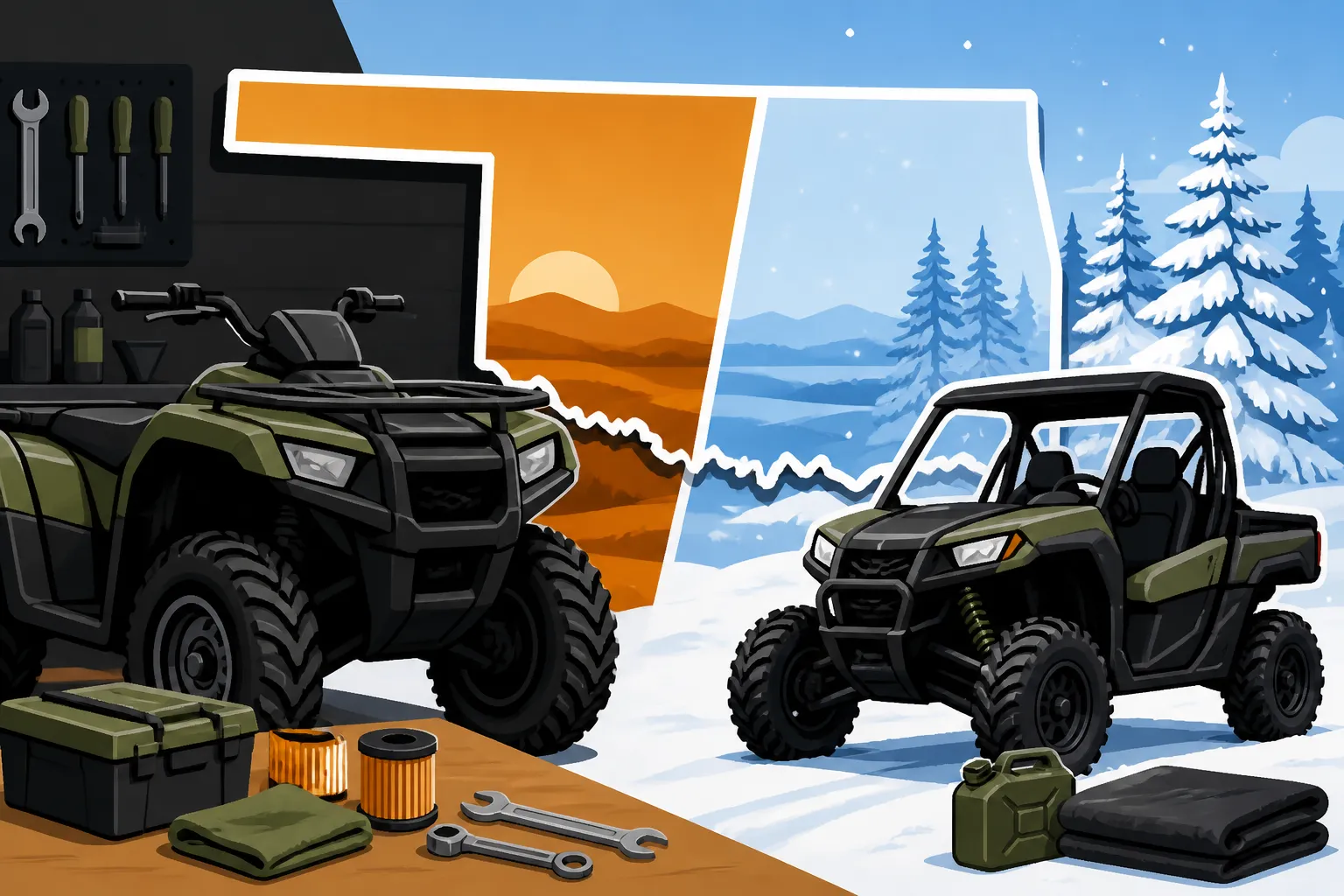
Winter in Oklahoma can be a bit of a Jekyll and Hyde situation. One day it's a balmy 70 degrees, and the next you're scraping ice off your windshield, with temperatures plummeting below freezing. This unpredictable weather, combined with periods of inactivity, can wreak havoc on your ATV or UTV if you're not careful. This guide will walk you through everything you need to know to properly prepare your off-road machine for the colder months, ensuring it's ready to roar back to life when the spring trails call.
Why Winterizing Your ATV/UTV Matters in Oklahoma
It’s easy to think that just because Oklahoma isn’t battling feet of snow for months on end, you can skip the whole winterization process. But that’s a common misconception that can lead to a heap of trouble and expense down the line. Even if you plan on a few quick rides during a mild spell, proper preparation is crucial. You’re not just guarding against extreme cold; you’re protecting your machine from moisture, corrosion, and the detrimental effects of sitting idle.
Think about it: your ATV or UTV is a significant investment. You probably spent a good chunk of change on it, and you want it to last, right? Neglecting it during the winter is like leaving a nice car out in the elements all season without a wash or a cover. Oklahoma winters might be temperamental, but they can still be harsh on sensitive components like batteries, fuel systems, and tires. Preparing your machine isn't just about avoiding a frozen engine; it's about preserving its lifespan and ensuring reliability.
Protecting Your Investment from the Elements
The primary goal of winterization is to shield your machine from the damaging effects of cold temperatures and moisture. When an ATV or UTV sits for weeks or months, especially in fluctuating temperatures, condensation can build up in the fuel tank, leading to rust and contaminated fuel. Rubber and plastic components can become brittle in the cold, making them more susceptible to cracking. Metal parts, particularly those exposed to road salt if you ever trailer it on treated roads, can suffer from corrosion.
Proper winterization, including tasks like applying corrosion inhibitors and ensuring adequate ventilation in storage, actively fights against these environmental threats. It's about creating a protective bubble around your machine, whether it's stored in a shed, a garage, or even outdoors under a cover. This proactive approach ensures that when you're ready to hit the trails again in the spring, your machine isn't fighting a losing battle against the wear and tear of a neglected winter. It also helps preserve the resale value; a well-maintained machine that starts reliably commands a better price, should you decide to upgrade. For those who keep their [Oklahoma Machines Stored Over Winter], this attention to detail is paramount.
Avoiding Costly Spring Repairs
Perhaps one of the most compelling reasons to properly winterize is to sidestep those frustrating and expensive repair bills that often pop up in spring. A dead battery that won't hold a charge, a carburetor clogged with varnished fuel, or seized brake calipers are all common consequences of improper winter storage. These issues don't just magically fix themselves; they require time, money, and often a trip to the mechanic.
Imagine pulling your ATV out in March, ready for a ride, only to find it won't start. Then comes the hassle of diagnosing the problem, ordering parts, or scheduling a service appointment. By taking the time to winterize now, you're investing a little effort upfront to save yourself a lot of headache and money later. It’s preventative maintenance at its finest. This isn't just about convenience; it's about smart financial planning for your off-road adventures, contributing positively to your overall [Oklahoma Maintenance Costs Per Year].
Step-by-Step Winterization Checklist for Oklahoma Riders
Alright, let's get down to the nitty-gritty. This isn't a one-size-fits-all list; some steps might be more critical depending on how you use your machine or where you store it. But consider this your comprehensive guide to getting your ATV or [Oklahoma Registration for a UTV] ready for its winter nap or intermittent cold-weather rides.
Fuel System Preparation
This is arguably one of the most critical steps, especially if your machine will be sitting for more than a month. Gasoline can degrade over time, leading to carburetor clogs or fuel injector issues. Ethanol in modern fuel is particularly notorious for attracting moisture and causing corrosion within the fuel system.
First, you have a choice: either completely drain the fuel tank and carburetor (if applicable) or fill it to the brim with fresh, stabilized fuel. For short-term storage (1-3 months), topping off the tank and adding a high-quality fuel stabilizer is usually sufficient. Make sure to follow the stabilizer's instructions carefully for the correct ratio. Then, run the engine for 5-10 minutes to ensure the treated fuel circulates throughout the entire system, including the carburetor or fuel injectors. This treated fuel prevents varnish and gum from forming and keeps the system clean. If you're going for a longer storage period, or if you prefer to be extra cautious, draining the fuel system entirely is the best bet. Just remember to add a small amount of fogging oil to the carburetor or injector bodies to prevent corrosion if you choose this route. Also, consider the cost implications, as treating or draining fuel ties into your overall [Oklahoma Fuel Costs for a Riding Day].
Battery Care for Cold Weather
Cold weather is a battery's worst enemy. Batteries lose charge more quickly in the cold, and a completely drained battery can freeze and crack, leading to permanent damage. To avoid this, remove the battery from your ATV or UTV. Clean the terminals thoroughly, removing any corrosion with a wire brush and a baking soda solution. Store the battery in a cool, dry place where it won't freeze, like a basement or a heated garage.
The key to battery longevity in winter is maintaining a trickle charge. Invest in a smart battery tender or maintainer. These devices deliver a low, continuous charge that prevents the battery from discharging fully without overcharging it. Hook it up and let it do its job all winter. This small step can save you the cost of a new battery every spring, which can be a significant expense. If your battery is easily accessible and you plan on sporadic winter rides, a tender can often be left connected on the machine itself, assuming it's stored indoors and protected.
Engine and Fluid Maintenance
Before your machine settles in for winter, it’s a good idea to perform some basic engine and fluid maintenance. Change the engine oil and filter. Used oil can contain contaminants and acids that can corrode internal engine components over long periods of inactivity. Fresh oil provides maximum protection. While you're at it, check the coolant (if liquid-cooled) to ensure it's at the proper level and concentration for freezing temperatures. Antifreeze isn't just about preventing freezing; it also protects against corrosion.
For the engine itself, consider fogging the cylinders. This involves removing the spark plugs and spraying a small amount of fogging oil directly into the cylinders. This coats the cylinder walls and piston rings, preventing rust and corrosion during storage. Slowly rotate the engine by hand a few times to distribute the oil evenly, then reinstall the spark plugs. Finally, check all other fluid levels—brake fluid, transmission fluid, differential fluids—and top them off if necessary. These simple steps now will prevent bigger issues later. If you operate [Oklahoma Machines Used Only on a Farm], these checks are particularly important as these machines often work harder and may accumulate more contaminants.
Tire and Suspension Preservation
Your tires and suspension components also need some love before winter. Tires can develop flat spots if left sitting in one position for an extended period, especially in cold temperatures where the rubber loses some of its flexibility. To prevent this, either lift the ATV/UTV so the tires are off the ground, or overinflate them to about 5-10 PSI above the recommended riding pressure. This extra pressure helps maintain their shape. If lifting isn't an option, roll the machine a few feet every few weeks to change the contact patch.
As for the suspension, give it a good clean to remove any mud, dirt, or debris that could trap moisture and lead to corrosion. Inspect rubber boots on CV joints and tie rods for cracks. If any are damaged, consider replacing them now to prevent dirt and water intrusion during future rides. Lubricate all grease points according to your owner's manual. This keeps moving parts supple and prevents rust from forming in joints.
Cleaning and Storage Considerations
A thorough cleaning might seem tedious, but it's essential. Wash your ATV or UTV from top to bottom, paying special attention to areas where mud and grime tend to accumulate. Dirt can hold moisture, accelerating corrosion. Once clean, allow the machine to dry completely. A leaf blower can speed up this process, especially in nooks and crannies.
After drying, apply a protective spray or wax to painted and plastic surfaces. For exposed metal parts, a light coat of WD-40 or a specialized corrosion inhibitor can work wonders. This creates a barrier against moisture. Check and clean the air filter, replacing it if it’s heavily soiled. Finally, where you store it matters. Ideally, store your machine indoors in a garage or shed. If outdoor storage is your only option, use a high-quality, breathable cover that protects against rain, snow, and UV rays while still allowing moisture to escape. Avoid cheap plastic tarps that can trap condensation underneath.
Special Considerations for Oklahoma's Winter Riding (or Storage) Conditions
Oklahoma's climate means your winter plans might fluctuate more than in other regions. You might store it for two months, then get a warm spell and decide to take it out. These nuances require slightly different approaches.
Storing Your Machine Outdoors vs. Indoors
Indoor storage, hands down, is the best option for your ATV or UTV. A heated garage, even if it's just above freezing, offers the most protection from the elements. A non-heated garage or shed is still vastly superior to outdoor storage, as it shields the machine from direct rain, snow, and severe temperature swings. If you're lucky enough to have an indoor space, ensure it's clean and well-ventilated. A concrete floor can draw moisture, so consider parking on a pallet or thick mat to keep the tires off the cold ground.
If outdoor storage is your only choice, you need to be extra diligent. A good quality, breathable cover is non-negotiable. Ensure the cover is securely fastened so wind doesn't rip it off. Place a few desiccants (moisture-absorbing packets) inside the exhaust pipe and airbox to combat internal condensation, and remember to remove them before starting the machine. Check on your machine regularly throughout the winter, especially after severe weather, to ensure the cover is intact and no moisture has accumulated. Factor this into your [Oklahoma Storage Costs Over Winter], as a good cover is an investment.
Brief Winter Rides and Post-Ride Care
Maybe you’re like me, and those random 60-degree days in January are just too tempting to resist. If you plan on taking your machine out for a spin during the winter, even if it’s just for an hour, your winterization routine will be a bit different. You’ll still want to stabilize your fuel and keep your battery on a tender, but you won't remove the battery or fully drain the tank.
The key here is diligent post-ride care. Winter riding often means encountering mud, slush, and potentially even road salt if you're trailering. Immediately after a ride, clean your machine thoroughly. Pay extra attention to removing all mud and grime, as it can freeze and hold moisture against metal parts, accelerating corrosion. If you rode on roads or areas where salt might be present, rinse the undercarriage and suspension components with fresh water to prevent rust. Once clean and dry, re-apply any protective sprays or lubricants. Even if it's just a quick jaunt for farm work, proper care is vital for [Oklahoma Machines Used Only in a Yard] or for those relying on their [Oklahoma Title Paperwork for a Ranch Quad].
Documenting Your Machine's Condition
Before you put your ATV or UTV away for the winter, take a few minutes to document its current condition. Snap some photos or a quick video, noting any existing scratches, dents, or maintenance issues. This serves as a great baseline. When you pull it out in the spring, you can quickly compare and identify any new issues that might have developed during storage.
This documentation isn't just for damage; it's also helpful for tracking your maintenance. Keep a log of what winterization steps you performed, when, and with what products. This can be invaluable if you ever need to troubleshoot an issue or if you decide to sell the machine. A prospective buyer will appreciate a clear record of consistent care, which can improve your [Oklahoma Depreciation on a Used Machine]. You can use a simple notebook, a digital document, or even tools like those from LawDepot to help you create and store maintenance records or prepare a detailed bill of sale should you decide to upgrade and sell your machine after the winter season. Good record-keeping is just smart ownership.
| Winterization Task | Indoor Storage | Outdoor Storage | Intermittent Winter Riding |
|---|---|---|---|
| Fuel System | Stabilize/Drain | Stabilize/Drain | Stabilize Only |
| Battery Care | Remove & Tender | Remove & Tender | Tender on Machine |
| Engine Oil Change | Recommended | Recommended | Recommended |
| Fogging Engine | Recommended | Recommended | Optional (if long idle) |
| Tire Pressure | Overinflate | Overinflate | Normal |
| Suspension Lube | Recommended | Recommended | Recommended (post-ride) |
| Thorough Cleaning | Recommended | Recommended | Essential (post-ride) |
| Protective Cover | Optional | Essential | Optional (between rides) |
| Corrosion Inhibitor | Recommended | Highly Recommended | Recommended (post-ride) |
| Documentation | Recommended | Recommended | Recommended |
| Moisture Absorbents | Optional | Essential | Optional |
Disclaimer
This article is for general informational purposes only and does not constitute professional advice. Laws, prices and regulations vary by location and change over time. Consult a qualified professional for guidance on your specific situation.