Hitting a Cattle Guard on an Oil Lease Road
Riding Oklahoma's vast network of oil lease roads can be an incredible adventure, offering access to remote hunting spots, fishing holes, or just beautiful open country. However, many riders underestimate the common, yet often invisible, hazard lurking on these paths: the cattle guard. A misjudgment here can quickly turn a scenic outing into a costly repair bill or, worse, a serious injury. This guide will walk you through understanding these unique obstacles, equip you with strategies to avoid incidents, and prepare you for the unfortunate event of a collision with a cattle guard on an Oklahoma oil lease road.
Understanding Cattle Guards on Oklahoma Oil Lease Roads
Cattle guards are a ubiquitous feature across rural Oklahoma, especially on private land traversed by oil and gas operations. They serve a crucial purpose: to prevent livestock from crossing property lines or entering sensitive areas without the need for a physical gate that constantly needs opening and closing. For someone on an ATV or UTV, though, they present a very specific and often unexpected challenge.
The Design and Danger of Cattle Guards
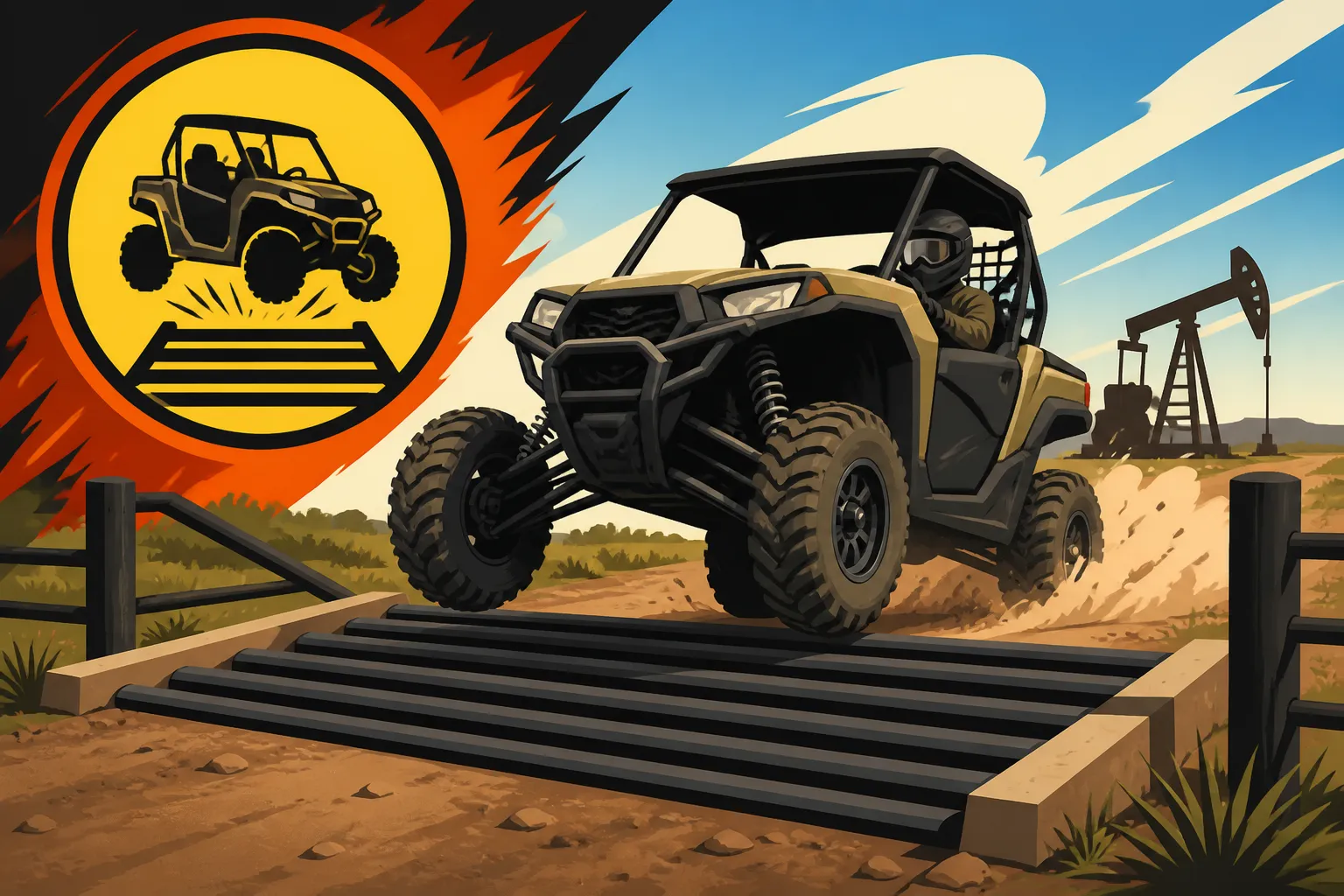
At their core, a cattle guard is a series of parallel bars or pipes, often made of metal, laid across a roadway over a shallow pit. The spacing and roundness of these bars make it uncomfortable and intimidating for four-legged animals to walk across, effectively creating a psychological barrier. For us two-track or four-track riders, however, these same features create a hazardous trap. The gaps between the bars can easily snag tires, especially smaller ATV tires, or even entire wheels if approached incorrectly. The bars themselves offer very little traction, especially when wet or muddy, turning a simple crossing into a skid risk.
Think about it: you're cruising along a dirt road, enjoying the scenery, perhaps heading to a favorite hunting spot. Suddenly, you come over a rise or around a blind curve, and there it is – a set of jagged, rusty steel bars spanning the entire width of the road. Your brain might process it as a temporary rumble strip, but it's far more dangerous. The abrupt change in surface, the potential for a wheel to drop between the bars, or the loss of grip can throw you off course, into the ditch, or even over the handlebars. It's a sudden, jarring encounter that your machine and body aren't designed to handle at speed.
Why They're So Common on Oil Lease Roads
Oil and gas companies operate on vast tracts of private land, often leased from ranchers and farmers. These landowners frequently run cattle or other livestock on their property. To maintain good relationships and ensure compliance with land use agreements, oil companies often install cattle guards at property entrances, lease road junctions, or where roads cross fences. This allows company vehicles, and permitted riders, to access facilities without constantly dealing with gates, while still keeping livestock contained.
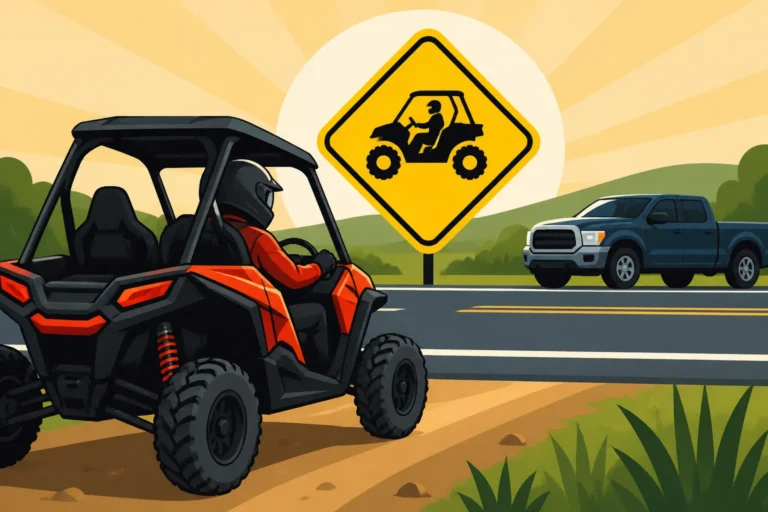
You'll find these on everything from well-maintained gravel roads to barely-there two-track trails leading to a single pump jack. What makes them particularly tricky on oil lease roads is their often-unmarked nature and varying condition. Unlike public roads where a cattle guard might be preceded by warning signs, on private lease roads, you're usually on your own. They might be partially overgrown with grass, filled with mud and debris, or so old and rusted that the bars are bent or missing. This means you need to be constantly vigilant and prepared for the unexpected when you're out exploring these routes.
Preventing Incidents: Preparation and Safe Riding Strategies
Avoiding a nasty encounter with a cattle guard on an Oklahoma oil lease road comes down to two main things: being prepared before you even leave home and adopting a cautious, defensive riding style. It’s about anticipating the unseen and respecting the terrain you're on.
Pre-Ride Checks and Route Planning
Before you even load up your machine, take a moment to consider your route. While many oil lease roads aren't officially mapped with specific hazards, if you know you'll be on private land used for ranching, assume you'll encounter cattle guards. If possible, talk to someone who knows the area, or use satellite imagery on a mapping app to get a general idea of fence lines and potential crossing points. This won't show you every guard, but it can give you a heads-up.
When it comes to your machine, a quick check can go a long way. Make sure your tires are properly inflated for the terrain, as under-inflated tires might be more prone to de-beading or getting caught. Inspect your suspension components; worn shocks or bushings won't absorb impacts as effectively. For added protection on rough terrain, many riders invest in aftermarket skid plates or A-arm guards from brands like SuperATV. These can help protect the vulnerable undercarriage of your ATV or UTV if you do unexpectedly drop a wheel or scrape the bottom on a cattle guard's framework. This kind of protection is especially wise when you're traversing unfamiliar ground, like the varied conditions you find on oil and gas roads.
Slow Down and Look Ahead
This is perhaps the most crucial piece of advice for navigating oil lease roads. Speed is the enemy of reaction time, and on these roads, you need all the reaction time you can get. Keep your speed moderate, especially when cresting hills, rounding blind corners, or entering areas with tall grass or brush that could obscure your view. Your eyes should constantly be scanning the terrain ahead, not just the ten feet in front of your machine. Look for changes in road color or texture, faint outlines of metal, or even the subtle dip in the road that often indicates a cattle guard.
Think about it like this: if you can see a cattle guard from a distance, you have time to slow down, assess its condition, and choose the safest approach. If it suddenly appears from nowhere, your options are severely limited. This vigilance also applies to dust. If you're riding with a group, maintain enough distance so that the dust stirred up by the rider in front doesn't completely blind you. The last thing you want is to hit a cattle guard that was hidden in a cloud of red Oklahoma dust. Remember, [Oklahoma Rules for Riding an Oil Lease Road] often emphasize caution due to these types of hazards.
Safe Crossing Techniques
Once you've spotted a cattle guard, slow down significantly. Almost to a crawl, if necessary. Here's a quick approach guide:
| Action | Description | Why It's Important |
|---|---|---|
| Reduce Speed | Approach at a walking pace or slower. | Minimizes impact force, allows for precise steering, and reduces risk of losing control if a wheel slips or catches. |
| Center Your Machine | Aim for the center of the cattle guard, where the bars are often most uniform and less likely to be damaged. | Avoids soft shoulders or damaged edges, which can cause a rollover or snag. |
| Maintain Straight Path | Drive straight over the bars. Avoid turning or steering sharply while on the guard itself. | Turning can cause tires to slip sideways between bars, increasing the risk of a wheel dropping in or getting bent. |
| Light Throttle/Coast | Keep a steady, light throttle or simply coast across. Avoid sudden acceleration or braking. | Sudden power changes can cause wheels to spin on metal bars, leading to a loss of traction. |
| Look Ahead | Once safely on the guard, look beyond it to ensure a clear exit. | Helps maintain balance and prepares you for the next section of the road. |
Some cattle guards have a small dirt or gravel bypass lane on one side. If it's wide enough and looks safe, this can be an excellent option, but always verify its condition first. Never assume a bypass is clear without inspecting it. Sometimes these bypasses are only suitable for large trucks, or they're overgrown and hide their own hazards.
What to Do When a Cattle Guard Incident Occurs
Even with the best preparation and caution, accidents can happen. Hitting a cattle guard unexpectedly can be a frightening and disorienting experience. Knowing what steps to take immediately afterward can make a significant difference in safety, recovery, and preventing further complications.
Immediate Actions: Safety First
Your priority, immediately after any incident, is safety. First, assess yourself. Are you injured? Take a moment to check for any pain, bleeding, or disorientation. If you're able, move yourself to a safe location away from the immediate area of the cattle guard, especially if you're on a road where other vehicles might be present. Even on a remote oil lease road, another work truck could come along. If your machine is still running, shut it off to prevent any further damage or fire risk.
Once you've assessed your own condition, check on any passengers or fellow riders. Are they okay? Help them move to safety if needed. If anyone is seriously injured, your next step is to call for help. Cell service can be spotty on remote [Oklahoma Oil Lease Roads], so be prepared. Having a communication device beyond your phone, like a satellite messenger, can be invaluable. Even if you have service, clearly describe your location. Look for landmarks, well numbers on oilfield equipment, or use GPS coordinates from your phone or a dedicated GPS unit. This is also where having a [Carrying a Paper Map Where GPS Fails] strategy comes in handy.
Assessing the Scene and Your Machine
After ensuring everyone's safety, take a moment to assess the scene and the condition of your ATV or UTV. Look at the cattle guard itself. Was it damaged? Did your machine leave any fluids? Take photos of the scene, including the cattle guard, the surrounding road conditions, and any damage to your machine. These photos can be crucial for insurance claims later on.
Start a careful inspection of your ATV or UTV. Begin with the tires and wheels. Are they bent, cracked, or deflated? Did a wheel get pulled into the gaps between the bars? Check the suspension components—A-arms, tie rods, shocks, and steering linkages. Even a minor hit can bend these crucial parts, affecting steering and handling. Look underneath for damage to the frame, exhaust, or any skid plates. If you've invested in heavy-duty components from a brand like SuperATV, they might have absorbed the brunt of the impact, saving more critical parts. However, even these can be damaged. Pay close attention to fluid leaks (oil, coolant, brake fluid) and ensure all controls (brakes, throttle, steering) are still functional. If anything seems off, it’s best not to attempt to ride the machine out.
Assessing Damage and Next Steps for Your Machine and Yourself
A cattle guard incident, even a minor one, can have lasting effects on both your machine and your peace of mind. Taking the correct next steps ensures you address all potential issues, from physical repairs to legal or financial considerations.
Dealing with Injuries and Medical Attention
Even if you feel okay immediately after the incident, it’s wise to monitor yourself for a few hours, or even days, for delayed symptoms. Adrenaline can mask pain, and concussions, whiplash, or internal injuries might not manifest right away. If you experienced any significant impact, or if you feel any pain, dizziness, or confusion, seek medical attention promptly. A visit to an urgent care clinic or your doctor is a good idea to rule out any hidden injuries. Always prioritize your health over your machine. Having a well-stocked [What a First Aid Kit Needs on Timber Land] is great for immediate care, but never a substitute for professional medical help.
Remember that reporting an accident involving serious injury might be necessary. While there's no specific [Oklahoma Accident Reporting for an ATV Crash] requirement for off-road incidents on private land if no other vehicles are involved, local law enforcement might still be interested if injuries are significant or if the incident occurred on land with restricted access.
Repairing Your Machine and Insurance Considerations
Once you're safe and any injuries are addressed, it's time to focus on your machine. If the damage is extensive, you'll need to arrange for recovery. This might involve calling a friend with a truck and trailer, or in severe cases, a professional towing service equipped for off-road retrieval.
For repairs, take your machine to a reputable ATV/UTV mechanic. Explain exactly what happened and provide any photos you took at the scene. They can thoroughly inspect for hidden damage that might not be obvious to the untrained eye. Components like bent control arms, damaged wheel bearings, or even subtle frame alignment issues can compromise safety and performance if not addressed. This is where the quality of parts can really shine; durable aftermarket upgrades from companies like SuperATV might withstand impacts better, but they still need to be inspected.
Regarding insurance, this is where your foresight comes into play. If you have comprehensive coverage for your ATV or UTV, hitting a cattle guard on a private lease road typically falls under that umbrella, covering damage to your machine. [Oklahoma ATV Insurance Costs] can vary, but this type of coverage is invaluable. Be prepared to provide your insurance company with your account of the incident, photos, and any repair estimates. Understand your deductible and what your policy covers before you call. It’s also wise to check if your policy has any stipulations about riding on private property, although most off-road policies anticipate this.
Avoiding Future Cattle Guard Crashes
Learning from experience, even a bad one, is key to becoming a more skilled and safer rider. After dealing with the immediate aftermath of a cattle guard incident, take some time to reflect on how you can prevent it from happening again.
Continuous Vigilance and Route Adjustments
The most important takeaway is to cultivate a habit of constant vigilance when riding on oil lease roads or any unfamiliar rural terrain. Never let your guard down, especially when you're in areas known for livestock. Regularly scan the horizon and the immediate path ahead for any signs of a cattle guard or other hazards. If riding with a group, communicate! The lead rider should always call out obstacles like "cattle guard!" or "hazard ahead!" to give those behind time to react.
Consider adjusting your usual routes. If a particular oil lease road seems to have an excessive number of poorly maintained or hidden cattle guards, it might be worth finding an alternative path, even if it adds a few extra miles. Sometimes, the safest route isn't the most direct. Remember, the permission to ride these [Oklahoma Rules for Riding an Oil Lease Road] often comes with the unspoken responsibility of doing so safely and respectfully.
Equipping Your Machine for Protection and Preparedness
While no amount of equipment can guarantee you'll never have an incident, certain upgrades can significantly reduce the severity of damage and increase your ability to recover. As mentioned earlier, robust skid plates and A-arm guards are a smart investment for protecting the underside of your machine. Consider upgrading to stronger, more durable suspension components, especially if you frequently ride rough terrain. Brands like SuperATV offer heavy-duty parts that can withstand more abuse than stock components. This doesn't mean you should hit obstacles faster, but it provides an extra layer of protection when the unexpected happens.
Beyond protection, think about recovery gear. A good quality winch is essential for getting unstuck, whether it's from a ditch, mud, or if your machine is high-centered on a cattle guard. Make sure you know how to use it safely. A small tool kit with basic wrenches and a tire repair kit can also save you a long walk back to your truck. Finally, always carry adequate water, a [What a First Aid Kit Needs on Timber Land], and reliable navigation tools. These items aren't directly about cattle guards, but they are crucial for any extended ride on remote Oklahoma land.
Disclaimer
This article is for general informational purposes only and does not constitute professional advice. Laws, prices and regulations vary by location and change over time. Consult a qualified professional for guidance on your specific situation.