Helmets Are Required for Every Rider Under Eighteen
It’s a common scenario for parents in Oklahoma: your child is eager to hit the trails or explore the back forty on an ATV or UTV, and you want to make sure they’re safe and that you’re following all the rules. It’s easy to get caught up in the excitement, but overlooking crucial safety regulations, particularly helmet laws for young riders, can turn a fun outing into a serious problem or even a legal issue. This comprehensive guide will walk you through Oklahoma’s specific helmet requirements for riders under eighteen, ensuring you have all the information to keep your kids safe and compliant.
Oklahoma's Clear Stance: Helmets for Young Riders
There's no ambiguity when it comes to Oklahoma's position on helmets for young ATV and UTV riders. The state has enacted clear, unambiguous legislation aimed at protecting those most vulnerable on off-road vehicles. This isn't a suggestion; it's a legal requirement that every parent, guardian, and rider needs to understand and adhere to for the safety of children.
Who Must Wear a Helmet
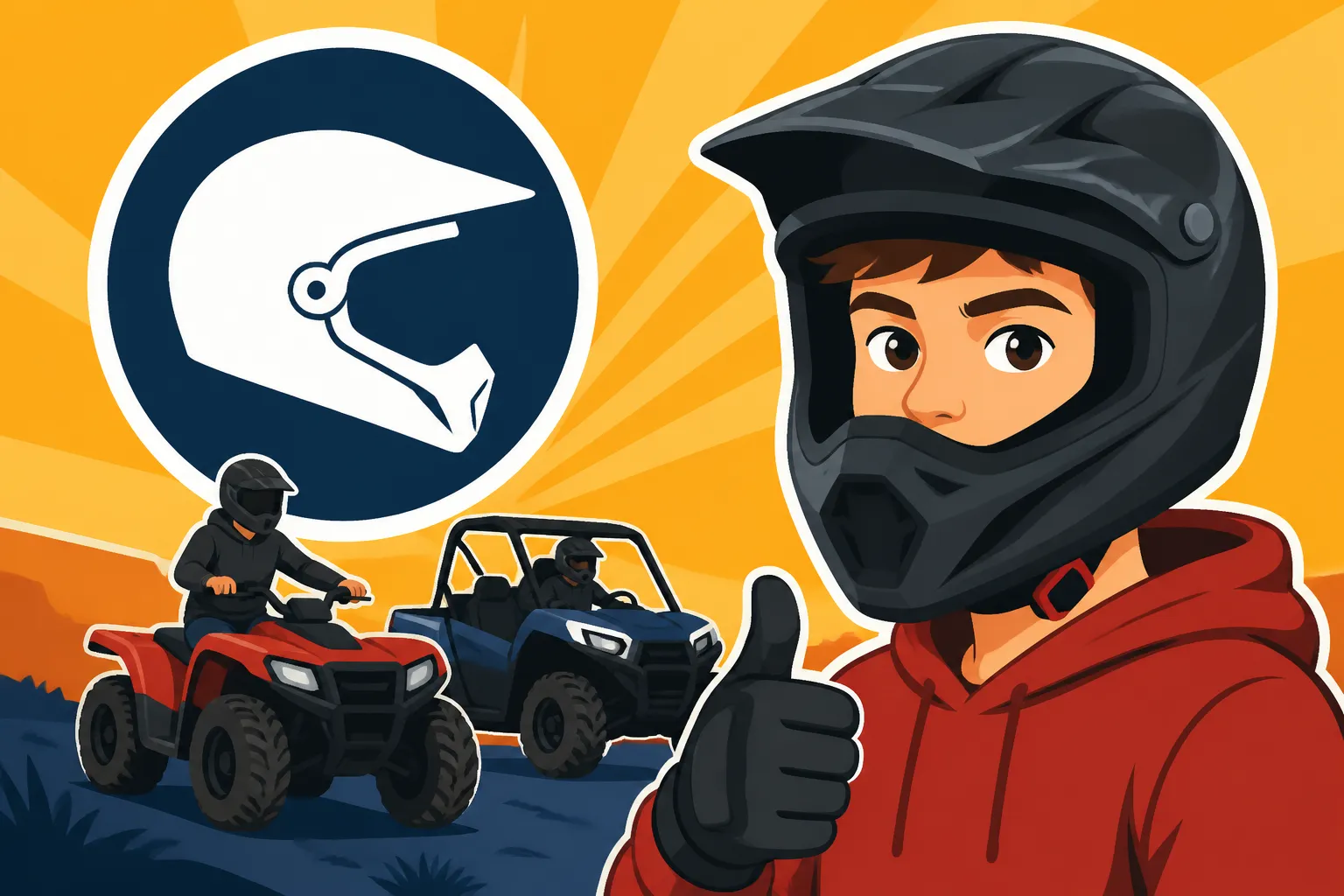
Let's get straight to the point: if you are under the age of eighteen and you're either operating an ATV or UTV, or riding as a passenger on one, a helmet is legally mandated in Oklahoma. This rule applies universally, regardless of whether you're riding on private property, public trails, or an authorized county road. There aren't special exceptions for different types of machines, nor can a parent or guardian waive this requirement. It's a blanket rule designed to provide a critical layer of protection for every minor who engages with these machines.
This age cutoff isn't arbitrary; it aligns with the widely accepted age of majority where individuals are legally considered adults. The law recognizes that younger riders, still developing their motor skills, judgment, and risk assessment, need additional safeguards. So, whether your child is six and just starting on a youth model, or seventeen and riding a more powerful machine, that helmet needs to be securely fastened before the engine even starts. This applies equally to a quad, a side-by-side, or an off-road motorcycle; the age of the rider is the key determinant.
The underlying intent is purely preventive. The state aims to minimize the severity of potential head injuries, which can be devastating and life-altering, especially for developing brains. By making helmets mandatory for everyone under eighteen, Oklahoma is proactively working to protect its youth from the most severe outcomes of off-road vehicle accidents.
Why the Rule Exists
The existence of Oklahoma's youth helmet law is firmly rooted in public safety and the inherent risks associated with ATVs and UTVs. While these vehicles offer immense utility and recreation, they are powerful machines that operate in environments where unpredictable events are common. Rollovers, collisions with obstacles like trees or rocks, and falls due to challenging terrain are all possibilities, even for experienced adult riders. For children and teenagers, these risks are often heightened.
Young riders may possess less experience, slower reaction times, and still be developing the physical coordination and strength required to safely control a vehicle in all conditions. They might also be more prone to taking risks or misjudging situations. A helmet serves as the primary defense against traumatic brain injuries, concussions, and skull fractures that can result from impacts during an accident. These types of head injuries can lead to long-term health problems, cognitive impairments, or even fatalities. The law is a crucial step to mitigate these severe consequences, acting as a safeguard for [Helmets Are Required for Every Rider Under Eighteen].
Consider the physics of an accident: the human head is incredibly vulnerable. Even a seemingly minor tumble can generate significant force when the head strikes a hard surface. Helmets are specifically engineered with multiple layers designed to absorb and distribute that force, dissipating the energy of an impact before it reaches the brain. This vital protective function is why the state has made it a non-negotiable requirement for young riders.
What Kind of Helmet is Required
When Oklahoma law specifies "a helmet," it’s not referring to just any head covering. The expectation is for a helmet that meets recognized safety standards. The most common and widely accepted standard in the United States is certification by the U.S. Department of Transportation (DOT). A DOT-approved helmet has undergone rigorous testing to ensure it provides adequate protection against impacts and penetration. You can typically identify a DOT-compliant helmet by a sticker on the back that clearly states "DOT."
Beyond DOT certification, many riders, and indeed many parents, opt for helmets that also meet standards set by organizations like the Snell Memorial Foundation or the Economic Commission for Europe (ECE). These certifications often involve even more stringent testing procedures and can offer an enhanced level of protection. While DOT is generally the minimum legal requirement, choosing a helmet with additional certifications can provide greater peace of mind and an extra layer of safety for your child. It's an investment in their well-being.
Proper fit is equally as important as the certification itself. A helmet that is too large can shift during an impact, reducing its effectiveness, while one that is too small will be uncomfortable and may not provide full coverage. When purchasing a helmet, ensure it fits snugly without being painful, covers the forehead, and doesn't wobble when the head is shaken. Look for features like good ventilation, a comfortable interior liner that can be removed for cleaning, and a secure chin strap system. Brands like SuperATV offer a variety of helmets and other safety gear designed for off-road use, making it easier to find a certified and well-fitting option for your young rider.
Beyond the Helmet: Other Youth Rider Rules to Know
While securing a helmet is paramount for young riders, it’s only one part of fostering a safe and compliant ATV and UTV experience in Oklahoma. There are several other regulations and best practices that parents and guardians should be aware of to ensure their children can enjoy riding without unnecessary risks or legal complications. A holistic approach to youth safety involves understanding the full scope of the rules.
Age Restrictions for Operating ATVs/UTVs
Oklahoma law doesn't impose a specific statewide minimum age for operating an ATV or UTV on private property. This can sometimes lead to confusion. However, for riding on public lands, opened county roads, or any area where state regulations apply, age becomes a much more significant factor. Many manufacturers themselves recommend age limits for their machines, often suggesting age 16 for full-sized ATVs. While [Oklahoma ATV Age Requirements] might seem less strict for certain scenarios, the spirit of the law, combined with manufacturer guidelines, strongly advises against allowing very young children to operate machines beyond their physical and mental capabilities.
It's crucial for parents to exercise good judgment. A child's ability to operate an ATV or UTV safely depends on their size, strength, coordination, and maturity, not just a numerical age. Can they comfortably reach and manipulate all controls, including the throttle, brakes, and steering? Can they maintain balance and control the machine over varied terrain? Are they capable of making quick, sound decisions in unexpected situations? These are vital questions to ask before allowing a child to operate any off-road vehicle.
Placing a child on a machine that is too powerful or too large for them is an undeniable safety hazard. This mismatch drastically increases the risk of losing control, rollovers, and serious injury, regardless of whether they're wearing a helmet. Always match the machine to the rider, prioritizing safety over the desire to ride a "cool" adult vehicle.
Supervision Requirements
While a broad, statewide mandate for adult supervision of minors operating ATVs or UTVs across all types of land isn't as explicitly codified as the helmet law, specific public riding areas in Oklahoma often have their own clear supervision requirements. For instance, at state parks like Little Sahara or within designated Wildlife Management Areas (WMAs), you'll typically find rules stating that minors must be supervised by an adult. Even where not legally required, active adult supervision is considered a fundamental best practice for ensuring youth rider safety.
Supervision provides several layers of protection. An adult can intervene immediately if a child encounters difficulty, provide real-time coaching on riding techniques, and ensure that safety rules (including helmet use) are consistently followed. Furthermore, an adult can help identify and mitigate potential hazards on the trail or riding area before a child encounters them, making the environment safer for exploration and learning. This watchful eye is particularly important for less experienced riders or those operating in unfamiliar terrain.
Think of it as mentorship rather than just surveillance. An adult supervisor can teach responsible riding habits, promote environmental awareness, and instill a deeper respect for the machine and its capabilities. This direct guidance is invaluable in shaping a young rider's skills and attitude toward safety, complementing the protection offered by a helmet and other gear.
Passenger Rules for Minors
The rules regarding passengers on ATVs and UTVs are critical, particularly when minors are involved, and they vary significantly between vehicle types. For most traditional single-rider ATVs (often called quads), carrying any passenger, regardless of age, is generally prohibited. These machines are engineered and designed for one operator, and adding a second person, especially a child, profoundly alters the machine's balance, weight distribution, and handling characteristics. This significantly increases the risk of loss of control and rollovers, making it an extremely dangerous practice even if the minor is wearing a helmet.
UTVs, or side-by-sides, present a different scenario. Many UTVs are specifically designed and manufactured to carry multiple passengers, featuring factory-installed seats and seatbelts for each occupant. If a UTV is explicitly built by the manufacturer to carry passengers, then carrying a minor passenger is generally permissible, provided they occupy a designated seating position, wear appropriate safety restraints (seatbelts), and, if under 18, wear a helmet. Always consult the machine's owner's manual for specific passenger capacity and weight limits. Overloading a UTV, even if it has multiple seats, can compromise its stability and safety.
It's paramount to differentiate between a vehicle designed for passengers and one where a child can simply "fit." Never assume that extra space equals safe passenger capacity. Adhering strictly to manufacturer guidelines for passenger limits and ensuring all safety features, like seatbelts, are used correctly is vital. This attention to detail helps ensure that [Oklahoma Passenger Rules on a Quad] and [Oklahoma Rules for Passengers on a UTV] are followed, protecting everyone on board.
Enforcement and Consequences: What Happens If You Don't Comply
While safety should always be the primary motivation for adhering to Oklahoma's helmet law for young ATV and UTV riders, it’s also important to understand that non-compliance carries tangible legal and financial consequences. Enforcement is a reality, and ignoring the rules can lead to more than just a stern talking-to.
Who Enforces the Helmet Law
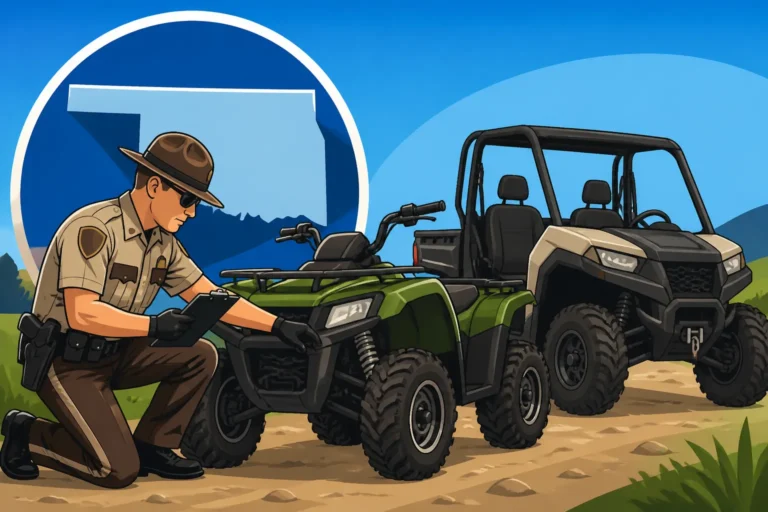
Various law enforcement agencies across Oklahoma are empowered to enforce ATV and UTV safety regulations, including the mandatory helmet law for minors. This includes officers from the Oklahoma Highway Patrol, local county sheriffs' departments and their deputies, and municipal police departments (especially in towns and cities that have opened certain streets to UTV use). Beyond these, park rangers at state-managed recreational areas like [Little Sahara State Park in Oklahoma] and game wardens in Wildlife Management Areas, such as [Honobia Creek WMA Riding in Oklahoma] or [Three Rivers WMA Riding in Oklahoma], also have the authority to issue citations for violations on the public lands they patrol.
These officers are not just looking for speeding or reckless behavior; they are also vigilant about ensuring compliance with safety equipment requirements. They understand that proper gear, especially helmets for young riders, is a critical factor in preventing serious injuries. Their role extends beyond merely issuing tickets; it includes educating the public and promoting safer riding practices to prevent accidents from happening in the first place. Therefore, it's wise to expect them to be proactive in checking for helmet use, particularly in popular riding locations or on roads where off-road vehicles are permitted.
It's also worth noting that responsibility often falls on the adult in charge. If a minor is found in violation, the accompanying adult or the parent/guardian who permitted the riding may be held accountable. Familiarizing yourself with these regulations and ensuring your young riders are compliant is your best defense against a potential citation.
Potential Penalties for Violations
Ignoring the mandatory helmet law for young ATV and UTV riders in Oklahoma typically results in legal penalties. While specific fine amounts can fluctuate and are subject to change, a common consequence is a citation or ticket. These fines are often structured to be a significant deterrent, making it clear that the state takes these safety regulations seriously. [Oklahoma's Fine Cap for ATV Violations] generally sets an upper limit for these penalties, but even a capped fine can be a noticeable expense.
Beyond the immediate financial penalty, there can be additional repercussions. Depending on the nature of the violation, the circumstances, or if it's a repeat offense, authorities might require the rider (or parent) to attend a mandatory ATV safety course. Furthermore, and perhaps most critically, if an accident were to occur while a minor was not wearing a legally required helmet, it could have significant implications for insurance claims. It might even expose parents or guardians to increased civil liability for negligence if a child suffers a severe injury that could have been mitigated by a helmet. The cost of a fine, while unwelcome, pales in comparison to potential medical bills, legal fees, or the emotional toll of a serious injury.
It's vital not to rely on an officer's discretion to simply give a warning. While education is part of their role, enforcement is equally important. The safest and most responsible course of action is always to ensure that any rider under 18 has a properly fitted, DOT-approved helmet securely fastened before they get on an ATV or UTV.
Beyond the Ticket: The Real-World Risks
While legal fines and potential liability are certainly compelling reasons to adhere to Oklahoma's helmet law for young riders, the most profound and devastating consequences lie in the real-world safety risks. A helmet is not merely a piece of equipment to avoid a ticket; it is a critical, life-saving device. In the event of an accident – whether a rollover, a collision, or a simple fall – wearing a helmet dramatically reduces the risk of severe head injury. Without it, the outcomes can be catastrophic and life-altering.
Consider the forces at play during an off-road vehicle accident. Even a seemingly minor tip-over can cause a rider's head to strike the ground, a rock, a tree, or the vehicle itself with immense force. Without the energy-absorbing protection of a helmet, such impacts can lead to devastating injuries: concussions, skull fractures, intracranial hemorrhages, and permanent brain damage. These injuries don't just affect the child; they can impact their cognitive abilities, physical functions, and overall quality of life indefinitely, placing an enormous burden on the entire family in terms of medical care, rehabilitation, and emotional strain.
The emotional devastation for parents and loved ones watching a child suffer a preventable injury due to a lack of proper safety gear is immeasurable. The helmet law was enacted precisely to prevent such heartbreak. It requires minimal effort—simply putting on a helmet and ensuring it’s fastened correctly—yet offers maximum protection against the worst possible outcomes. Prioritizing the safety of young riders by ensuring they always wear a helmet is the most fundamental and important rule of all.
Making Riding Safer for Everyone: Best Practices and Gear
Ensuring the safety of young ATV and UTV riders extends far beyond just obeying the helmet law. It encompasses a holistic approach that includes appropriate protective gear, careful selection of the right machine, and ongoing safety education. By embracing these best practices, we can cultivate a much safer and more enjoyable riding experience for every enthusiast, young and old.
Essential Gear Beyond the Helmet
While the helmet rightly takes center stage for young riders, it's crucial to understand that it’s just one component of a complete safety ensemble. A truly safe rider is protected from head to toe. Goggles are indispensable for eye protection, shielding against dust, flying debris, tree branches, and insects that can impair vision and cause injury. Gloves are vital for protecting hands from blisters, scrapes, and improving grip on the handlebars, especially over rough terrain. Long-sleeved shirts and long pants, preferably made of durable, abrasion-resistant material like heavy denim or specialized riding gear, are essential to protect skin from cuts, scrapes, and sun exposure during a fall or slide.
Sturdy, over-the-ankle boots are another non-negotiable item. They safeguard the feet and ankles from impacts, provide crucial stability on the footpegs, and prevent feet from slipping into dangerous areas. For more aggressive riding styles or for younger, less experienced riders, a chest protector or full-body armor can offer invaluable protection for the torso, shoulders, and elbows against impacts, roost from other vehicles, and collisions with obstacles. Think of this protective gear as a layered defense system; each piece plays a critical role in absorbing shock and preventing injury. Many reputable accessory providers, including SuperATV, offer a wide selection of riding gear designed for optimal protection and comfort on the trails.
It's important to convey to young riders that wearing all this protective gear isn't a punishment but a vital part of being a smart, skilled, and safe rider. Encouraging them to see their gear as enhancing their capabilities and keeping them safe can foster a positive attitude towards consistent wear.
Choosing the Right Machine for a Young Rider
One of the most impactful decisions a parent or guardian will make regarding a young rider is selecting an ATV or UTV that is appropriate for their age, size, and experience level. Placing a child on a machine that is too large or too powerful for them is an open invitation to an accident, even with a helmet on. Manufacturers provide clear guidelines based on engine size and recommended rider age:
- 70cc and below: Typically for riders aged 6 and up.
- 70cc to 90cc: Recommended for riders 10 years and older.
- 90cc to 125cc: Suited for riders 12 years and older.
- 150cc and above: Designated for riders 16 years and older, these are considered adult-sized machines.
These guidelines are crucial starting points, but individual factors like a child's height, weight, strength, and maturity level should also heavily influence the decision. A machine that is too big can lead to difficulties with steering, braking, and maintaining balance, significantly increasing the risk of rollovers or collisions. Conversely, an older, taller child on a machine that is too small might feel cramped and have less control.
For UTVs, while they offer a roll cage and seatbelts, the same principles apply to the driver. Look for youth UTV models that often come equipped with speed governors, allowing parents to set a maximum speed appropriate for their child's skill level. Ensure the young driver can comfortably reach and operate all controls – steering wheel, pedals, and any shifters. Matching the machine's capabilities to the rider's capabilities is a fundamental safety principle that works in conjunction with wearing a helmet and other protective gear.
Safety Courses and Education
Although Oklahoma does not universally mandate an ATV safety course for all riders, enrolling young and inexperienced riders in one is highly advisable and strongly recommended. These courses, typically taught by certified instructors, provide invaluable hands-on training. They cover essential riding skills such as proper body positioning, navigating various terrains, emergency braking, turning techniques, and critical safety awareness. Participants learn about pre-ride inspections, environmental considerations, and responsible riding etiquette. The [Oklahoma Safe Riders Program] is an excellent resource for locating these valuable educational opportunities within the state.
Beyond formal courses, safety education should be an ongoing conversation at home. Parents should consistently model safe riding behavior, which includes always wearing their own helmet (even if over 18) and all other protective gear. Regular discussions about potential hazards, reviewing riding scenarios, and emphasizing the importance of respecting the machine and the environment are crucial. Encourage young riders to communicate if they feel uncomfortable, if a machine feels too fast, or if they spot a hazard they’re unsure how to navigate.
Numerous supplementary resources are available, including online videos, written guides, and articles that can reinforce lessons learned in a safety course. The more informed, skilled, and safety-conscious a young rider becomes, the safer and more enjoyable their entire riding experience will be. This comprehensive strategy—combining the legal requirement of a helmet with appropriate gear, the right machine, and continuous education—creates the most secure possible environment for the next generation of off-road enthusiasts. When considering accessories or upgrades, remember that products from companies like SuperATV often come with detailed installation instructions and safety recommendations that can further enhance a machine's safe operation.
| Rule Category | Requirement for Riders Under 18 in Oklahoma | Notes |
|---|---|---|
| Helmet Use | Mandatory for both operators and passengers under 18. | Must be DOT-approved (or equivalent safety standard like Snell/ECE). Applies on all land types and for all machine types. |
| Operator Age | No explicit statewide minimum for private land. Strong recommendations exist (e.g., 16 for adult ATVs). | Match machine to rider's age, size, and maturity. Specific public areas may have stricter age limits. |
| Supervision | Not explicitly mandated statewide for all situations, but highly recommended. | Required in many public riding areas (state parks, WMAs). Best practice for all young riders, especially beginners. |
| Passengers | ATVs (Quads): Generally prohibited as single-rider machines. | UTVs (Side-by-Sides): Permitted only if factory-designed for multiple passengers, with proper seating, seatbelts, and helmets (for minors). |
| Protective Gear | Helmet is legally mandated. Goggles, gloves, boots, long clothing (durable material) are strongly recommended. | Essential for comprehensive protection against impacts, abrasions, debris, and environmental elements. |
| Machine Matching | Riders must operate machines appropriate for their physical size, strength, and skill level. | Prevents loss of control and accidents. Consult manufacturer age/engine size recommendations carefully. |
| Safety Training | Not mandated statewide, but highly encouraged for all riders, especially youth. | Teaches essential riding skills, risk assessment, and safe operating procedures. The [Oklahoma Safe Riders Program] is a key resource. |
Disclaimer
This article is for general informational purposes only and does not constitute professional advice. Laws, prices and regulations vary by location and change over time. Consult a qualified professional for guidance on your specific situation.