Oklahoma Rules for Riding a Pasture
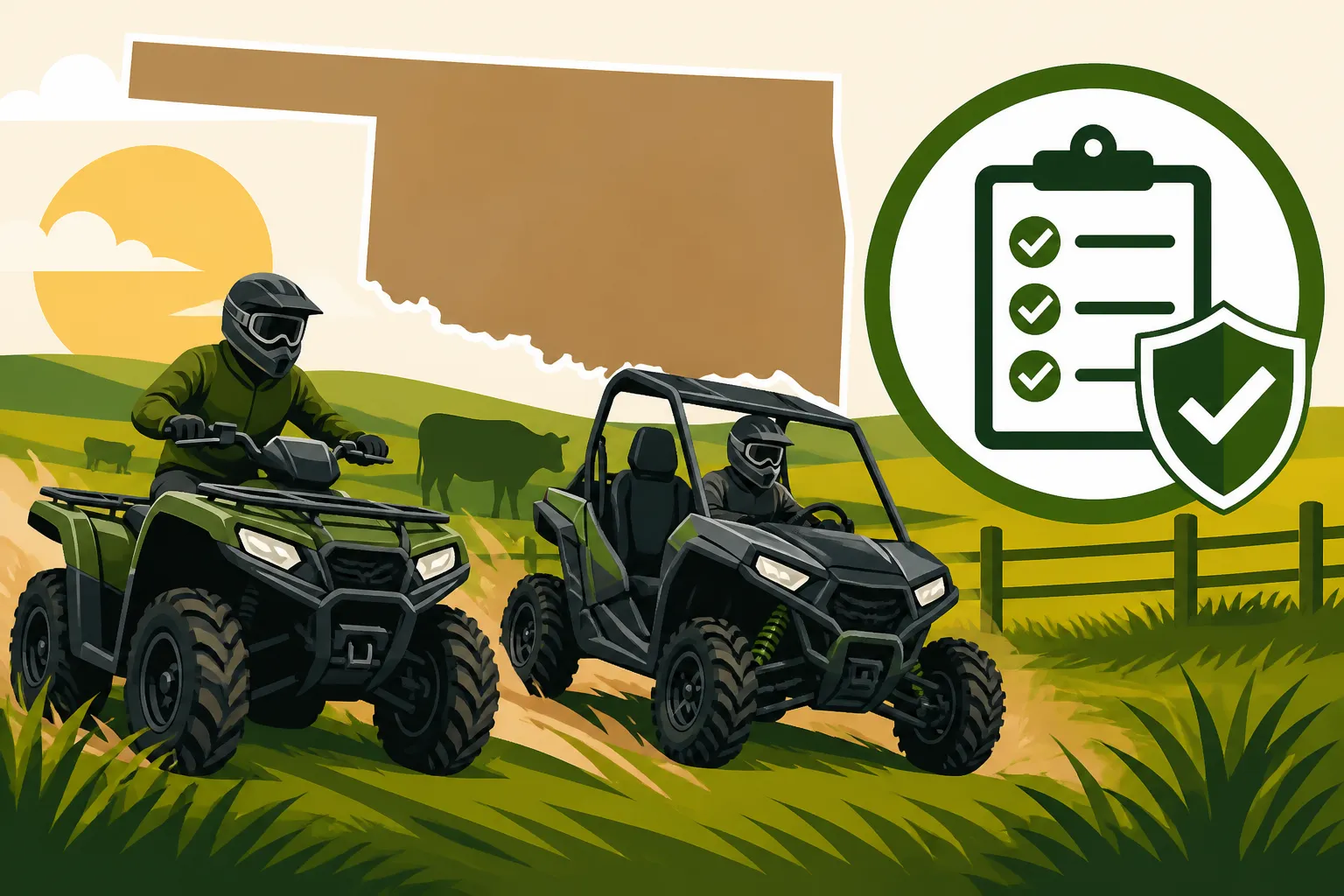
It's incredibly tempting to think that once you're on private land, especially a wide-open pasture, all the rules just fade away. You envision open fields, the wind in your hair, and nothing but your quad or side-by-side to worry about. But here in Oklahoma, even when you're riding across a friend's sprawling ranch or your own family acreage, there are still important considerations and unspoken rules that can save you a heap of trouble, preserve the land, and keep you safe. This guide will help you understand the nuances of off-road riding on private pasture land in the Sooner State.
Securing Permission and Understanding the Boundaries
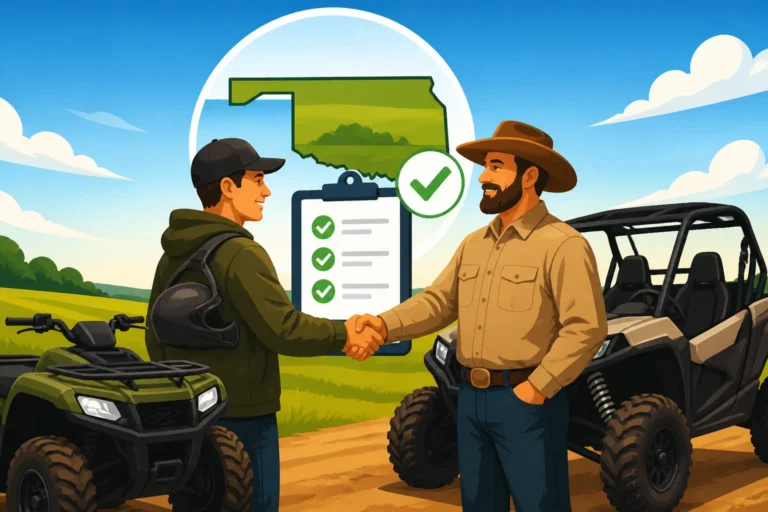
Before you even think about dropping the tailgate and unloading your machine onto someone else's pasture, the absolute first step is securing explicit permission. This might seem obvious, but it's a step many riders take for granted, leading to uncomfortable situations or even legal issues down the line.
Always Get Clear Permission
Let's be real, often it's a buddy or a family member who owns the land, and it feels natural to just assume it's okay. But an assumption can turn into a nasty misunderstanding. Always, always, confirm directly with the landowner that you have permission to ride your ATV or UTV on their specific pasture. Don't rely on old invites, or what you think they said last year. Things change, and their comfort level might, too.
When you ask for permission, make it clear what you plan to do. Are you just joyriding for a few hours, or do you intend to use the machine for actual work, like checking fences or herding cattle? Will you have passengers? What time of day will you be riding? These details matter. A landowner might be fine with a casual afternoon ride but less thrilled about late-night romps or a large group tearing through their fields. Think about the specific areas you're allowed to traverse. Is the entire pasture fair game, or are there certain sections (like near a pond, a sensitive creek bed, or a hay field) that are off-limits? [Getting Written Permission Before Riding Private Land] isn't just a formality; it can protect both you and the landowner.
Respecting Fences, Gates, and Livestock
A pasture isn't just an open field; it's a working environment. This means you'll almost certainly encounter fences, gates, and potentially livestock. Your riding practices directly impact the integrity of these essential elements of the land.
Fences are there for a reason – usually to keep animals in or out, or to delineate property lines. Never, under any circumstances, ride over a fence, even if it looks old or flimsy. Even a small wire fence can get tangled in your tires or damage your machine, and repairing it is a hassle for the landowner. Always use gates. If a gate is closed, leave it closed. If it's open, leave it open. The golden rule here is to leave it exactly as you found it. Getting out to open and close a gate manually might interrupt your flow, but it shows immense respect for the land and the landowner's operations. If you're going through a lot of gates, consider taking a moment to plan your route, or even offering to help the landowner with a task that requires machine access, so your presence feels more like an asset than an intrusion. When you're [Riding Through Pasture Where Cattle Are Grazing], remember they are animals and can be unpredictable. Give them a wide berth, and don't harass them. Loud noises and sudden movements can spook them, causing them to run through fences or injure themselves.
Environmental Considerations and Land Preservation
Riding off-road, especially on soft pasture ground, comes with a responsibility to minimize your impact. The decisions you make while riding can affect the health of the land, water sources, and local wildlife for years to come.
Avoiding Erosion and Soil Damage
Oklahoma's soil, especially the red clay in many areas, can be surprisingly delicate when wet. Riding heavily in soft, wet conditions can quickly lead to ruts, compaction, and significant erosion. This isn't just an aesthetic issue; deep ruts can become channels for water runoff, washing away topsoil and creating bigger problems for the landowner, especially after heavy rains.
Try to avoid riding in extremely muddy conditions unless absolutely necessary (e.g., for ranch work). If you must, try to stick to established paths or areas that are naturally firmer. Pay attention to how your tires are digging into the ground. If you're leaving significant ruts, it's probably best to find a different route or call it a day. Long-term, compacted soil is less fertile and can hinder pasture growth. For those looking to protect their machine and the land, heavy-duty skid plates and A-arm guards from a brand like SuperATV can prevent damage from hidden rocks or stumps, allowing you to focus on choosing a less impactful path.
Protecting Waterways and Wildlife
Pastures often have creeks, ponds, or drainage areas that are vital water sources for livestock and wildlife. Riding through these areas can contaminate the water with fuel, oil, or other chemicals from your machine.
Always strive to cross streams and creeks at designated, shallow points where the banks are firm and stable, minimizing disturbance to the stream bed. Avoid creating new crossings or churning up sediment unnecessarily. Beyond water, remember that pastures are home to many different kinds of wildlife, from deer and rabbits to various birds and reptiles. Be mindful of their presence. If you see animals, slow down and give them space. This isn't just about courtesy; sudden encounters can be dangerous for both you and the animal. When planning your ride, think about the time of day – many animals are most active at dawn and dusk. Understanding [Oklahoma Trespass Law for Riders] also reminds us that even if we have permission, we're guests on someone else's natural environment.
Safety Measures and Responsible Riding
Even on private property, safety is paramount. The absence of public road rules doesn't mean the absence of risk. In fact, the varied and often unpredictable terrain of a pasture can present unique challenges.
Rider Gear and Machine Maintenance
Riding on a pasture means you're dealing with uneven terrain, potential hidden obstacles, and the risk of rollovers or collisions. Proper gear isn't just a suggestion; it's a necessity.
Always wear an approved helmet, especially if you're riding a quad without a roll cage. Goggles, gloves, long pants, and a long-sleeved shirt offer crucial protection from scrapes, branches, and flying debris. Sturdy boots are also a must. Beyond your personal gear, make sure your machine is in top condition. Check your tire pressure, brakes, oil levels, and ensure all lights are working (even if you only plan to ride in daylight, things can happen). A well-maintained machine is a safe machine. If you're hauling anything on your UTV, like feed or tools for ranch work, ensure it's securely fastened. After all, you don't want a bag of feed bouncing off the back as you traverse uneven ground! For those navigating challenging, brushy terrain, a sturdy aftermarket windshield or full enclosure from a company like SuperATV can protect you from flying debris and the elements.
Navigating Uneven Terrain and Hidden Hazards
Pastures are rarely golf courses. They have natural undulations, gopher holes, old fence lines, hidden rocks, stumps, and occasionally debris left over from farming operations. These can all pose significant hazards.
Ride defensively and at a speed appropriate for the terrain. Don't assume you know every dip and bump, especially if you haven't ridden that particular pasture extensively. Be extra cautious when cresting hills, as you don't know what's on the other side. Always be aware of your surroundings. If you're using your machine for work, like checking cattle, focus on the task at hand rather than just the thrill of the ride. Teach younger riders about these hazards and the importance of caution; [Oklahoma Rules for a Child Passenger] highlight the need for supervision and appropriate machine size. Even if you're on familiar territory, things can change quickly with weather or animal activity.
Here's a quick look at common pasture hazards and how to approach them:
| Hazard Type | Common Examples | Riding Strategy | Potential Machine Damage |
|---|---|---|---|
| Uneven Ground | Gopher holes, erosion ruts, animal tracks | Slow down, stand up for better balance, choose smooth lines. | Bent rims, broken suspension components, frame stress. |
| Hidden Obstacles | Stumps, rocks, old fence posts, debris | Stay vigilant, avoid tall grass where visibility is low, use skid plates. | Tire punctures, bent A-arms, cracked engine casings. |
| Mud & Soft Soil | Creek crossings, low-lying areas after rain | Test depth before entering, maintain momentum, avoid sudden turns. | Stuck machine, damaged drivetrain, clogged cooling system. |
| Fences & Gates | Barbed wire, cattle panels, electric fences | Always open/close gates, never ride over fences, check for loose wires. | Tire damage, body panel scratches, electrical shock. |
| Vegetation | Tall grass, brush, low-hanging branches | Watch for hidden obstacles, consider windshields, clear radiator regularly. | Overheating, scratched paint/plastics, snagged accessories. |
| Livestock | Cattle, horses, sheep, goats | Give wide berth, avoid sudden noises/movements, proceed slowly. | Animal injury, machine damage from collision, rider injury. |
Dealing with Unexpected Situations
Even the most prepared rider can encounter surprises. What if you get stuck in mud, or your machine breaks down miles from the nearest road?
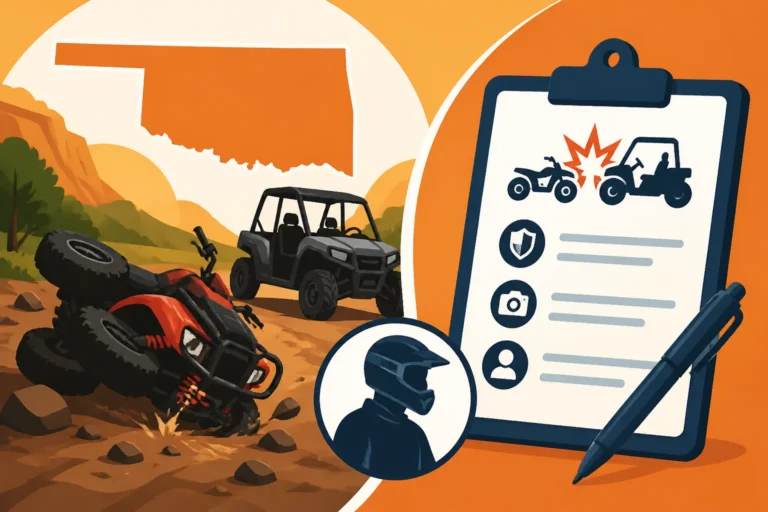
Always carry a basic toolkit, a first-aid kit, and a way to communicate (a fully charged cell phone, though reception can be spotty in rural Oklahoma). Let someone know your riding plan and estimated return time. If you plan to be out late, ensure your lights are fully functional. A small shovel, recovery strap, and a winch (many UTVs come with them, or you can add one from a brand like SuperATV) can be lifesavers if you get bogged down in thick pasture mud. Knowing [Oklahoma Accident Reporting for an ATV Crash] is crucial, even if it's on private land, especially if injuries are involved. The key is to be self-sufficient and prepared for the unexpected.
Legal and Ethical Considerations Beyond Trespassing
While most of the "rules" on private land are about permission and common sense, there are still a few legal and ethical points that extend beyond just not trespassing.
Noise, Wildlife, and Local Ordinances
Even if you own the pasture, your riding can impact neighbors or local wildlife. [Oklahoma Noise Complaints About Quads] are a real thing, and persistent loud riding can lead to strained relationships, or even violate local ordinances designed to maintain peace and quiet in rural areas, especially late at night.
Consider the time of day and how your noise might carry. This is particularly true if your pasture is near other residences. Similarly, while you have more freedom on private land, state and federal wildlife laws still apply. You can't hunt out of season or without proper licenses, even on your own land. If you're carrying a firearm, ensure you understand [Carrying a Firearm on an ATV While Hunting] and all relevant regulations. Some landowners might have specific requests about wildlife viewing or conservation, so respecting their wishes is part of being a good guest.
Liability and Insurance
This is a big one. If someone else is riding your machine on your land, or you're riding on someone else's land, liability becomes a serious concern. While Oklahoma doesn't require ATV insurance for trail riding, it's highly recommended.
If a rider gets injured on your property, or if you cause damage to someone else's property while riding, you could be held liable. Your homeowner's insurance might offer some limited coverage, but often specific ATV/UTV policies are needed. Discuss this with your insurance agent to understand your coverage gaps. If you're riding on someone else's land, it's prudent to ensure they are aware of their own liability exposure and if they require you to have your own insurance. This isn't just about protecting assets; it's about making sure everyone is taken care of in case of an unfortunate accident. [Oklahoma ATV Insurance Costs] can vary, but it's a worthwhile investment for peace of mind.
The Impact of Your Choices on Access
Every rider's actions, even on private land, contribute to the broader perception of off-road enthusiasts. When you ride responsibly, respect the land, and adhere to agreed-upon rules, you help maintain positive relationships with landowners and ensure continued access for yourself and others.
Conversely, irresponsible behavior – leaving ruts, damaging fences, harassing animals, or being excessively loud – can lead to landowners closing their property to all riders. This is how access is lost, one bad experience at a time. Be an ambassador for the sport. Show landowners that ATV and UTV riders can be responsible, respectful, and even helpful stewards of the land. It ensures that the tradition of riding on Oklahoma's beautiful pastures can continue for years to come.
Disclaimer
This article is for general informational purposes only and does not constitute professional advice. Laws, prices and regulations vary by location and change over time. Consult a qualified professional for guidance on your specific situation.