Oklahoma Accident Reporting for an ATV Crash
Let’s be honest, nobody ever plans on getting into an ATV or UTV accident. We envision tearing up trails, conquering dunes, or simply getting ranch work done efficiently. But the reality is, sometimes things go sideways, and when they do, knowing what to do immediately after a crash and understanding Oklahoma's accident reporting requirements can save you a lot of headache, heartache, and even legal trouble down the road. This guide is here to walk you through the essential steps for handling an ATV or UTV crash in the Sooner State, from immediate actions to the nitty-gritty of official reporting.
Immediate Steps After an ATV or UTV Accident
When a crash happens, especially out on a remote trail or a less-traveled section road, the initial moments can be disorienting and stressful. Your first priority should always be the safety and well-being of everyone involved. This isn't just about following rules; it's about basic human decency and common sense.
Assess Injuries and Ensure Safety
As soon as your machine comes to a stop after a collision or rollover, take a deep breath and try to calm yourself. Your adrenaline will be pumping, but a clear head is crucial. First, check yourself for injuries. Even if you feel fine, do a quick mental scan. Then, immediately check on anyone else involved, whether they were passengers on your machine, riders on another ATV, or occupants of another vehicle. If someone is seriously injured, your absolute top priority is to call for emergency medical assistance. Dial 911 without hesitation. Provide clear, concise information about your location, the nature of the injuries, and the number of people involved. Remember, many off-road areas might have spotty cell service, so be prepared to send someone for help if necessary.
Once immediate medical needs are addressed, or if no one is seriously injured, the next step is to secure the scene as best as you can. If the crash occurred on or near a public road, try to move the machines out of the flow of traffic if it's safe to do so. This prevents further accidents. If you're deep in the woods or on private land, you might just need to make sure the area is visible to prevent others from stumbling into the scene. Turn off all engines to prevent fuel leaks or fires. If you have flares or reflective triangles, deploy them, especially if it's getting dark or visibility is poor.
Contact Law Enforcement
This is where things can get a little murky for off-road enthusiasts because the rules aren't always as clear as they are for a fender bender on I-40. However, generally speaking, if there are injuries beyond minor scrapes, significant property damage, or if any public property (like a fence along a county road) has been damaged, you should contact law enforcement. This could be the local sheriff's department, Oklahoma Highway Patrol (OHP), or even park rangers if you're on public land like Little Sahara State Park. Even if you think it's a minor incident, a police report can be invaluable later on for insurance claims, liability issues, or if someone's injuries turn out to be more severe than initially thought. It's always better to have an official record than to wish you did later.
When you call, explain that it was an ATV or UTV accident. Be clear about your location and if there are any injuries. They might send a patrol car or, depending on the remoteness, might advise you on what information to gather yourself. Remember that [What a State Trooper Can Ask to See] often includes your registration and proof of ownership, so have that handy.
Document the Scene Thoroughly
In the digital age, your phone is your best friend after an accident. Start taking pictures and videos immediately. Get wide shots showing the overall scene, close-ups of damage to all machines and any other property, skid marks, broken parts, and anything else that looks relevant. Don't just focus on your machine; document the environment, including road conditions, trail obstacles, weather, and any relevant signage. If you've got a sturdy aftermarket bumper from, say, SuperATV, and it took the brunt of an impact, make sure to get clear photos of that damage.
Beyond photos, gather contact information from everyone involved: names, phone numbers, addresses, and insurance details. Also, get information from any witnesses who saw the crash. Even if they didn't see the exact moment, their observations of the aftermath or conditions leading up to it can be helpful. Note the time, date, and exact location of the accident. Write down everything you remember about how the accident happened, what you were doing, and what others were doing. Details fade quickly, so jotting them down while fresh is critical.
When an Official Accident Report Is Required
Unlike car accidents on public roads, the requirement to file a formal accident report for an ATV or UTV crash in Oklahoma isn't always immediately intuitive. It largely depends on where the accident occurred, the extent of the damage, and whether injuries were involved. However, understanding these thresholds is key to avoiding further legal complications.
Accidents on Public Roads or Public Land
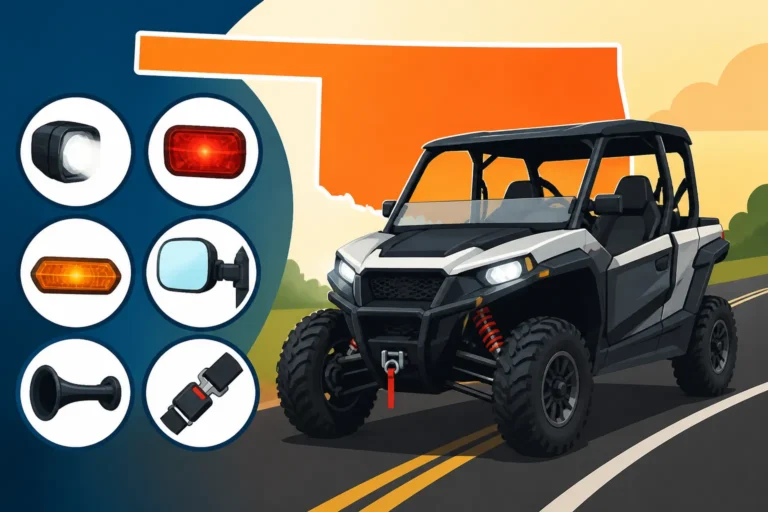
If your ATV or UTV crash occurs on a public road, highway, or any land considered public property (like a state park or a Wildlife Management Area), the reporting requirements generally align more closely with those for traditional motor vehicle accidents. This is particularly true if your UTV happens to be one of the machines that [Oklahoma Road Plates for a Street-Legal UTV] are issued for.
Oklahoma law typically requires a written accident report to be filed if the crash results in:
- Any injury or death to any person involved.
- Property damage exceeding a certain monetary threshold. While this threshold can change, it's typically set high enough that most significant damage to an ATV or UTV, or damage to another vehicle or property, will meet it. Always err on the side of caution.
Even if you're just [Oklahoma Rules for Riding a County Road] or attempting [Oklahoma Crossing Rules at 35 mph], if an incident meets these criteria, an official report is necessary. This report provides a legal record of the event, which is essential for insurance claims, potential lawsuits, and for the state to collect data on accident trends. Law enforcement officers investigating the scene will typically complete this report.
Accidents on Private Property
The rules shift significantly when the crash happens on private land, such as your own farm, a friend's hunting lease, or a private off-road park like Cross Bar Ranch. In these situations, law enforcement may or may not be required or even respond to the scene unless there are serious injuries or fatalities. While police are not generally required to file an official report for property-only damage on private land, it's still highly advisable to involve them if injuries are present or if there's significant damage that might lead to a dispute.
Even if a formal police report isn't filed by an officer, you still have a responsibility to document the incident, especially for insurance purposes. Your ATV insurance policy will likely require you to report the incident to them, regardless of where it happened. They will need details, photos, and possibly even statements from witnesses. If you've invested in quality protective gear or accessories from brands like SuperATV, ensuring you have thorough documentation will help with any replacement claims.
The Role of Insurance Reporting
Regardless of whether law enforcement files an official accident report, you must report the incident to your insurance company if you plan to file a claim. Your policy likely has specific timelines for reporting accidents. Delaying this can jeopardize your claim. Be honest and thorough with your insurer, providing them with all the documentation you collected at the scene. They will use this information to determine fault, assess damages, and process any claims for medical expenses or property repair.
Remember that [Insuring an Off-Road Machine That Has No Plate] might seem straightforward, but a detailed account of any incident is crucial. Your insurance company might want to know about other parties involved, even if they weren't in another vehicle, such as a passenger who sustained an injury.
How to File an ATV or UTV Accident Report in Oklahoma
Filing an accident report in Oklahoma isn't usually something you do by simply filling out an online form, especially for off-road vehicle incidents. The process is generally handled by law enforcement if the incident meets the criteria for requiring one on public roads or land.
When Law Enforcement Files the Report
In most situations where an official report is legally mandated (injuries, significant damage on public roads/land), the investigating officer will be responsible for completing the report. This means they will gather all the necessary information, speak to all parties and witnesses, and document the scene. Your role here is to cooperate fully, provide accurate information, and answer their questions honestly. Do not speculate or admit fault. Stick to the facts. The officer will typically give you a case number or instructions on how to obtain a copy of the report once it's finalized.
It's helpful to understand that officers are trained to look for certain details, and if your machine isn't equipped with proper lighting for instance, even if it's not a direct cause, it might be noted. [Oklahoma Equipment Checks by Troopers] are a real thing, even after an accident.
Information Needed for an Accident Report
Whether you're providing information to an officer or directly to your insurance company, having the following details readily available will streamline the process. This table provides a useful checklist:
| Information Category | Details to Gather |
|---|---|
| Personal Information | Full name, address, phone number, driver's license number (if applicable) |
| Vehicle Information | Make, model, year, VIN, license plate/registration number of all ATVs/UTVs involved |
| Insurance Information | Company name, policy number, contact details for all insured parties |
| Accident Details | Date, time, exact location (nearest intersection, mile marker, GPS coordinates if off-road), weather conditions, road/trail conditions, lighting |
| Description of Accident | Your account of what happened, direction of travel, sequence of events |
| Injuries | Nature of injuries, which body parts affected, who was injured, whether medical transport was needed |
| Property Damage | Description of damage to all vehicles (e.g., bent frame, broken suspension arm, damaged SuperATV windshield), other property damage (fences, signs) |
| Witness Information | Names, phone numbers, addresses of any witnesses |
| Law Enforcement Info | Agency involved, officer's name/badge number, report/case number |
Following Up and Obtaining the Report
Once the officer has completed their investigation, ask them how and when you can obtain a copy of the official report. It usually takes a few days or weeks for reports to be processed and made available. You might need to contact the relevant law enforcement agency (e.g., OHP, county sheriff) or, if it was a state park incident, the park's office. This report is critical for your records, for your insurance company, and for any legal proceedings that might arise. Don't let it slip through the cracks. Getting a copy ensures you have the official record of how the accident was documented.
Consequences of Not Reporting an ATV or UTV Accident
Ignoring the need to report an ATV or UTV accident can lead to a host of problems, some of which can be far more severe than the accident itself. It's truly a "penny wise, pound foolish" approach that can cost you dearly in the long run.
Legal Penalties and Fines
If an accident meets the state's criteria for mandatory reporting (injuries, significant damage on public land/roads) and you fail to file a report, you could face legal penalties. These can range from fines to having your driving privileges (if applicable to a street-legal UTV) suspended. While [Oklahoma Penalties Capped at $25] for certain ATV violations, the penalties for failing to report a serious accident can be much steeper and include additional court costs. This isn't just a minor infraction; it's seen as obstructing the legal process and can complicate things significantly.
Furthermore, if another party involved in the accident suffers injuries that later turn out to be more serious, or if property damage is discovered after the fact, your failure to report can be used against you. This could open you up to civil lawsuits where you might be held personally liable for damages that insurance might have otherwise covered.
Insurance Claim Denials
Perhaps one of the most immediate and impactful consequences of not reporting an accident is the potential for your insurance company to deny your claim. Insurance policies almost universally contain clauses requiring prompt reporting of incidents. If you wait too long, or if there's no official record of the accident, your insurer might argue that they can't verify the claim or that your delay prejudiced their ability to investigate. This means you'd be on the hook for all repair costs, medical bills, and any damages to other property. For expensive machines or aftermarket parts, this could mean thousands of dollars out of your own pocket.
This also impacts any claims made by passengers or other parties for their own injuries or damages. If your insurance company denies your claim due to non-reporting, any injured passengers or damaged property owners might have to pursue legal action directly against you, turning a bad situation into a personal financial disaster.
Future Legal and Financial Headaches
An unreported accident can create a long shadow. Years down the line, an old injury might flare up for another party, or damage to property might be discovered that can be traced back to your unreported crash. Without an official report, proving your side of the story or challenging claims becomes incredibly difficult. You lose the neutral documentation that law enforcement provides.
Also, if you're involved in a future accident, a history of unreported incidents, especially if they involved injuries, could negatively impact your insurance rates or even your ability to get coverage. It's always best to deal with the immediate aftermath of an accident thoroughly and transparently, no matter how minor it might seem at the time. A little effort and attention to detail upfront can save you a world of trouble and expense.
Disclaimer
This article is for general informational purposes only and does not constitute professional advice. Laws, prices and regulations vary by location and change over time. Consult a qualified professional for guidance on your specific situation.