Sand Dunes at Waynoka in the Northwest Corner
Waynoka’s sand dunes can turn a simple ride into a full day of climbs, soft-sand corners, and sudden changes in visibility. But the same terrain that makes northwest Oklahoma’s Little Sahara State Park memorable can catch first-timers off guard. This guide explains what to expect, how to prepare your machine and group, and what to check before unloading.
Getting to the Waynoka sand dunes
Where Little Sahara State Park sits
The dunes near Waynoka are part of Little Sahara State Park in northwest Oklahoma. The park is a destination for ATV, UTV, and other off-highway vehicle riders, with a landscape that feels very different from the red clay, wooded trails, and rocky hills found elsewhere in the state. If you are approaching from Oklahoma City, Tulsa, or farther south, plan for a drive across open country rather than a quick hop from a major metro area.
Waynoka is a useful place to orient yourself, but do not assume that arriving in town means you are already at your riding area or campsite. Build in time to follow the park’s signs, sort out entry requirements, and get your trailer parked safely. If you are towing a wide side-by-side or a long trailer, allow extra time for turns, backing, and crowded arrival periods.
This is a destination ride, so it helps to think beyond the drive itself. Check your fuel, food, water, tie-downs, and basic repair supplies before leaving home. Once you are near the dunes, you may not want to spend the first part of the day driving around to replace something you could have packed.
What makes the landscape different
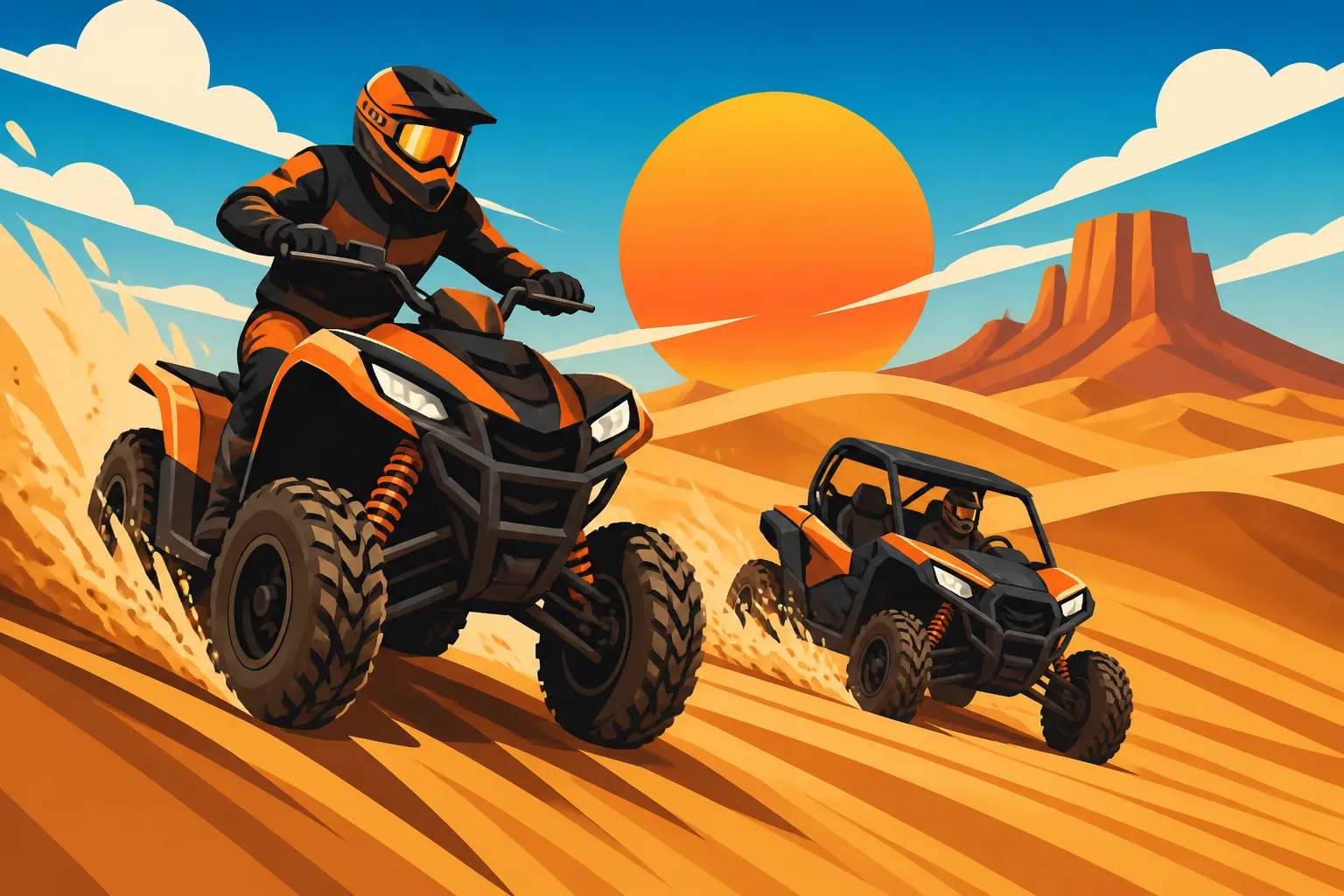
Little Sahara is known for a broad area of shifting sand, open riding space, and dunes that can rise and fall across the riding area. The sand changes shape with wind and use. A route that looks smooth from a distance can hide a steep face, a soft approach, or a drop on the other side. That changing terrain is part of the appeal, but it also means riders need to pay attention rather than follow yesterday’s mental map.
If you are used to forest trails, do not expect a narrow, marked corridor that keeps everyone moving in one direction. In open sand, sightlines and surface conditions can change quickly, and other riders may be approaching from different angles. Keep a lookout at dune crests and avoid charging over a rise when you cannot see what is beyond it.
For a broader sense of how the area fits into Oklahoma’s riding scene, see [Oklahoma ATV Trails: Where to Ride]. If you are comparing destinations before making the drive, [Best Oklahoma ATV Trails for Beginners] can help you think through what kind of terrain and riding setup your group is looking for.
When to check park details
Park entry rules, operating details, camping arrangements, and riding requirements can affect your plans. Confirm the information directly with the park before you leave, especially if you are traveling a long distance, arriving after normal office hours, or planning to camp. A quick check can help prevent the frustrating scenario of pulling in with a full trailer only to discover that you need to change your plans.
Also check for weather and access updates. Sand can behave differently after rain, and high winds can affect visibility and comfort. Conditions may also change during busy weekends when many machines are using the same areas. Pack with a little flexibility: a backup riding plan, extra drinking water, and enough time to wait out a weather change can make the day feel much less rushed.
If your trip involves more than a single day, review [Oklahoma OHV Camping With Trail Access] and [Oklahoma Campgrounds Next to a Riding Area]. For tips on timing a longer visit around the season, [Oklahoma Riding Season Month by Month] offers useful planning context.
What riding the dunes feels like
Sand changes how a machine responds
Loose sand takes more effort than a firm dirt road. Your tires may sink or spin when you accelerate too abruptly, and steering can feel less precise than it does on hard-packed ground. A rider who is comfortable on a rocky trail may still need time to adjust to the way a quad or UTV floats, slides, and climbs in sand.
Use smooth inputs. Sudden throttle changes can dig the rear tires in, while abrupt steering can make the machine drift or lose momentum. On a climb, choose a line you can see clearly, keep a steady pace, and leave room to turn away if the approach does not look right. If a slope feels beyond your comfort level, there is no shame in choosing another route. Dunes reward judgment more than bravado.
Sand can also build heat and dust into the day. Keep an eye on how your machine is running and stop if you notice an unusual sound, smell, warning light, or loss of power. Taking a short break to inspect the air intake, radiator area, tires, and visible fasteners is easier than trying to solve a problem after a hard ride.
Expect changing visibility and busy crossings
A dune crest can block your view of riders coming from the other side. Slow down before the top, look for a safe line, and do not assume the slope is empty just because you cannot see another machine. At a busy riding area, a fast approach can leave little room to react if someone is stopped, turning, or climbing nearby.
Dust and sand can make it harder for others to see you, too. Keep enough space between machines that you are not riding in someone else’s dust cloud. When you stop, choose a spot that is visible and out of the flow of travel. Avoid gathering at the top of a rise or in a place where another rider might crest without warning.
Groups should agree on a simple communication plan before heading out. Decide where to regroup, what to do if someone gets separated, and how the group will handle a machine that needs assistance. A rider who stops should move as far out of active travel as practical, while the rest of the group checks that the area is clear before coming over to help.
Choose terrain that suits your group
A group’s ability is only as strong as its least comfortable rider. If one person is new to sand or riding a small youth machine, start on manageable terrain and let that rider build confidence before tackling steeper or more crowded sections. A relaxed first hour can prevent a long day of pressure, frustration, or avoidable recoveries.
Parents and caregivers should think about more than engine size. Young riders need clear boundaries, close supervision, and breaks before fatigue affects their decisions. Keep the group together at a pace that allows everyone to see and respond. Review [Oklahoma Rules for Young Riders] and [Oklahoma ATV Helmet Law Age] before your trip, and check the park’s own requirements for riders and passengers.
For a first visit, it is often better to explore conservatively than to chase the tallest-looking dune. If everyone returns with energy and confidence, you can try a more challenging line later. If the terrain, traffic, or visibility feels uncomfortable, turn around and choose a different area.
Preparing your ATV or UTV for sand
Tires, pressure, and traction
Sand riding places different demands on tires than rocky or hard-packed trails. The right tire setup depends on your machine, the type of riding you plan to do, and the manufacturer’s recommendations. Do not copy another rider’s tire pressure without considering your own machine and load. A side-by-side carrying passengers and gear may behave differently from a light sport quad.
Before leaving home, inspect tires for cuts, worn tread, embedded debris, and slow leaks. Bring a pressure gauge and a way to add air if you need it. Adjustments should be deliberate, not experimental at the base of a steep dune with a crowd waiting behind you. If you are unsure what setup makes sense, ask an experienced technician or consult your owner’s manual.
Paddle tires may suit some types of sand riding, but they are not a universal upgrade for every machine or every trip. They can change handling on firmer surfaces and may not be the best choice for a mixed-surface drive to and from the riding area. Read [What Tires Work on Loose Sand and Clay] and [Paddle Tires on Oklahoma Dunes] before buying or changing tires for a single outing.
Protecting the engine and cooling system
Fine sand and dust can work their way into places you do not want them. Check the air filter before the trip and inspect it during your visit, particularly after a dusty ride or if several machines have been traveling close together. A dirty filter can affect performance, and cleaning it in a careless way can push grit into the intake. Follow your manufacturer’s cleaning and replacement instructions.
Keep the radiator area clear of packed debris if your machine has a radiator. Sand, dust, and grass can reduce airflow, and a machine that runs hot needs attention rather than a longer, harder ride. Bring basic tools, gloves, and the supplies recommended for your machine. A small amount of scheduled maintenance at camp can spare you a much bigger problem on the trail.
Some riders use tracking and route-planning tools such as onX Offroad to help orient themselves and keep a group’s plan organized. Treat any app as a planning aid, not as permission to ride anywhere or as a substitute for posted rules, park maps, and common sense. Signal coverage can be unreliable in some places, so download or save the information you need before leaving service.
Gear that makes a long day easier
Sand gets into clothing, storage compartments, and exposed equipment. Use secure bags or containers for phones, keys, snacks, and paperwork. Bring eye protection that fits well, gloves, and clothing suited to the forecast. A spare pair of goggles or a way to clean lenses can be useful when wind and dust start to reduce visibility.
Pack drinking water for every person, not just the driver. Warm weather, sun exposure, and repeated exertion can leave riders worn down sooner than they expect. Keep water easy to reach and agree on breaks before someone is already overheated or exhausted. Food, sunscreen, and a basic first-aid kit belong in your plan, too.
If your group uses onX Offroad to plan a route or mark a meeting location, make sure at least one person also knows how to find that spot without relying on a live connection. Carrying a paper map or saving key details offline gives your group another option if a phone battery dies. For gear-specific advice, [Airing Down on Oklahoma Sand] and [Radiator Screens That Keep Fine Dust Out] are helpful topics to review.
Planning a smooth trip with family or friends
Set a meeting plan before riding
A large group can spread out surprisingly fast in open terrain. Before unloading, identify a clear meeting point and decide how often you will stop to check that everyone is together. Make sure each rider knows what to do if the group gets separated: stop somewhere safe, stay put, and use the agreed communication method rather than continuing in a random direction.
For mixed-experience groups, put a confident, attentive rider near the front and another capable person at the back. The lead rider should choose lines the group can handle, not simply the most exciting route. The last rider can watch for mechanical trouble or fatigue. This arrangement does not replace supervision, but it makes it easier to notice when someone has fallen behind.
Avoid making a rider feel pressured to keep up. A newcomer may be embarrassed to say that a slope feels too steep or that they need a break. Make it clear before the ride that stopping, turning around, or taking an easier route is normal. That small conversation can change the tone of the whole day.
Plan for children, passengers, and different machines
A group with youth quads, adult ATVs, and UTVs needs extra care because the machines have different speeds, visibility, and stopping characteristics. Keep slower or younger riders away from fast-moving traffic and steep approaches. Explain where to ride, when to stop, and why a dune crest is a poor place to wait.
Passengers should be seated only where the machine is designed to carry them, and everyone should understand how to hold on and communicate with the driver. A passenger changes how a machine handles, especially when the surface is soft or the route is uneven. Check the machine’s manual and the park’s rules before bringing a passenger along.
Make the day manageable by planning shorter ride periods and regular breaks. Children may become tired, thirsty, or overwhelmed before they can explain what is wrong. If someone is no longer paying attention, is struggling to control the machine, or seems overheated, pause the ride and reassess. A planned rest is far better than an emergency stop in a difficult spot.
Keep your arrival and camp routine simple
Unload in a way that keeps the trailer, machines, and people out of traffic. Before starting engines, confirm that tie-downs are removed, helmets and protective gear are ready, and loose items are secured. It is easy to overlook a strap or leave a phone on the tailgate when everyone is eager to ride.
At camp, keep tools, fuel, food, and riding gear organized. Sand has a way of spreading through everything, so use separate containers for clean items and dirty equipment. Set aside a place for goggles and gloves, and keep drinking water shaded when possible. A simple setup reduces the end-of-day scramble and makes it easier to spot missing equipment before you leave.
If you are arriving during a busy period, give yourself time to settle in before taking the first ride. Rushing the unloading process can lead to loose cargo, missed safety checks, or a machine that was never properly inspected. For more trip-planning ideas, see [Oklahoma Weekend Riding Itineraries] and [Oklahoma Trail Etiquette Locals Expect].
Safety, rules, and a practical pre-ride checklist
Follow posted rules and park directions
A state park riding area is not a free-for-all. Pay attention to signs, boundaries, designated riding areas, and any instructions provided at entry. Rules can cover helmets, visibility equipment, passengers, alcohol, speed, camping, and machine use. Check the park’s official information before you travel and again when you arrive, since local requirements and operating details can change.
The open look of the dunes can make it tempting to assume that every visible patch of sand is available for riding. Do not treat appearance as authorization. Stay within areas where riding is allowed, respect closed or restricted sections, and avoid driving through campsites or places where people are walking. If you are uncertain about a boundary, ask park staff before riding through it.
A bright whip and flag can help make a machine more visible in dune terrain, but riders should confirm the park’s current requirements for flag dimensions, height, and placement. Review [Oklahoma's 10-Foot Whip Rule] and [Oklahoma's Orange Flag Requirement] as part of your preparation. Do not rely on a flag to compensate for riding too fast over a crest or into a blind area.
Use this checklist before unloading
A short check before the first ride can catch problems while the trailer is still nearby. Walk around each machine and look for damage from the drive, loose cargo, low tires, leaking fluids, or a loose battery connection. Confirm that protective gear fits and that each rider knows the group plan.
| Check | What to confirm |
|---|---|
| Park information | Entry details, riding rules, closures, and camping arrangements |
| Machine condition | Tires, brakes, throttle response, visible leaks, and air filter |
| Safety gear | Helmet and protective equipment suited to the rider and machine |
| Visibility | Required flag or whip, lights, and clean goggles |
| Group plan | Meeting point, lead and sweep riders, and separation procedure |
| Supplies | Water, food, first-aid kit, tools, and charged communication devices |
| Weather | Heat, wind, rain, and any effect on visibility or access |
Then start with a slow familiarization ride. Check that every rider can control their machine on the sand before the group moves toward harder terrain. If a machine is bogging down, overheating, or behaving unpredictably, stop and address the issue rather than trying to push through it.
Know when to stop or change plans
The safest decision is sometimes to call the ride early. Strong wind, poor visibility, a mechanical problem, fatigue, or a rider who feels uncomfortable can all justify taking a break or returning to camp. Do not let the effort of getting everyone there turn into pressure to ride regardless of conditions.
Watch for warning signs in both people and machines. If a rider becomes confused, unusually tired, dizzy, or unsteady, get them out of the sun and seek appropriate help. If a machine has a warning light, is losing power, or has a tire or brake issue, park it in a safe place and assess the problem. Continuing can turn a manageable inconvenience into a recovery that puts the whole group at risk.
Before you head to Waynoka, check the park’s current guidance, pack for the conditions, and set expectations with your group. The best dune day is not necessarily the one with the biggest climb. It is the one where everyone rides within their limits, looks out for one another, and gets back to camp ready to ride again another time.
Disclaimer
This article is for general informational purposes only and does not constitute professional advice. Laws, prices and regulations vary by location and change over time. Consult a qualified professional for guidance on your specific situation.