Oklahoma Registration Rules for a Dealer Lot
Picking out a new or new-to-you ATV or UTV from a dealer lot is an exciting moment, but the paperwork process can feel like hitting a mud bog without a snorkel. Many riders assume the dealership handles everything related to registration and titling, only to find themselves scrambling to meet deadlines or gather missing documents. This guide will clarify exactly what a dealer is responsible for in Oklahoma when you purchase an off-road machine, what paperwork you should receive, and what steps you'll need to take to ensure your new ride is properly registered and titled.
Understanding the Dealer's Role in ATV and UTV Transactions
When you walk onto an Oklahoma ATV or UTV dealer lot, you're entering a space where experts in off-road machines facilitate sales. Their primary business is, of course, selling you a machine. However, they also play a crucial role in the initial stages of getting that machine legally recognized in Oklahoma. It's important to understand that while they are vital to the sales process, a dealer isn't the same as a tag agency. They don't issue titles or registration decals themselves, but they do provide the foundational paperwork that allows you to do so.
Think of it this way: the dealer is the architect who draws up the plans and hands you the blueprint for your new machine's legal life. You, the owner, are then responsible for taking that blueprint to the county tag agency to get the building permits, which in this case are your title and registration. The documents they provide are essential, and without them, your journey to legal operation will be stalled. This is why paying close attention to the paperwork you receive at the point of sale is so critical.
Dealer Responsibilities for New ATV and UTV Sales
Buying a brand-spanking-new ATV or UTV from a dealer comes with specific expectations regarding documentation. For a new machine, the most vital piece of paper you'll receive is the Manufacturer's Statement of Origin, often abbreviated as MSO. This document is essentially the machine's birth certificate. It verifies that the vehicle is new, identifies its manufacturer, model, year, and most importantly, its Vehicle Identification Number (VIN). [Oklahoma Requires an MSO for a New Machine] Without the MSO, the Oklahoma Tax Commission cannot issue an initial title for your machine, meaning you won't be able to register it.
Beyond the MSO, the dealer is also responsible for providing you with a comprehensive sales invoice. This isn't just a simple receipt; it's a detailed record of your purchase. It should clearly list the machine's purchase price, any accessories you bought, trade-in allowances if you traded an old machine, and any applicable fees. While ATVs and UTVs don't technically pay sales tax in Oklahoma, they are subject to excise tax, which the dealer may collect or provide documentation for you to pay at the tag agency. [Oklahoma Dealer Invoices at Titling] Some dealers might also include a "documentary fee" or "doc fee" for preparing all the necessary paperwork. This fee can vary significantly between dealerships, and it's always a good idea to ask what it covers. [Oklahoma Dealer Documentary Fees]
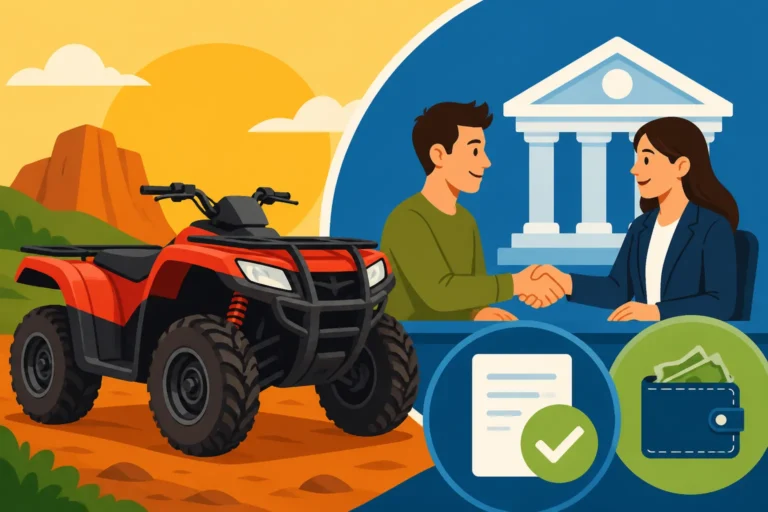
Many dealerships offer to handle the titling and registration process on your behalf as a convenience. While this can seem like a great time-saver, it's crucial to understand that it often comes with an additional charge, and you are still ultimately responsible for ensuring the process is completed. If the dealer does offer this service, make sure you get clear communication on when the documents will be submitted, when you can expect your decal and title, and what copies of the submitted paperwork you should retain. Remember, the 30-day clock for registering your new machine starts ticking the day you take possession, not when the dealer gets around to filing your paperwork. [Oklahoma's 30-Day Registration Deadline]
Dealer Responsibilities for Used ATV and UTV Sales
When you purchase a used ATV or UTV from a dealer, the documentation requirements shift slightly compared to a new machine. Instead of an MSO, the dealer's primary responsibility is to provide you with the existing Oklahoma title, properly signed over to you, the new owner. This title will show the previous owner's information and will be endorsed by the dealer as the seller. This transfer of title is the critical step in proving ownership.
However, things can get a bit more nuanced with older used machines. Oklahoma has cutoff dates for ATV and UTV titling: ATVs manufactured before July 1, 2005, and UTVs manufactured before July 1, 2008, may not have an existing title. In these cases, the dealer still has a responsibility to provide you with clear proof of ownership. This typically comes in the form of a detailed bill of sale. This bill of sale is crucial and should include the machine's VIN, make, model, year, the purchase price, and the names and signatures of both the dealer and the buyer. Ensuring this document is thorough is paramount for older machines lacking titles. [Oklahoma Bills of Sale for Older Machines] For private sales or older machines without a title, resources like LawDepot often provide templates for comprehensive bills of sale that can help ensure all the necessary legal details are covered, making the process smoother even for dealers selling these older units.
Even for used machines, the sale is subject to Oklahoma's 4.5% excise tax on the purchase price. The dealer might collect this from you at the time of sale, or they may simply provide the documentation you need to pay it when you title the machine yourself. [Oklahoma's 4.5 Percent Excise Tax] If the machine is an older model without a title, you might also need to file a [Oklahoma Declaration of Purchase Price] at the tag agency to calculate this tax. Having a clear and detailed bill of sale is critical for accurately reporting this price.
What Buyers Should Expect and How to Protect Themselves
Navigating the purchase of an ATV or UTV from a dealer involves understanding not just the fun of the ride, but also the nitty-gritty of paperwork. Here's a breakdown of what you should expect and how to protect your investment:
The "Out-the-Door" Price and Hidden Fees
When discussing pricing, always ask for the "out-the-door" price. This figure should include the machine's cost, any accessories, freight charges (the cost to get the machine from the factory to the dealership), assembly fees, and those documentary fees we mentioned earlier. [Oklahoma Dealer Freight Charges] Dealerships will often roll these costs into the final figure, and understanding each component can help you budget and negotiate effectively. Don't be shy about asking for a full breakdown of every single charge, so there are no surprises when you get to the finance office.
Essential Paperwork Checklist
To avoid any headaches down the road, make sure you leave the dealership with a complete set of documents. Here’s a quick checklist:
| Document Type | For New Machines | For Used Machines with Title | For Used Machines Without Title (Pre-Cutoff) | Purpose |
|---|---|---|---|---|
| Manufacturer's Statement of Origin (MSO) | Required | Not applicable | Not applicable | Proves the machine is new and verifies its VIN for initial titling. |
| Oklahoma Title | Not applicable | Required (Signed Over) | Not applicable | Proves previous ownership and is transferred to you. |
| Bill of Sale | Often included on invoice | Good to have as backup | Required | Legal record of sale; crucial for older machines and verifying purchase price. |
| Sales Invoice | Required | Required | Required | Detailed breakdown of purchase price, fees, and taxes. |
| Odometer Disclosure | Not applicable | Not applicable | Not applicable | Not required for ATVs/UTVs in Oklahoma. [Oklahoma Has No Odometer Rule for ATVs] |
| Excise Tax Documentation | Varies by dealer | Varies by dealer | Varies by dealer | Proof of payment or documentation needed to pay the 4.5% excise tax. |
For ensuring your bill of sale is legally sound, especially when dealing with older machines or private sales through a dealer, using reliable forms from services like LawDepot can add an extra layer of confidence, making sure all necessary disclosures are included.
DIY vs. Dealer-Handled Registration
You have a choice: let the dealer handle the titling and registration for an additional fee, or tackle it yourself at a tag agency. If you opt for the dealer to handle it, ensure you receive copies of all documents they submit, and clarify the timeline for receiving your title and decal. If you choose to do it yourself, you'll save the dealer's doc fee but will need to be diligent about collecting the correct paperwork and visiting the tag agency within the 30-day deadline. This approach allows you to directly ask [Oklahoma Registration Questions Clerks Hear] and ensure everything is processed to your satisfaction. You'll need to know [How to Register an ATV in Oklahoma] and the specific [Oklahoma ATV Title Requirements] before you go.
Whether you're buying new or used, a reputable dealer should be able to answer all your questions about the registration process and provide the necessary documentation. Don't hesitate to ask questions. Understanding these rules ensures your machine is ready for the trails and complies with Oklahoma law, protecting you from potential [Oklahoma Late Registration Fees] or other penalties.
Disclaimer
This article is for general informational purposes only and does not constitute professional advice. Laws, prices and regulations vary by location and change over time. Consult a qualified professional for guidance on your specific situation.