Oklahoma Ag Permit Holders and Excise Tax
Oh, the world of Oklahoma ATV and UTV registration and titling can feel like navigating a maze blindfolded, especially when you throw in terms like "agricultural permit" and "excise tax." Many folks who use their machines for legitimate farm or ranch work assume their hard-earned dollars are safe from certain state fees, only to be hit with unexpected costs at the tag agency. This guide is here to clear up the confusion, explaining exactly how an agricultural permit impacts – or doesn't impact – the excise tax you'll pay on your off-road machine in Oklahoma.
Understanding Oklahoma's Excise Tax on ATVs and UTVs
Before we dive into how an agricultural permit might help, or not help, let's get a solid grasp on what Oklahoma's excise tax is all about when it comes to your ATV or UTV. It’s a fee that catches many new buyers off guard, but once you understand its purpose and how it's applied, it becomes less of a mystery. This isn't just some random charge; it’s a specific kind of tax with its own set of rules.
What Exactly is Excise Tax?
When you buy an ATV or UTV in Oklahoma, you're not paying traditional "sales tax" on the vehicle itself in the way you might pay it on a new pair of boots or a lawnmower. Instead, the state levies an "excise tax" on vehicle purchases, including off-road machines. Think of it as a one-time fee imposed by the state on certain goods or services, and in this case, it's tied directly to the ownership transfer of a vehicle. This means whether you buy new from a dealer or used from a private seller, you're likely going to encounter this tax.
This excise tax is typically paid at the tag agency when you go to title and register your machine. It's often lumped in with other fees, which can make it hard to distinguish, but it's a significant part of the overall cost of getting your new-to-you machine legally recognized in Oklahoma. Understanding that it replaces a traditional sales tax on vehicles helps to frame why it's structured the way it is and why there are specific rules for its application.
The Standard 4.5 Percent Rate
For most ATV and UTV purchases in Oklahoma, the excise tax is calculated at a flat 4.5 percent of the purchase price or the declared value of the machine. This rate applies fairly universally, whether you're bringing home a brand-new side-by-side or a well-loved quad from a private sale. The state uses the purchase price as the basis for this calculation, meaning the more you spend on your machine, the higher your excise tax bill will be. It's a straightforward percentage, but it can certainly add up, especially on higher-value machines.
It’s crucial to be honest and accurate about the purchase price when you're titling your machine. For dealer purchases, the invoice will clearly state the price. For private sales, you'll typically need a [Oklahoma Declaration of Purchase Price] form or a solid bill of sale, perhaps even a template from a service like LawDepot, to establish the value. The tag agency uses this figure to calculate the tax, so any discrepancy could lead to questions or delays. This 4.5 percent applies to most, but not all, situations, which is where agricultural exemptions sometimes come into play, or at least, used to. This is where [Oklahoma's 4.5 Percent Excise Tax] becomes a very real part of your purchase.
When and Where You Pay This Tax
The excise tax isn't something you typically pay directly to the seller or the dealership as a separate line item labeled "excise tax." Instead, it's collected by the state through the tag agency system. When you visit your local tag agency to get your [Oklahoma Titles ATVs and UTVs] and your permanent registration decal, the excise tax will be part of the total fees you pay. This usually happens within 30 days of purchasing your machine, as per state regulations.
So, while you might negotiate the price with a private seller or a dealer, remember that the 4.5 percent excise tax will be an additional cost that you'll owe to the state at the time of titling. It's a fundamental part of the registration process for any ATV or UTV that isn't already titled in your name or specifically exempt. Being prepared for this expense is key to avoiding surprises when you're excited to finally make your machine road or trail-ready, or at least farm-ready. You'll find it clearly laid out when you bring your [Oklahoma Dealer Invoices at Titling] or your bill of sale for a used machine.
The Role of an Agricultural Permit in Oklahoma
For generations, farming and ranching have been the backbone of Oklahoma. Naturally, the state has had provisions to support its agricultural community, and this historically extended to equipment used on the farm, including ATVs and UTVs. An agricultural permit used to be a golden ticket, offering a range of exemptions that significantly lightened the financial load for farmers and ranchers. However, like many things, the rules have evolved, making it crucial to understand the current landscape.
What an Ag Permit Is
An agricultural permit in Oklahoma is essentially a designation for machinery used primarily for agricultural purposes. It's not a permit for riding an ATV on a public road, but rather a way to identify vehicles or equipment used exclusively in farming or ranching operations. Historically, obtaining an ag permit involved demonstrating to the state that your machine was indeed an integral part of your agricultural enterprise, such as hauling feed, checking fences, or transporting tools across your land.
These permits were designed to reduce the financial burden on those who relied on these machines for their livelihood, acknowledging that agricultural operations often run on tight margins. For many years, holding an ag permit meant you could bypass certain taxes and fees, including, most notably for our discussion, the excise tax. It was a tangible benefit that helped make essential farm equipment more affordable, allowing farmers to invest more in their operations.
Historical Exemptions for Farm Machines
Back in the day, if you had an agricultural permit for your quad or side-by-side, it often meant you were exempt from several state fees, and the excise tax was a big one. This made perfect sense: why tax equipment essential for food production at the same rate as a recreational vehicle? The intent was to support the agricultural sector by keeping the cost of doing business down. If your ATV was pulling a small trailer of hay bales or checking on cattle, it was seen as a workhorse, not a toy.
These exemptions weren't just for excise tax either; they often extended to other aspects of vehicle ownership, though the focus here is squarely on the excise tax. For many, an ag permit was synonymous with saving a significant chunk of money at the tag agency. This historical context is important because it explains why so many long-time farmers and ranchers still believe these broad exemptions apply today, leading to confusion and frustration when they visit the tag agency expecting a different outcome.
The Major Change in 2008
Here's where things got tricky and why many of the old assumptions no longer hold true. In July 2008, Oklahoma significantly revised its laws regarding the titling and taxation of ATVs and UTVs, specifically impacting the agricultural excise tax exemption. This change was a game-changer, effectively narrowing the scope of what qualified for an excise tax exemption under an agricultural permit. If you're talking about a UTV bought after this date, you need to be aware of [Oklahoma UTV Cutoff of July 2008].
After July 1, 2008, new regulations were put into place that, for the most part, eliminated the excise tax exemption for many ATVs and UTVs, even if they were used exclusively for agricultural purposes and held an ag permit. The state began to categorize these machines more strictly, distinguishing between true "implements of husbandry" – specialized farm equipment designed only for agricultural operations – and versatile ATVs/UTVs that could be used for recreation but were being used for farm work. This reclassification meant that the blanket exemption largely disappeared, causing significant confusion among the agricultural community. This crucial [Oklahoma Excise Tax Cutoff Dates] changed how many thought about their farm machines.
How Agricultural Permits Impact ATV/UTV Excise Tax Today
With the historical context in mind, let's zero in on the present reality. For many ATV and UTV owners in Oklahoma who use their machines for farm and ranch work, the news about excise tax exemptions can be a bit of a letdown. The broad exemptions of yesteryear are, for the most part, a thing of the past. It's vital to understand the current rules to avoid unexpected costs when you're preparing to title your machine.
No Excise Tax Exemption for Most New Machines
If you're buying a new ATV or UTV today, even if it's explicitly for farm or ranch use and you have an agricultural permit, you will almost certainly pay the 4.5 percent excise tax. The 2008 legislative changes effectively removed the excise tax exemption for most conventional ATVs and UTVs. The state now views these machines as primarily recreational vehicles that can be used for work, rather than dedicated agricultural implements. This distinction is subtle but has a major financial impact.
This means that while your machine might be an absolute workhorse on your land, hauling feed, checking fences, or spraying weeds, it's no longer automatically exempt from excise tax simply because you possess an agricultural permit. You'll need to budget for that 4.5 percent on top of your purchase price, just like someone buying a machine purely for trail riding. This is a common point of frustration for many in the agricultural community who feel they are being unfairly taxed on essential farm equipment. This is where [Oklahoma Agricultural Excise Tax Exemption] has significantly narrowed.
The Specific Use Case for the Exemption
So, does an agricultural permit offer any excise tax relief for ATVs and UTVs anymore? In very specific and limited circumstances, yes, but it’s not what most people expect. The exemption primarily applies to machines that are considered true "implements of husbandry" – equipment designed and used exclusively for agricultural operations, and not designed for transportation on highways or for recreational purposes. Think of specialized tractors, combines, or custom farm equipment.
A standard ATV or UTV, even a utility-focused side-by-side, generally doesn't fit this narrow definition. Unless your machine is permanently modified or purpose-built only for a specific agricultural task and cannot reasonably be used for anything else, it's unlikely to qualify. This often means very large or specialized equipment, not the versatile off-road machines we typically think of as ATVs and UTVs. It’s a niche exemption that rarely applies to the typical quad or side-by-side bought for ranch work.
Why the Distinction Matters for Your Wallet
Understanding this distinction is crucial for your budget. If you go into the titling process expecting an excise tax exemption based on an agricultural permit, you'll be hit with an unexpected cost of 4.5 percent of your machine's value. For a $15,000 UTV, that's an additional $675 that you might not have accounted for. This can significantly impact your financial planning for a new machine.
Being aware of the current rules allows you to budget accurately and avoid unpleasant surprises at the tag agency. While an agricultural permit still carries certain benefits for property tax purposes or other agricultural-specific programs, its power to exempt your ATV or UTV from excise tax at the time of purchase has largely been curtailed. Always assume you'll pay the excise tax unless you have a truly unique "implement of husbandry" that explicitly qualifies under current state statutes.
Navigating the Titling Process with an Ag Permit
Even if the excise tax exemption isn't as broad as it once was, properly navigating the titling process is still essential, especially for those who do use their ATVs and UTVs primarily for agricultural work. While you might still pay the excise tax, you'll still need to title your machine correctly and understand what documentation the tag agency will require from you.
Essential Documents for Ag Permit Holders
When you head to the tag agency with your farm machine, whether it's new or used, you'll need a specific set of documents. Even if your machine no longer qualifies for the excise tax exemption, having your agricultural information ready can sometimes streamline other aspects, or at least help the tag agent understand your machine's primary use. You'll definitely need a completed title application, which will ask for details about the machine and its ownership. For a new machine, you’ll present the [Oklahoma Requires an MSO for a New Machine] from the dealer.
For any machine purchase, new or used, you’ll need proof of the purchase price. This might be a dealer invoice or, for a private sale, a clear and comprehensive bill of sale. Sometimes, a [Oklahoma Declaration of Purchase Price] form is required, especially if there's no formal bill of sale or if the price seems unusually low. You can find reliable templates for such documents online, with services like LawDepot often providing customizable forms that meet state requirements. Don't forget your photo ID and proof of Oklahoma residency.
What to Expect at the Tag Agency
When you present your documents at the tag agency, be prepared for questions about your machine's use, especially if you mention an agricultural permit or farm use. The tag agents are trained to apply the current laws, which means they'll likely process your ATV or UTV purchase with the 4.5 percent excise tax included, even if you explain its farm purpose. They are primarily looking for complete paperwork and proper identification to ensure the title transfer is legitimate.
It's helpful to be clear and concise when explaining your situation. While you might express your understanding that the excise tax exemption is limited, don't get discouraged if the agent confirms it applies to your machine. Their job is to follow the law as it stands. They will calculate the total fees due, which will include the excise tax, the [Oklahoma Charges $11 at Titling] registration fee, and any other applicable charges. The process should be fairly straightforward if you have all your documents in order.
Common Pitfalls and Misconceptions
One of the biggest pitfalls for ag permit holders is operating under outdated assumptions. Believing that your agricultural permit automatically exempts you from excise tax, or even registration fees, can lead to frustration and unexpected costs. Another common misconception is confusing agricultural use with road-legal status; using a machine on a farm doesn't make it legal for all public roads without meeting separate "street-legal UTV" requirements, which is a different topic entirely.
Another pitfall is not having clear documentation for the purchase price, especially in private sales. Vague bills of sale or handshake deals can cause delays and questions about the declared value, potentially leading to the tag agency assigning a value based on their own assessment. Using a professional template from a site like LawDepot for your bill of sale can prevent many of these issues, ensuring all necessary details are included and legally sound. Always double-check current state regulations or ask your tag agency beforehand if you have specific questions about exemptions.
Distinguishing Excise Tax from Other Fees for Ag Permit Holders
While the focus of this discussion has been on the excise tax, it's important for agricultural permit holders to understand that this is just one piece of the financial puzzle. There are other fees associated with ATV and UTV ownership in Oklahoma, and it's essential to know which ones your agricultural designation does or does not affect. Clarifying these distinctions can help you build a more accurate budget for your farm machine.
The Flat $11 Registration Fee
Regardless of whether you use your ATV or UTV for farm work or recreation, and regardless of any agricultural permit you may hold, you will typically pay a flat $11 registration fee at the time of titling. This fee is a one-time charge for off-road machines in Oklahoma, and it's generally not something that an agricultural permit exempts you from. Think of it as the basic administrative cost to get your machine into the state's system and receive your permanent registration decal.
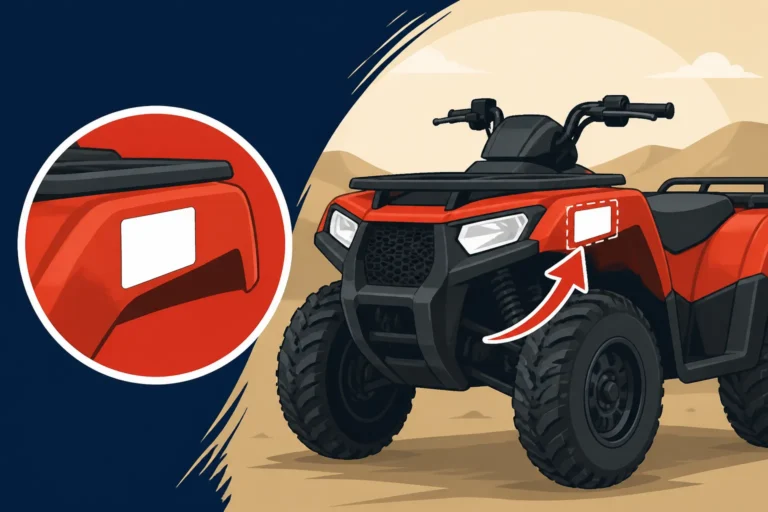
This $11 fee covers the issuance of your registration decal, which goes on the front of your machine. It's an important part of making your machine legitimate for off-road use, even if that use is exclusively on private farm land. [What Oklahoma's $11 Registration Fee Actually Covers] is primarily this administrative process. So, while you might be trying to save money on the excise tax, be prepared to pay this modest but mandatory fee.
No Annual Renewal Fees for Off-Road Machines
Here's some good news that does apply to everyone, including agricultural permit holders: Oklahoma does not charge annual renewal fees for off-road ATVs and UTVs. Once you've paid that initial $11 registration fee and received your decal, you're done! There are no yearly charges to keep your off-road machine registered in the state. This is a significant difference from cars and trucks, which require yearly tag renewals.
This benefit means that while you might pay the excise tax upfront, the ongoing cost of simply keeping your machine registered is virtually non-existent, unless you need a replacement decal or transfer ownership. An agricultural permit doesn't change this fact; it's a rule that benefits all off-road vehicle owners in Oklahoma. So, even if the excise tax exemption is gone, at least you won't be hounded by yearly renewal notices for your farm quad. This is because [Oklahoma Registration Never Renews].
Understanding Your Total Out-of-Pocket for a Farm Machine
To sum it up, when you're purchasing an ATV or UTV for agricultural use in Oklahoma, even with an ag permit, your typical out-of-pocket costs at the tag agency will include:
- Excise Tax: The 4.5 percent of the purchase price or declared value. This is the biggest single fee and is generally not exempt for most ATVs/UTVs, regardless of an ag permit.
- Registration Fee: The flat $11 one-time fee. This is mandatory for all off-road machines and is not exempt with an ag permit.
- Title Fee: A separate, smaller fee for the actual transfer and issuance of the vehicle title.
- Lien Fee: If you financed the machine, a small fee will be charged to record the lien.
It’s easy to get caught up in the details, but remember that services like LawDepot can help you generate critical documents like a solid bill of sale, ensuring your declared purchase price is well-documented for the tag agency. While the agricultural permit might not save you money on the initial excise tax or registration fee for your typical ATV or UTV, it's still an important designation for other aspects of farm operations. Knowing what to expect at the tag agency will ensure a smoother, less surprising experience.
| Fee Type | Applies to ATV/UTV | Ag Permit Exemption (Typical ATV/UTV) | Notes |
|---|---|---|---|
| State Excise Tax | Yes (4.5% of value) | No (since 2008 for most machines) | Applies to new and used purchases. Rare exceptions for true "implements of husbandry." |
| One-Time Registration Fee | Yes ($11) | No | Covers the permanent front decal. |
| Annual Renewal Fee | No | N/A | Oklahoma does not require annual renewals for off-road ATVs/UTVs. |
| Title Fee | Yes (small fee) | No | Standard fee for transferring and issuing the vehicle title. |
| Lien Recording Fee | Yes (small fee) | No | If the machine is financed, covers recording the lien holder. |
Disclaimer
This article is for general informational purposes only and does not constitute professional advice. Laws, prices and regulations vary by location and change over time. Consult a qualified professional for guidance on your specific situation.