Adding Up a Family’s Day at Little Sahara
A family day at Little Sahara can cost more than the admission fee suggests. Fuel for the tow vehicle and machines, food, safety gear, and last-minute supplies all add up, especially when you’re bringing more than one rider. This guide breaks the day into practical budget categories and gives you a simple way to estimate your total before you leave home.
Start With Little Sahara’s Admission and Park Rules
Check how admission applies to your family
Begin with the park’s current fee information, then work out how it applies to the people in your group. Admission policies can distinguish between riders, passengers, adults, and children, so count everyone who will enter rather than estimating from the number of machines alone. Check the age rules, too: a child’s admission may be handled differently from an adult’s.
The details matter for a family. For example, a parent riding a side-by-side with two children may need to budget differently from two adults arriving on separate machines. Before you go, confirm whether passengers pay the same admission as riders and whether children under a certain age qualify for free entry. [Little Sahara's Day Fees in Oklahoma] and [Children Under Ten Free] cover those questions in more detail.
Also check what the admission covers. A day-use fee and a camping charge are not necessarily the same thing, and an annual pass may not include every optional cost. If you’re planning to stay overnight, look into camping separately rather than assuming it comes with access to the riding area. [What a Little Sahara Annual Pass Leaves Out] is useful if you’re comparing a single visit with repeat trips.
Budget for the way your family plans to ride
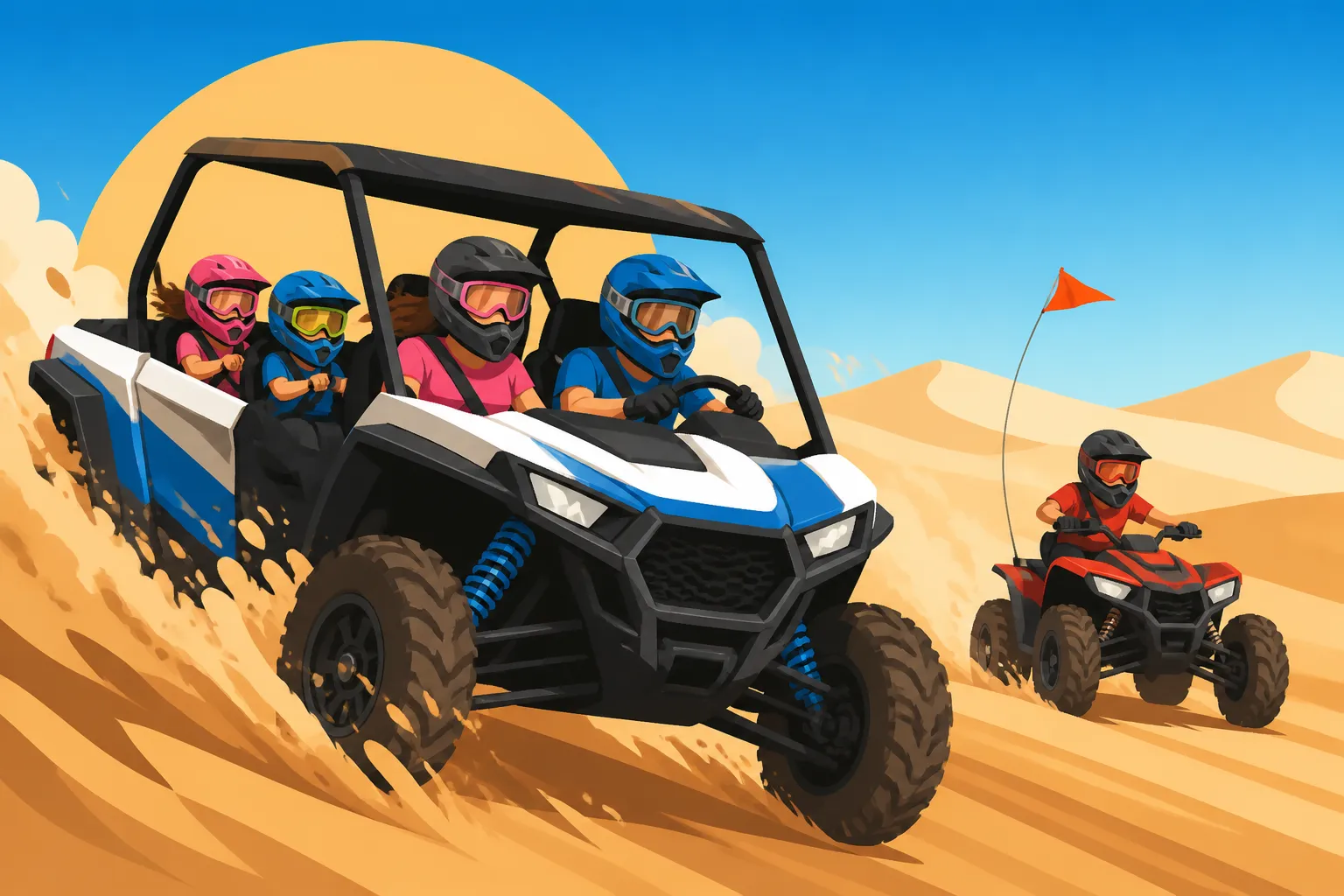
A one-machine visit and a three-machine visit can have very different totals, even if everyone arrives together. List each machine and each rider, then check which park requirements apply to them. A child who rides their own quad may need a different setup than a child riding as a passenger in a machine designed to carry passengers.
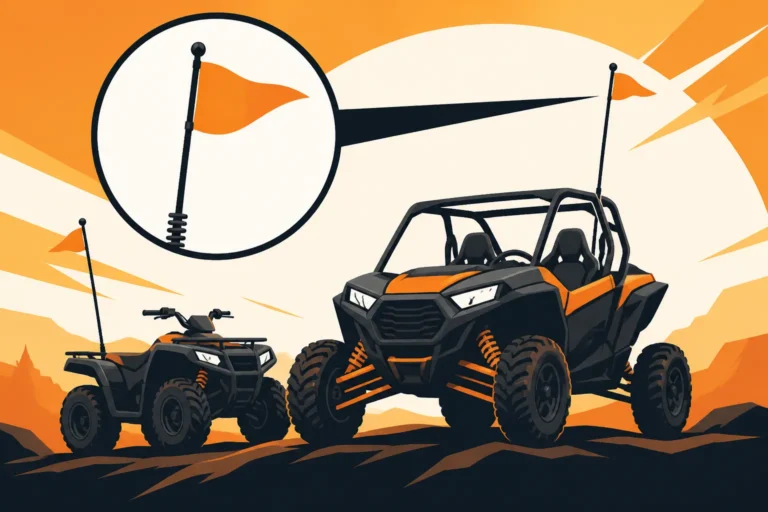
Little Sahara is a dune-riding area, so safety equipment and machine preparation belong in the budget as well as park admission. Check the park’s requirements before loading up. For example, the whip and flag rules are important to understand before you arrive, and lights may matter if your riding plan includes lower-light conditions. The details are explained in [Oklahoma's 10-Foot Whip Rule] and [Oklahoma's Orange Flag Requirement].
Try not to leave required gear until the last stop before Waynoka. A missing flag, unsuitable helmet, or forgotten tie-down can turn a planned day into an expensive scramble—or keep a machine off the dunes. Do a quick equipment check at home, when there’s still time to borrow, replace, or repair something.
Add Up the Costs Beyond Admission
Include travel, towing, and machine fuel
For many families, the trip to Little Sahara starts with a tow vehicle and trailer. Estimate the round-trip distance from home, then consider the tow vehicle’s fuel use while pulling the load. A truck carrying several machines can use fuel differently from the same truck driving without a trailer, so a normal commute estimate may come up short.
Machine fuel is a separate line. How much you use depends on the machines, the length of your riding day, how often you stop, and how aggressively you ride. Sand riding can be demanding, so don’t assume a tank that lasted through a casual local ride will cover a full day at the dunes. Check fuel levels before leaving, and plan where you’ll refuel if your route or schedule requires it.
| Budget item | What to count | A practical way to estimate it |
|---|---|---|
| Park admission | Everyone entering the riding area | Check the current rules and count each person by age and role |
| Tow-vehicle fuel | Round-trip travel while towing | Estimate the route and allow for towing fuel use |
| Machine fuel | Each ATV or UTV | Base it on the machine, expected riding time, and planned stops |
| Food and drinks | Meals, snacks, and water for the group | Plan for the full day, including extra water for hot weather |
| Safety and riding gear | Required or missing equipment | List what you own and what you still need before departure |
| Camping or lodging | Only if staying overnight | Check separately; don’t assume admission includes a campsite |
| Wear and maintenance | Tires, belts, oil, and cleaning supplies | Set aside a trip allowance, especially after frequent dune rides |
| Emergency buffer | Unexpected supplies or delays | Keep a reserve separate from the planned spending |
If you’re coming from farther away, work out whether the drive and towing costs make a day trip worthwhile or whether an overnight stay is more practical. [Trailering a Machine From Tulsa to Little Sahara] offers relevant planning considerations for a longer tow. The broader guide to [Oklahoma Dune Riding Explained] can also help you think through the kind of preparation a sand-riding day involves.
Plan food, water, and small purchases
Food is easy to underestimate because it seems minor beside the cost of hauling several machines. But a family may need breakfast on the road, lunch, snacks, and drinks for the drive home. Decide what you’ll bring from home and what you might buy near the park, then budget accordingly.
Water deserves its own plan. Sand riding and warm weather can make a day feel more tiring than expected, and children may not remember to drink regularly when they’re excited to ride. Pack enough water for the group, including a reserve, and make it easy to reach. Keep snacks and drinks where they won’t spill or get buried beneath helmets and riding gear.
There’s also a difference between a planned purchase and a forgotten item. Sunscreen, eye protection, gloves, a basic first-aid kit, and a phone charging option are easier to pack at home than replace in a hurry. Put those supplies on a checklist rather than hoping you’ll remember everything during the final loading rush.
Build a Family Budget That Matches the Day
Use a simple per-family worksheet
A useful estimate doesn’t need to be complicated. Write down the costs that apply to your trip, fill in the current figures from the park and your own travel plans, and add a small reserve. Keep the reserve separate so it doesn’t disappear into the ordinary spending estimate.
For instance, imagine two adults and two children traveling with a pair of machines. The family can make one line for admission, another for towing fuel, and a separate line for the two machines’ fuel. Then add food, water, and any gear they need to buy. If they plan to camp, they should add that as a separate category after confirming the camping arrangements and charges.
This approach also makes it easier to compare options. You can see whether bringing food from home meaningfully changes the total, whether one vehicle can tow everything, or whether the family would rather save for a longer visit. It avoids the frustrating moment when the admission is paid and the budget suddenly has to stretch to cover fuel, meals, and supplies.
Use a checklist like this before you leave:
- Count every adult, child, rider, and passenger.
- Confirm the current admission rules and any age-related conditions.
- List each machine and check its required safety equipment.
- Estimate round-trip towing fuel separately from machine fuel.
- Plan food, snacks, and water for the whole group.
- Add camping or lodging only if the trip includes an overnight stay.
- Set aside an emergency buffer for unexpected needs.
For park logistics, check the current information before setting your departure time. [How Long a Little Sahara Day Fee Lasts] can help you plan around the length of your visit, and [Little Sahara's Office Hours and Phone Number] is a useful reference if you need to ask about a specific detail directly.
Decide whether a day trip or overnight visit makes sense
A day trip may look less expensive because it avoids a campsite or lodging cost, but a long drive can mean leaving early, returning late, and squeezing riding into a tiring schedule. Families coming from a distance should weigh the whole experience, not only the park admission. A shorter riding day after a long tow may be less enjoyable than expected.
An overnight trip adds another budget category, but it may give the family more time to ride without rushing the drive. Before choosing, check campsite availability, what facilities are offered, and whether your group needs to bring extra supplies. Don’t assume a campground fee, admission, and any other park-related costs are bundled together; confirm what applies to your plan.
Weather and trail conditions can affect the decision, too. Sand, wind, heat, and changing conditions can shape how long people want to ride. Check [Oklahoma Trail Conditions Before You Tow] before loading the trailer, and avoid treating a planned schedule as fixed if the conditions call for a different approach.
Keep the Day Safe and Avoid Last-Minute Costs
Prepare machines and gear before loading
A small problem at home is usually easier to handle than the same problem at the trailhead. Check tires, brakes, lights, fluids, belts, and tie-downs before departure. Make sure each machine has the equipment it needs for the park and the kind of riding your family intends to do.
Give children a simple role in the preparation. They can help check helmets, gloves, eye protection, and water bottles, while an adult handles the machine inspection and loading. That makes it less likely that a key item gets left in the garage—and helps younger riders understand that preparation is part of a riding day, not an annoying extra.
If you use a navigation app, download or review the relevant map information before setting out and make sure your phone is charged. onX Offroad can be one planning tool for checking route information, but don’t rely on a phone alone in an area where reception or battery life may be limited. Bring a backup plan for meeting points and returning to camp or the parking area.
Make a final budget check the night before
The evening before the trip, compare your list with what is already packed. Confirm the park’s current admission details, make sure you have a way to pay, and check whether your planned camping arrangements require separate preparation. Put documents, keys, phones, and any needed permits where they won’t get lost among riding gear.
If you’re using onX Offroad to plan the route or save map information, check it before the drive rather than waiting until you’re already on the road. A second look at the route, weather, and travel timing can help you avoid detours and reduce the chance of arriving with an avoidable problem. Keep the park’s own guidance as the final word on access, fees, and rules.
A realistic family budget is more than a single admission figure. It accounts for the people coming, the machines they’ll ride, the drive to Waynoka, food and water, required equipment, and any overnight plans. When each category has its own place in the estimate, you can see what the day is likely to cost—and enjoy the ride without being surprised by the basics you forgot to plan for.
Disclaimer
This article is for general informational purposes only and does not constitute professional advice. Laws, prices and regulations vary by location and change over time. Consult a qualified professional for guidance on your specific situation.