Two Campgrounds at One OHV Area
Robbers Cave’s OHV area near Wilburton gives riders a useful choice: camp close to the riding area or stay at another campground within the state park. That flexibility can make a weekend easier, but it also raises practical questions about distance, reservations, trailers, and what to confirm before you leave home.
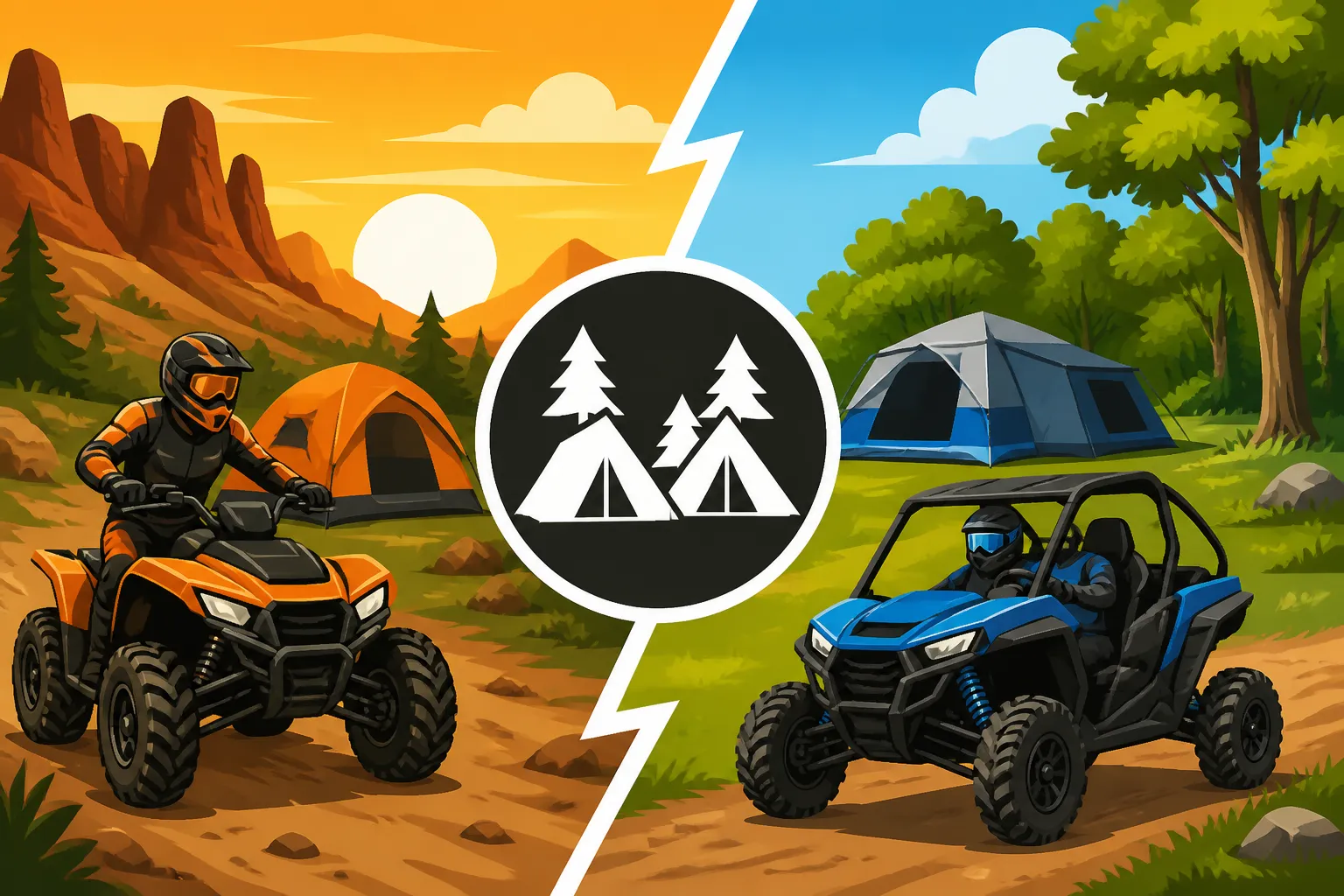
How the two campground options fit with the OHV area
The campground closest to the riding area
Deep Fork Campground is the key landmark to know when planning a Robbers Cave OHV trip. It sits across from the riding area, which makes it a natural choice if your priority is getting from camp to the trails with minimal back-and-forth. The relationship between the campground and riding area is described in [Robbers Cave Rides Across From Deep Fork Campground].
That closeness can be especially helpful when you’re hauling a trailer, riding with children, or bringing a group with different plans for the day. A nearby campsite may make it easier to return to camp for lunch, a forgotten item, or a rest break without turning the stop into a long drive. It can also simplify the end of the day when everyone is tired and the machine needs to be secured.
Still, “near the riding area” does not tell you everything you need to know about a campsite. Before booking, confirm where you’ll park the tow vehicle and trailer, whether the site is suitable for your setup, what facilities are available, and whether the campground has any rules that affect OHV use. Campground services and access details can change, so check directly with the park before relying on an old trip report or a map pin.
The second campground within the park area
Robbers Cave State Park also gives visitors another camping option, which can suit a trip where riding is only one part of the weekend. Staying elsewhere in the park may make sense if your group wants more time for hiking, exploring the park, or enjoying a quieter campground setting rather than prioritizing the shortest trip to the OHV area.
The trade-off is convenience. A campground farther from the riding area can mean extra time moving between camp and the trailhead, especially if your group needs to transport machines rather than ride directly to the riding area. Don’t assume that a campground’s location makes it legal or practical to ride a machine between the campsite and the OHV area. Confirm the permitted route and any restrictions with park staff.
When comparing the two choices, think about the whole day rather than just the campsite itself. A family with young riders may value a short return to camp for breaks. A group combining trail riding with other park activities may prefer the option that best fits its broader itinerary. The best campground is the one that matches how you’ll actually spend the weekend.
What to verify before choosing
Treat the two campground options as separate choices, not interchangeable places with identical access and facilities. Before making a reservation, check the current park map and ask whether the campground is close to the OHV area, how visitors travel between the two, and where trailers can be left while riding.
It’s also worth asking about arrival and check-in procedures, campsite access, restroom and water availability, quiet hours, pets, and any seasonal restrictions. If you plan to arrive after dark, confirm how to find the campground and whether you can reach your site without driving through a restricted area. A little advance checking can prevent the frustrating scenario of arriving with a trailer and discovering that the site or route doesn’t work for your rig.
For a wider look at the logistics of camping near riding areas, [Oklahoma Camping Beside an OHV Area] can help you build a more complete checklist.
Choosing a campground for your kind of trip
Pick for trail access when riding is the main event
If the purpose of your trip is to ride as much as possible, prioritize a campground that makes access straightforward. Being close to the OHV area can reduce unnecessary loading, unloading, and driving. That matters when you have several machines, a tight schedule, or riders who need frequent breaks.
Proximity does not replace checking the area’s operating rules. Robbers Cave’s OHV area has its own riding conditions and permitted hours, so confirm the details before planning your day. The overview in [Robbers Cave's Daylight Hours in Oklahoma] is a useful starting point, but verify current access information with the park before you travel.
Also consider the size and character of the riding area. Robbers Cave’s OHV area is relatively compact compared with vast trail systems, so it helps to set expectations about the kind of outing you’re planning. [What Fits Into Robbers Cave's 250-Acre Riding Area] offers context for thinking about the scale of the ride and whether it suits your group.
Choose for a mixed park weekend
If your group wants to ride for part of the day and spend the rest of the time enjoying the park, the campground that best fits your non-riding plans may be the better choice. That could mean prioritizing access to the park activities your family cares about, the campsite setup you prefer, or a location that makes it easier for everyone to follow a different schedule.
This kind of trip benefits from a simple plan. Decide which day or time block is for riding, which activities are optional, and who is responsible for transporting each machine. If one person wants to ride while another stays at camp, make sure the transportation plan works for both. A campground farther from the OHV area can be manageable when you plan for it; it becomes a headache when everyone assumes the sites are next door.
For other ways to match a campsite to a riding weekend, see [Oklahoma Trails With Camping]. Use any broad trail or camping guide as a planning aid, then confirm the details for Robbers Cave specifically.
Match the campground to your group and equipment
A solo rider on a small machine has different needs from a family towing multiple machines in a long trailer. Before choosing, picture the actual setup: tow vehicle length, trailer width, number of machines, and whether you need room to unload or turn around. If anyone in the group has mobility or accessibility needs, ask the park about the route from the campsite to the facilities and the riding area rather than relying on a general description.
Groups should also agree on expectations before arrival. Decide whether everyone will ride together, whether the group will split by skill level, and where to meet if riders take different routes. A campground near the riding area can make regrouping easier, but it doesn’t replace a clear plan for communication and supervision.
If you’re navigating with a mapping app such as onX Offroad, use it to help orient yourself and plan the drive, but don’t treat a displayed route as permission to ride. Confirm trail access and boundaries with the park. A downloaded map can be useful where cell service is unreliable, while posted signs and park instructions should guide decisions on the ground.
A practical planning checklist for a Robbers Cave stay
Confirm reservations, facilities, and access
Start by checking which campground is available for your dates and what the reservation covers. Confirm the campsite’s capacity, the permitted number of vehicles, and whether your trailer can be parked at the site. Ask about water, restrooms, showers, electrical service, and other facilities your group considers essential instead of assuming they’re included.
Next, check how you’ll reach the OHV area from camp. Ask whether you need to load the machines for the trip, whether there is designated parking at the riding area, and whether there are any restrictions on moving machines around the park. These details can shape your entire day, particularly if you’re bringing children or a group that wants to return to camp between rides.
Build in time for a final check of trail and weather conditions. Rain can change riding conditions, and muddy or slick roads can affect towing as well as riding. [Oklahoma Trail Conditions Before You Tow] is a helpful reminder to consider the access road and trailer journey, not just the trail surface.
Make a simple arrival and riding plan
Before setting out, write down the campground address or directions, reservation information, park contact details, and the planned route to the OHV area. If you expect poor cell coverage, save maps and essential information offline. onX Offroad can help with offline navigation when you prepare maps in advance, but keep a park map or written directions as a backup.
On arrival, check posted signs and confirm that you’re in the correct campground and parking area. Unload only where permitted, secure your trailer, and make sure every rider understands where to meet if separated. For a group, choose a clear landmark at the riding area rather than saying “meet back at camp” if getting there requires a drive.
Finally, make the riding plan fit the group’s experience and the park’s rules. Set a turnaround time, carry water and basic supplies, and leave enough daylight to return, load machines, and secure equipment. Courtesy on the trails matters too; [Oklahoma Trail Etiquette Locals Expect] can help riders think through considerate group habits.
Use maps as planning tools, not permission slips
A map can help you understand the distance between campgrounds, parking, and riding areas, but it may not show every current restriction. App layers can also be confusing when public roads, park roads, and trails appear close together. Check the park’s own information and posted directions when deciding where you can drive or ride.
If you use onX Offroad, download the relevant map area before leaving home and test that you can access it offline. Mark useful locations such as the campground, OHV parking, fuel stops, and a meeting point. Keep in mind that a marked route is not a guarantee of current access, and a phone battery can drain quickly while navigating.
A paper map or saved screenshot is a sensible backup. Make sure another adult in your group knows the route and campground details, too. That small precaution can save time if a phone is lost, damaged, or out of power.
Comparing the two campground choices
| Planning factor | Campground closest to the OHV area | Second campground in the park |
|---|---|---|
| Best fit | A riding-focused weekend | A mixed riding and park visit |
| Main advantage | Less back-and-forth between camp and riding | More flexibility to choose a setting that suits the wider trip |
| Main question to ask | How close is the campsite to the riding area, and where can trailers park? | How will the group travel between camp and the OHV area? |
| Important to confirm | Facilities, site capacity, and permitted access | Route, travel time, access rules, and available facilities |
| Planning caution | Nearby does not automatically mean you can ride directly from camp | Do not assume the campground and OHV area share the same access arrangements |
The table is a starting point, not a substitute for checking the park’s current information. Your trailer, group size, preferred facilities, and plans beyond riding may change which option makes more sense.
Common mistakes that make the trip harder
Assuming every campground is equally close
A park map can make locations look close together even when the practical route takes longer than expected. Roads may wind, parking may be limited, or machine access may be restricted. Check the driving route and ask how riders actually get from the campground to the OHV area.
Another common mistake is confusing proximity with permission. A campground being across from a riding area does not automatically mean you can ride across a road or use any route you see. Follow posted instructions and ask park staff if the route is unclear.
Booking before checking the trailer setup
A campsite that works for a car may be a poor fit for a truck and long trailer. Confirm parking and turning space before you book, particularly if you’re traveling with more than one tow vehicle. It’s easier to adjust a reservation or choose another site before departure than to solve a tight parking problem at check-in.
Also plan where machines will sit overnight and how they’ll be secured. Bring the locks or covers you normally use, and avoid leaving valuable gear scattered around the campsite. If you’re towing through southeast Oklahoma, check your equipment and tie-downs before the return journey as carefully as you did before arrival.
Relying on old trip details
Older posts, photos, and map pins can be helpful for orientation, but they may not reflect current campground rules or access arrangements. Confirm hours, availability, fees, and facility information directly with the park. For a final pre-departure checklist, [Questions to Ask the Park Office Before You Go] can help you cover the details that are easy to overlook.
Robbers Cave can work well for a weekend that combines camping and OHV riding, especially when you choose a campground based on how your group intends to use the park. Confirm the current arrangements, plan the route between camp and the riding area, and match your campsite to your trailer and group needs. Those steps leave you with fewer surprises and more time to enjoy the trip.
Disclaimer
This article is for general informational purposes only and does not constitute professional advice. Laws, prices and regulations vary by location and change over time. Consult a qualified professional for guidance on your specific situation.