Towing a Small Trailer Behind a Side-by-Side
Riding a side-by-side or ATV in Oklahoma opens up a world of adventure and utility, but sometimes you need to haul more than what fits in the cargo bed. The idea of hitching up a small trailer to carry your hunting gear, firewood, tools for a ranch project, or even extra camping supplies can be super appealing, but it often leaves folks wondering, "Can I even do that, and if so, what are the rules?" This guide will walk you through everything you need to know about legally and safely towing a small trailer behind your side-by-side in the Sooner State, cutting through the confusion so you can get your gear where it needs to go.
Understanding Oklahoma's Rules for Towing with an Off-Road Machine
Oklahoma’s approach to off-road vehicles, including side-by-sides and ATVs, is unique in many ways, and towing is no exception. Unlike larger vehicles with dedicated towing regulations, side-by-sides often fall into a gray area or are covered by general off-road rules, especially when it comes to pulling something like a small utility trailer or a specialized hunting cart. It's not as simple as hitching up and going; you need to consider where you're riding and what you're hauling.
General Considerations for Off-Road Towing
When you're out on private land, whether it's your own property, a friend's ranch, or a leased hunting ground, the rules are generally more relaxed. On private property, the primary concerns shift from legal compliance to common sense and safety. You're not typically dealing with state statutes dictating trailer lights or brake requirements, but rather ensuring you don't overload your machine or create a dangerous situation. This freedom on private land is a huge advantage for side-by-side owners, as it allows for practical tasks like hauling feed to livestock, moving brush, or bringing equipment to a remote work site without bureaucratic hurdles. However, that doesn't mean you should throw caution to the wind. Always operate within your machine's capabilities and understand that even a small bump can become a big problem when you're pulling a loaded trailer.
The moment you venture onto public lands, whether designated trails, Wildlife Management Areas (WMAs), or county roads, the landscape of rules shifts. [Oklahoma Rules for Towing a Trailer] specifically addresses some of these nuances. While many WMA regulations focus on the machine itself (like requiring a [Oklahoma Land Access Permit Cost]), they might also have implicit rules about vehicle size and use that could impact towing. It's always best to check with the specific WMA or park you plan to visit. For example, some trails might be too narrow or steep for a UTV with a trailer, regardless of the legal aspect. Always assume that the more public the land, the more formal the rules become, and never take anything for granted.
Towing on Oklahoma's Roads and Highways
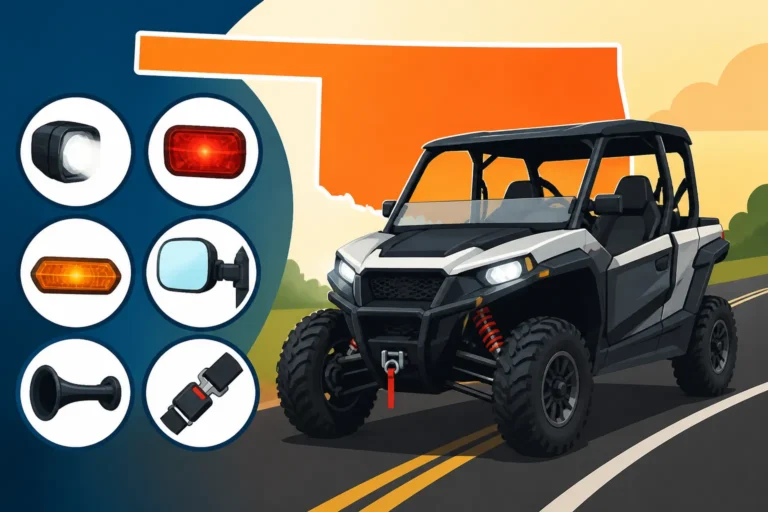
This is where things get particularly tricky and where many riders get into trouble. Generally, ATVs and UTVs are not designed or permitted for extensive road use in Oklahoma. However, there are exceptions. Oklahoma has a class for [Oklahoma Street-Legal UTV Class Explained], which allows certain side-by-sides to be equipped with items like turn signals, mirrors, and horns, and then registered for street use with [Oklahoma Road Plates for a Street-Legal UTV]. If your side-by-side qualifies for and has a road plate, it's operating more like a regular vehicle, and thus, the state's general towing laws for light trailers would likely apply. This typically means ensuring the trailer itself has proper lighting, safety chains, and potentially brakes if it exceeds a certain weight threshold. Always remember that even with a road plate, there are restrictions on where you can drive, such as avoiding interstates and many US highways.
For those without a street-legal registration, towing a trailer on county roads or city streets is usually prohibited unless it falls under a very specific exemption, such as the "instrument of husbandry" rule for agricultural purposes. [Oklahoma Farm Use on County Roads] touches on how machines used exclusively for farming or ranching can sometimes operate on county roads for short distances. This is a narrow exception, usually for moving equipment between fields or to a nearby barn, and it generally doesn't extend to recreational towing. If you’re hauling firewood from a hunting lease on a county road, for example, it’s highly unlikely you’d fall under that agricultural exemption. The spirit of the law for off-road vehicles is to keep them off paved public roads, so be very cautious before assuming you can tow on them.
Safety First: Essential Considerations Before You Tow
Towing isn't just about whether you can do it, but whether you should, and how to do it safely. Overlooking crucial safety measures can lead to accidents, damage to your machine, or injury. A small trailer can quickly become a big problem if not handled correctly. Taking the time to prepare and understand the dynamics of towing with a side-by-side is paramount.
Understanding Your Machine's Towing Capacity
Every side-by-side has a manufacturer-specified towing capacity, which is the maximum weight your machine can safely pull. This isn't just about the engine's power; it includes the strength of the frame, the hitch point, the braking system, and the suspension. Exceeding this limit puts immense strain on all these components, leading to premature wear, potential failure, and significantly compromised handling. Imagine trying to stop a runaway trailer with a machine not designed for that much weight – it's a recipe for disaster. This capacity is usually listed in your owner's manual, and it's absolutely crucial to consult it. Remember, this capacity includes the weight of the trailer itself plus whatever you load onto it. Don't forget that if you've added heavy accessories to your UTV, like a large SuperATV winch bumper or a full skid plate kit, that weight also subtly impacts your effective towing capacity.
Another often-overlooked factor is tongue weight. This is the downward force the trailer's tongue exerts on your UTV's hitch. Too much tongue weight can lift the front of your UTV, reducing steering control and braking effectiveness. Too little, and the trailer can sway wildly, especially at speed or over uneven terrain. A good rule of thumb is that tongue weight should be 10-15% of the total loaded trailer weight. Adjusting the load on your trailer (moving items forward or backward) is key to achieving proper tongue weight. It’s a delicate balance that significantly impacts stability, particularly when navigating rough trails or traversing hills where weight shifts can be exaggerated.
Pre-Tow Checklist and Inspection
Before you even think about moving, a thorough inspection is non-negotiable. This isn't just a quick glance; it's a systematic check to ensure everything is secure and functioning. Here’s a basic checklist to get you started:
| Component | Check Item | Why It Matters |
|---|---|---|
| Hitch & Coupler | Securely attached, locked, free of damage | Prevents trailer from disconnecting, ensures proper connection |
| Safety Chains | Crossed under the coupler, properly connected | Secondary security in case of hitch failure |
| Trailer Lights | All turn, brake, and running lights functional | Essential for visibility and legal compliance on public roads |
| Tires (UTV & Trailer) | Proper inflation, no visible damage, good tread | Affects stability, traction, and carrying capacity |
| Brakes (UTV & Trailer) | UTV brakes responsive, trailer brakes (if applicable) working | Critical for stopping safely, especially on inclines/declines |
| Load Security | Items tied down, balanced, not exceeding trailer height | Prevents shifting, falling, and maintains stability |
| Suspension (UTV) | Not sagging excessively, stable ride height | Overloaded suspension affects handling and can be damaged |
This checklist is vital every single time you tow. What might seem like a minor oversight, like a slightly underinflated tire or a loose hitch pin, can quickly escalate into a dangerous situation once you're moving, especially over varied terrain.
Adjusting Your Riding Style for Towing
Towing changes everything about how your side-by-side handles. You can't ride a UTV with a trailer attached the same way you'd ride it solo. Your stopping distances will increase significantly, cornering will require more caution, and accelerating will be slower. You need to anticipate turns and stops much earlier. When climbing or descending hills, lower speeds and careful throttle control are essential to prevent the trailer from pushing your UTV or causing it to lose traction. On uneven ground, approach obstacles slowly and consider the articulation of both your UTV and the trailer to avoid getting high-centered or tipping.
Rough terrain amplifies all these concerns. A small trailer can bounce and sway much more dramatically than your UTV, potentially destabilizing your ride. Always maintain a slower speed than you normally would, and be extra vigilant for obstacles that could snag your trailer or cause it to upset. Remember that the overall length of your rig is now considerably longer, making tight turns and navigating through trees or narrow passages much more challenging. Look far ahead, plan your path, and don't be afraid to stop and assess a tricky spot on foot before committing.
Choosing the Right Trailer and Setup for Your Side-by-Side
Selecting the appropriate trailer and ensuring your side-by-side is properly equipped for towing are foundational steps. The market offers a wide variety of small trailers, but not all are created equal when it comes to being pulled by an off-road machine. Matching the trailer to your UTV's capabilities and your specific needs is key.
Types of Small Trailers Suitable for UTVs
When we talk about "small trailers" for side-by-sides, we're generally looking at a few common types:
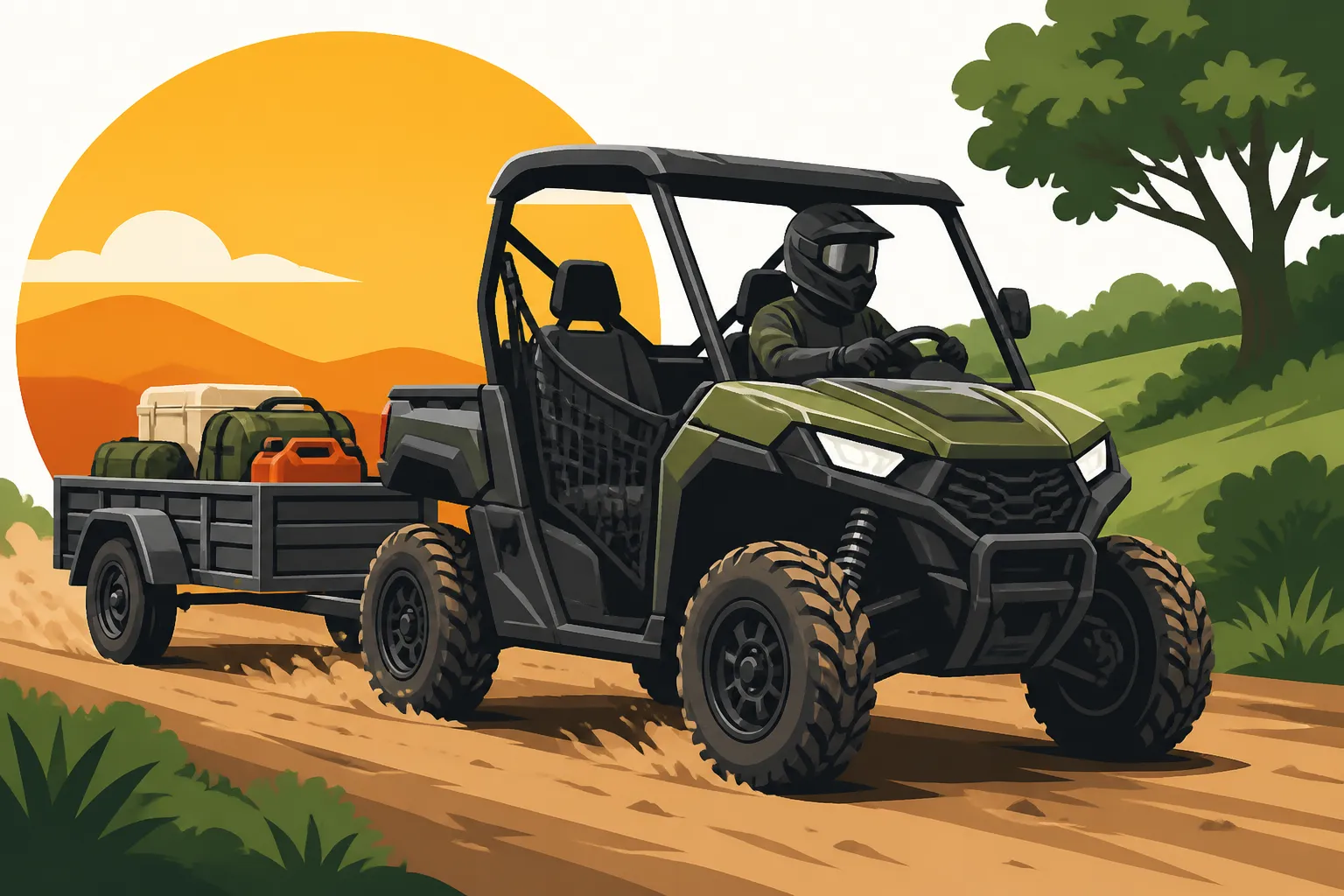
- Utility Trailers: These are often open-bed trailers, usually 4×6 or 5×8 feet, with low sides. They are versatile for hauling anything from firewood and bags of feed to camping gear or tools. Look for lightweight models, perhaps with mesh or expanded metal floors, that won't add too much to your total towed weight. Many come with a small ramp gate, which is handy.
- Hunting/Game Carts: These are typically smaller, lighter trailers specifically designed for hauling a harvested deer, turkey, or other game. They often have robust tires suitable for off-road terrain and are designed for easy cleaning. Their lower profile can also be an advantage in wooded areas.
- Specialized Off-Road Trailers: Some manufacturers produce trailers specifically for off-road use, often featuring independent suspension, high ground clearance, and larger, more aggressive tires. These are built to follow a UTV over challenging terrain and can be pricier but offer superior performance and durability in extreme conditions. Companies like SuperATV sometimes offer accessories or even complete small trailers designed to integrate seamlessly with UTVs.
- Watercraft/Jet Ski Trailers (Single): For those who want to haul a single jet ski or a small kayak to a lake or river access point, a single watercraft trailer can be viable. Again, pay close attention to the weight and ensure your UTV's capacity is not exceeded.
When making your choice, always consider the weight of the empty trailer, the maximum load you anticipate carrying, and how the trailer's dimensions will impact maneuverability on your intended trails or property.
Hitch Types and Aftermarket Accessories
Most modern side-by-sides come equipped with a standard 2-inch receiver hitch, making it easy to connect to a wide range of trailers using a standard hitch ball and mount. However, some older or smaller ATVs might have a smaller ball hitch or a pin-style hitch, limiting your options without an adapter. Always ensure your hitch receiver is clear of debris and corrosion, and that your hitch pin and clip are secure.
For those looking to enhance their UTV's towing capabilities, several aftermarket accessories can make a big difference:
- Heavy-Duty Hitches: While most stock hitches are sufficient, if you're regularly pushing the upper limits of your machine's towing capacity, a reinforced or heavy-duty aftermarket hitch can provide added peace of mind.
- Suspension Upgrades: Hauling heavy loads can cause your rear suspension to sag, negatively impacting ground clearance, ride quality, and handling. Upgrading to heavier springs, adjustable shocks, or even adding air-assist bags can help maintain a level stance and better control when towing. This is especially true if your SuperATV lift kit also included heavier springs.
- Brake Upgrades: While trailer brakes are rare on the very small trailers typically pulled by UTVs, if you're consistently towing heavier loads, consider whether your UTV's braking system is up to the task. Aftermarket brake pads or rotors can offer improved stopping power.
- Whips and Flags: If you plan on taking your UTV and trailer to an area like Little Sahara State Park, remember that [Oklahoma's 10-Foot Whip Rule] and [Oklahoma's Orange Flag Requirement] apply to both the UTV and the trailer if the trailer obstructs the view of the flag on the UTV. It's often easier and safer to mount a separate whip and flag on the rear of the trailer to ensure visibility, especially over the dunes.
Investigating these accessories can significantly improve both the safety and effectiveness of towing with your side-by-side, allowing you to tackle more demanding tasks or longer hauls with greater confidence.
Practical Scenarios: When and Where You Might Tow in Oklahoma
Towing a small trailer with your side-by-side isn't just about fun; it's incredibly practical for a variety of tasks and recreational activities across Oklahoma's diverse landscapes. Understanding these scenarios can help you prepare your machine and trailer for the specific demands they'll face.
Ranch and Farm Work
Oklahoma is a state with a rich agricultural heritage, and side-by-sides have become indispensable tools on countless ranches and farms. Towing a small trailer for these purposes is perhaps the most common and accepted use case. Imagine hauling fence posts, rolls of wire, tools for repairing equipment in a remote pasture, or even moving small calves from one pen to another. On your own land, the rules are dictated by your common sense and the capabilities of your machine. [Oklahoma Rules for Riding Farm Ground] and [Oklahoma Rules for Riding a Pasture] certainly apply here, highlighting the utility of a UTV with a trailer to navigate challenging terrain that larger trucks might struggle with.
The "instrument of husbandry" exception allows farmers and ranchers to use their UTVs and attached trailers on county roads for short distances between fields or to move equipment to a processing facility. This is a vital provision that acknowledges the practical needs of agricultural operations. However, this exception is not a blanket permit for recreational road use; it's strictly for farm-related activities. For example, using your UTV and trailer to haul firewood from your property to town for personal use would likely not qualify under this specific exemption, even if you are a farmer. Always be mindful of the intent behind the law.
Hunting and Camping Expeditions
For hunters, a side-by-side with a trailer can be a game-changer. Imagine pulling a game cart full of hunting stands, blinds, and a generator deep into a WMA or private hunting lease. After a successful hunt, the trailer becomes invaluable for hauling out a deer or hog, saving your back and preserving the meat. This is particularly true in areas like the Honobia Creek or Three Rivers WMAs, where vast acreages mean long hauls from the kill site. [Oklahoma WMA Access for a Quad] often restricts what vehicles can be used, but generally, if your UTV is allowed, a small, purpose-built trailer for game retrieval is usually within the spirit of the rules, though specific WMA regulations should always be confirmed.
Campers also find great utility in a UTV and trailer. When heading to a dispersed camping spot in the [Oklahoma Ouachita National Forest Access] or even a designated campsite that allows off-road vehicle access, a trailer can carry extra firewood, water, tents, and coolers. This allows you to bring more comforts of home to remote locations that would be inaccessible to a full-size truck and trailer. Just remember to secure your load well, as camping gear can be bulky and prone to shifting on uneven trails.
Property Maintenance and Landscaping
Beyond agriculture, many Oklahoma homeowners with larger properties or even small businesses use side-by-sides for property maintenance. Towing a small trailer is perfect for hauling yard waste, bags of mulch, tools for landscaping projects, or even small construction debris. Whether you're working on a sprawling lake property or a suburban lot with acreage, the maneuverability of a side-by-side combined with the hauling capacity of a small trailer makes tasks much easier.
Consider using your UTV and trailer for projects like clearing brush from a fence line, spreading gravel on a long driveway, or even bringing in supplies for a garden shed build. The ability to navigate tight spaces, across rough terrain, and avoid tearing up delicate lawns makes a side-by-side with a trailer an excellent alternative to a larger truck. This is where your side-by-side truly shines as a multi-purpose utility vehicle, whether it's a ranch-specific model or a more recreational UTV with the right SuperATV accessories.
Disclaimer
This article is for general informational purposes only and does not constitute professional advice. Laws, prices and regulations vary by location and change over time. Consult a qualified professional for guidance on your specific situation.