Riding Through Pasture Where Cattle Are Grazing
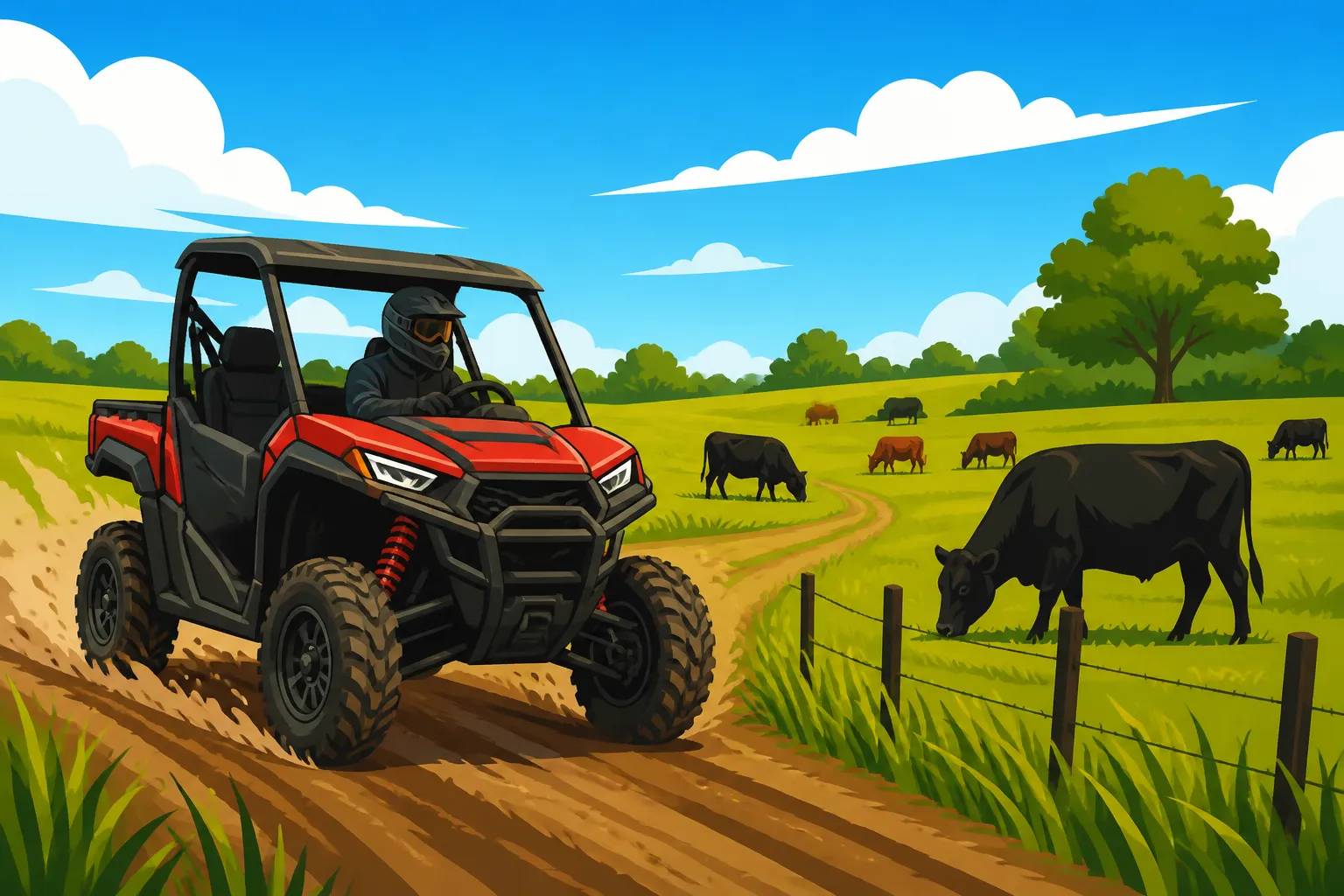
Riding your ATV or UTV across a sprawling Oklahoma pasture, especially one actively grazed by cattle, sounds like the quintessential off-road experience for many. But it's also a situation fraught with potential issues, from legal complications and safety hazards to unintentional damage to the land and the livestock. This guide will walk you through the critical considerations, essential etiquette, and practical tips to ensure your ride on private pasture is safe, respectful, and above all, lawful, preventing costly mistakes and maintaining good relationships with landowners.
The Absolute Golden Rule: Permission is Paramount
Let's get this out of the way upfront: if you don't own the land, you absolutely, unequivocally need permission before you ever set a tire on a private pasture. This isn't just a suggestion; it's a fundamental principle of land use and a legal requirement in Oklahoma. The allure of wide-open spaces can be strong, but neglecting this first step can lead to serious consequences, impacting not just your day but potentially your legal standing.
Understanding Oklahoma Trespass Laws
In Oklahoma, entering private property without permission is considered criminal trespass, and it's a charge that can carry real penalties. It's not just about "no trespassing" signs; if the land isn't yours and you don't have express permission, you're trespassing. This isn't a gray area. Landowners have a right to protect their property, their livestock, and their livelihood. An ATV or UTV rider tearing across their pasture without permission is viewed no differently than someone walking across their yard—it's an invasion of their space.
When we talk about [Oklahoma Trespass Law for Riders], it's important to understand that ignorance is rarely an excuse. Even if you mistakenly believe the land is public or that "it's just a pasture," the burden is on you to know where you're riding. A landowner could call law enforcement, leading to citations, fines, and even impoundment of your machine. It’s a situation no rider ever wants to find themselves in, especially when a simple conversation could have prevented it all. Beyond the legal ramifications, there's the damage to your reputation as a responsible rider and the broader off-road community.
How to Secure Permission Properly
So, you want to ride on a pasture? Great! The next step is to approach the landowner. This process requires respect, clarity, and often, a bit of patience. Simply waving from the road isn't enough. You need to have a direct conversation and obtain clear, unambiguous permission. Ideally, this permission should be in writing, especially if you plan to ride regularly or if the land is part of a larger ranch or hunting lease. A written agreement clarifies the boundaries, approved times, and any specific rules the landowner has. We cover more details on this in [Getting Written Permission Before Riding Private Land].
When you speak with the landowner, be specific about your intentions. Will you be riding for recreation, for hunting access, or perhaps to help with ranch work? Discuss your machine – its size, noise level, and any modifications. Inquire about their concerns regarding gates, fences, and especially their cattle. Are there certain areas you should avoid? Are there particular times of day when riding would disturb the livestock less? Building a relationship based on trust and mutual respect is key. A simple verbal "sure, go ahead" might seem sufficient, but a signed agreement can prevent misunderstandings down the line, ensuring everyone is on the same page about [Oklahoma Rules for Riding a Pasture].
Protecting Livestock and Land When Riding on Pasture
Once you have permission, the responsibility shifts to you to be an exemplary guest. Riding on pasture, especially where cattle are present, requires a heightened level of awareness and caution. Your actions directly impact the landowner's livelihood and the welfare of their animals. It’s not just about not breaking things; it’s about leaving the environment as undisturbed as possible.
Minimizing Stress and Danger to Cattle
Cattle are animals of habit, and they can be easily stressed or spooked by unexpected noise and movement. When riding near livestock, slow down dramatically. Your 600cc quad or powerful side-by-side might be thrilling on a trail, but its engine noise and speed can send a herd into a panicked run, especially if they have calves. Maintain a wide berth around them. Think about it from their perspective: a loud, fast machine can feel like a predator. Avoid any action that could be perceived as "herding" the cattle, even if unintentional. This means no driving behind them to push them, and no sudden accelerations or engine revs that could startle them.
Also, be especially vigilant during calving season. Young calves are vulnerable, and their mothers can be protective. Keep an even greater distance from cows with young. If you find yourself in a situation where cattle are blocking a path, stop, turn off your engine if possible, and wait patiently for them to move on their own. Honking or trying to push them can lead to injury to the animals, or even to you if a protective cow decides to charge. Responsible riding is about being part of the environment, not dominating it. You're riding on their home turf, so respect their presence.
Preserving the Pasture and Fences
A pasture is a working ecosystem, and every part of it serves a purpose. Riding responsibly means understanding and respecting this. Stick to existing tracks and roads whenever possible. Creating new trails, especially in wet conditions, can cause deep ruts that lead to erosion and make the land unusable for grazing. These ruts are not only an eyesore but can also create long-term drainage problems and become tripping hazards for livestock.
Fences and gates are crucial infrastructure on any ranch. Always, always, always close gates behind you. A gate left open can lead to cattle escaping, wandering onto roads, or mixing with herds from other pastures, which can be a logistical nightmare and financially devastating for a rancher. It sounds simple, but it's one of the most common complaints landowners have about unauthorized or careless riders. Pay attention to [Gates and Cattle Guards on an Oil Lease Road] for similar advice on respecting property boundaries. Be mindful of water sources and feeding areas; avoid driving through them or disturbing them, as clean access to these resources is vital for the health of the herd.
Biosecurity and Environmental Concerns
While perhaps less obvious, biosecurity is another important consideration. Your ATV or UTV can unwittingly transport seeds of invasive weeds from one pasture to another, especially if you've ridden through different areas recently. These weeds can choke out valuable forage for cattle, requiring costly eradication efforts. Giving your machine a good wash-down, especially the tires and undercarriage, before moving between different properties is a simple but effective preventative measure.
Furthermore, be aware of any unique environmental aspects of the pasture. Are there sensitive wetland areas? Unique plant life? The goal is to leave no trace of your presence other than tracks on an already existing path. Pack out everything you pack in – no trash, no dropped items. Respecting the land means understanding its delicate balance and doing your part to maintain it for both the livestock and the broader ecosystem.
Safety for Riders in a Working Pasture Environment
Riding on pasture land, especially undeveloped areas, comes with its own set of challenges and potential hazards that are different from groomed trails. You're not just navigating around animals; you're often on uneven, natural terrain that can hide surprises. Preparing for these conditions is crucial for your own safety.
Navigating Unpredictable Terrain and Obstacles
Pastures are not always flat, open fields. They often contain hidden obstacles that can surprise an unsuspecting rider. Think about gopher holes, badger mounds, hidden rocks, stumps, and washouts that can appear suddenly, especially after heavy rains. Tall grasses can obscure these hazards, making it difficult to spot them until you're right on top of them. Always ride at a speed that allows you to react to unexpected changes in terrain. Look further ahead than you might on a familiar trail, scanning for irregularities in the ground.
Wet weather adds another layer of complexity. Oklahoma's red clay, while beautiful, can become incredibly slick and muddy when wet. What looks like a shallow puddle could be a deep bog. Riding in these conditions not only damages the pasture but can also lead to getting stuck or losing control. If you have to cross a creek or low-water area, assess its depth and bottom stability first. Having sturdy accessories like robust skid plates from a brand like SuperATV can offer crucial protection for the underside of your machine against unexpected impacts with rocks or stumps.
Dealing with Livestock Encounters
While we've covered minimizing stress to cattle, sometimes encounters are unavoidable. If cattle suddenly appear on your path or seem agitated by your presence, the best course of action is to stop your machine, turn off the engine, and wait. Give them time to adjust to your presence and move away on their own. Avoid aggressive movements or sounds that could provoke them. If a cow appears confrontational or protective, especially if calves are nearby, back away slowly and find an alternate route. Remember, these are large, powerful animals, and their behavior can be unpredictable.
Consider the time of day you're riding. Early morning or late evening might be when cattle are most active, grazing, or moving to water. Midday might find them resting in shaded areas. Being aware of their routines can help you plan your ride to avoid major disturbances. A good rule of thumb is if the cattle are looking at you, you're too close or too fast. Slow down, give them space, and be prepared to stop if they show signs of distress.
Essential Gear and Preparedness
No matter where you're riding, being prepared is key, but especially so on private pasture where help might be far away. Always wear appropriate safety gear, including a helmet, eye protection, gloves, and sturdy boots. Beyond that, a well-stocked first aid kit is non-negotiable, as detailed in [What a First Aid Kit Needs on Timber Land]. Carry plenty of water, especially if riding in the Oklahoma heat, as covered in [How Much Water to Carry in August Heat].
For your machine, consider recovery gear. A powerful winch, perhaps one from SuperATV, mounted on your ATV or UTV can be a lifesaver if you get stuck in mud or a ditch. This is especially true in soft pasture ground where getting bogged down is a real possibility. A quality tire repair kit and a small air compressor can also prevent a long walk back to the truck. Always have a fully charged cell phone, but don't rely solely on it for navigation or emergencies, as cell service can be spotty in rural areas. A physical map or GPS device, especially one that can download offline maps, is a smart backup.
Common Pitfalls and Best Practices for Pasture Riding
Riding on private pasture with grazing cattle is a privilege, not a right. Treating it with the respect it deserves ensures you'll be welcomed back and helps maintain good relationships between landowners and the riding community. Avoiding common mistakes and adopting best practices will make your experience smoother and safer for everyone involved.
Communication is Key
Even after you've secured permission, keep the lines of communication open with the landowner. If you notice a broken fence, a gate that isn't latching properly, or a sick-looking animal, report it immediately. You are an extra set of eyes on their property, and landowners often appreciate this vigilance. If your plans change, or if you're bringing a new rider with you, inform them beforehand. This avoids any surprises or misunderstandings. Regular check-ins, even a quick text message before you head out, can go a long way in building trust.
This continuous communication reinforces your commitment to being a responsible guest. It also provides an opportunity to discuss specific areas of concern. For example, the landowner might inform you that a certain section of the pasture has new calves and should be avoided for a few weeks, or that they've recently sprayed for weeds and prefer no machines in that area. Proactive communication helps prevent these issues before they arise, ensuring that your riding aligns with the landowner's needs and concerns.
Leaving No Trace
The "Leave No Trace" principles are just as vital on private pasture as they are on public lands. This means packing out everything you bring in, including all trash, broken parts, or anything else that doesn't naturally belong there. Avoid disturbing natural features, and never carve your name into trees or deface any structures. The goal is for your presence to be as temporary and minimal as possible. This also includes avoiding loud music or excessive noise that could disturb wildlife or nearby residents.
Respecting the land means respecting its natural processes. Try to stay on designated tracks to prevent soil compaction and erosion. If you encounter any wildlife, observe them from a distance and never pursue or harass them. Even a small act of carelessness, like flicking a cigarette butt (a fire hazard, especially in dry Oklahoma summers!), can have significant repercussions. Your actions reflect not just on you, but on the entire off-road riding community.
When to Say No
Perhaps the most important best practice is knowing when to simply say no to riding. If the weather conditions are extremely wet and you know your machine will churn up deep ruts, it's better to postpone your ride. If the cattle seem particularly agitated or if there's a sensitive time (like a storm approaching, or during calving), consider if your ride is truly necessary or if it can wait. If the landowner expresses any hesitation or concern, respect their wishes.
Sometimes, despite permission, the conditions just aren't right for a safe and responsible ride. Pushing through when conditions are poor demonstrates a lack of respect and can quickly erode the trust you've built. A little patience can go a long way in preserving both the land and your access to it. Remember the importance of Oklahoma Rules for Riding Farm Ground and other specific guidelines that might apply to the area. Always prioritize safety for yourself, the livestock, and the land over the urge to ride.
Here's a quick reference for best practices when riding on cattle pastures:
| Category | Do's | Don'ts |
|---|---|---|
| Permission & Respect | Obtain clear, written permission from the landowner. | Assume permission or ride on "unposted" land without asking. |
| Keep communication open; report issues like broken fences. | Ride where [What Posted Land Means Before You Ride] prohibits access. | |
| Livestock Safety | Maintain slow speeds and wide distances around cattle. | Spook or chase cattle; drive directly into a herd. |
| Be extra cautious during calving season; give mothers and calves space. | Use your machine to "herd" or move cattle, even if unintentionally. | |
| Stop your engine and wait if cattle block your path. | Honk your horn or rev your engine to make cattle move. | |
| Land Preservation | Stick to existing trails and roads to prevent new ruts. | Ride off-trail, especially in wet conditions that cause deep ruts. |
| Always close gates behind you, no exceptions. | Leave gates open, risking cattle escape or mixing of herds. | |
| Avoid driving through water sources, feed areas, or sensitive habitats. | Litter or leave any trash behind. | |
| Wash your machine to prevent spreading invasive weed seeds. | Ignore signs of erosion or damage your riding might cause. | |
| Rider Safety | Wear full safety gear: helmet, eye protection, boots. | Ride without proper protective gear. |
| Ride at a speed that allows you to react to hidden obstacles. | Ride too fast in tall grass or unknown terrain. | |
| Carry a first aid kit, water, and recovery gear (e.g., winch). | Rely solely on cell service for emergencies in remote areas. | |
| Know when to postpone your ride due to bad weather or land conditions. | Push your machine through overly muddy or damaging terrain. |
Disclaimer
This article is for general informational purposes only and does not constitute professional advice. Laws, prices and regulations vary by location and change over time. Consult a qualified professional for guidance on your specific situation.