Getting Written Permission Before Riding Private Land
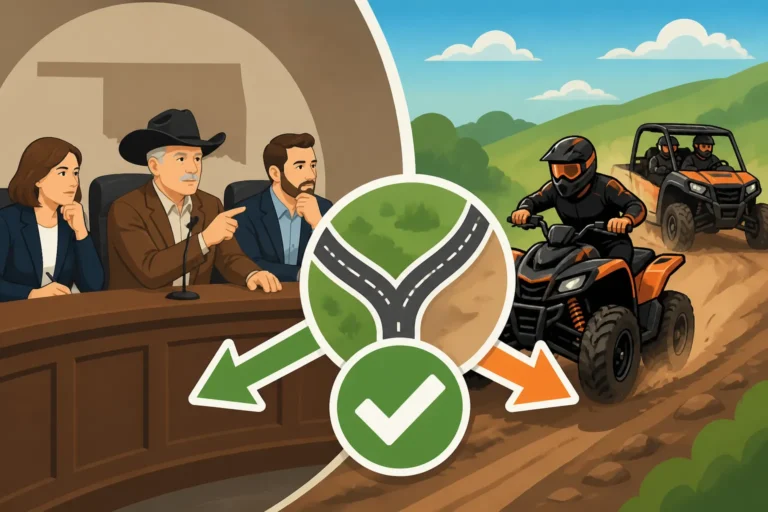
Few things are more frustrating for an ATV or UTV enthusiast than seeing vast stretches of beautiful Oklahoma landscape, knowing it would be perfect for riding, only to be met with "No Trespassing" signs or, worse, the uncertainty of whether you're even allowed to be there. We've all been there, staring at an empty field or a winding creek bed, wishing we could explore it without a nagging worry in the back of our minds about legal trouble. This guide is all about empowering you to ride responsibly and legally by showing you exactly how to get written permission from private landowners, ensuring peace of mind for everyone involved.
Why Written Permission is Non-Negotiable for Private Land Riding
Let's be real: the urge to hit the trails is strong, and sometimes it's tempting to think, "What's the harm in just a quick spin?" But when it comes to private land, riding without explicit permission, especially written permission, is playing a dangerous game. It's not just about being polite; it's about protecting yourself, the landowner, and the future of off-road riding in our great state. Oklahoma has specific laws regarding trespassing, and ignorance is rarely an excuse in the eyes of the law.
Understanding Oklahoma's Trespass Laws for Off-Roaders
In Oklahoma, entering or remaining on private land without the owner's consent is trespassing. For us riders, this means if you're out on your quad or side-by-side and you cross onto someone's property without permission, you could face legal consequences. It's not just a slap on the wrist either; depending on the situation and how frequently it happens, it can escalate to fines, and in some cases, even criminal charges. Imagine having your prized machine impounded because you took a shortcut through someone's field. It's a nightmare scenario that's entirely avoidable. We talk more about this in [Oklahoma Trespass Law for Riders].
Beyond the direct legal repercussions, there's the issue of civil liability. If you're riding on private land without permission and you damage property – say, you accidentally break a fence, drive through crops, or even just rut up a pasture – the landowner can sue you for damages. And if you get hurt while trespassing, the landowner generally has no liability for your injuries, leaving you solely responsible for medical bills and recovery. It’s a harsh reality, but it’s precisely why taking the extra step to secure permission is so vital. Nobody wants to be the rider who gives all ATV and UTV enthusiasts a bad name, making it harder for everyone else to gain access.
The Undeniable Benefits of a Formal Agreement
Having a formal, written agreement goes far beyond simply avoiding trouble; it lays the foundation for a positive, ongoing relationship with the landowner. Think about it: a landowner is entrusting their private property to you. When you present them with a clear, written agreement, it shows a level of professionalism and respect that a casual verbal "sure, go ahead" just can't match. It demonstrates that you take their property rights seriously and are committed to responsible riding.
This trust can open doors to incredible opportunities. What might start as access to a small patch of woods could evolve into permission to ride across larger tracts, explore new areas, or even use their land for specific activities like hunting access during certain seasons, which is often a big win for both parties. It creates a partnership where both sides know what to expect, eliminating misunderstandings and building a foundation for future adventures. Plus, for you, the rider, there's an immense peace of mind knowing you're legally there, free to enjoy your ride without looking over your shoulder.
How to Respectfully Approach Landowners for Riding Access
So, you've identified a promising piece of land. Maybe you've seen tracks, or it just looks like a prime spot for some off-road fun. The next step is the most critical: approaching the landowner. This isn't a moment for casual inquiry; it's a moment to make a strong, positive impression. Your goal is to convey respect, responsibility, and a clear understanding of their concerns.
Identifying Potential Riding Spots and Owners
Before you even think about knocking on a door, do a little homework. Sometimes, word of mouth is the best way. Talk to local riders, farmers, or folks at the feed store. You might be surprised who knows who and which properties might be open to the idea. If that doesn't work, mapping tools can be invaluable. Many county assessor websites offer property lookup tools where you can see parcel lines and owner names. This allows you to find out who owns the land directly without guessing.
When scouting, pay attention to the property itself. Are there clear "No Trespassing" signs? Are there cattle? Fences that look well-maintained or, conversely, neglected? This information can inform your approach. For instance, if you see livestock, you'll immediately know that secure gates and avoiding spooking animals will be a key concern for the landowner. Always observe from public roads or with prior permission if you're on someone else's property. Showing up unannounced on their land, even just to look, isn't a great first impression. It's all about demonstrating respect for [Oklahoma Landowner Permission Rules] from the very beginning.
Crafting Your Pitch: Respect, Responsibility, and Reciprocity
When you finally get to speak with the landowner, remember this isn't a negotiation; it's a respectful request. Start by introducing yourself clearly, stating where you live, and explaining why you're interested in riding on their land. Be honest about your passion for off-roading, but immediately pivot to how you value their property.
Emphasize your commitment to responsible riding:
- Respect for the Land: Promise to stay on designated trails, avoid sensitive areas, and leave no trace. This might involve using high-quality protective gear on your machine, like SuperATV skid plates or A-arm guards, to show you're serious about preventing damage, not just to your UTV but also to the terrain.
- Safety: Discuss your riding experience and commitment to safety, both for yourself and for anyone who might be with you.
- Adherence to Rules: Make it clear you'll follow any specific rules they set, whether it's speed limits, time restrictions, or areas that are off-limits.
- Reciprocity: This is where you can truly stand out. Offer to help them out. Are there fences that need mending? Brush that needs clearing? Maybe you can help check on cattle, or even just be an extra set of eyes on their property. Many landowners, especially those with large tracts, appreciate a helping hand or someone looking out for their land. This isn't about paying them for access, but about showing you're a good neighbor and a trustworthy individual.
Be prepared to listen more than you speak. Let them voice their concerns, and address each one thoughtfully. Bring a pen and paper to jot down their rules and concerns – it shows you're serious about remembering and adhering to them.
What to Include in Your Written Agreement for Riding Access
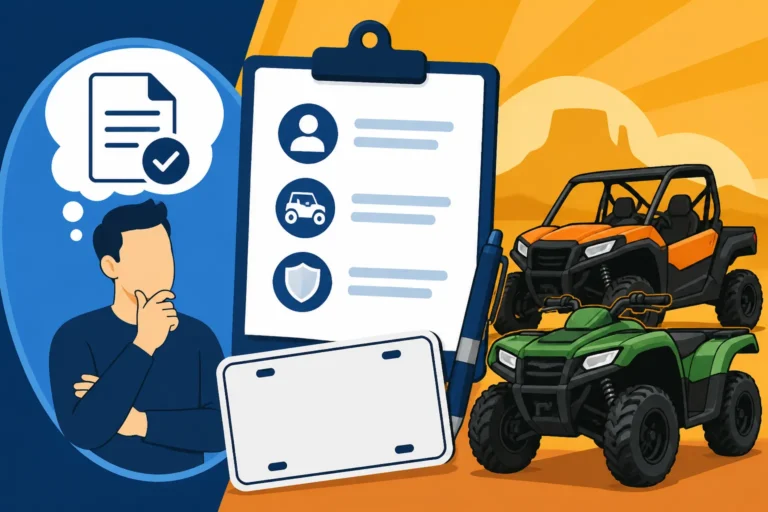
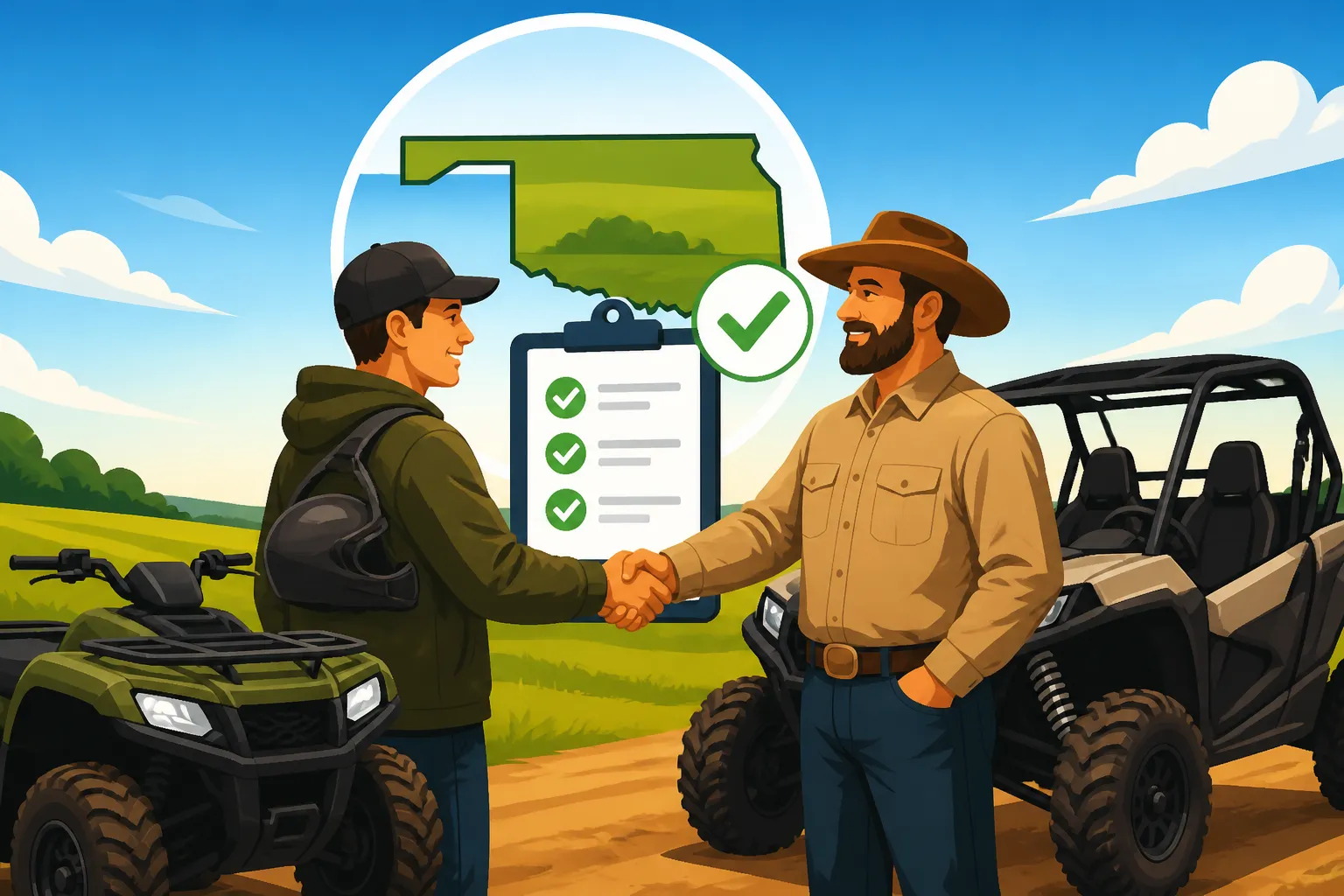
Once you've had that initial positive conversation and the landowner seems open to the idea, the next step is to formalize it with a written agreement. Don't just rely on a handshake, no matter how friendly the conversation was. Memories fade, and terms can be misunderstood. A written document protects both of you. This isn't about drawing up a complex legal contract (unless both parties prefer that level of formality), but a clear, concise document outlining the specifics.
Essential Elements of a Permission Slip
A good permission slip doesn't need to be lengthy, but it does need to be comprehensive. Here are the key elements to include:
- Date of Agreement: When was this officially agreed upon?
- Parties Involved: Full names, addresses, and contact information for both the landowner(s) and the rider(s) granted permission. If you're riding with a group, list all individuals who will be riding.
- Property Description: Clearly identify the land. This can be a physical address, legal description, or even a map with the boundaries of the permitted riding area clearly marked. Be as specific as possible to avoid confusion.
- Duration of Permission: Is this a one-time thing? For a specific weekend? A month? A year? State the start and end dates of the permission. If it's ongoing, specify how and when it needs to be renewed.
- Permitted Activities: Explicitly state that ATV/UTV riding is allowed. You might also specify other activities, like hunting or fishing, if agreed upon.
- Designated Riding Areas: Use a map or written description to clearly delineate where riding is allowed and, just as importantly, where it is not allowed. This helps protect sensitive areas like pastures, gardens, or ecologically fragile zones.
- Rules and Restrictions: This is crucial. List any specific rules the landowner has:
- Hours of Operation: Daylight hours only? Specific times?
- Speed Limits: On trails, near residences, or in open fields.
- Machine Types: Only ATVs? UTVs? Dirt bikes?
- Number of Riders/Machines: A limit to prevent overwhelming the property.
- Guest Policy: Can you bring friends? Do they also need to be listed on the permission slip?
- Environmental Concerns: "Pack it in, pack it out" rule, no littering, no damaging vegetation.
- Gate Protocol: Always close gates behind you.
- Alcohol/Drug Policy: Often, landowners will prohibit alcohol or drugs on their property, which aligns with responsible riding practices like those covered in [Oklahoma DUI Law and Off-Road Machines].
- Acknowledgment of Risk: A statement that the rider understands and accepts the inherent risks of off-road riding.
- Signatures: Both the landowner(s) and the rider(s) must sign and date the agreement. Each party should keep a copy.
Addressing Liability and Insurance
This is often the landowner's biggest concern, and for good reason. They want to be protected if you get hurt or cause damage. Your written agreement should include a liability waiver where the rider agrees to release the landowner from any liability for injuries or damages incurred while riding on their property. This doesn't mean you're absolving yourself of responsibility, but rather acknowledging that you ride at your own risk.
It's also a great idea to mention your own insurance. If you have ATV/UTV insurance, let the landowner know. This demonstrates another layer of responsibility on your part. Even if the law doesn't require insurance for trail riding in all cases, it's a wise investment for your own protection and to show landowners you're serious. We cover more about this in [Oklahoma Insurance for Trail Riding]. Having comprehensive coverage, potentially even covering aftermarket parts or accessories like a SuperATV winch or custom cage, shows you're not just protecting your machine, but also preparing for any eventuality responsibly.
Setting Clear Boundaries and Expectations
Misunderstandings are the fastest way to sour a good relationship. Your written agreement should leave no room for doubt about where you can ride, when, and under what conditions. If there are specific features to avoid, like certain crops, private residences, or sensitive wildlife habitats, mark them clearly on a map and note them in the agreement.
For example, if you're riding near a ranch, the landowner might specify that you must stay at least 100 yards away from livestock at all times, or that certain pastures are off-limits during calving season. If there are streams or ponds, they might specify no crossing through water to prevent contamination or erosion. By pre-emptively listing these details, you demonstrate that you've thought about their concerns and are committed to respecting them. This level of detail shows you're a conscientious rider, not someone who's just looking to tear up their land.
Building and Maintaining a Lasting Relationship
Getting initial permission is a huge win, but it's just the beginning. The real goal is to build a long-term relationship based on trust and mutual respect. This means consistently being an exemplary rider and good steward of their land. A single irresponsible action can undo all the hard work you put into getting permission, not just for you, but for any future riders who might seek access.
Being a Model Rider Every Single Time
Every time you ride on that private land, you are essentially an ambassador for all off-road enthusiasts. Adhere strictly to every single point in your written agreement. This means:
- Stay on the Path: Never, ever deviate from the agreed-upon riding areas. If a trail is muddy or you see an obstacle, don't create a new path around it. Find an alternative route if available, or turn back.
- Observe Speed Limits: Whether posted or verbally agreed upon, respect speed limits, especially near homes, livestock, or sensitive areas.
- Leave No Trace: "Pack it in, pack it out" isn't just a suggestion, it's a mandate. Take all your trash with you, and if you see any litter that wasn't yours, consider picking it up.
- Respect Wildlife and Livestock: Give animals a wide berth. Don't chase or harass them. Remember, for many landowners, their animals are their livelihood.
- Secure Gates: Always, always close and latch any gates you open. This is paramount, especially on ranch or farm land.
Carrying a small trash bag on your machine, maybe even one from SuperATV's cargo solutions, makes it easy to stick to the "leave no trace" principle. Showing up with a well-maintained machine, ready for the trail, also speaks volumes about your respect for the experience and the property.
Showing Appreciation and Offering Help
Beyond just following the rules, look for opportunities to show your appreciation. A simple "thank you" goes a long way, but actions speak louder than words.
- Small Gestures: A gift basket during the holidays, a card, or a freshly baked pie can be a thoughtful way to express gratitude.
- Offer Assistance: Remember that reciprocity? Follow through on it. If you offered to help with fences, check in periodically. If you see a downed tree on their property that could be a hazard, offer to help clear it. This isn't about becoming their free labor, but about genuinely being a helpful presence and a good neighbor.
- Share Your Bounty: If you're granted hunting or fishing access, consider sharing some of your harvest. It's a classic gesture of goodwill.
These acts of kindness reinforce that you're not just there to take advantage of their land, but that you genuinely value their generosity and are part of the local community.
Regular Check-Ins and Renewals
Don't let the relationship go cold. Even if your permission is for an extended period, periodically check in with the landowner. A quick phone call or a brief stop to say hello and thank them again can make a big difference. This also provides an opportunity to discuss any new concerns they might have or changes on their property (e.g., new livestock, new crops, seasonal hunting closures).
If your permission has an expiration date, be proactive about renewing it before it runs out. Don't wait until the last minute. This shows you're organized and respectful of their time and property. Re-read your existing agreement, and if anything needs updating or clarifying, discuss it during the renewal conversation. This continuous communication ensures that the permission to ride on private land remains a positive arrangement for all parties involved, securing valuable riding access for years to come.
Remember, every time you respectfully seek and secure permission, you're not just opening a gate for yourself; you're setting a positive example for the entire off-road community in Oklahoma.
| Feature | Verbal Permission | Written Permission |
|---|---|---|
| Clarity of Terms | Often vague, open to interpretation. | Explicitly states rules, boundaries, and expectations. |
| Legal Protection | Difficult to prove in court if issues arise (e.g., trespassing, liability). | Provides clear legal documentation for both parties. |
| Landowner Peace of Mind | Relies on trust, can lead to anxiety or misunderstandings. | Sets clear boundaries and liability waivers, reducing worry. |
| Rider Peace of Mind | Always a lingering doubt about "if I'm truly allowed." | Confident, worry-free riding knowing you're fully authorized. |
| Dispute Resolution | "He said, she said" arguments are common. | Reference point for resolving disagreements objectively. |
| Relationship Building | Can be strong initially, but prone to deterioration without clear understanding. | Establishes a professional, respectful foundation for long-term access. |
| Future Access | Less likely to be granted for future requests if terms are unclear. | High likelihood of continued access and even expanded opportunities. |
Disclaimer
This article is for general informational purposes only and does not constitute professional advice. Laws, prices and regulations vary by location and change over time. Consult a qualified professional for guidance on your specific situation.