Which Officers Can Enforce the ATV Rules
It can feel like a real tangled web trying to figure out who has the authority to enforce ATV and UTV rules out here in Oklahoma, especially when you're moving between private land, county roads, and state parks. Many riders worry about getting stopped by the wrong kind of officer or facing unexpected fines. This guide is here to untangle that web, clearly explaining which law enforcement agencies you might encounter and what their specific jurisdictions mean for your off-road adventures.
The Broad Scope of Law Enforcement on Oklahoma Roads and Trails
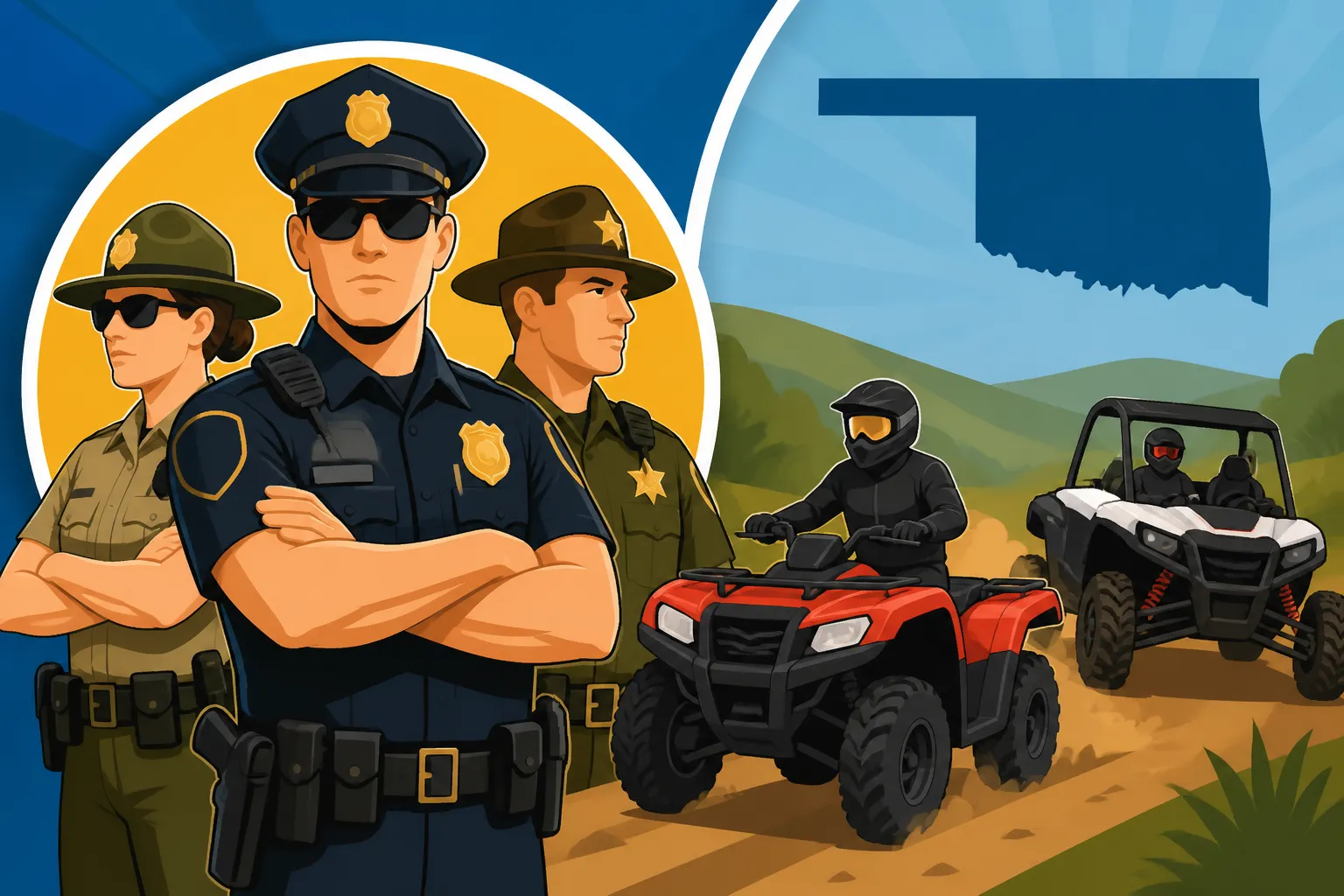
When you're out riding your ATV or UTV in Oklahoma, you're not just under the watchful eye of one type of officer. Depending on where you are and what you're doing, you could encounter local police, sheriff's deputies, state troopers, or even game wardens and park rangers. Each of these groups has specific powers and focuses, and understanding them can save you a lot of hassle. It's not about being sneaky; it's about being informed and ensuring you're compliant wherever your tires take you.
Local Police and Sheriff's Deputies in Cities and Counties
These are the officers you'll most commonly see in populated areas and on the vast network of county roads that crisscross our state. Local police departments, operating within city limits, and county sheriff's deputies, covering unincorporated areas, have broad authority to enforce state laws and local ordinances. This means if you're riding a street-legal UTV through a town that has opened its streets to off-road vehicles, or just crossing a county road to get to a different section of your property, these are the folks who will be enforcing those rules.
They're looking for things like proper registration, ensuring your UTV meets the [Oklahoma Street Legal UTV Requirements], and that you're adhering to speed limits. If you're out on a county road, they'll be checking that you're following rules like [Oklahoma Rules for Riding a County Road], which often involves daylight-only operation and adhering to speed limits. They are also the primary responders to accidents and disturbances within their respective jurisdictions, so if something goes wrong, they're typically the first on the scene, regardless of whether you're on a public road or private property where an incident has occurred. They can issue citations for everything from operating without valid registration to reckless driving, and their jurisdiction extends to pretty much any public access point.
Oklahoma Highway Patrol's Jurisdiction
The Oklahoma Highway Patrol (OHP), often referred to as state troopers, primarily focuses on state highways, turnpikes, and interstates. While most ATVs and non-street-legal UTVs are explicitly prohibited from these major roadways, you might still encounter OHP if you're crossing a state highway or if your riding area abuts one. For those lucky enough to have a street-legal UTV, the OHP would also enforce traffic laws if you were operating it on eligible state routes, though street-legal UTVs are generally kept off interstates and U.S. highways.
Their jurisdiction is broad, encompassing all traffic laws across the state. They are particularly keen on ensuring road safety, so if you're making a legal highway crossing, they'll be looking to make sure you're doing it safely and according to regulations like [Oklahoma Highway Crossings in Daylight]. They have the authority to pull you over, check your registration, and issue citations for violations of the Oklahoma Motor Vehicle Code, which includes rules related to ATVs and UTVs, especially when they intersect with public roads. Even if you're just near a highway, their presence is a reminder that state law is always in effect.
Game Wardens and Park Rangers on Public Lands
When you venture into Oklahoma's vast public lands—think Wildlife Management Areas (WMAs), State Parks like Little Sahara or Robbers Cave, or even designated timber company lands with public access—you'll predominantly be interacting with Oklahoma Game Wardens (who work for the Oklahoma Department of Wildlife Conservation) and State Park Rangers. These officers have a specific mission: to protect natural resources, enforce hunting and fishing regulations, and ensure safe and responsible recreation within their managed areas.
Their expertise lies in the intricacies of outdoor recreation. They'll be checking for proper [Oklahoma Land Access Permits Explained], especially in WMAs like Honobia Creek or Three Rivers. At popular riding destinations like Little Sahara, they'll ensure you have the required safety equipment, such as a 10-foot whip flag, and are adhering to park-specific rules regarding open riding hours and camping. They're well-versed in the environmental impact of off-road vehicles and will enforce rules against littering, unauthorized trail creation, or damaging sensitive habitats. These officers are often the most knowledgeable about specific trail conditions and local ecological concerns, making them invaluable resources, but also vigilant enforcers of the rules designed to preserve these treasured areas.
Specific Scenarios and Overlapping Jurisdictions
Riding an ATV or UTV isn't always a straightforward matter of sticking to one type of land. You might transition from private property to a county road, or from a WMA to a small town. This creates scenarios where different law enforcement agencies might have overlapping jurisdiction or respond to various incidents. Understanding these nuances can help you anticipate who you might encounter and why.
What Happens on Private Land with Permission?
It's a common misconception that once you're on private land with the owner's permission, you're free from all laws and law enforcement oversight. While you certainly have more freedom regarding where you can ride and the type of terrain you can traverse, state and federal laws still apply. Local law enforcement, whether it's city police or sheriff's deputies, can and will respond to incidents on private property. For example, if there's an accident resulting in serious injury, or if someone is operating a machine while impaired, local authorities have the jurisdiction to investigate and enforce the law.
They also play a role in resolving disputes, such as if you exceed the bounds of your permission and inadvertently trespass on neighboring land. [Oklahoma Trespass Law for Riders] is definitely something to be aware of, even when you think you're safely on private ground. Furthermore, any machine you operate must still be registered if it meets the state's criteria, even if it never leaves private land. While you won't typically see a trooper or game warden cruising private property unless an invite or specific complaint brings them there, the local sheriff's department is always an authority.
Riding on Indian Nation Lands
Oklahoma is unique with its significant Native American tribal lands and reservations. The jurisdiction here can be incredibly complex, involving tribal police, federal agencies, and state law enforcement, depending on the nature of the crime, the tribal affiliation of those involved, and specific agreements between the state and individual tribes. For the average ATV/UTV rider, this often means that if you're riding on tribal lands, you might be subject to tribal laws and their enforcement.
However, state laws often apply to non-tribal members, and in many cases, there are agreements for concurrent jurisdiction, meaning both tribal and state officers can enforce laws. The best advice if you plan to ride on tribal lands is to research the specific rules and enforcement practices of that particular nation beforehand. Always assume that traffic laws and laws against impaired driving will be enforced, regardless of the jurisdiction. It's a layer of legal complexity that's distinct from state or private land, and respecting tribal sovereignty and laws is paramount.
When Multiple Agencies Might Respond
In some situations, you might find more than one type of law enforcement officer at the scene of an incident. This overlapping jurisdiction is most common in cases of serious accidents or when an incident spans multiple types of land. For instance, if an ATV accident occurs on a county road that borders a state park, both the Sheriff's Department and State Park Rangers might respond, and if there are serious injuries, the Oklahoma Highway Patrol could also be called in, especially if it affects traffic flow.
Environmental violations can also see multiple agencies involved. A game warden might discover illegal dumping or damage within a WMA, but if the perpetrators reside in a nearby town, local police might assist in the investigation or apprehension. [Oklahoma Accident Reporting for an ATV Crash] is crucial, and knowing that multiple agencies might be involved means being prepared to provide information to each. These situations highlight the collaborative nature of law enforcement, but for the rider, it means clarity and cooperation with all responding officers is key.
Understanding Enforcement Authority and Your Responsibilities
Navigating the rules for ATVs and UTVs in Oklahoma requires not just knowing where you can ride, but also understanding who can enforce those rules and what they can ask of you. Being prepared and respectful can make any encounter with law enforcement a smooth one, ensuring your riding experience remains enjoyable and hassle-free.
What Officers Can Ask to See
When a law enforcement officer, regardless of their agency, stops you while you're operating an ATV or UTV in Oklahoma, there are certain documents and items they are legally entitled to request. The primary things they'll want to see include your operator's license (if you're on a public road or a street-legal UTV), proof of ownership (like your title or a bill of sale), and your current [Oklahoma ATV Registration Application Explained] or decal. For newer machines, they might ask for the Manufacturer's Statement of Origin (MSO) or dealer invoice.
They can also inspect your machine for compliance with safety regulations specific to the area you're riding. For example, at Little Sahara State Park, a park ranger or game warden will certainly be checking for your 10-foot whip flag and proper lighting if it's nearing dusk or night. If you're operating a street-legal UTV, any officer could verify that you have the required mirrors, turn signals, and horn. [What a State Trooper Can Ask to See] might also include proof of insurance if you're on a road that requires it (like with a street-legal UTV). Always be polite, provide the requested information, and ask if you have any questions about the stop.
Penalties and Citations: What to Expect
Facing a citation is never fun, but understanding the potential penalties can help you avoid them. In Oklahoma, the penalties for ATV/UTV violations can vary widely depending on the specific infraction, where it occurred, and the enforcing agency. For minor violations, such as not having your decal displayed properly or a less severe rule infraction on public lands, fines can be relatively low. In fact, many common ATV violations have a [Oklahoma's Fine Cap for ATV Violations] set at $25, plus court costs. This cap is meant to keep minor infractions from becoming financially crippling, especially for recreational riders.
However, more serious offenses, such as operating under the influence, reckless driving, or causing significant environmental damage, can carry much steeper penalties, including higher fines, impoundment of your machine, and even criminal charges. If you fail to register your ATV or UTV within the required 30 days of purchase, you could face [Oklahoma Late Registration Fees], which accrue daily up to a maximum of $100. It's always best to address any citation promptly, either by paying the fine or appearing in court to contest it. Ignoring a citation will only lead to further penalties and legal complications.
Equipping Your Machine for Compliance
One of the best ways to ensure smooth sailing with any law enforcement officer is to make sure your ATV or UTV is properly equipped for the places you intend to ride. This isn't just about avoiding tickets; it's about safety, too. If you're aiming to make your UTV street-legal, you'll need to invest in certain aftermarket accessories to meet the requirements for operating on public roads. Companies like SuperATV offer a wide range of products designed specifically for this purpose.
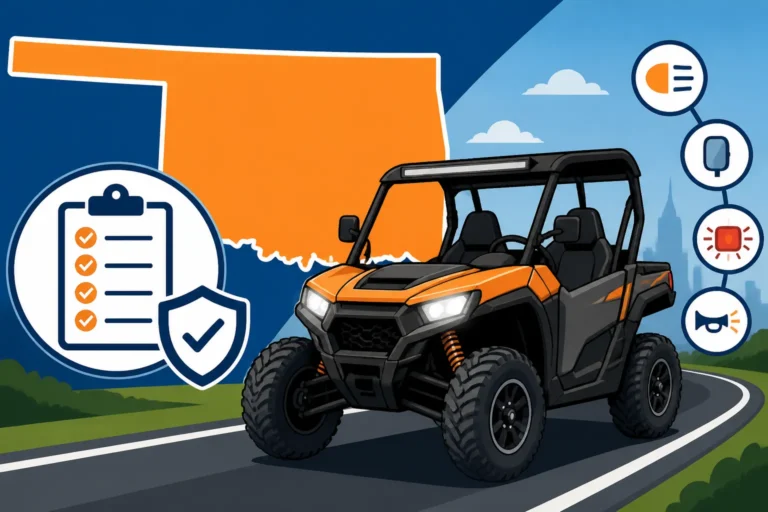
For instance, to comply with [Oklahoma Equipment Required for Street UTVs], you'll likely need turn signals, a horn, a rearview mirror, and often side mirrors. SuperATV provides comprehensive kits that include these components, making the conversion much simpler. For trail riding, a whip flag (essential at places like Little Sahara, where SuperATV also offers flags) and proper lighting are paramount for visibility and safety. Investing in these compliance-focused parts not only helps you meet the legal benchmarks but also enhances your riding experience by making your machine safer and more versatile. Always double-check the specific regulations for your intended riding area and ensure your machine is up to snuff before you head out.
| Officer Type | Primary Jurisdiction | Main Enforcement Focus | Example Violations |
|---|---|---|---|
| City Police | City Limits, Municipal Roads | Traffic laws, city ordinances, public safety | Speeding, improper parking, noise complaints, street-legal equipment lacking |
| Sheriff's Deputy | County Roads, Unincorporated Areas | Traffic laws, county ordinances, general crime | Registration, reckless driving on county roads, DUI |
| Oklahoma Highway Patrol | State Highways, Interstates | State traffic laws, accident investigation | Illegal highway crossing, DUI, unsafe operation |
| Game Warden | WMAs, State Parks, Public Hunting/Fish | Wildlife laws, land use permits, park rules | No land access permit, off-trail riding, no whip flag at dunes |
| Park Ranger | State Parks, Specific Recreation Areas | Park-specific rules, environmental protection, safety | Hours of operation, camping violations, littering |
Disclaimer
This article is for general informational purposes only and does not constitute professional advice. Laws, prices and regulations vary by location and change over time. Consult a qualified professional for guidance on your specific situation.