Park Rangers Can Write an ATV Ticket Too
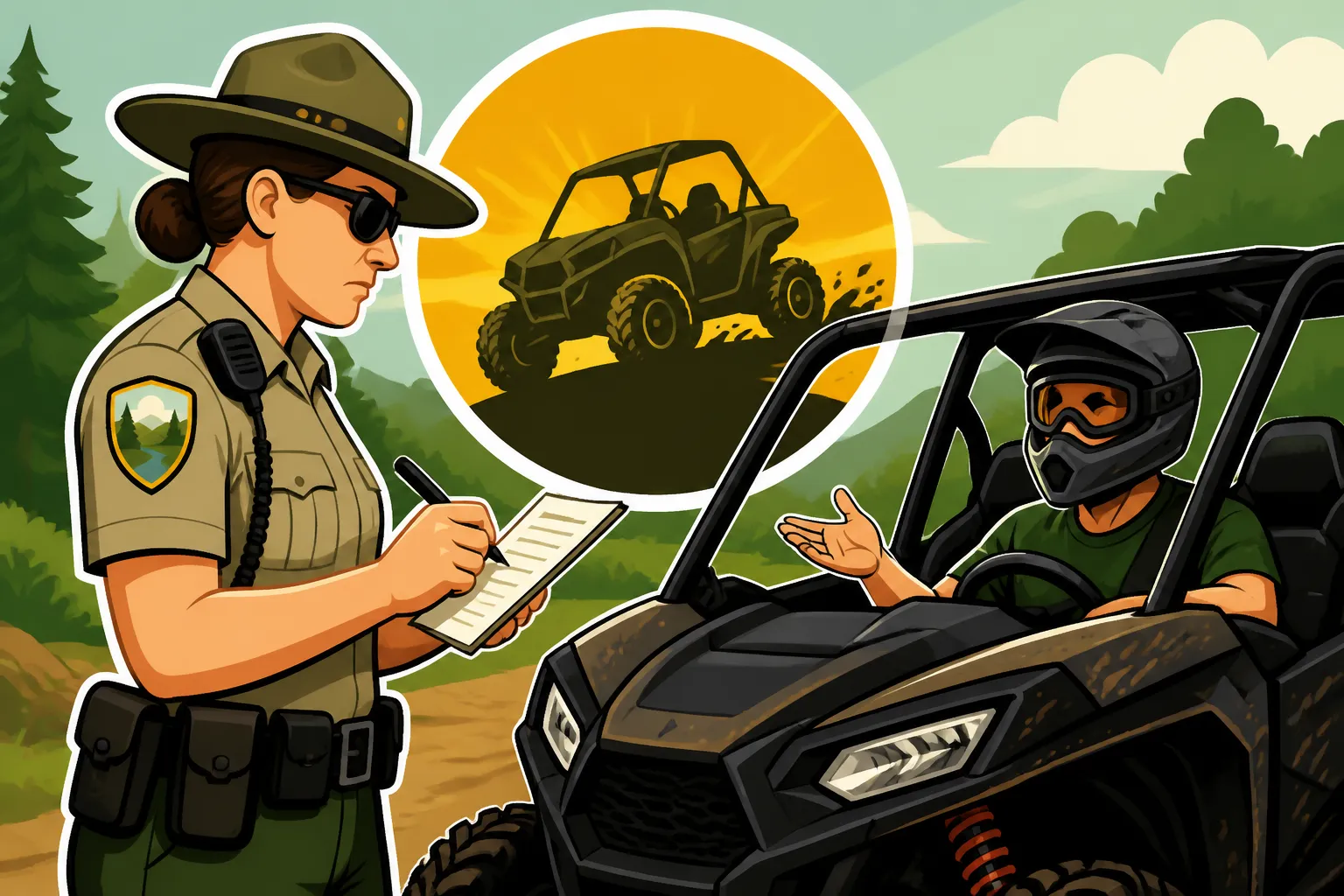
It's a common misconception among off-road enthusiasts that the only authorities who can issue a ticket for an ATV or UTV violation are the Oklahoma Highway Patrol or a county sheriff's deputy. Many riders are surprised, and often frustrated, when a park ranger pulls them over, especially in areas they frequent. This guide is here to clear up that confusion, explaining the full authority of park rangers in Oklahoma's riding areas and what you need to know to stay on the right side of the rules.
Understanding Who Enforces Oklahoma's Off-Road Rules
When you're out on your quad or side-by-side, tearing through the dunes or navigating a tight trail, it's easy to assume that law enforcement presence is limited to the usual suspects with flashing blue lights. But the reality in Oklahoma is far broader, and understanding the full scope of who can enforce off-road regulations is key to avoiding unexpected fines and disruptions to your ride.
The Broad Spectrum of Law Enforcement
Think about it: law enforcement isn't just a monolithic entity. It's a network of agencies, each with specific jurisdictions and responsibilities. While state troopers patrol the highways and county deputies cover rural roads and unincorporated areas, other dedicated officers are tasked with maintaining order and safety in specific locales. This includes city police in urban areas, game wardens in wildlife management areas, and, yes, park rangers in state parks and designated riding spots. Many riders simply don't consider the full range of commissioned officers they might encounter, leading to a surprise when someone without a traditional patrol car asks for their registration. It's a classic case of "you don't know what you don't know" until you're staring at a ticket.
Park Rangers: More Than Just Information Providers
Park rangers in Oklahoma are not just friendly faces handing out brochures or pointing you toward the nearest restroom. Many are fully commissioned law enforcement officers with the power to enforce state statutes and specific park regulations. They undergo training, carry proper identification, and have the authority to pull you over, investigate violations, and issue citations. Their primary role is often to protect the natural resources within their jurisdiction, ensure public safety, and maintain the integrity of the park's rules. This means that whether you're at [Little Sahara State Park in Oklahoma] or exploring a more remote state recreation area, the person in the ranger uniform has the same ticketing authority as a deputy or trooper for infractions within their domain. They're especially vigilant about behaviors that could damage the environment or endanger other park visitors, making them a crucial part of the off-road enforcement picture.
Common Violations Park Rangers Target
When you're riding on public land managed by the state, like a state park or a wildlife management area, the rules can be a bit different from just cruising down a county road. Park rangers are specifically trained and tasked with enforcing these unique regulations, and they have a keen eye for violations that might slip under the radar of other law enforcement officers.
Rules of the Trail and Park Etiquette
One of the most frequent reasons riders find themselves stopped by a park ranger involves breaking specific trail rules or disregarding park etiquette. This isn't always about outright dangerous driving, but often about preserving the park's environment and ensuring a pleasant experience for everyone. For example, riding off designated trails can lead to severe environmental damage, eroding soil and destroying sensitive habitats, which is something rangers take very seriously. You might think you're just cutting a corner, but to a ranger, you're causing irreparable harm. Speed limits, especially in campground areas or near trailheads, are another common focus. They're there for pedestrian safety and to minimize dust and noise. Ignoring signs that indicate closed areas, venturing into restricted wildlife zones, or even creating excessive noise with a modified exhaust can all earn you a chat with a ranger – and potentially a fine. These aren't just suggestions; they are enforceable rules designed to protect the resources and the visitor experience.
Safety Gear and Machine Requirements
Safety is paramount in any off-road environment, and park rangers are diligent about ensuring riders meet specific requirements. For instance, [Oklahoma Helmet Law for Riders Under 18] is a non-negotiable rule. If you're riding with a child under 18, and they're not wearing an approved helmet, a ranger will absolutely issue a citation. It's not about being punitive; it's about protecting young riders from serious injury. Beyond helmets, many parks, especially dune areas like Little Sahara, have specific requirements for your machine. Think about the mandatory [Oklahoma's 10-Foot Whip Rule] and [Oklahoma's Orange Flag Requirement] that make your machine visible over tall dunes. Riders often overlook these details, assuming they're optional, only to be stopped by a ranger. Also, spark arrestors are often required to prevent wildfires, particularly during dry seasons. If your machine's exhaust doesn't have one, or if it's not in good working order, a ranger can fine you. Keeping your machine compliant with safety and accessory rules, even those that seem minor, can save you a lot of hassle. Many riders turn to reputable brands like SuperATV for their essential safety accessories, from durable whip flags to high-quality LED lighting kits, ensuring they meet park requirements without question.
Environmental and Resource Violations
Park rangers are essentially the stewards of the land they manage, and as such, they are hyper-focused on environmental protection. Violations that impact the park's natural resources are often met with strict enforcement. Littering, for instance, isn't just unsightly; it can harm wildlife and contaminate water sources. Dumping trash, even inadvertently, is something rangers are trained to spot. Riding in or disturbing sensitive areas, such as wetlands, designated nesting sites, or areas undergoing restoration, is another major concern. These actions can carry hefty fines because they directly undermine the park's mission to preserve its ecosystems. Even seemingly minor infractions like gathering firewood from unauthorized areas or disturbing historical sites can lead to a citation. The philosophy is simple: use the park, enjoy it, but leave it as you found it, if not better. When you visit these precious areas, remember that every piece of the environment is under a ranger's care, and they will enforce rules designed to protect it.
What to Do If a Park Ranger Stops You
Getting pulled over, whether by a state trooper or a park ranger, can be unsettling. Your reaction in those initial moments can significantly influence how the encounter proceeds. Knowing what to do, and what not to do, is crucial for a smooth and respectful interaction.
Staying Calm and Cooperative
The most important thing you can do when a park ranger signals you to stop is to remain calm and cooperative. Pull your ATV or UTV over to a safe spot, turn off your engine, and keep your hands visible. Fumbling for paperwork, attempting to drive off, or becoming immediately confrontational will only escalate the situation unnecessarily. Remember, park rangers are just doing their job, enforcing rules designed for safety and environmental protection. Approaching the situation with respect, even if you're internally frustrated, goes a long way. They might simply want to check your [Oklahoma Land Access Permit Cost] or remind you about a particular park rule. A polite "Good afternoon, officer, how can I help you?" is far more effective than an aggressive "What's the problem?"
Understanding Your Rights and the Process
Once stopped, the ranger will explain why you were pulled over and may ask for your identification, registration, and possibly proof of a [Oklahoma Land Access Permit]. You have the right to ask for clarification on the alleged violation. Listen carefully to what they say. While it's natural to want to defend yourself, arguing heatedly on the spot is generally unproductive and can sometimes lead to additional charges like disorderly conduct. If a citation is issued, it will typically include details about the violation, the fine amount, and instructions on how to pay or contest it. Just like with a traffic ticket from a highway patrolman, you usually have the option to pay the fine or appear in court to challenge the citation. Remember, [Oklahoma's Fine Cap for ATV Violations] exists, so even if it's frustrating, the financial impact might not be as severe as other types of violations. Take the ticket, remain respectful, and then decide on your next steps after the encounter.
Learning From the Experience
No one enjoys getting a ticket, but every such experience can be a valuable learning opportunity. After a park ranger stops you, take a moment to understand exactly what rule you might have broken. Was it riding in a restricted area that wasn't clearly marked? Was your [Oklahoma's Orange Flag Requirement] not up to standard? Perhaps you were unaware of the specific speed limit within a certain zone of [Robbers Cave OHV Area in Oklahoma]. Use this experience to become a more informed and responsible rider. Before your next trip, take extra time to review the specific regulations for that particular park or WMA. Many parks have detailed maps and rule pamphlets available online or at their entrance stations. Staying informed helps you avoid repeat offenses and ensures a more enjoyable, stress-free riding experience for you and everyone else sharing the trails.
Preventing Tickets: Being a Responsible Rider
The best way to avoid getting a ticket from a park ranger, or any law enforcement officer for that matter, is to be a responsible and well-informed rider. It takes a little effort upfront, but it pays dividends in peace of mind and enjoyable riding.
Know Before You Go: Researching Your Riding Area
One of the biggest mistakes riders make is assuming that rules are universal across all riding areas. This simply isn't true. The regulations at [Little Sahara State Park in Oklahoma], with its vast dunes and unique safety requirements, will be vastly different from the rules you'd encounter at [Honobia Creek WMA Riding in Oklahoma], which is timber company land with specific hunting season restrictions. Before you even load your machine onto the trailer, make it a habit to research the specific park or wildlife management area you plan to visit. Check their official website for a list of rules, download any available maps that show designated riding areas, and look for information on required permits like the [Oklahoma Land Access Permit]. Some areas might have seasonal closures, specific noise restrictions, or unique equipment requirements that could easily lead to a ticket if you're caught unaware. Being prepared means you can focus on the fun, not the fear of a fine.
Equipping Your Machine for Compliance
Meeting equipment standards is another critical step in preventing tickets. This goes beyond just having a safe machine; it's about having one that complies with the rules of your chosen riding area. For sand riding, that mandatory 10-foot whip with a bright orange flag is non-negotiable at Little Sahara. If you ride at night, ensure your lights meet brightness and placement specifications. Don't forget the spark arrestor, especially if you're riding in forested areas or during dry conditions. These are not optional accessories; they are often legally required safety devices. Investing in proper gear isn't just about avoiding a citation; it's about protecting yourself and others. For those looking to enhance their visibility and safety, SuperATV offers a wide range of lighting solutions and mirrors that meet or exceed park requirements, helping you stay compliant. Whether it's robust skid plates to protect your undercarriage or a high-quality whip and flag, making sure your machine is up to snuff can prevent an unwanted stop from a ranger.
Practicing Responsible Riding Habits
Beyond knowing the rules and having the right equipment, the way you actually ride makes a huge difference. Sticking to marked trails and designated riding areas is fundamental. Veering off-trail, even for a moment, can lead to environmental damage and land you a ticket. Respect posted speed limits, especially in crowded areas like campgrounds or trail entrances. Excessive noise from an aftermarket exhaust can also draw the attention of rangers, particularly if there are quiet hours or noise ordinances in place. Practice proper "pack it in, pack it out" etiquette, ensuring no litter is left behind. Furthermore, always be mindful of other riders, hikers, and wildlife. Slow down when passing others, yield right-of-way, and give animals their space. Equipping your UTV with a reliable SuperATV skid plate, for example, not only protects your machine but can prevent trail damage from exposed components. By consistently demonstrating these responsible riding habits, you not only make the riding experience better for everyone but also significantly reduce your chances of a negative encounter with a park ranger.
Here's a quick look at common violations and who typically enforces them:
| Violation Category | Common Examples | Primary Enforcer(s) |
|---|---|---|
| Trail & Park Rules | Riding off designated trails, speeding in camp | Park Ranger, Game Warden, County Deputy |
| Safety Equipment | No helmet for minor, missing whip/flag | Park Ranger, Game Warden, State Trooper, County Deputy |
| Environmental | Littering, damaging flora/fauna, riding in closed areas | Park Ranger, Game Warden |
| Machine Registration/Title | No registration decal, no title | State Trooper, County Deputy, Park Ranger |
| Road Use Violations | Unapproved road use, improper crossing | State Trooper, County Deputy, Park Ranger |
| Impaired Riding | DUI on an ATV/UTV | State Trooper, County Deputy, Park Ranger, City Police |
Disclaimer
This article is for general informational purposes only and does not constitute professional advice. Laws, prices and regulations vary by location and change over time. Consult a qualified professional for guidance on your specific situation.