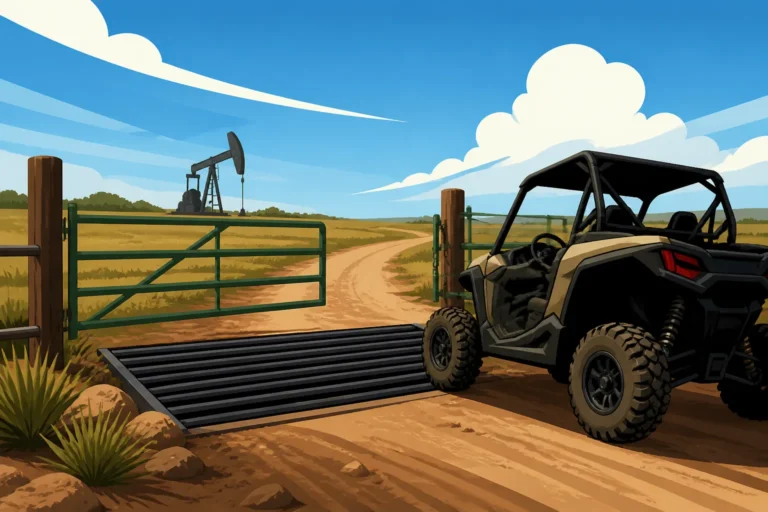
Oklahoma Noise Complaints About Quads
There's nothing quite like the freedom of hopping on your ATV or UTV and hitting the trails, working the ranch, or just enjoying some open-air fun. But let's be honest, our machines aren't always the quietest things on four wheels, and that can sometimes lead to uncomfortable situations with neighbors, especially when noise complaints start rolling in. It's a frustrating spot to be in, feeling like you can't enjoy your hobby or use your equipment without bothering someone. This guide is here to shed some light on Oklahoma's approach to ATV and UTV noise, help you understand the common triggers for complaints, and give you some solid, actionable advice on how to be a good neighbor while still enjoying your ride.
Understanding Noise Regulations in Oklahoma for ATVs and UTVs
When it comes to the rumble and roar of your off-road machine, the rules in Oklahoma can feel a little fuzzy. Unlike cars and trucks that have specific exhaust regulations, ATVs and UTVs often fall into a different category, making noise complaints a tricky area to navigate.
The Lack of a Statewide ATV/UTV Noise Limit (and why that's complicated)
One of the biggest head-scratchers for many riders in Oklahoma is the absence of a specific, statewide decibel limit for ATVs and UTVs. You might think, "Great, that means I can be as loud as I want!" But that's not quite how it works, and it's where a lot of misunderstandings begin. Without a hard-and-fast state law, the issue of excessive noise from your machine often falls into more general legal categories, which can be interpreted differently depending on the situation and who's doing the interpreting.
This lack of a specific measurement means that whether your machine is "too loud" can become subjective. It often comes down to what's considered a "reasonable person" standard – would an average person find the noise level to be disturbing or offensive? This ambiguity leaves a lot of room for personal opinion and can make it challenging for both riders and law enforcement. For you, the rider, it means you can't just point to a law and say your machine is within legal limits. For officers, it means they might have to rely on broader "disturbing the peace" statutes rather than a clear decibel reading. It's not ideal, but it's the reality many riders face in Oklahoma.
Local Ordinances and Their Impact on Your Riding
Even without a specific state noise limit, local municipalities – cities, towns, and even some counties – absolutely have the power to enact their own noise ordinances. This is where things can get truly localized and, at times, confusing. What's perfectly acceptable in a rural county where your nearest neighbor is a mile away might be a serious violation in a bustling city like Oklahoma City or Tulsa. These local rules often don't target ATVs specifically but instead apply to "excessive noise," "unreasonable disturbance," or "nuisance" from any source.
For example, a city ordinance might prohibit loud noises after 10 p.m. or before 7 a.m., regardless of whether it's from a party, a leaf blower, or your UTV. If you're riding your quad or side-by-side near residential areas, especially outside of typical daylight hours, you could inadvertently be violating a local ordinance. It’s crucial to remember that just because a machine is registered and legal to operate in Oklahoma doesn't mean it's exempt from local noise rules. Before you ride in an unfamiliar area, especially if it's close to homes, it's always a good idea to check with the local city or county clerk's office about their specific noise regulations. Ignoring these local rules is one of the quickest ways to find yourself with a complaint on your hands. You can often find information related to these rules by looking up [Oklahoma Municipal Ordinances That Open Streets].
General Nuisance Laws and Disturbance of the Peace
Beyond specific noise ordinances, the concept of "disturbing the peace" or creating a "public nuisance" is a powerful tool that can be used when a specific decibel limit isn't available. These are broader legal principles designed to ensure people can live without undue interference from others. If your ATV or UTV's noise is consistently causing distress, annoyance, or interference with your neighbors' enjoyment of their property, it could fall under these general laws.
Think of it this way: if the noise from your machine is loud enough to consistently disrupt conversations, wake sleeping children, or prevent neighbors from enjoying their own yard, it's likely crossing into "disturbance of the peace" territory. It's often not just about how loud it is at one moment, but the frequency, duration, and context of the noise. Repeated complaints, especially from multiple neighbors, will lend more weight to the idea that a nuisance is being created. Law enforcement, in the absence of a specific noise ordinance, will often lean on these general statutes when responding to calls about loud ATVs or UTVs. It’s a polite way of saying, "You're bothering people, and we need to address it."
Common Scenarios Leading to Noise Complaints
Understanding the regulations is one thing, but knowing why complaints happen can help you avoid them in the first place. Many times, it's not malicious intent from the rider, but simply a lack of awareness about how their actions impact others.
Riding Near Residential Areas or at Unreasonable Hours
This is probably the number one cause of noise complaints. The sound of an ATV or UTV, especially one with a performance exhaust, can travel surprisingly far. If you're riding in a field that borders a housing development, even if you're on your own property, the noise can be quite intrusive for those living nearby. The problem escalates significantly when you ride during what most people consider "quiet hours" – early mornings, late evenings, or even after dark. Imagine someone trying to enjoy a peaceful Sunday morning coffee on their porch, only to have a loud quad rip by at 7 a.m. Or a family trying to put their kids to bed when a side-by-side is being used down the road after 9 p.m.
These scenarios quickly generate frustration. People generally expect a certain level of quiet during these times, and loud engine noise can be perceived as disrespectful and disruptive. Even if you're just doing some quick chores, the sound can echo and penetrate homes, creating a real disturbance. Being mindful of the clock and your surroundings, especially if you live close to other residences, is paramount to avoiding these types of complaints.
Modified Exhaust Systems and Their Role
Let's be real, a lot of us love the sound of a powerful engine, and aftermarket exhaust systems are a popular upgrade for ATVs and UTVs. Brands like SuperATV offer a range of performance parts, including exhausts, that can enhance engine output and give your machine a more aggressive growl. The problem is, that "aggressive growl" often translates to significantly increased noise levels. While you might enjoy the throaty rumble, your neighbors might hear it as an irritating drone or a piercing roar.
Factory exhaust systems are designed to meet certain sound levels, balancing performance with acceptable noise output. When you swap out a stock muffler for a performance one, you're usually trading some quiet operation for a louder, more noticeable sound. This is a legitimate upgrade for many riders, especially those who participate in competitive events or simply want more power. However, it's also a direct path to noise complaints if you're not riding in an environment where that extra volume is acceptable. If you've modified your exhaust, be extra conscious of where and when you're riding. Sometimes, adding a baffle or a quieter tip can make a world of difference without completely sacrificing your performance gains.
Farm, Ranch, or Hunting Lease Use Causing Complaints
It's common sense that ATVs and UTVs are incredibly useful tools for work on farms, ranches, and hunting leases across Oklahoma. They're not just for recreation; they haul feed, check fences, and retrieve game. But even when you're using your machine for legitimate work, the noise can still generate complaints, especially if your property borders residential areas or if people are unfamiliar with agricultural practices. For instance, a neighbor might not understand why you're running your UTV to check livestock early on a Saturday morning, perceiving it purely as recreational noise.
In these situations, communication can be your best defense. Letting neighbors know when you'll be using the machine for work, or explaining its necessity, can go a long way. Additionally, consider how the noise might be different during these work tasks. Constant idling or short bursts of acceleration can be more annoying than a steady hum of a machine moving across a field. While you have every right to operate your equipment on your land, understanding that perception matters can help keep the peace. Rules around [Oklahoma Farm Use on County Roads] can also factor into these discussions.
| Scenario Causing Complaint | Why It's a Problem | Best Practices to Avoid |
|---|---|---|
| Early Morning/Late Night Riding | Disrupts sleep, quiet family time | Restrict riding to daylight hours; avoid before 8 AM, after 9 PM |
| Riding Near Residential Borders | Noise carries, intrudes on homes | Maintain distance from property lines; ride deeper into your land |
| Modified/Loud Exhaust | Exceeds typical ambient noise, perceived as aggressive | Consider quieter exhaust options; add baffles; ride further from neighbors |
| Frequent Short Bursts of Speed/Revving | Irritating, sudden noise spikes | Maintain steady speeds; avoid unnecessary revving or "hotdogging" |
| Group Rides Near Homes | Multiple machines amplify noise | Plan routes away from residences; space out riders; inform neighbors |
Strategies to Avoid and Address Noise Complaints
Nobody wants conflict with their neighbors, and certainly, no one wants to feel like they can't enjoy their ATV or UTV. The good news is there are many proactive steps you can take to prevent complaints and manage them if they do arise.
Proactive Measures for Quieter Riding
Taking steps to make your machine inherently quieter is one of the most effective ways to prevent complaints. It might seem obvious, but proper maintenance plays a huge role. A loose exhaust manifold or a rusted-out muffler can make a stock machine sound much louder than it should. Regularly check your exhaust system for leaks, tighten any loose bolts, and make sure any muffler packing is in good shape.
If you have an aftermarket exhaust that's significantly louder than stock, consider your options. Some performance exhausts come with removable baffles or "quiet cores" that can reduce sound output without completely choking the engine. SuperATV, for example, offers various exhaust components and accessories that might help you manage sound levels while still enjoying some performance benefits. Another option is to invest in a spark arrestor that also acts as a muffler tip; these are often required on public lands anyway. You can learn more about this by reading [Does Your Quad Need a Spark Arrester in Oklahoma?]. Sometimes, a little bit of sound dampening goes a long way.
Communication and Neighborly Etiquette
This might be the most underestimated strategy of all: simply talking to your neighbors. Often, complaints stem from a feeling of helplessness or a lack of understanding. If you know you'll be using your ATV or UTV for an extended period, especially for something noisy, a quick chat with your neighbors can make a huge difference. Let them know what you'll be doing, why, and roughly when. A simple, "Hey, I'm going to be moving some brush with my side-by-side this afternoon; it might be a bit loud for an hour or so," can disarm potential frustration.
Being a good neighbor also means being mindful of others' routines. If you know your neighbor has a baby who naps in the afternoon, try to schedule your louder activities for a different time. If there's a community event or church service nearby, avoid revving your engine loudly. Remember that dust and mud kicked up by riding can also be sources of frustration, so combining noise awareness with general tidiness can foster goodwill. Building positive relationships with those around you creates a buffer against complaints, as people are much less likely to complain about someone they like and respect.
What to Do If a Complaint is Filed Against You
It happens. Despite your best efforts, you might still get a complaint, either directly from a neighbor or, more commonly, from law enforcement responding to a call. When this occurs, it's vital to remain calm and polite. Becoming defensive or confrontational will only escalate the situation. Listen carefully to what the officer or neighbor is saying. Understand the nature of the complaint: Is it about the time of day? The sheer volume? The frequency? Is it about riding on prohibited land or just the noise?
Cooperate with law enforcement, provide your identification if requested, and express your willingness to address the issue. You might be issued a warning, a citation, or a minor fine. The maximum penalty for many ATV-related violations in Oklahoma is generally quite low for a first offense, often capped at $25, but it's still a hassle. You can find more details on [Oklahoma Fine Cap for ATV Violations]. Document the interaction: note the date, time, officer's name, and the specifics of the complaint. This information can be useful if the issue recurs or if you need to demonstrate your efforts to resolve it. If the problem is persistent, or if you feel the complaint is unwarranted, it might be wise to seek legal advice on your rights and obligations, especially if it involves interpretation of a local ordinance.
What the Law Enforcement Officer Considers
When a deputy or police officer responds to a noise complaint about an ATV or UTV, they're often put in a challenging position due to the lack of explicit state-level decibel regulations for off-road vehicles. Their approach will typically involve a combination of their professional discretion and an understanding of general nuisance laws.
The Officer's Discretion and Subjectivity
Since there's usually no specific noise meter they can pull out to confirm a violation, the officer's assessment is often subjective but informed. They'll consider several factors when determining if a disturbance has occurred. This includes the volume of the noise (how loud is it to them?), the time of day (is it during quiet hours?), the location (is it near homes, or in a remote area?), and the frequency or duration of the noise (is it a one-off event, or constant blasting?).
They might also take into account if there have been previous complaints about your specific activities or if there are multiple complainants. An officer might witness the noise firsthand, or they might rely on the testimony of the complainant. Their goal is to mediate a situation and enforce community standards of peace and order. If your machine's noise is clearly and consistently interfering with others' ability to enjoy their property, they will likely take action. Understanding [What Oklahoma Game Wardens Check on Public Land] can also give you insight into what officers look for.
Potential Penalties for Noise Violations
The good news is that for most noise complaints involving ATVs or UTVs in Oklahoma, the penalties are generally not severe, especially for a first offense. Often, a police officer or sheriff's deputy will issue a verbal warning, asking you to cease the activity or be more mindful of your noise levels. This is a common first step, designed to de-escalate the situation and give the rider an opportunity to correct their behavior.
If the problem persists, or if the noise is particularly egregious, you might receive a citation. This typically carries a minor fine, which, as mentioned earlier, is often capped at a relatively low amount in Oklahoma for such infractions. For instance, [Oklahoma Penalties Capped at $25] is a common scenario for many non-moving or nuisance violations. However, it's important to understand that repeated violations could lead to more serious consequences, such as confiscation of the machine in extreme circumstances (though this is rare for just noise), or larger fines. Additionally, if the noise complaint is tied to other issues, like trespassing or reckless driving, those charges would carry their own, potentially higher, penalties. The primary goal of law enforcement in these situations is usually to resolve the nuisance and restore peace, rather than to levy heavy fines.
This is a tricky area for many riders, as the rules for operating on [Oklahoma Rules for Riding a County Road] or [Oklahoma Rules for Riding a City Street] might be different from general noise rules. If you're in a town with [What Happens in a Town With No ATV Ordinance] regarding ATVs, then general noise ordinances become even more critical. Ultimately, being a responsible and considerate rider is your best defense against unwanted attention and complaints.
Disclaimer
This article is for general informational purposes only and does not constitute professional advice. Laws, prices and regulations vary by location and change over time. Consult a qualified professional for guidance on your specific situation.