Crossing a Highway Posted at Thirty-Five or Less
It's incredibly frustrating when you're out enjoying your ATV or UTV, whether you're heading to a hunting spot, checking fence lines, or just trying to link up different sections of land, and you find yourself staring down a paved road. Many riders mistakenly believe all paved roads are off-limits, creating unnecessary detours or even leading to unsafe choices. This guide is here to demystify Oklahoma's specific rules for crossing certain highways, focusing on those less-traveled roads posted at 35 miles per hour or less, so you can ride confidently and within the law.
Understanding Oklahoma's Highway Crossing Rules for ATVs and UTVs
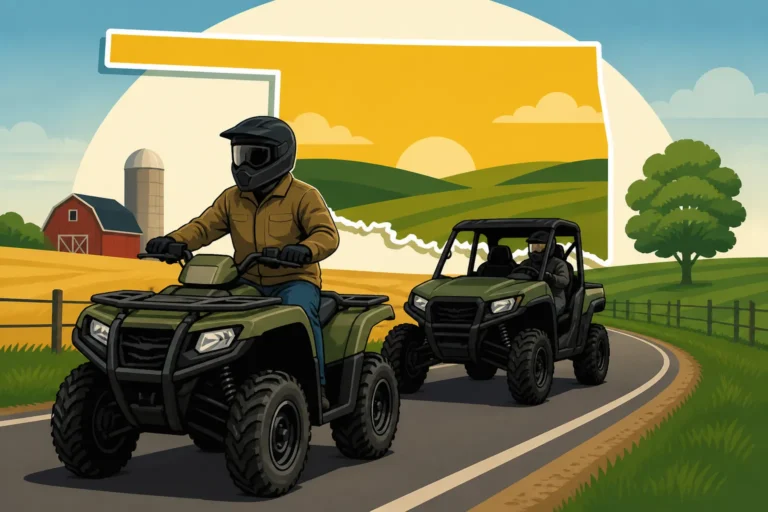
Oklahoma law, specifically Title 47, Section 11-1116, acknowledges that sometimes, an off-road machine needs to momentarily touch pavement to continue its journey. This isn't about cruising down the highway for miles on end, but rather about the quick, direct action of getting from one side to the other. It's a pragmatic approach to connect the dots in our vast rural landscapes, recognizing that many farm and ranch operations, or even just recreational riders, might need to traverse a paved road that divides private property or connects trail systems. Without these specific allowances, a simple trip across the road could turn into a mile-long detour, or worse, an illegal ride that draws unwanted attention.
The Critical 35 MPH Threshold
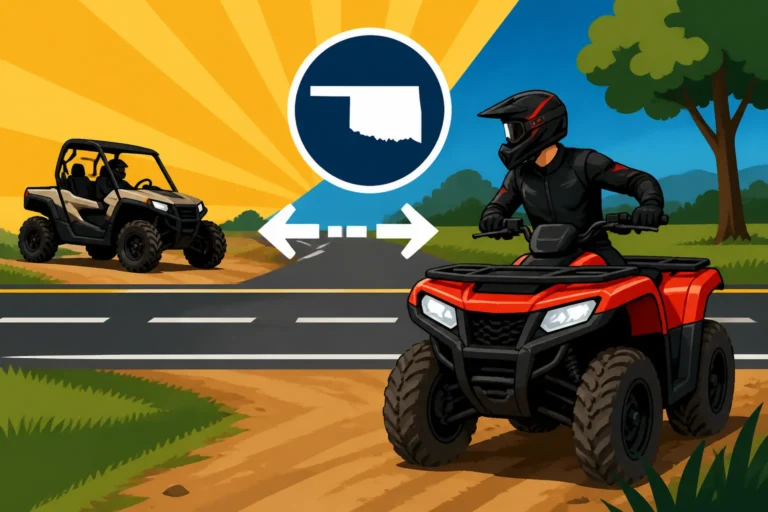
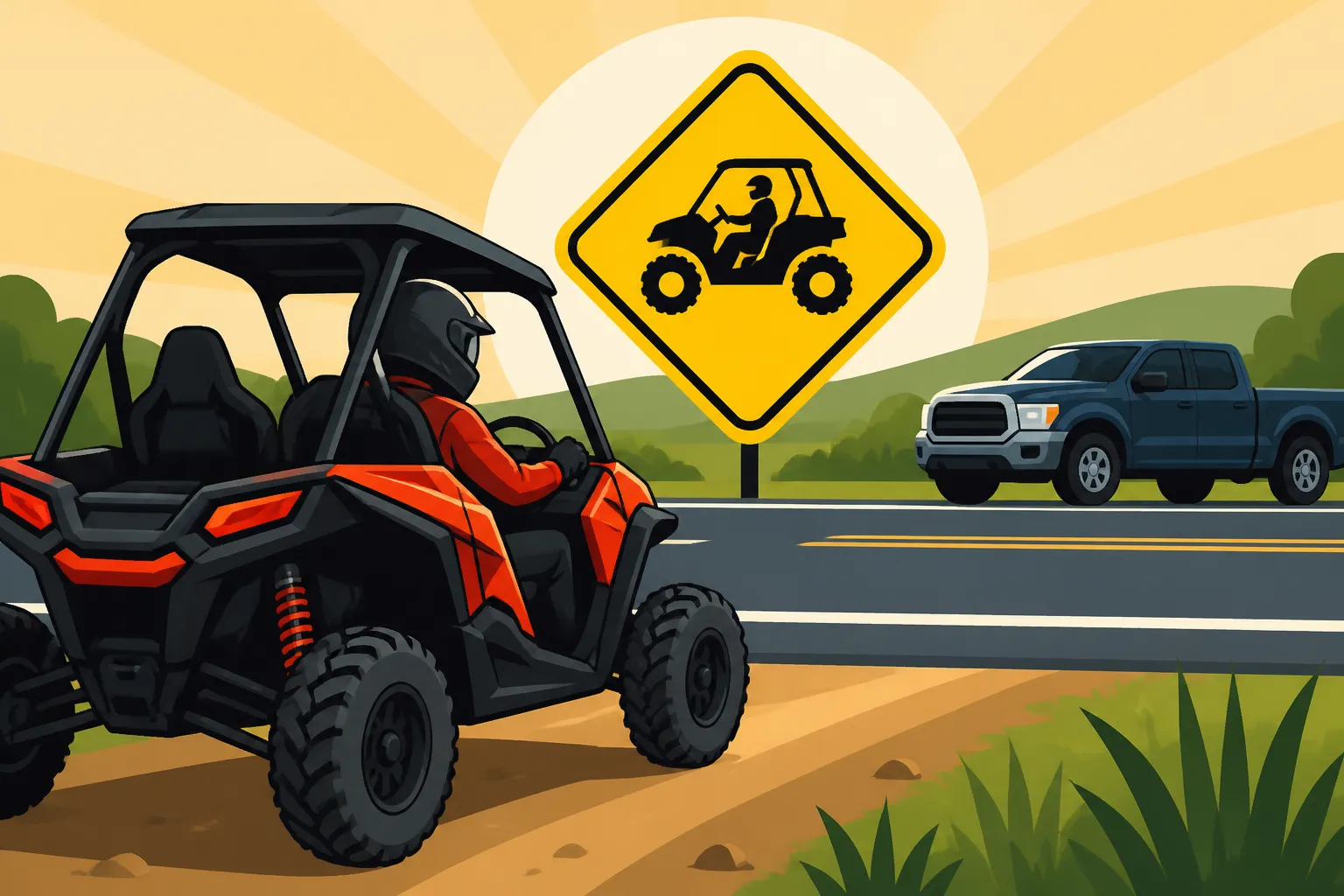
The cornerstone of Oklahoma's crossing rule for off-road vehicles is the speed limit of the highway itself. You might see a paved county road or even a smaller state highway that isn't a major artery, and the posted speed limit makes all the difference. If that sign says "35 MPH" or anything less, you're potentially in the clear for a direct crossing. This specific limit isn't arbitrary; it's a safety measure. Slower speed limits generally indicate less traffic volume, shorter sight distances, or areas where vehicles are expected to operate at reduced speeds, making a quick crossing by an ATV or UTV less disruptive and inherently safer.
Imagine you're on a family farm that's split by one of these paved county roads. Before this rule, you'd either have to trailer your side-by-side a mere hundred yards to the other side or risk a ticket. Now, knowing the 35 mph rule, you can execute a safe, direct crossing without the hassle. It's a huge relief for folks whose daily operations or recreational outings are frequently bisected by these types of roads. This rule specifically allows you to [Oklahoma Highway Crossings in Daylight] which is crucial for visibility.
Why This Rule Doesn't Apply to All Highways
It's absolutely vital to understand that this allowance is very specific and does not extend to all paved roads. Highways with higher speed limits – anything above 35 mph – are strictly off-limits for ATV and UTV crossings, unless your machine is fully street-legal and properly tagged. This includes most state highways, U.S. highways, and certainly interstates. The reason is simple: safety. A faster road means faster-moving traffic, heavier volumes, and a much higher risk of collision if an ATV or UTV attempts to cross. The speed differential between an off-road machine and highway traffic is too great, and the time drivers have to react is significantly reduced.
Trying to cross a 55 mph highway on an ATV, even if it feels quick, is an incredibly dangerous gamble. The legal framework is designed to prevent these high-risk situations. This is why you need to pay close attention to the posted speed limits. Don't assume; always look for the sign. If there's no sign, or if it's unclear, err on the side of caution and find an alternative. The law is clear on [Oklahoma Crossing Rules at 35 mph], so always adhere to it.
Identifying Permitted Crossing Points
Knowing the 35 mph rule is one thing, but pinpointing exactly where you can make these crossings is just as important. It’s not just about the speed limit; it's also about the nature of the road itself and the conditions around it.
County Roads and Rural Highways
Many of the roads that fall under the 35 mph or less category are going to be your typical paved county roads or smaller, less-traveled state highways in rural areas. These are the roads that connect small towns, bisect farmland, or lead to remote recreational spots. Often, they have minimal shoulders, if any, and traffic can be intermittent but fast-moving when it does appear. You'll frequently see these roads used by agricultural vehicles, school buses, and local residents.
When you're out scouting, pay close attention to the signage. A road that looks quiet and minor might still have a 45 mph limit, instantly making it unsuitable for an ATV crossing. Conversely, some paved roads that lead to a dead-end or serve only a few homes might be unposted but clearly designed for low speeds. In these cases, it's wise to consider the implied speed limit and general traffic conditions. If a road feels like a natural extension of a slower-speed environment, it might be a candidate for a crossing. [Oklahoma County Commissioners and ATV Roads] often dictate where ATVs can travel, but crossing rules are state-wide.
Recognizing Roads with Higher Speed Limits
Distinguishing between a 35 mph road and a 45 mph or higher road is paramount. A 45 mph road, while only 10 mph faster, represents a significantly different risk profile for a crossing. These roads typically have longer stretches between intersections, encouraging faster travel, and often carry more consistent traffic. These could be state highways that connect larger towns or serve as main thoroughfares for regional travel.
Never, ever attempt to cross a road that is clearly signed for 40 mph, 45 mph, or higher. This is where the law draws a hard line, and violating it can lead to hefty fines, potential impoundment of your machine, and most importantly, a serious accident. If you're unsure about a road's speed limit, either find a sign or assume it's too fast for a crossing. It's far better to find a designated trail, a gravel road, or even trailer your machine a short distance than to risk crossing a high-speed highway. Remember, for general road use, [Can You Drive a UTV on the Road in Oklahoma?] depends heavily on whether your machine is street-legal.
Executing a Safe Highway Crossing
Simply knowing the rules isn't enough; you need to execute the crossing safely and responsibly. This involves preparing yourself and your machine, being aware of your surroundings, and making smart decisions in real-time.
Preparing Your Machine for Maximum Visibility
Before you even think about approaching a paved road for a crossing, ensure your machine is as visible as possible. This is not just a recommendation; it's a critical safety measure. Your ATV or UTV is much smaller than a car or truck, and can easily be overlooked by drivers, especially at a distance or in less-than-ideal lighting.
- Lighting: Ensure all your lights are operational – headlights, taillights, and any auxiliary lights. Turn them on, even in broad daylight. Bright, working lights significantly increase your visibility to oncoming traffic. If you've accessorized your machine, say with aftermarket lights from a brand like SuperATV, make sure they're all functioning.
- Reflectors: Check that any factory reflectors are clean and intact. Consider adding reflective tape to the front, sides, and rear of your machine, especially if it's a darker color. Every bit of reflectivity helps.
- Whip Flags: While not legally required for highway crossings, a bright orange whip flag, similar to what's used in dune areas like Little Sahara, can make a huge difference in being seen. It adds vertical presence that might catch a driver's eye over a rise.
- Cleanliness: A clean machine is more visible than one caked in mud. Take a moment to wipe down your lights and reflectors.
Situational Awareness and Crossing Best Practices
Once your machine is prepped, it's all about your awareness and actions at the crossing point. This isn't a race; it's a calculated maneuver that requires your full attention.
- Stop, Look, and Listen: Treat every highway crossing like a railway crossing. Come to a complete stop before entering the paved surface. Look both ways, multiple times, for oncoming traffic. Listen for the sound of approaching vehicles. Don't let impatience get the better of you.
- Pick Your Spot: Choose a crossing point that offers the best visibility for both you and approaching drivers. Avoid crests of hills, blind curves, or areas with heavy vegetation that obstruct sightlines. A flat, straight section of road is ideal.
- Cross Directly and Quickly: The law specifies a "direct crossing." This means you should aim to get from one shoulder to the other in the most direct path possible, without traveling down the paved road for any distance. Once you commit to crossing, do so decisively and at a safe, steady speed. Don't dawdle.
- Signal Your Intentions: If your UTV has turn signals, use them! If not, use clear hand signals to indicate your intention to cross. While not legally mandated for ATVs on these types of crossings, it's a courteous and safe practice that communicates your intentions to any approaching drivers.
- Be Prepared to Yield: Always assume that other vehicles on the highway have the right-of-way. Be prepared to stop or delay your crossing if there's any doubt about an approaching vehicle's speed or distance. Your safety is paramount.
Remember, this is about quick, minimal interaction with the paved road. It's not about making a left turn onto the highway or traveling parallel to it. This direct crossing rule is a narrow allowance for specific circumstances.
Prohibited Actions and Avoiding Penalties
Even with the specific allowances for crossing lower-speed highways, there are clear lines you should never cross. Understanding what's not allowed is just as important as knowing what is.
Absolutely No Riding Along the Highway
This is perhaps the most critical distinction: the law allows for a direct crossing, not for traveling along the highway. You cannot ride your ATV or UTV down the shoulder, in the ditch alongside, or certainly in the travel lanes of any paved public road, regardless of the speed limit, unless that machine is specifically registered as street-legal. The intent of the law is to bridge a gap, not provide an alternative mode of transportation on the road.
Attempting to ride even a short distance along a paved highway, even a low-speed one, can quickly lead to a citation. Law enforcement officers, including park rangers who can also write tickets, are often on the lookout for illegal road use, especially in areas where trail systems or private lands are common. They understand the difference between a direct crossing and illegal travel, and they will enforce the law. [Oklahoma Park Rangers as Enforcers] are part of the team. If you need to cover miles on pavement, you need a street-legal UTV. For these, [Oklahoma Street Legal UTV Requirements] are extensive.
Avoiding Common Mistakes That Lead to Tickets
Many riders get tickets not because they're intentionally breaking the law, but because they misunderstand the specifics or make careless errors. Here are a few common pitfalls to avoid:
- Misjudging Speed Limits: As discussed, assuming a road is 35 mph or less without seeing a sign is a common mistake. Always verify the posted speed limit. When in doubt, don't cross.
- Crossing at Night: The law specifies "daylight hours" for these crossings. Attempting to cross a highway at night, even a low-speed one, is a direct violation and incredibly dangerous. Your visibility, even with lights, is significantly reduced, and so is a driver's ability to see you. Refer to [Oklahoma Rules for Riding After Dark] for more context.
- Excessive Road Time: The crossing should be as quick and direct as possible. Lingering on the shoulder, stopping in the middle, or taking a scenic route across can be construed as illegal road use rather than a direct crossing.
- Not Yielding: Failing to yield to oncoming traffic is not only dangerous but a clear violation. Other vehicles always have the right-of-way on the highway.
- Improper Equipment: While not a "street-legal" requirement, having non-functional lights or being otherwise unprepared for visibility can draw attention and may contribute to a citation if an officer feels you were operating unsafely. Ensuring your machine is in good working order, perhaps with a pre-ride check like one would do with SuperATV components, is always a smart move.
The penalties for illegal road riding can range from fines to court costs. While [Oklahoma Penalties Capped at $25] for certain ATV violations, other citations, like reckless operation or failing to yield, could carry higher costs. It's always best to avoid the situation entirely by adhering strictly to the rules.
Street-Legal UTVs vs. Highway Crossing Rules
It's important to differentiate between the limited allowance for crossing a 35 mph highway and the comprehensive requirements for making a UTV fully street-legal in Oklahoma. These are two very different animals, though both allow for interaction with paved roads.
When a UTV Can Legally Travel on Any Road (Almost)
Oklahoma created a class of street-legal UTVs that, when properly equipped, registered, and insured, can operate on most public roads. This is a game-changer for many riders who want to use their side-by-sides for errands, commuting short distances, or linking extensive trail systems without the need for a truck and trailer. However, this isn't a simple process; it requires specific modifications and adherence to vehicle codes.
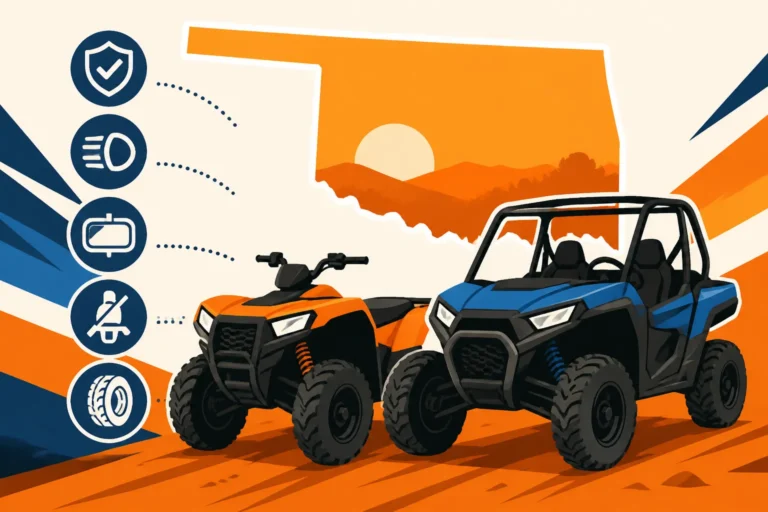
A street-legal UTV needs, among other things:
- Headlights, taillights, brake lights, and turn signals (front and rear).
- A rearview mirror and side mirrors.
- A horn.
- A windshield.
- A safety belt for each occupant.
- Specific tires and often, fenders.
- Proof of insurance.
- A valid driver's license (no motorcycle endorsement needed, but drivers must be 16).
- A specific street-legal UTV registration and annual plate.
The rules for these machines are very detailed and are designed to bring them up to a standard similar to other motor vehicles on the road. Many riders choose to upgrade their machines with products from companies like SuperATV that offer street-legal conversion kits, mirrors, and turn signal kits to meet these requirements.
The Differences in Road Access and Purpose
The key difference lies in the scope of road access.
- Highway Crossing Rule: This is a very narrow exception, allowing for a brief, direct traverse of a specific type of low-speed highway to get from one off-road area to another. It's about connectivity for off-road use.
- Street-Legal UTV Status: This grants broad access to most public roads, allowing the UTV to function as a regular vehicle for transportation. This opens up possibilities for riding on [Oklahoma Rules for Riding a County Road] and even [Oklahoma Rules for Riding a City Street] (where allowed by local ordinance).
A street-legal UTV can travel on a 35 mph highway just like a car, and it can also cross higher-speed highways (up to certain limits, typically avoiding interstates and major U.S. highways). An ordinary, unregistered ATV or UTV, even if used for farm work and not subject to registration requirements, is only allowed to perform that direct crossing of a 35 mph or less highway, and nothing more. The table below highlights some key distinctions.
| Feature | Standard Off-Road ATV/UTV (Crossing) | Street-Legal UTV (General Road Use) |
|---|---|---|
| Purpose | Direct, momentary crossing of a low-speed highway | General transportation on most public roads |
| Roads Allowed | Paved highways with posted speed limits of 35 mph or less (direct crossing) | Most paved county roads, city streets, and state highways (travel along) |
| Speed Limits | Only on roads 35 mph or less | Can travel on roads up to higher limits (e.g., 55 mph), avoiding interstates/US highways |
| Required Equipment | Working lights, good visibility (suggested reflective tape, whip flag) | Specific DOT-compliant headlights, taillights, brake lights, turn signals, mirrors, horn, windshield, seatbelts |
| Registration/Tag | May be unregistered (e.g., farm exemption) or have an ATV registration decal | Required to have street-legal UTV registration and annual plate |
| Insurance | Not legally required for off-road use or crossing | Legally required for road operation |
| Driver's License | Not required for crossing | Valid driver's license required (minimum 16 years old) |
| Travel Duration | Brief, direct crossing only | Can travel for extended distances on roads |
| Time of Day | Daylight hours only | Day or night (with proper lighting) |
Understanding these distinctions is crucial for anyone who operates an ATV or UTV in Oklahoma. Don't confuse the limited privilege of crossing a low-speed highway with the extensive permissions granted to a fully street-legal machine. Know your machine's capabilities and its legal status before you venture onto any paved road.
Disclaimer
This article is for general informational purposes only and does not constitute professional advice. Laws, prices and regulations vary by location and change over time. Consult a qualified professional for guidance on your specific situation.