Replacing a Front Decal Faded by the Sun
It's incredibly frustrating when you go to jump on your ATV or UTV, only to realize that the vibrant, clear front decal you once proudly displayed has faded into an illegible ghost of its former self. Whether it's been bleached by the relentless Oklahoma sun, scraped by a stray branch on the trail, or simply worn away by time, a damaged decal can be a real headache. This guide is here to walk you through exactly how to replace that faded front decal, ensuring you stay compliant and avoid any unnecessary hassle while enjoying the great outdoors in the Sooner State.
Why Your Oklahoma Decal Might Need Replacing
That little sticker on the front of your machine might seem insignificant, but it's a vital part of your ATV or UTV's registration in Oklahoma. When it becomes unreadable, it’s not just an aesthetic issue; it can lead to questions from law enforcement and potentially spoil a perfectly good ride. There are a few common culprits behind a decal's demise.
The Harsh Oklahoma Sun and Weather
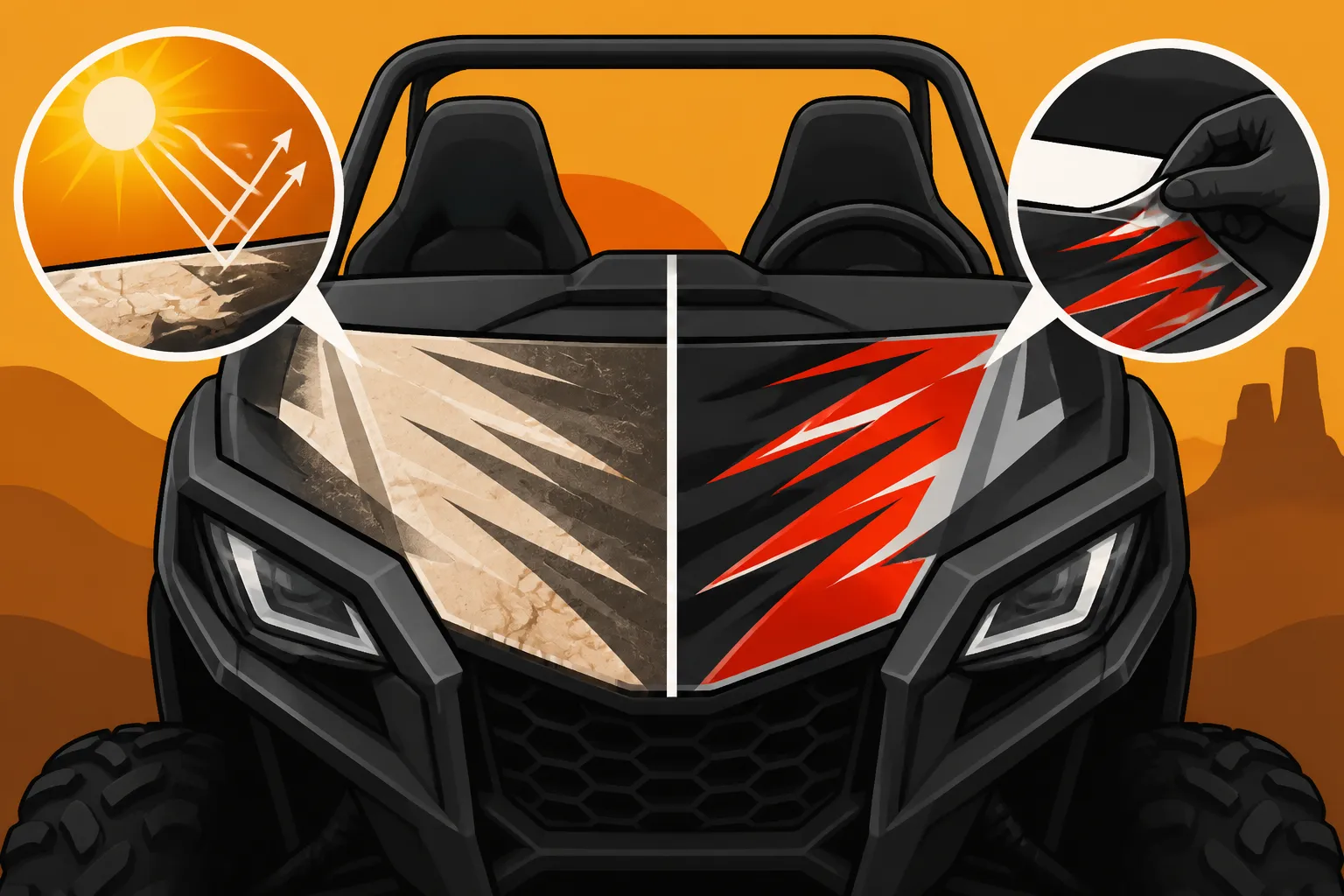
Let's face it, Oklahoma weather can be brutal, and our sunshine is no joke. The intense UV rays, especially during those long, hot summers, are notorious for bleaching colors and degrading plastics, and your registration decal is no exception. Machines stored outdoors, even under a lean-to or partial cover, are constantly exposed to these elements.
Beyond just the sun, the extremes of Oklahoma weather, from freezing winter temperatures to torrential spring rains, can also take their toll. Constant temperature fluctuations can cause the decal material to expand and contract, leading to cracking or peeling over time. Wind, dust, and even hail can further abrade the surface, slowly but surely making that important identifying information disappear. It’s a battle against the elements, and sometimes, the decal just doesn't stand a chance.
Accidental Damage and Wear and Tear
Beyond Mother Nature's relentless assault, our off-road machines lead a tough life. Whether you're navigating tight timber trails, splashing through muddy creek beds, or hauling gear across a bumpy pasture, your ATV or UTV is bound to encounter obstacles. A low-hanging branch might scrape across the front, or perhaps a rock gets kicked up from another rider, dinging your decal.
Even routine maintenance or washing can contribute to wear and tear. High-pressure washers can sometimes peel back edges, or harsh cleaning chemicals might accelerate fading. Over time, simply loading and unloading your machine from a trailer, or having gear shift during transport, can cause minor abrasions that add up. The front of your machine is often the first point of contact with the world, making that decal particularly vulnerable to the bumps and bruises of an adventurous life.
The Importance of a Clear Decal for Compliance
While Oklahoma ATV registration is a "pay once, never renew" deal, meaning your machine is registered for its lifetime once you've paid the initial fee, [Oklahoma ATV Registration You Pay Once], the decal itself serves as the visible proof of that registration. Law enforcement officers, park rangers, and game wardens often rely on that front decal to quickly verify that your machine is properly registered when you're out on public lands or crossing certain roads. A faded or illegible decal makes their job harder and can draw unwanted attention to you, even if your registration is perfectly valid in the system.
Having a clear, easily readable decal ensures you avoid unnecessary stops or questions about your machine's status. It's about demonstrating compliance at a glance. Remember, [Oklahoma Issues a Front Decal, Not a Plate], so this decal is your primary visual identifier for registration purposes. Keeping it in good condition is a small effort that can save you from a lot of potential headaches and interruptions to your riding enjoyment.
How to Order a Duplicate Oklahoma ATV/UTV Decal
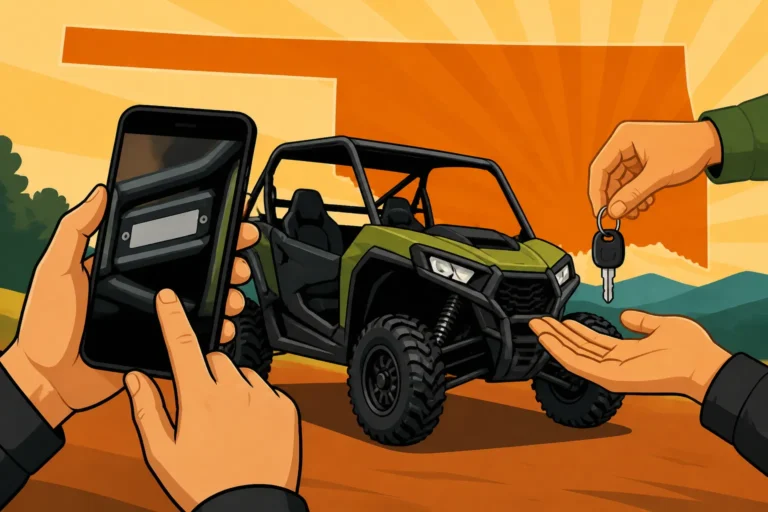
The good news is that replacing a faded or damaged decal in Oklahoma is a straightforward process. You won't have to re-register your machine or jump through a bunch of new hoops. The key is knowing where to go and what to bring.
Visiting Your Local Tag Agency
When it's time to get a new decal, your best bet is always a local Oklahoma tag agency. These are the folks who handle all the vehicle titling and registration in the state, and they're well-versed in the specifics of ATV and UTV paperwork. You can't just order one online or over the phone; you'll need to make an in-person visit.
Before you head out, it's often a good idea to call your preferred tag agency to confirm their hours and what specific documents they might require for a duplicate decal. While the process is generally standard, a quick phone call can save you a trip if, for example, they have unexpected closures or a particular requirement you overlooked. You're essentially asking for a [Oklahoma Decal Replacement If Lost] or damaged, and they process these requests regularly. It's a much smoother experience if you're prepared. You can also find answers to [Oklahoma Registration Questions Clerks Hear] directly from them.
Required Information and Paperwork
To get a duplicate decal, you'll need to prove that you are the registered owner of the ATV or UTV. This typically means bringing a few key items with you to the tag agency:
- Your Valid Photo Identification: A current driver's license or state ID card is usually sufficient. This confirms your identity.
- Proof of Ownership/Registration: The most straightforward way to do this is to bring your original ATV/UTV title or your last registration receipt. While Oklahoma registration doesn't technically expire, your initial registration paperwork serves as proof that the machine was, indeed, registered under your name. If you've lost your title, you might need to apply for a duplicate title first, but for a decal replacement, the registration receipt is usually enough. Remember, [Oklahoma Registration Never Renews], so you won't have an annual renewal notice to show, but the original paperwork is still key.
- The Vehicle Identification Number (VIN): Having the VIN readily available is crucial. It's how the tag agency looks up your machine's records. While it's usually on your title or registration receipt, it's wise to double-check the physical VIN on your machine before you go, just in case there's any discrepancy or you don't have all your original papers.
If you happen to have lost all your original paperwork, including your title and any previous registration receipts, the process can become a little more involved. In such cases, the tag agency might require you to complete an affidavit of lost title or registration. Keeping meticulous records of your machine's purchase, perhaps by utilizing services like LawDepot to generate comprehensive bills of sale or ownership affidavits, can be incredibly helpful in these less common, but stressful, scenarios.
What to Expect: Fees, Processing Time, and Receiving the New Decal
Once you've presented your documents and the tag agency has verified your ownership, you'll pay a nominal fee for the duplicate decal. While I can't give specific current prices, expect it to be a relatively small administrative charge, nothing like the initial [What Oklahoma's $11 Registration Fee Actually Covers] you paid for the lifetime registration. This fee covers the cost of the decal itself and the administrative effort to process your request.
In most cases, you'll receive your new decal right there on the spot. Tag agencies typically have the decals in stock and can print the necessary information directly on them. This means you can often walk in, complete the paperwork, pay the fee, and walk out with your fresh, new decal ready to be applied. It's one of those quick, efficient government services that everyone appreciates, especially when you're eager to get back out on the trails. When [Planning a Single Trip to the Tag Agency], be sure to have all your materials ready.
Proper Placement of Your New Decal for Maximum Durability
Getting a new decal is only half the battle; applying it correctly and strategically can significantly extend its life and keep it looking good for longer. A little care in preparation and placement goes a long way.
Preparing the Surface for Application
Before you even think about peeling off the backing, the surface where your new decal will go needs to be impeccably clean and dry. Any dirt, dust, grease, or old adhesive residue will prevent the new decal from sticking properly, leading to bubbles, peeling edges, and a much shorter lifespan.
Start by thoroughly washing the area with soap and water. If there's any old decal residue, a gentle adhesive remover (like rubbing alcohol or a specific decal remover) can work wonders, but always test it on an inconspicuous spot first to ensure it doesn't damage your machine's finish. After cleaning, rinse thoroughly and let the area dry completely. You want the surface to be smooth, free of debris, and absolutely dry to the touch. Applying a decal on a warm day, or when the surface itself is warm but not hot, can also aid in better adhesion.
Strategic Placement to Avoid Future Damage
The placement of your decal is crucial, both for visibility and durability. Oklahoma law is pretty specific: [Oklahoma Decals on the Front of a Machine]. This means somewhere on the front fairing or fender, clearly visible to an officer looking head-on at your machine. For most ATVs, this is often on the front plastic, perhaps just below the handlebars or on the upper part of the front rack.
For side-by-sides, the rules are similar, with [Oklahoma Decal Placement on a Side-by-Side] typically recommending placement on the front hood or fascia, again, in a spot that's easily seen and not obscured by winches, lights, or other accessories. Try to choose a flat, smooth section that isn't prone to excessive flexing or vibration. Avoid areas that regularly come into contact with cargo, brush, or your riding gear, as this will quickly wear down your new decal. Thinking ahead about how you use your machine can help you pick the perfect, protected, yet visible, spot.
Tips for Longevity
Once your new decal is applied, a few simple habits can help prolong its life:
- Avoid Direct High-Pressure Washing: When cleaning your machine, be mindful of the decal. While it's designed to be durable, a direct, high-pressure blast from a power washer can lift the edges or damage the surface over time. Use a gentler stream or hand-wash the decal area.
- Park in the Shade When Possible: If your machine is stored outdoors, even parking it in the shade when not in use can significantly reduce its exposure to direct UV rays, slowing down the fading process. If you have a cover for your ATV or UTV, utilize it! This not only protects the decal but also the rest of your machine from the elements.
- Consider a Clear Protective Overlay: Some riders choose to apply a clear vinyl protector over their decals. These thin, transparent films can add an extra layer of defense against UV, abrasion, and minor impacts. It’s an inexpensive way to extend the life of your decal, especially if your machine sees a lot of sun or tough trail conditions.
By being a bit proactive with your decal's care, you can ensure it remains legible and vibrant, keeping you on the right side of the law and looking sharp on the trails.
Common Questions and Misconceptions About Decal Replacement
Navigating the world of ATV and UTV registration can sometimes feel like a maze, especially with rules that differ from other vehicles or even from state to state. It's easy to get confused about certain aspects, particularly when it comes to something as specific as decal replacement. Let's clear up some common questions riders often have.
What If My Machine Isn't Registered Anymore?
This is a common point of confusion, and it stems from a key characteristic of Oklahoma's ATV and UTV registration system: [Oklahoma Registration Never Renews]. Unlike cars and trucks, which require annual renewal and new stickers, once you initially register your ATV or UTV in Oklahoma and pay the one-time fee, it's registered for its lifetime. There's no expiration date, and therefore, no "unregistered anymore" status unless it was never registered in the first place or the ownership transferred without the new owner completing their part.
So, if you're replacing a faded decal, your machine is still registered. The need for a new decal simply means the proof of that registration (the physical sticker) is compromised. You're not going through the full registration process again, just getting a replacement for the visible identifier. This is why you only pay a small fee for the duplicate decal, rather than the original [Oklahoma ATV Registration Cost]. If, however, you bought a used machine that was never registered by a previous owner or yourself, then you'd be going through the initial [How to Register an ATV in Oklahoma] process, not just a decal replacement. This distinction is really important.
Can I Just Print My Own?
The short answer is no, you cannot simply print your own replacement decal. While it might seem convenient to download a template and print it on sticker paper, Oklahoma's registration decals are official documents issued by the state's tag agencies. They have specific formatting, security features, and materials that are designed to be tamper-resistant and verifiable.
An officer checking your machine's compliance will be looking for an authentic, state-issued decal. A homemade decal, no matter how professionally it looks, will not be recognized as valid proof of registration. This could lead to a citation or, at the very least, a significant delay while law enforcement verifies your registration through other means. It's always best to go through the official channels at a tag agency to ensure your compliance and avoid any legal issues. Remember, the decal is your proof that [Oklahoma Titles ATVs and UTVs] and has processed your registration correctly.
Understanding the "Front Decal, Not a Plate" Rule
Oklahoma's approach to ATV and UTV identification is unique in that it issues a decal rather than a traditional license plate. For many riders coming from states that require plates, or even for those who are used to annual car tags, this can be a bit surprising. [Why You Get a Front Decal, Not a Plate] is rooted in the practicalities of off-road vehicle use. Plates can easily be bent, torn off, or obscured by mud and brush in rugged riding conditions.
The decal, being a sticker, is more flexible and can adhere to the contours of your machine's plastics, making it less prone to damage. It's specifically designed for the often-abusive environment that ATVs and UTVs operate in. This front decal is the singular identifier that law enforcement relies on to quickly confirm your machine's registered status. So, embrace the decal; it's a functional design choice for the off-road lifestyle in Oklahoma.
Here's a quick reference for what to bring and what to expect when you head to the tag agency for your duplicate decal:
| Category | What to Bring | What to Expect |
|---|---|---|
| Proof of Identity | Valid photo ID (Driver's License/State ID) | Identity verification |
| Proof of Ownership | Original Title or Registration Receipt | Database lookup of your machine's registration |
| Vehicle Info | VIN (Vehicle Identification Number) | Confirmation of VIN with state records |
| Payment | Method for nominal fee (cash, card, check) | Small administrative fee charged |
| New Decal | N/A | Decal issued on the spot |
| Processing Time | N/A | Generally quick, in-person service |
Disclaimer
This article is for general informational purposes only and does not constitute professional advice. Laws, prices and regulations vary by location and change over time. Consult a qualified professional for guidance on your specific situation.