Little Sahara’s 1,600 Acres in Oklahoma
Little Sahara can look like one enormous playground when you arrive, but its 1,600 acres of sand bring real planning questions: where riding is allowed, what equipment to bring, and how to keep a family outing from turning into a dusty, stressful day. This guide explains what to expect, how to prepare, and how to ride the Waynoka dunes responsibly.
What 1,600 Acres at Little Sahara Really Means
Understand the riding area before unloading
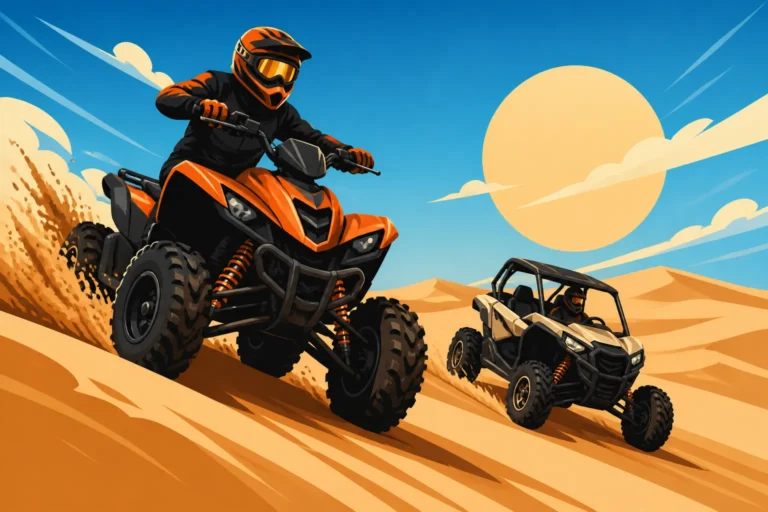
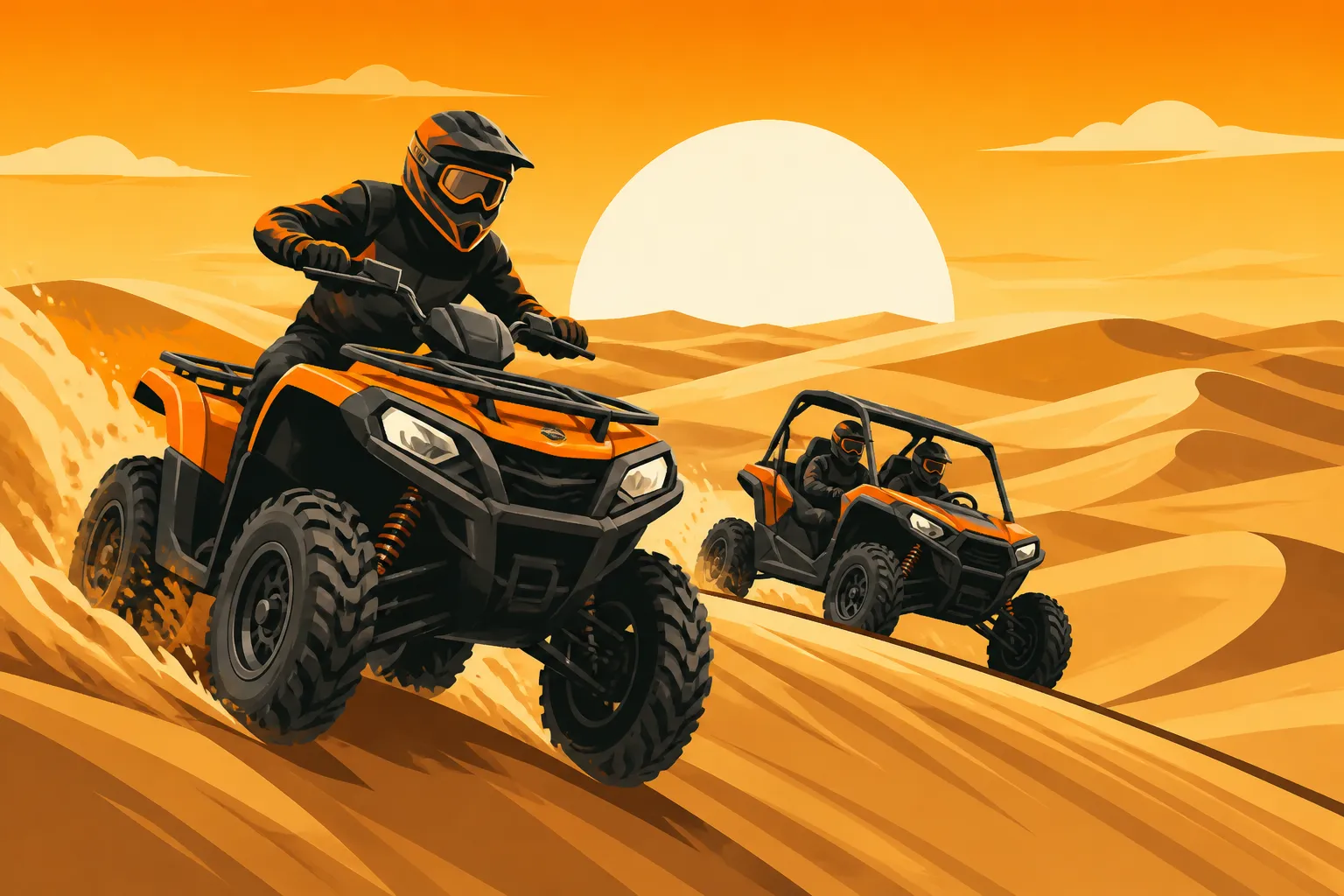
Little Sahara State Park, near Waynoka in northwestern Oklahoma, is known for its shifting sand dunes and off-highway vehicle riding. The 1,600-acre figure gives you a sense of the scale, but it is not a promise that every visible patch of sand is equally suitable for every machine or rider. Terrain changes, visibility can be limited by dunes, and the best route for a small quad may not be the right route for a larger side-by-side.
Before unloading, take a few minutes to orient yourself. Note where you parked, where your group plans to meet if separated, and any boundaries, signs, or closures posted in the area. The park’s layout, access points, and conditions matter more than the acreage number alone. For an overview of the destination and its setting, see [Little Sahara State Park in Oklahoma].
It also helps to think of the dunes as a landscape that changes rather than a fixed trail system. Wind reshapes sand, traffic creates ruts and tracks, and a familiar-looking route can feel different on a return trip. If you are new to the area, start with conservative terrain and build confidence gradually instead of following the fastest or most adventurous riders in your group.
Dunes are different from marked woodland trails
A marked trail through trees usually gives you a clear corridor to follow. Dune riding is more open, and that freedom can make it harder to judge what lies beyond a ridge. A crest may conceal another rider, a drop, or a steep face. The view can change quickly as you move, especially when other machines are kicking up sand.
That open terrain is part of the appeal, but it calls for more active scanning and communication. Slow down as you approach a crest, avoid blindly following tracks over the top, and leave enough room to react if another rider appears. On a busy day, dust and overlapping engine noise can make it difficult to hear someone calling out or approaching from another direction.
New riders often assume that soft sand will be forgiving because it looks less rocky than a forest trail. Sand can still tip a machine, bury tires, strain a belt or engine, and make a minor mistake exhausting to recover from. A useful introduction to the surface and riding style is [Oklahoma Dune Riding Explained]. Treat the first part of the day as a chance to learn how your machine responds before taking on bigger slopes.
Choosing a Route and Riding Within Your Comfort Zone
Match terrain to the rider and the machine
A capable machine does not automatically make a difficult dune a good choice. Rider experience, passenger comfort, tire setup, machine weight, and current sand conditions all affect how a climb or descent feels. A sport quad and a four-seat side-by-side may be navigating the same landscape, but they do not have the same turning radius, visibility, or recovery needs.
For a first visit, choose open, manageable areas where you can practice turning and slowing down without committing to a steep climb. Keep an easy route back to your staging area in mind. If a rider is nervous, tired, or struggling to control the machine, take a break or return to easier terrain rather than treating discomfort as something to push through.
Families can make the day smoother by agreeing on a simple rule before riding: nobody takes a route that leaves the group without checking in. That avoids the familiar parking-area frustration of one rider disappearing over a ridge while everyone else waits and wonders whether to follow. Set a meeting point, ride at the pace of the least experienced person, and stop somewhere visible when you need to regroup.
Use maps as a planning aid, not a guarantee
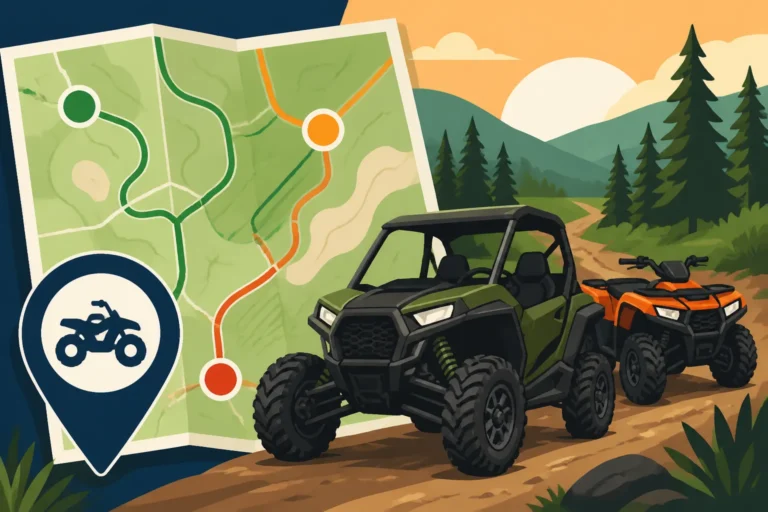
A map can help you understand the broader area and plan a route, but it should not replace posted signs or on-the-ground judgment. Dune landscapes shift, and a route shown on a digital map may not tell you whether a section is currently open, safe, or suitable for your group. Check the park’s current guidance and obey signs and staff instructions when you arrive.
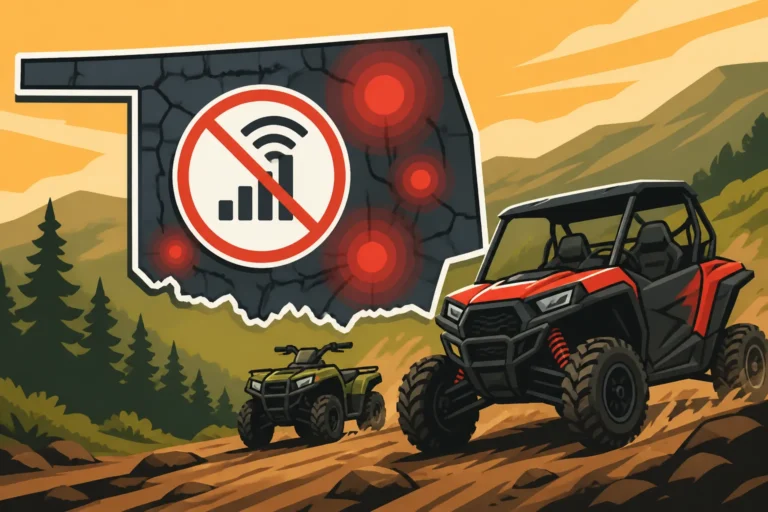
Apps such as onX Offroad can be useful when you want to review an area before leaving home, keep track of your general position, or help a group agree on a meeting point. If you use onX Offroad, download or prepare the information you need before heading into an area where service may be limited. Do not assume your phone will maintain a reliable connection once you are away from developed areas.
Bring a backup plan for navigation and communication. A fully charged phone, a power bank, and a written description of your staging area can help if the screen dies or a rider gets separated. Explain the plan to everyone in the group, including teenagers who may be riding independently. For more general trip preparation, review [Oklahoma Trail Conditions Before You Tow].
Make group riding easier with simple ground rules
A group of machines can spread out quickly in open dunes. Agree on a lead rider and a sweep rider, and make sure nobody is left to guess which direction the group took. The lead rider should choose a pace the group can maintain, while the sweep rider checks that slower riders and anyone needing a break are accounted for.
Use a consistent stopping routine. For example, stop at a wide, visible place after a change in direction and wait until the whole group catches up. Avoid stopping just beyond a crest, where approaching riders may not see you in time. If someone needs to pull over, move well clear of the path of travel rather than stopping in a blind spot.
Before splitting into smaller groups, settle on a return time and meeting location. Make sure each rider knows what to do if they cannot find the others. This can prevent a common first-trip problem: several people taking different routes back to camp and nobody knowing whether the missing rider is delayed, stuck, or simply parked somewhere out of sight.
Preparing Your ATV or UTV for Sand
Check the machine before the drive to Waynoka
Sand puts different demands on an ATV or UTV than a short ride around a property. Before leaving home, check tires for damage, inspect controls and brakes, and make sure the machine is in sound working order. On a side-by-side, check seat belts and passenger handholds as well. A small issue found in the driveway is easier to deal with than one discovered after the machine is unloaded.
Bring basic recovery and repair supplies that match your machine and your experience. A compact tool kit, tire repair items, tow strap, and gloves are useful starting points. If your group has a winch, check that it works before the trip and make sure everyone understands safe winching basics. Recovery gear is only useful when it is in good condition and riders know how to use it.
A pre-ride check also helps you avoid wasting the best part of the day on preventable problems. Check fuel, fluids, air intake, and any required safety equipment. If you have recently changed tires, repaired a belt, or added accessories, test the machine locally before hauling it to the dunes. [Oklahoma Trails That Allow Side-by-Sides] can also help readers considering how a machine’s size affects riding-area choices elsewhere in the state.
Tires and sand setup deserve attention
Tire choice and pressure affect how a machine behaves on loose sand. The right setup depends on the vehicle, tires, load, and manufacturer guidance, so do not copy another rider’s settings without considering your own equipment. A machine carrying several passengers or cargo may respond differently from a lightly loaded quad.
Avoid making a dramatic adjustment based on a quick conversation at the staging area. If you are considering changing pressure, follow guidance appropriate to your tires and machine, and make small, deliberate changes. Too little pressure can increase the risk of tire damage or bead problems; too much can make traction and handling less predictable in soft terrain.
If your machine begins to bog down, avoid repeatedly spinning the tires at full throttle. Spinning can dig the wheels deeper and add heat and stress to the machine. Stop, assess the situation, and use a controlled recovery approach. Leave space around a stuck vehicle, keep bystanders clear of straps and winch lines, and do not rush a recovery just because other riders are waiting.
Protect the machine from heat and fine sand
Fine sand can collect in places that are easy to overlook, including air intakes, radiators, and moving components. Check your owner’s manual for maintenance guidance suited to dusty or sandy conditions. During the ride, pay attention to warning lights, unusual smells, changes in power, and temperature readings instead of assuming the machine can handle one more run.
Give the machine sensible breaks, particularly after demanding climbs or long stretches in soft sand. A machine that is running hot or losing power should not be pushed harder just to finish a route. Park safely, let it cool as directed by the manufacturer, and investigate the issue before continuing.
After riding, clean the machine carefully rather than spraying sand into seals, bearings, electrical connections, or other vulnerable areas. Sand can hide in creases and around guards, so a quick rinse may not be enough. A more thorough cleaning routine after a dune trip can save time and frustration later. For a focused guide, see [Washing Dune Sand Out After a Weekend].
Safety, Visibility, and Dune Etiquette
Make yourself visible over the dunes
Visibility is one of the biggest practical challenges at Little Sahara. A dune can block your view of riders on the other side, and a vehicle that looks small in the distance may be closer than it appears. Slow down near crests, avoid cutting across another rider’s line, and give other machines room to climb or turn.
A tall whip and a bright flag help make a vehicle easier to spot in the shifting landscape. Oklahoma’s dune rules include a 10-foot whip requirement, and riders should check current park guidance for the details that apply to their machine and setup. Read [Oklahoma's 10-Foot Whip Rule] and [Oklahoma's Orange Flag Requirement] before packing your gear. Attach equipment securely and inspect it after loading and unloading so it stays visible throughout the ride.
Visibility equipment does not make it safe to charge over a blind crest. It helps others see you, but it cannot show you what is on the other side. Approach ridges with caution, keep a controlled speed, and be prepared to stop if the view is blocked. This is especially important when several groups are riding nearby or when dust is hanging in the air.
Use extra care after dark
Riding after dark changes the risk substantially. Dunes that were easy to read in daylight can become difficult to judge, and other riders may be harder to see. If night riding is part of your plan, confirm the park’s applicable rules and equipment requirements beforehand, then make sure your lights work before you leave camp.
Do not assume that headlights alone are enough. Riders need to see where they are going and be visible to people approaching from other directions. [Oklahoma Night Lighting on Dunes] and [White Lights Front and Red Behind] are useful related reading when checking lighting expectations. If your lights are dirty, damaged, or poorly aimed, fix the problem before riding rather than trying to make do in the dark.
Even with proper lighting, choose familiar, conservative routes and keep the group together. Agree on a pace that gives everyone time to react, and avoid riding beyond the ability of the least experienced person. If visibility, weather, or fatigue makes the ride feel uncertain, calling it a night is a sensible decision, not a failure to make the most of the trip.
Respect other riders and the park
Dunes are shared space. Give uphill riders room, avoid cutting across someone’s path, and do not stop where another machine may crest into you. If you see a vehicle in trouble, check that you can approach safely before offering help. A well-intentioned rescue can become dangerous if it places people in the travel path or puts a strap under tension near bystanders.
Keep noise, speed, and dust in mind around other visitors and campsites. A rider who is comfortable moving quickly may be sharing the area with a child on a smaller quad or a family learning the layout. Leave space, avoid aggressive close passes, and remember that dust can reduce visibility long after you have moved on.
Alcohol and riding do not mix. The park’s dune-area restrictions should be checked and followed, and riders should keep alcohol out of the riding day. Store food, water, and personal items securely at camp, and pack out trash. These small habits help protect the experience for other visitors as well as your own group.
Planning a Comfortable Day or Weekend
Pack for the weather and the sand
A dune day can be tiring even when the weather feels pleasant at the start. Bring more drinking water than you think you will need, along with food, sunscreen, eye protection, and clothing that shields skin from sun and blowing sand. A neck covering or dust mask can make a noticeable difference when the wind picks up or machines are circulating nearby.
Pack a small first-aid kit and make sure someone in the group knows where it is. Include any personal medication and keep it protected from heat and dust. A basic kit is not a substitute for emergency care, but it can help with minor scrapes or irritation while you decide what to do next.
Think about comfort at camp, too. Bring a way to clean sand from hands and faces before eating, and store phones and other electronics in dust-resistant cases or bags. Keep keys, permits, and important documents together rather than loose in a vehicle. If you are camping, review [How to Reserve a Little Sahara Campsite Online] and check the park’s current information for site availability and rules.
Plan around arrival, staging, and breaks
A less stressful trip often starts with a realistic schedule. Allow time for the drive, unloading, machine checks, and a short orientation before riding. If you arrive rushed, it is easy to forget a flag, overlook a loose strap, or send the group out before everyone understands the meeting plan.
Choose a staging spot that makes it easy to keep track of vehicles and gear. Secure trailers and loose items, and keep the riding route clear for others. Before heading out, make sure every rider knows where the group will stop and how to recognize the return point. If you are using onX Offroad to help organize your plan, discuss the meeting location with the group in person as well; a digital pin is more useful when everyone knows what it refers to.
Take breaks before riders are exhausted. Sand riding demands attention, and fatigue makes it easier to misjudge a slope or miss a vehicle approaching from the side. Stop for water, check on children and passengers, and reassess the group’s energy. A shorter, relaxed ride can be a better memory than squeezing in one more run when everyone is hot and tired.
Make the trip work for mixed-experience groups
When experienced riders and beginners travel together, the best plan is not necessarily to keep everyone on the same terrain all day. Start together, identify a safe meeting location, and decide whether the group will ride at a shared pace or split into smaller groups with clear supervision and return plans.
For young riders, choose terrain and ride durations that fit their ability and attention span. Confirm the rules that apply to their age and machine, and provide properly fitting protective gear. Children may need more frequent breaks than adults, especially in heat or blowing sand. Keep an adult close enough to respond quickly rather than assuming a child can manage alone because they have ridden before.
Passengers also need a realistic say in the day. A passenger who feels uneasy on steep or exposed terrain should not be pressured to continue. Agree on signals for stopping, slowing down, or returning to camp. When everyone knows their comfort matters, a group can adjust its plans without turning a simple request for a break into an argument.
A Practical Little Sahara Trip Checklist
Use this checklist as a starting point, then adapt it to your machine, group, and the park’s current rules.
| Before you leave | At the staging area | During the ride |
|---|---|---|
| Check the park’s current rules and access information | Inspect tires, controls, brakes, and lights | Slow down near blind crests |
| Confirm your route and backup meeting point | Secure the whip and flag | Keep the group together or follow a clear regroup plan |
| Review weather and prepare suitable clothing | Check fuel, water, and recovery gear | Stop if a rider is tired or a machine has a problem |
| Load navigation information and charge devices | Explain the lead and sweep roles | Keep clear of other riders’ paths |
| Pack food, water, first aid, and eye protection | Make sure passengers understand the plan | Follow posted boundaries and park instructions |
Before you tow
Check that the machine is secured correctly, that loose gear cannot shift, and that the trailer is ready for the drive. Sand can work its way into straps and moving parts during a trip, so inspect tie-downs at stops and after unloading. Bring the tools needed to address a loose strap or minor trailer issue without improvising on the roadside.
Consider whether your tow vehicle, trailer, and machine combination is comfortable for the journey. A long drive after a full day of riding can be tiring, so plan a break before returning if the driver is worn out. For a broader look at trip logistics, see [Trailering a Machine From Tulsa to Little Sahara].
Before the first ride
Walk through the plan out loud. Name the meeting place, explain how riders should respond if someone gets separated, and confirm who is leading and sweeping. Check that younger riders and passengers understand the basics too. Clear communication before the engines start is much easier than trying to coordinate through dust and noise.
Look over the equipment one more time, including visibility gear and protective clothing. Check that phones or radios are accessible without becoming a distraction, and keep a charged backup option available. A small amount of preparation can prevent a long search around the dunes when someone simply took a different route back.
Finally, set expectations that allow the day to change. Weather, crowding, machine trouble, or a tired rider can all alter the plan. There is no obligation to ride every dune or stay out until the last possible moment. Little Sahara is more enjoyable when the group treats good judgment as part of the adventure.
Disclaimer
This article is for general informational purposes only and does not constitute professional advice. Laws, prices and regulations vary by location and change over time. Consult a qualified professional for guidance on your specific situation.