An OHV Area Opened in 2016
Cross Bar Ranch gives Oklahoma riders a place to explore off-road trails near Davis, but a first visit takes more than loading the machines and heading south. Terrain, park rules, access, and trail conditions all shape the day. This guide explains what to plan for, how to prepare your ATV or UTV, and what to check before you tow.
What the 2016 opening means for riders
A dedicated OHV destination near Davis
Cross Bar Ranch is an off-highway vehicle riding area near Davis in southern Oklahoma. Its opening in 2016 added a destination for riders looking for a place to take ATVs, UTVs, and other off-road machines without treating public roads or unverified private property as trails. For anyone trying to build a riding weekend around the area, it’s a useful option to investigate alongside other Oklahoma destinations.
The park’s setting makes planning important. You’re not just choosing a trail and setting out from a neighborhood road; you’re heading to a riding area with its own access process, rules, and expectations. Before making the drive, confirm the current entry requirements and operating details directly with the park. The general overview in [Cross Bar Ranch in Oklahoma] is a helpful starting point, but the park’s own information should guide your final plans.
If you’re mapping out a wider southern Oklahoma trip, think of Davis as a base for your travel logistics rather than assuming every nearby trail or public-land area has the same rules. Entry conditions vary between private riding areas, state-managed lands, and other destinations. A local road that appears to connect two riding spots on a map does not automatically allow an ATV or UTV to travel on it.
What makes a visit different from a casual trail ride
A private OHV area can make it easier to plan a day around riding, but it still requires a little homework. You’ll want to know how riders check in, which vehicles are permitted, whether a waiver is required, and how the park handles trail access. At Cross Bar Ranch, riders should expect a waiver as part of the process, so build time for check-in before you assume you can unload and ride immediately. See [Cross Bar Ranch Makes Everyone Sign a Waiver] for a closer look at that step.
The setting also changes the way you prepare. A trail that looks straightforward on a map can feel much different once you’re dealing with changing ground, other riders, dust, or a machine that needs attention. Bring basic tools and supplies, and make sure every rider knows where the group will regroup if someone needs to stop. Those small decisions can spare you the familiar frustration of trying to solve a preventable problem after the machines are already unloaded.
For a practical overview of the experience, [What a Day at Cross Bar Ranch Includes] can help you think through the visit as a full outing rather than just a trail ride. Check the park’s current details before leaving home, especially if you’re making a long tow or bringing a group with different machine types. A little confirmation upfront can prevent a wasted drive or a last-minute scramble to meet an entry requirement.
Planning your trip to Cross Bar Ranch
Check access, conditions, and vehicle fit
Start by checking that the riding area is open for your planned visit and that your vehicle is suitable for the trails you want to ride. A youth quad, a larger ATV, and a side-by-side may have different practical needs, even if they’re all off-road machines. If you’re bringing a UTV, confirm that it’s allowed in the areas you intend to use, and ask about any restrictions that might affect its width or configuration.
Trail conditions can change the whole character of a ride. Rain may leave some surfaces slick, while dry weather can mean dust and reduced visibility behind other machines. Rather than relying on an old social post or a map pin, look for recent information from the park and ask directly about closures or trouble spots. The checklist in [Oklahoma Trail Conditions Before You Tow] is useful for thinking through what to confirm before you hitch up.
A mapping app can help you organize the drive and understand the surrounding area, but it shouldn’t be treated as permission to ride wherever a line appears. Some riders use onX Offroad to review route context and keep trip information organized. Before riding, compare what you see on any map with the park’s permitted routes and rules. If there’s a mismatch or a route isn’t clear, ask park staff instead of guessing.
Pack for the drive, the ride, and the return home
A successful riding day begins before you reach the entrance. Check your trailer, tie-downs, tires, lights, and hitch connection before loading. Make sure the machines are secured so they can’t shift during the drive, and keep your registration and other relevant ownership paperwork accessible. If you’re bringing more than one machine, do a quick count of helmets, goggles, gloves, water, and keys before pulling out of the driveway.
Pack for the kind of day you’ll actually have, not the ideal one you’re picturing. Water, snacks, sun protection, basic first-aid supplies, and a way to manage dust or mud can all come in handy. Carry a small tool kit suited to your machines, along with essentials such as a tire repair kit if you know how to use it. Keep frequently needed items easy to reach rather than buried under riding gear or camping equipment.
It also helps to plan for the end of the day. Leave enough space in the vehicle for muddy or dusty gear, and bring something to protect the interior or trailer from grit. Before driving home, check that every machine is loaded and secured, and look over the riding area for anything you might have left behind. The broader [Oklahoma Trail Etiquette Locals Expect] guide offers useful reminders about being considerate at shared riding and staging areas.
| Before you leave | What to confirm | Why it matters |
|---|---|---|
| Park access | Current opening details, check-in steps, and waiver requirements | Avoids arriving unprepared or during a closure |
| Vehicle choice | Whether your ATV or UTV is appropriate for the intended riding area | Helps prevent access surprises and mismatched equipment |
| Trail conditions | Recent closures, muddy sections, or other hazards | Lets you adjust your plan before unloading |
| Group plan | Meeting point, pace, and regrouping procedure | Keeps riders together when someone stops |
| Trailer and gear | Tie-downs, tools, helmets, water, and supplies | Reduces preventable delays on the road and trail |
Riding safely and following park rules
Understand speed limits and shared spaces
Speed limits matter even when the trail feels open. Cross Bar Ranch information lists a 20 mph limit on a main road and 10 mph through camp. These lower speeds are especially important around parked trailers, people walking between campsites, and riders entering or leaving the riding area. Slow down before you reach a busy section rather than braking hard after you’ve already come up behind someone.
Use [20 mph on a Main Road] and [10 mph Through Camp] as reminders to check the current posted rules when you arrive. Signs and instructions at the park should take priority if they provide more specific direction for a particular area. Don’t assume a limit applies only to larger machines or only when the campground looks busy. A quiet-looking road can still have a person, dog, or child step into view unexpectedly.
Shared spaces call for more than speed control. Give other riders room, avoid crowding a machine that has stopped, and use a clear signal when your group needs to pull over. If dust or a blind rise limits what you can see, ease off the throttle and leave extra space. Riding with a group can make it tempting to keep pace with the fastest machine, but the safest pace is one that lets each rider stay in control.
Keep your group together without riding beyond anyone’s comfort
Before the first ride, agree on a simple plan: who leads, who rides at the back, where the group will stop, and what to do if someone gets separated. A fixed regrouping point is more useful than shouting names across a noisy trail. If a rider has to stop, the group should know whether everyone waits together or whether one designated person stays with them while the others continue to a safe meeting spot.
Match the route and pace to the least experienced rider in the group. A confident adult on a full-size machine may see a section as easy, while a new rider or younger child may find it intimidating. Give everyone permission to turn around or take a break. That kind of flexibility makes a family or mixed-skill ride more enjoyable than pressing ahead until someone is tired, upset, or uncomfortable.
Keep in mind that an all-night operating schedule does not mean every rider should plan to stay out after dark. Cross Bar Ranch information notes that the area stays open all night, but darkness changes visibility and makes it harder to spot trail features, other riders, or a mechanical problem. Check lighting requirements and the park’s night-riding rules before deciding to ride after sunset. [Cross Bar Ranch Stays Open All Night] can help you identify that detail to confirm when planning your visit.
Families, camping, and choosing the right riding area
Bringing children and newer riders
A ride with children needs extra planning, even when a child has ridden before. Check that each machine is appropriate for the rider’s size and experience, and that the child can operate the controls safely. Bring properly fitted protective gear and explain the basic group plan before starting. A child should know how to stop, where to wait, and which adult to follow if the group pauses or changes direction.
Cross Bar Ranch information says children nine and under ride free, but a free entry policy should not be mistaken for a rule about who may ride a particular machine or trail. Check age, supervision, equipment, and safety requirements with the park before you go. If you’re bringing a child’s quad, the planning points in [Bringing a Kid's Quad to Cross Bar Ranch] can help you prepare questions and pack appropriately.
For newer riders, keep the first outing manageable. Start with a comfortable pace, take breaks before fatigue sets in, and avoid turning the ride into a test of bravery. A child who is nervous about a hill or unfamiliar surface needs calm guidance, not pressure from adults or other riders. Parents and guardians should be ready to change the plan if conditions or confidence levels shift during the day.
Camping and comparing nearby options
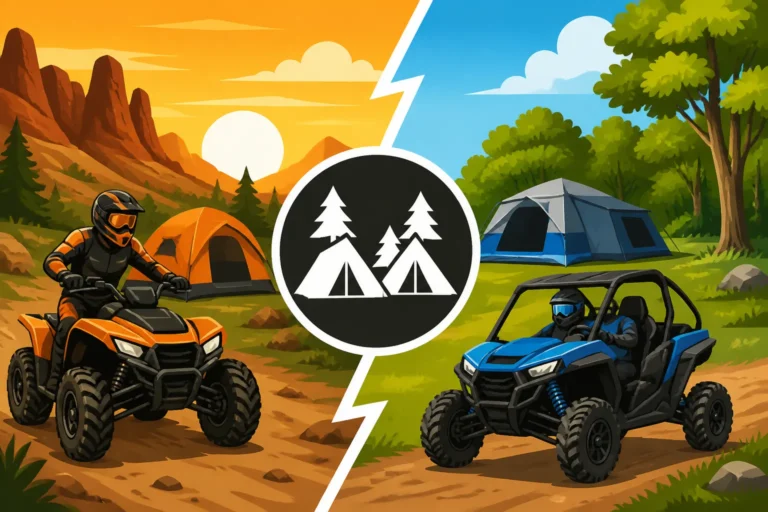
If you want to turn a ride into a weekend, check whether camping is available and what facilities or restrictions apply. Don’t assume that camping near an OHV area means you can ride directly from every campsite or travel freely between the campground and trails. Ask about designated routes, quiet expectations, fire rules, and whether you need to reserve a site or complete a separate check-in.
Cross Bar Ranch can be one part of a broader riding trip, but it’s worth comparing it with other Oklahoma destinations before settling on a plan. The right choice depends on the kind of machine you’re bringing, the terrain your group enjoys, and whether you need camping or other amenities. For example, [Oklahoma Trails That Allow Side-by-Sides] may help UTV owners compare options, while [Oklahoma Trails With Camping] is relevant if overnight access is a priority.
Use onX Offroad or another mapping tool to plan the drive and keep your intended route easy to reference, but verify access with the riding area itself. A map can’t resolve questions such as whether a trail is currently closed, whether your machine class is allowed, or what the park requires at check-in. If you’re comparing locations around Davis, [Oklahoma Riding Near Davis] offers another way to think about the area, but confirm details with each destination before you commit.
A smoother weekend usually comes from keeping the plan simple: choose the riding area, confirm access and conditions, prepare the machines, and leave room for breaks. That’s especially helpful when your group includes children, first-time riders, or people towing a trailer for the first time. With the practical details settled ahead of time, you can spend less of the day sorting out logistics and more of it enjoying the ride.
Disclaimer
This article is for general informational purposes only and does not constitute professional advice. Laws, prices and regulations vary by location and change over time. Consult a qualified professional for guidance on your specific situation.