Insurance at the Time of Registration
It's completely understandable to feel a bit confused when you're trying to figure out the ins and outs of registering your ATV or UTV in Oklahoma, especially when it comes to insurance. So many of us are used to the routine of registering a car, where proof of insurance is a fundamental, non-negotiable step. It makes perfect sense to assume your new off-road machine would follow the same rules, but the truth is, things are a little different for quads and side-by-sides here in the Sooner State. This guide is going to walk you through exactly when insurance is (and isn't) a requirement at the time of registration, clearing up that common misconception and helping you understand all your options.
The General Rule: Off-Road ATVs and UTVs Don't Need Insurance for Registration
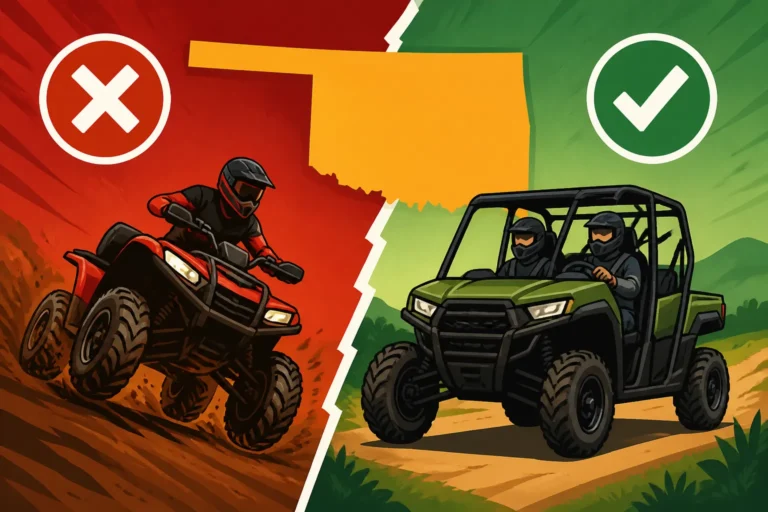
Let's cut right to the chase for the vast majority of ATV and UTV owners in Oklahoma: if you're registering your off-road machine for its primary purpose – tearing up trails, working on the farm, or just having fun on private land – you typically won't be asked for proof of insurance at the tag agency. This can come as a surprise, given how ingrained vehicle insurance is in our minds.
No Insurance Required for Standard Off-Road Registration
When you head to the tag agency to get your [Oklahoma ATV Registration You Pay Once] for that one-time $11 fee, you'll fill out the [Oklahoma's ATV Registration Application Explained], present your title or other ownership documents, and pay your fees. What you won't need to pull out is your insurance card. The state's standard registration process for off-road vehicles simply doesn't have a line item for insurance verification. This is because these machines are, by definition, not intended for regular use on public roads, which are where most mandatory insurance laws apply. They're registered more for identification and to provide some funding for off-road recreation in the state, rather than as a condition of road-worthiness.
It’s a distinct difference from what you experience with your pickup truck or family car. We've all been there, scrambling to find that little insurance card or pull up the app on our phone when buying a new car. The relief (or perhaps slight bewilderment) you might feel when the tag agent doesn't ask for it with your quad is a common experience. This particular detail often catches new owners off guard, especially those who just moved to Oklahoma from a state with different ATV laws. Just remember, this rule applies to the basic, one-time registration that essentially gives your machine a unique identifying decal and records it with the state.
Why Insurance Is Still a Smart Move for Off-Road Riding
Just because the state doesn't require insurance for your standard off-road registration doesn't mean it's not a critically smart investment. Think about it: these machines are powerful, they go fast, and accidents can happen in the blink of an eye. You could be enjoying a weekend at Little Sahara State Park, pushing your SuperATV equipped UTV through the dunes, and suddenly find yourself in a fender bender with another rider. Or perhaps you’re working on the ranch, and accidentally back into a fence line or damage a piece of farm equipment. Without liability insurance, you'd be on the hook for all those repair costs, not to mention any medical bills if someone was injured.
Beyond liability, what if your pride and joy gets stolen from your garage or an unsecured trailer at a hunting camp? Off-road machines, especially newer models or those loaded with aftermarket parts like a SuperATV winch or lift kit, represent a significant investment. Comprehensive coverage can protect against theft, vandalism, fire, or even damage from a natural disaster. Collision coverage, on the other hand, steps in to pay for repairs to your own machine if you're involved in an accident, regardless of fault. These machines are not cheap, and neither are their repairs. Having insurance provides peace of mind, knowing that a mishap on the trails or a stroke of bad luck won't completely derail your finances.
When Insurance IS Required: Street-Legal UTVs in Oklahoma
Here's where the plot thickens and the distinction between a typical off-road machine and a street-legal one becomes absolutely crucial. While your standard ATV or UTV registration might not demand insurance, Oklahoma has a specific pathway for certain UTVs to become street legal, and with that privilege comes the responsibility of carrying insurance.
The Specific Case of Road-Plated UTVs
Oklahoma enacted laws allowing UTVs to be made street-legal, paving the way for riders to enjoy their side-by-sides on certain public roads. However, this isn't a free pass. When you apply for [Oklahoma Road Plates for a Street-Legal UTV] – which, unlike the one-time off-road decal, are annual plates similar to a car's – you absolutely will be required to show proof of insurance. This requirement is consistent with any other street-legal motor vehicle in Oklahoma. The state mandates liability insurance to ensure that if you're involved in an accident on a public road, there's coverage for any damages or injuries you might cause to others. Without it, you simply won't get those road plates for your UTV.
This is often the source of confusion for many riders. They hear "ATV/UTV registration" and assume one set of rules, not realizing there are now two very different types of registration paths with different requirements. The annual [Oklahoma Street UTV Annual Renewal] will also require proof of current insurance, so it's not a one-and-done deal. Just like with your car, if your insurance lapses, your ability to legally operate that UTV on public roads is immediately jeopardized. This ensures that everyone sharing the road is protected financially in the event of an incident.
Understanding Street-Legal UTV Requirements Beyond Insurance
Getting your UTV road-ready involves more than just insurance. For your UTV to qualify for road plates, it needs to meet a specific set of equipment standards to be considered safe for public roads. This means equipping your machine with proper headlights, taillights, brake lights, turn signals, and mirrors. You'll also need a working horn, a windshield, and seatbelts for all occupants. Many riders turn to aftermarket providers like SuperATV for these specific components, as they offer a wide range of street-legal kits and individual parts designed to meet these requirements.
Beyond the physical modifications, there are also operational rules. Drivers of street-legal UTVs must be at least 16 years old and possess a valid driver's license – thankfully, no special motorcycle endorsement is needed. You'll also need to be aware of the restrictions on where you can ride. While you can cruise certain county roads and city streets where ordinances permit, [Oklahoma Street UTVs Stay Off Interstates] and [Oklahoma Street UTVs Stay Off US Highways] are strict rules that remain in place. Understanding all these facets, including the insurance mandate, is key to truly enjoying your street-legal UTV without running into legal trouble.
Navigating Insurance Options for Your Machine
So, whether you're insuring your off-road machine for peace of mind or securing mandatory coverage for your street-legal UTV, understanding the types of coverage available and how premiums are calculated is essential. It's not a one-size-fits-all situation, and tailoring your policy can save you money while still providing robust protection.
Types of Coverage Available
When you start looking at ATV/UTV insurance, you'll find many of the same coverage options as with car insurance, but specifically tailored for off-road vehicles.
- Liability Coverage: This is the big one. If you cause an accident, liability insurance helps pay for the other person's bodily injuries and property damage. For street-legal UTVs, this is the mandatory component you'll need at registration. It protects you from potentially crippling out-of-pocket expenses if you're deemed at fault in a collision.
- Collision Coverage: This pays for damages to your ATV or UTV if it collides with another vehicle, object, or even rolls over. Given the dynamic nature of off-road riding, collision coverage can be incredibly valuable for protecting your investment.
- Comprehensive Coverage: This steps in for non-collision incidents. Think theft, vandalism, fire, natural disasters, or even hitting an animal on the trail. If your machine is stolen from your barn, or catches fire, this coverage is what helps you recover.
- Uninsured/Underinsured Motorist Coverage: This protects you if you're involved in an accident with another rider or driver who doesn't have insurance or doesn't have enough to cover your damages.
- Accessories Coverage: Many off-road enthusiasts pour money into customizing their machines with aftermarket parts like plows, winches, upgraded suspension, or even SuperATV audio systems. Standard policies might only cover the stock machine, so make sure your policy includes specific coverage for these added accessories.
It’s definitely worth sitting down with an insurance agent who specializes in powersports to discuss these options. They can help you determine the right balance of coverage and cost based on how you use your machine, where you ride, and the value of your vehicle.
Factors Affecting Insurance Premiums
Insurance premiums for ATVs and UTVs aren't pulled out of thin air; they're calculated based on a variety of factors, similar to how car insurance works.
- Type of Machine: A high-performance sport quad or a large, four-seat UTV will likely have higher premiums than a smaller, less powerful utility ATV, simply due to the potential for higher repair costs or greater damage in an accident.
- Riding Habits and Location: If you primarily ride on private land, your rates might be different than someone who frequently uses public trails or operates a street-legal UTV on roads. Your geographic location within Oklahoma can also play a role, with some areas having higher rates due to theft statistics or accident rates.
- Driver Demographics: Your age, driving record, and even your credit history can influence your premium. Younger, less experienced riders or those with a history of accidents or violations will typically pay more.
- Coverage Limits and Deductibles: Choosing higher liability limits or adding comprehensive and collision coverage will increase your premium, but offer more protection. Conversely, opting for a higher deductible (the amount you pay out-of-pocket before insurance kicks in) can lower your premium.
- Bundling: Often, you can get a discount by bundling your ATV/UTV insurance with your existing car or home insurance policy from the same provider. This is always worth asking about!
It's a good idea to shop around and get quotes from several different insurance providers. What one company charges for comprehensive coverage on a modified side-by-side might be significantly different from another, so don't be afraid to compare options before committing.
What to Bring to the Tag Agency
To make your trip to the tag agency as smooth as possible, it's always best to be over-prepared rather than under. The required documents will depend significantly on whether you're simply registering an off-road machine or applying for a street-legal UTV plate.
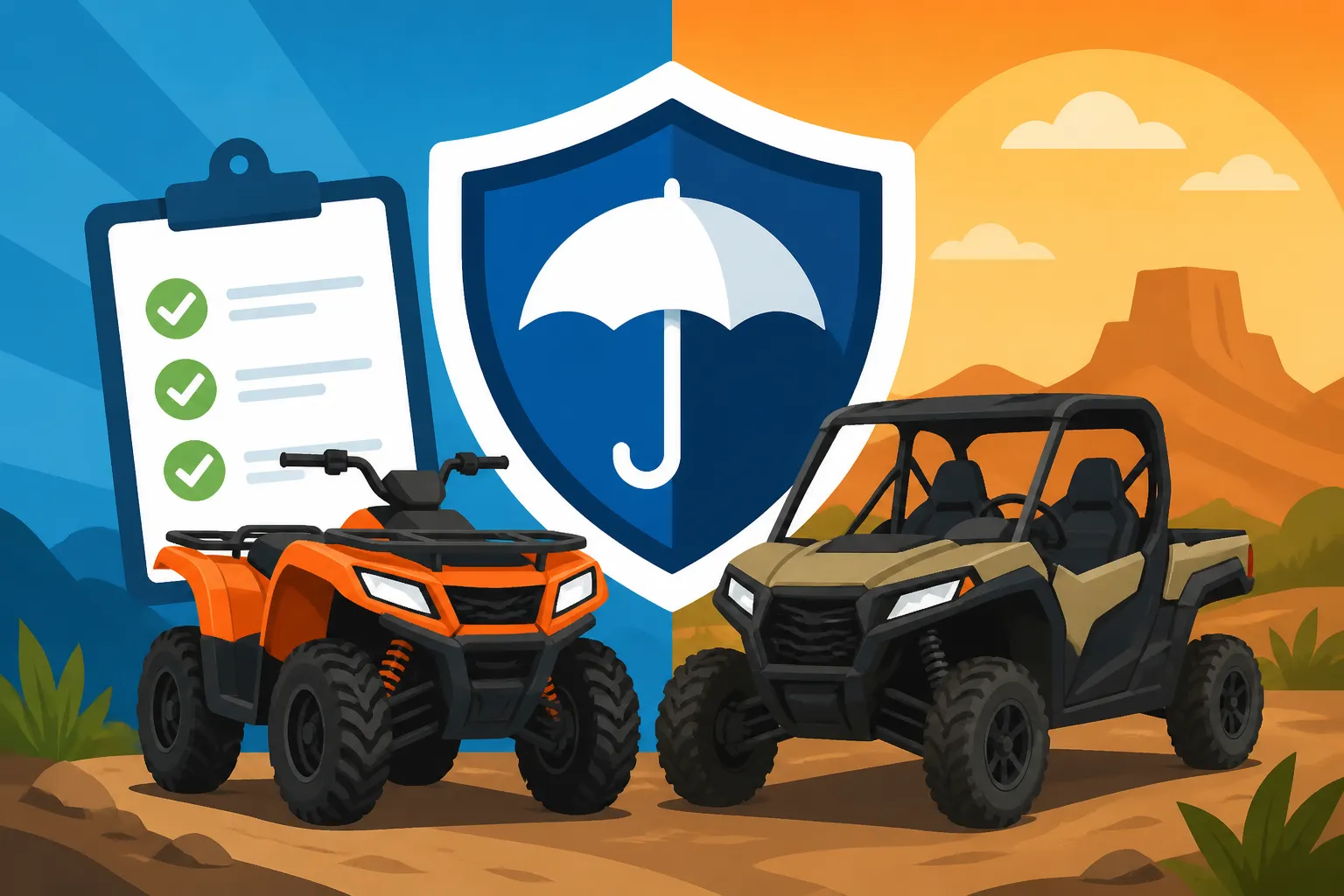
Off-Road Registration Checklist No Insurance Needed
For your standard, one-time off-road ATV or UTV registration, the process is relatively straightforward. You'll need proof of ownership, personal identification, and the necessary fees.
- Proof of Ownership: This is usually the Manufacturer's Statement of Origin (MSO) for a brand-new machine, or a title (if applicable) and a [Oklahoma Bills of Sale for Older Machines] if you purchased it privately. If it's an older quad bought before certain cutoff dates, you might simply need a bill of sale and to file a [Oklahoma Declaration of Purchase Price].
- Completed Application: The [Oklahoma's ATV Registration Application Explained] will need to be filled out accurately with details about your machine and yourself.
- Proof of Identity and Residency: A valid driver's license or state ID card, along with proof of your Oklahoma address (like a utility bill), will be required.
- Payment for Fees: Be prepared to pay the $11 registration fee, plus any applicable excise tax. Remember, this fee is paid once and your [Oklahoma Registration Never Renews].
Crucially, for this type of registration, you do not need to bring any proof of insurance. The tag agent will not ask for it, nor will they require it to process your off-road registration.
Street-Legal UTV Registration Checklist Insurance IS Needed
If you're going the route of making your UTV street legal and applying for those annual road plates, your checklist will look very similar to registering a car. The addition of insurance is the key difference here.
- All Documents from the Off-Road Checklist: You'll still need your proof of ownership (MSO or title/bill of sale), a completed application, and proof of identity/residency.
- Proof of Insurance: This is absolutely mandatory. You'll need to provide an insurance ID card or a declarations page from your policy, clearly showing that your street-legal UTV is covered by at least the state's minimum liability requirements. This ensures you're compliant with Oklahoma law for operating a motor vehicle on public roads.
- Proof of Equipment Compliance: While the tag agency won't likely inspect your UTV on the spot, you are certifying that your machine meets all the required safety equipment standards for street-legal operation (headlights, turn signals, horn, etc.). This is where those SuperATV street-legal kits come in handy for many riders.
- Payment for Annual Fees: Unlike the one-time $11 off-road fee, street-legal UTV plates come with annual registration and excise tax fees. Be prepared for these costs.
Remember, this insurance requirement isn't just for the initial application; it's an ongoing condition. When it comes time for your [Oklahoma Street UTV Annual Renewal], you will again need to provide proof of current, active insurance coverage. Keeping these documents organized and knowing the specific requirements for your machine will save you a lot of time and potential headaches at the tag agency.
| Feature | Standard Off-Road ATV/UTV Registration | Street-Legal UTV Registration (Road Plate) |
|---|---|---|
| Insurance Required? | No | Yes |
| Type of Registration | One-time | Annual |
| Decal/Plate Issued | Front Decal | Standard Vehicle Plate |
| Primary Use | Off-road, private land, trails | Public roads (with restrictions) |
| Cost | $11 (plus excise tax at titling) | Annual fees (varies, plus excise tax) |
| Required for Renewal? | No ([Oklahoma Registration Never Renews]) | Yes (includes insurance verification) |
| Documents at Agency | MSO/Title, Bill of Sale, App, ID | MSO/Title, Bill of Sale, App, ID, Proof of Insurance |
| Equipment Requirements | Minimal | Extensive (lights, signals, horn, etc.) |
Disclaimer
This article is for general informational purposes only and does not constitute professional advice. Laws, prices and regulations vary by location and change over time. Consult a qualified professional for guidance on your specific situation.