How to Order a Duplicate Registration Decal
It's incredibly frustrating when you go to jump on your ATV or UTV for a weekend ride, only to discover that your registration decal has gone missing or been damaged beyond recognition. That little sticker is your proof that you're legally registered to hit the trails or operate on allowed public roads, and without it, you can run into a real headache with law enforcement or park officials. This guide is here to walk you through exactly how to get a replacement decal in Oklahoma, so you can get back to enjoying your machine without a worry.
The Frustration of a Missing or Damaged ATV/UTV Decal
Let's be honest, our off-road machines live a tough life. They're exposed to all sorts of elements, bumps, and scrapes, and sometimes, that little registration decal just doesn't stand a chance. It's not uncommon to hear riders vent about their decal disappearing or getting shredded, and it’s a valid point of frustration.
Common Scenarios for Decal Disappearance
You might be wondering how on earth a sticker could just vanish. Well, our machines are designed for adventure, and that often means less-than-gentle conditions. Picture yourself tearing through the sandy dunes of [Little Sahara State Park in Oklahoma], the wind whipping past, or navigating a narrow, overgrown trail in one of Oklahoma's beautiful [Oklahoma ATV Trails: Where to Ride] areas. A stray branch, a close encounter with a rock, or even the sheer force of wind and vibration can snag, peel, or simply wear away that decal.
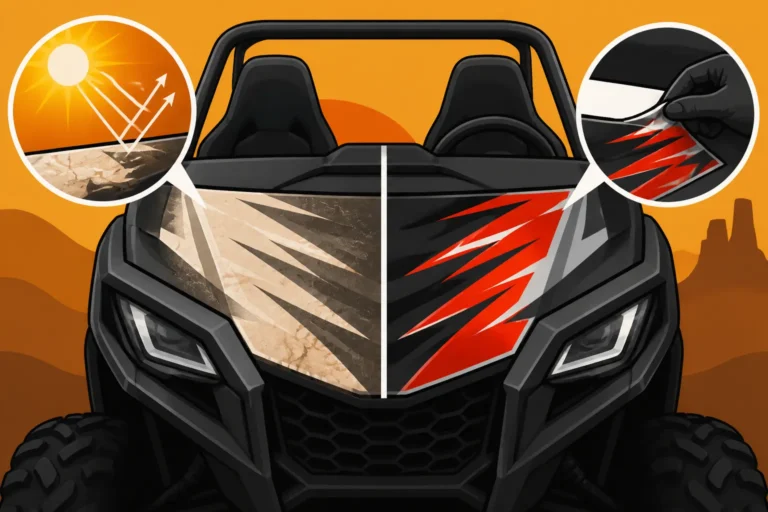
It's not always about rough riding either. Sometimes, a high-pressure wash after a muddy weekend can accidentally blast the decal right off. Or perhaps your machine sits out in the Oklahoma sun year-round, baking away the adhesive and fading the colors until it's barely recognizable. Then there's the less common, but equally frustrating, scenario of theft – not of the machine itself, but maybe someone just peeled off the decal. In any of these cases, you’re left without that crucial piece of proof.
Why Your Decal is More Than Just a Sticker
While it might seem like just a small sticker, your registration decal carries significant weight. It's the visual confirmation that your ATV or UTV is properly registered with the state of Oklahoma. Remember, [Oklahoma ATV Registration You Pay Once], but that initial registration is crucial, and the decal is the public-facing evidence of it. Without it, you could face questions or even citations from authorities.
Imagine being pulled over by a state trooper while making a quick crossing of a county road. One of the first things they might ask for, besides your driver's license, is proof of your machine's registration. That decal provides immediate, clear evidence. If it's missing or unreadable, it can lead to delays and unnecessary hassle, even if you have your paper registration document tucked away. Park rangers at public riding areas also rely on these decals to ensure everyone on the trails is compliant, helping to maintain order and track usage. Simply put, having your decal prominently displayed means one less thing to worry about when you're out enjoying the ride. This is why properly displaying it, like the [Oklahoma Decals on the Front of a Machine] rule, is important.
Your Step-by-Step Guide to Getting a Duplicate Decal
Okay, so your decal is gone or damaged. No need to panic. Getting a replacement is a straightforward process in Oklahoma, though it does require a bit of your time and attention to detail.
Gathering Your Essential Information
Before you head to a tag agency or jump online, you'll need to pull together some key pieces of information. This helps the state verify your ownership and existing registration. First and foremost, you'll need your Vehicle Identification Number (VIN). This unique serial number is typically stamped on the frame of your ATV or UTV and is crucial for identifying your specific machine. Make sure you write it down accurately, double-checking for any transposed numbers or letters.
You'll also need your personal identification information, such as your driver's license number, and any details related to the original registration – for instance, the month and year you originally registered the machine. Even if your paper registration document is also lost, having the VIN and your personal details should be enough for the tag agency to look up your existing record. In rare circumstances, if there are questions about ownership and you've lost all your paperwork, having access to documents like a previous [Oklahoma Bills of Sale for Older Machines] or a [Oklahoma Declaration of Purchase Price] could be helpful. While not usually needed for a simple decal replacement, resources like LawDepot can assist you in generating formal legal documents should you ever need to recreate a bill of sale or other ownership proofs for various purposes down the line.
Where to Go: Tag Agencies and Service Oklahoma
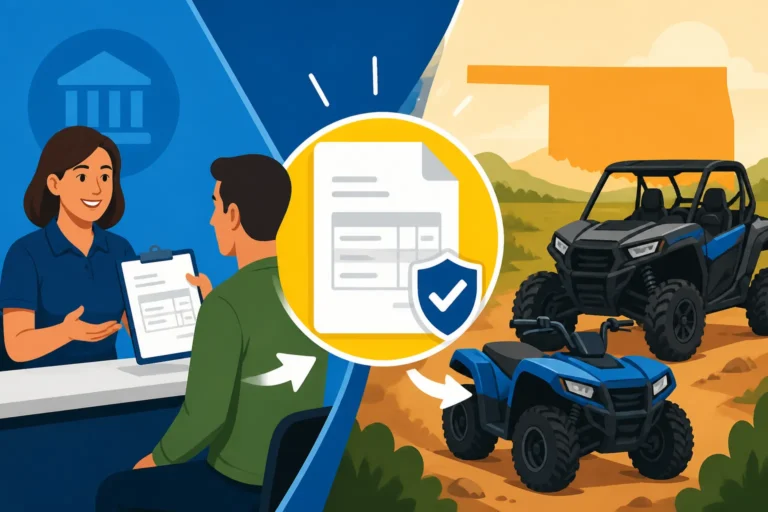
In Oklahoma, you have a couple of primary avenues for obtaining a duplicate registration decal. The most common and often quickest method is visiting a local tag agency in person. Oklahoma has numerous tag agencies spread across the state, and their staff are well-versed in handling these types of requests. You can find your nearest tag agency by checking the Service Oklahoma website. Bringing all your information with you will help streamline the process.
Alternatively, for some services, you might be able to handle it through Service Oklahoma's online portal or via mail. While online options are expanding, for specific decal requests, an in-person visit often provides immediate confirmation and helps resolve any questions on the spot. If you're wondering about the specific process for a [Oklahoma Decal Replacement If Lost], the tag agency will be your best resource for current procedures.
The Application Process and Associated Costs
Once you're at the tag agency with your information in hand, the process is generally quite simple. You'll likely fill out a short form requesting the vehicle's details and your owner information, indicating that you need a duplicate decal. This isn't usually a complicated application, but accuracy is key. The fee for a duplicate decal is typically a nominal amount. It’s a separate charge from your initial [The $11 Registration You Pay Once and Never Renew], which covered the original registration and decal.
It's important to differentiate this from renewing your registration, as Oklahoma's unique system means [Oklahoma Registration Never Renews]. This small fee simply covers the cost of issuing a new physical decal. If you've also lost your actual registration certificate, you might inquire about getting a duplicate of that document at the same time, which may incur an additional small fee. Don't be afraid to ask the clerks at the tag agency any questions you have, as they are there to help clarify the process. Many riders have questions, and the staff at the tag agency hears them all the time, making them a great resource for [Oklahoma Registration Questions Clerks Hear].
What to Expect and How to Stay Compliant While You Wait
After you've submitted your application and paid the necessary fee, you'll likely be wondering what happens next and if you can still ride your machine. Understanding the timeline and how to remain compliant is important to avoid any potential issues.
Processing Times and Delivery Methods
If you apply for your duplicate decal in person at a tag agency, you might even receive it on the spot, or it may be mailed to you within a few business days. This immediate turnaround is often why many riders prefer the in-person option. If you opt for a mail-in or online process (if available for duplicates), expect it to take a bit longer for processing and postal delivery. [Oklahoma Registration Processing Time] can vary, so it's always a good idea to inquire about estimated delivery times when you apply.
Once you receive your new decal, the next step is crucial: proper placement. Oklahoma law generally requires the decal to be displayed on the front of your ATV or UTV in a visible location. For ATVs, this often means the front fender or a plastic panel. For a side-by-side, it's typically on the front bodywork. This ensures that it's easily seen by law enforcement or park officials. For specific guidance, you can refer to information about [Oklahoma Decal Placement on a Side-by-Side] or [Where the Registration Decal Goes on an ATV]. Make sure the surface is clean and dry before applying the new decal to ensure good adhesion.
Interim Solutions and Best Practices
While you're waiting for your duplicate decal to arrive, especially if there's a delay, it's a good idea to carry proof that you've applied for a replacement. This could be a receipt from the tag agency, a copy of your application form, or even a dated note from the clerk acknowledging your request. While this isn't a substitute for the actual decal, it can certainly help explain your situation if you're stopped.
Always carry your paper registration document if you have it. Having a physical copy of your registration, even without the decal, is important for demonstrating compliance. Remember that officers might ask to see your registration if you're riding on public access roads or certain trails, so [Carrying Your Registration on a Section Road] is a smart habit. If you do not have your paper registration, a photo of it on your phone could also be a temporary backup, but always defer to official documents. If you know you'll be riding in an area with strict enforcement, consider whether it's best to wait until your new decal is affixed to your machine. It's one of those [Five Registration Mistakes That Cost Riders Money] you want to avoid.
Protecting Your New Decal from Future Wear and Tear
Once you have that fresh, new duplicate decal affixed to your machine, you'll want to take steps to ensure it doesn't meet the same fate as its predecessor. A little foresight and care can go a long way in preserving your decal for the long haul.
Smart Placement and Protective Measures
Even though Oklahoma has a general rule for [Oklahoma Decals on the Front of a Machine], there's often a bit of wiggle room to pick the best spot on your particular ATV or UTV. Look for a flat, smooth surface that's less prone to direct impact from branches, rocks, or excessive mud spray. Sometimes, slightly to the side of dead center, or on a less convex part of the plastic, can offer better protection.
Consider investing in a clear protective film or a decal cover. These are often inexpensive, transparent adhesive layers that you can place directly over your registration decal. They act as a sacrificial layer, shielding the decal from UV rays, scratches, and the harsh blast of a pressure washer. This simple addition can significantly extend the life of your decal, preventing issues like a [Replacing a Front Decal Faded by the Sun]. It’s a small investment that saves you the hassle and cost of ordering another duplicate down the road.
Regular Checks and Maintenance Habits
Making your registration decal part of your regular machine maintenance routine is a smart move. Before each ride, or at least every few rides, take a quick glance at your decal. Is it still firmly attached? Are the numbers and letters still clearly visible? Catching a small peel or fade early allows you to address it before it becomes a full loss. You might be able to re-adhere a loose corner with a strong adhesive or apply a protective film before further damage occurs.
When washing your machine, be mindful of the decal. While pressure washing is great for blasting off caked-on mud, try to avoid directing the high-pressure stream directly at the edges of your decal. Instead, use a softer spray or hand wash around the decal area to prevent lifting the adhesive. By integrating these simple checks and careful cleaning habits into your routine, you can keep your duplicate decal looking fresh and clearly visible, ensuring you remain compliant and ready for your next Oklahoma adventure.
Disclaimer
This article is for general informational purposes only and does not constitute professional advice. Laws, prices and regulations vary by location and change over time. Consult a qualified professional for guidance on your specific situation.