Registration Stays With the Owner, Not the Machine
That sinking feeling when you realize you might be doing something wrong with your new off-road machine, especially when it comes to paperwork, is completely understandable. Many riders in Oklahoma find themselves scratching their heads over ATV and UTV registration, often assuming it works just like their car or truck. But here in the Sooner State, there’s a crucial distinction that can save you a lot of hassle, confusion, and even a potential ticket: your off-road machine's registration belongs to you, the owner, not the machine itself. This guide will dive deep into this Oklahoma-specific rule, explaining exactly what it means for both buyers and sellers of ATVs and UTVs, and how to navigate the process smoothly to keep your rides legal and worry-free.
Clarifying the Oklahoma Rule: Owner-Based Registration
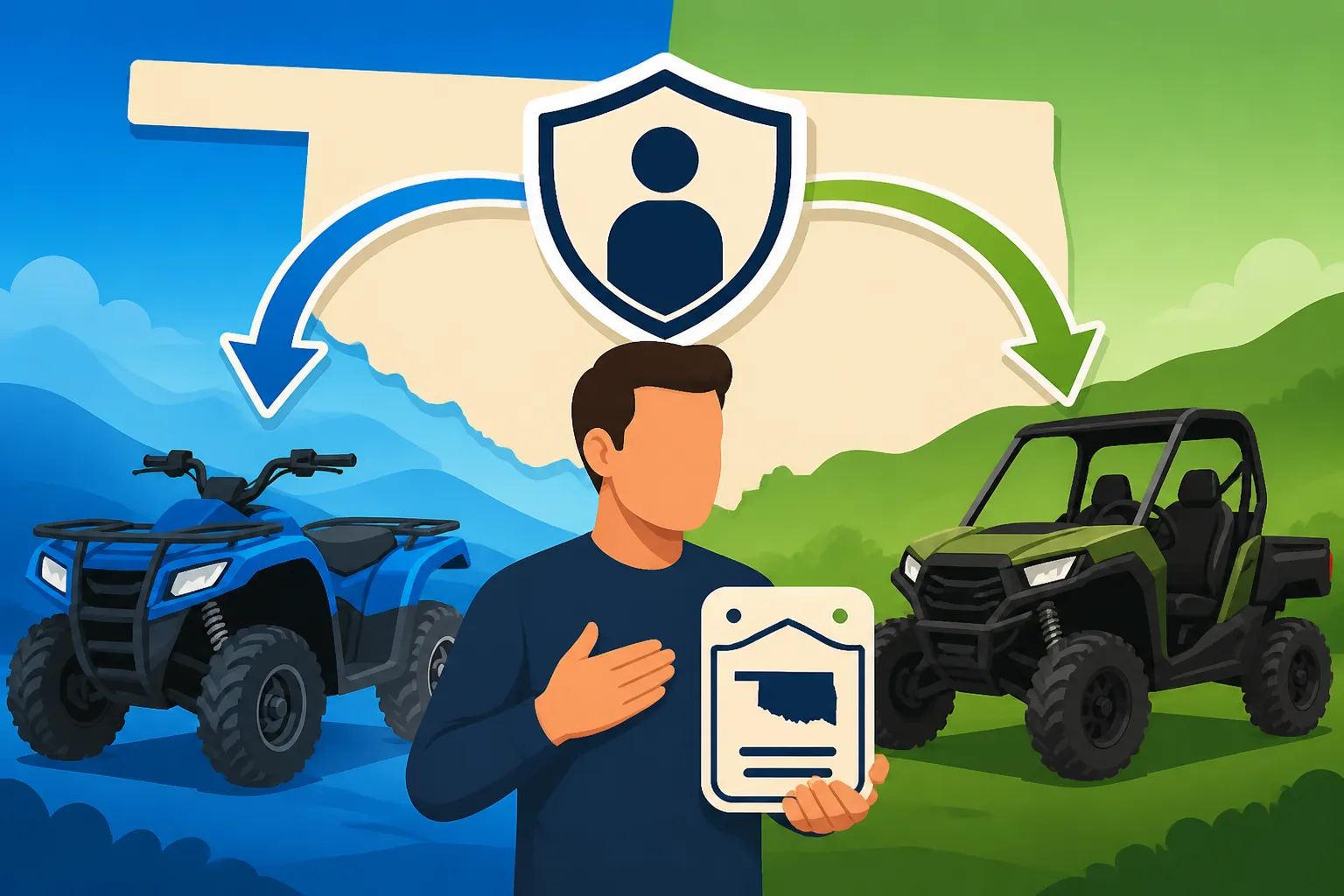
It's natural to think of a vehicle's registration as a permanent fixture, like a license plate that stays with the car no matter who owns it. This is how many states handle cars and trucks, and it's certainly how a lot of folks assume it works for ATVs and UTVs. However, Oklahoma has a different philosophy when it comes to off-road machine registration. Here, the registration decal you receive isn't a transferable tag for the machine; it's essentially a receipt acknowledging that you, the individual, have met your obligation to register the machine during your ownership.
Understanding the Oklahoma Difference for ATVs and UTVs
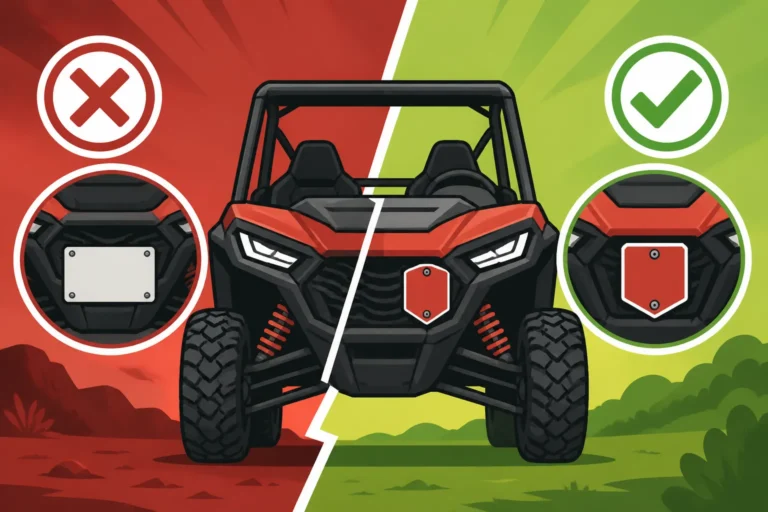
For most traditional vehicles in Oklahoma, like cars and pickup trucks, you get a license plate that often stays with the vehicle upon sale, with the new owner simply transferring the plate. This creates a mental model where the registration is tied to the physical object. But ATVs, UTVs, and other off-road vehicles operate under a different framework. The small decal you affix to the front of your ATV or side-by-side isn't a permanent identifier for that specific vehicle for all future owners. Instead, it's proof of your registration, issued to you as the owner at the time of titling. This means that if you sell your machine, your registration expires with your ownership, even if the decal itself is still physically on the machine.
This unique system ties directly into how [Oklahoma ATV Registration You Pay Once] works. Unlike annual renewals for cars, you pay a one-time fee for your off-road machine's registration. This one-time payment covers your ownership period. When that ownership changes hands, the new owner then has their own obligation to register the machine under their name and pay their own one-time fee. This also explains why [Oklahoma Registration Never Renews]; once you've paid your $11 and received your decal, you're good to go for the duration of your ownership. There's no yearly reminder or bill to come in the mail, but this convenience comes with the caveat that your registration isn't something you can pass along.
Why This System Matters for Buyers and Sellers
The distinction between owner-based and machine-based registration is more than just a bureaucratic detail; it has significant practical implications for anyone involved in buying or selling an ATV or UTV in Oklahoma. Misunderstanding this rule can lead to fines, delays, and a whole lot of frustration.
For sellers, this means you don't "transfer" your existing registration to the new owner, because it was tied to you, not the machine. Once you sell your quad or side-by-side, your registration for that specific machine essentially becomes invalid. You're not expected to do anything with the physical decal, though many sellers will remove it or clearly communicate to the buyer that it no longer holds legal weight. Your primary responsibility shifts to properly documenting the sale and handing over a clean title (if one exists for the machine). This rule is foundational to [Selling a Registered Machine in Oklahoma] legally and responsibly.
For buyers, this is perhaps even more critical to understand. When you purchase an ATV or UTV, even if the previous owner proudly points out the "current" decal on the front, you must initiate a brand-new registration and titling process in your own name. Simply continuing to ride with the old decal will leave you unregistered, and if you're stopped by law enforcement, you could face penalties. This system ensures that the state always has an up-to-date record of the current owner responsible for the machine, which is especially important for off-road vehicles that might not always have the same level of tracking as road-going vehicles. It’s a fresh start for every new owner.
What Happens When You Buy or Sell a Registered Machine
Navigating the sale or purchase of an ATV or UTV requires clear steps, especially when dealing with Oklahoma's owner-based registration. It's not complicated once you understand the core principle, but overlooking it can definitely create headaches down the line.
As a Seller: What to Do With Your Registration
When you decide to sell your trusty quad or side-by-side, remember that the registration decal you carefully applied to the front of the machine loses its validity the moment ownership transfers. Your registration was for your use during your ownership. While there’s no official process to "cancel" your ATV or UTV registration in Oklahoma, your responsibility for it effectively ends when you complete the sale. You can simply leave the decal on the machine, but it’s a good practice to either remove it or, at the very least, clearly explain to the buyer that they will need to obtain their own registration. This prevents any misunderstanding where the buyer might assume your decal makes the machine legal for them.
Your main task as a seller is to provide the buyer with the necessary documents to establish their ownership. This includes signing over the title (if your machine has one, which is generally the case for newer models, as covered in [Oklahoma Titles ATVs and UTVs]) or providing a solid bill of sale for older machines. A well-drafted bill of sale is crucial here. It needs to clearly state the vehicle identification number (VIN), make, model, year, the purchase price, the date of sale, and the signatures of both you and the buyer. This document not only serves as the buyer's proof of purchase but also legally absolves you of any further liability for the machine once it leaves your possession. Using a reliable template, perhaps from a service like LawDepot, can help ensure all the necessary legal details are covered and make the process straightforward and secure for both parties.
As a Buyer: Starting Fresh with Your Own Registration
For buyers, the process is all about establishing your new ownership with the state. This means you aren't just "transferring" the previous owner's paperwork; you are applying for a brand new title and registration in your name. This is a crucial distinction. Even if the previous owner shows you their valid decal, that decal is meaningless for you as the new owner.
To begin, you'll need the proper documentation from the seller. For newer machines, this will almost certainly be the signed-over title. For older ATVs or UTVs, especially those manufactured before specific cutoff dates (like [Oklahoma ATV Cutoff of July 2005] or [Oklahoma UTV Cutoff of July 2008]), a clear bill of sale might be the primary document. You'll then take these documents, along with proof of your identity, to an Oklahoma tag agency. There, you'll fill out a new registration application. This process allows the state to record you as the new legal owner and issue you a fresh registration decal and title.
It's incredibly important to remember the 30-day deadline. Oklahoma requires new owners to title and register their machines within 30 days of purchase. Failing to do so can result in late fees, which nobody wants. Understanding this deadline is key to avoiding unnecessary costs, as detailed in [Oklahoma's 30-Day Registration Deadline] and [Oklahoma Late Registration Fees]. Gather your paperwork promptly, make sure your bill of sale is complete (more on this below), and plan your visit to the tag agency within that initial month of ownership.
Common Pitfalls and How to Avoid Them
The owner-based registration system, while straightforward once understood, does present a few common traps for the unwary. These pitfalls often stem from assumptions carried over from how other vehicle registrations work or simply a lack of awareness about the specific rules for ATVs and UTVs in Oklahoma.
Avoiding the "I Thought It Was Covered" Trap
This is arguably the most common pitfall for new ATV and UTV owners in Oklahoma. Imagine you've just bought a fantastic side-by-side from a private seller. They point to the bright, current-looking decal on the front, assuring you it's "all legal." You hop on, excited for your first ride, only to be stopped by a game warden or sheriff's deputy on a county road. When they ask for your registration, you confidently point to the decal. But then comes the bad news: it's not registered to you. Now you're facing a citation for an unregistered vehicle, even though you genuinely believed you were covered.
This scenario highlights why the owner-based registration is so critical. The state's system tracks registration by the individual owner, not just the machine. So, even if the decal appears valid on the surface, if the name on the registration record doesn't match the current owner, it's considered unregistered. To avoid this trap, always assume that when you buy an ATV or UTV in Oklahoma, you will need to register it anew in your name. There are no shortcuts or transfers of existing decals. Being proactive about your own registration is the only way to genuinely be "covered." This diligence helps you avoid the [Oklahoma Late Registration Penalties] that accrue daily if you miss the 30-day window.
The Importance of a Clear Bill of Sale
A good, clear bill of sale is your best friend when buying or selling an ATV or UTV, especially in a state with owner-based registration. For the buyer, it's more than just a receipt; it's the fundamental proof of your purchase, without which you won't be able to title or register the machine in your name. The tag agency will absolutely require it, particularly for older machines that may not have a traditional title. The bill of sale confirms who you bought it from, the date of purchase, and the agreed-upon price – all vital details for the registration process, including the calculation of [Oklahoma Excise Tax at Titling].
For the seller, a comprehensive bill of sale is equally important. It serves as your official record that you have transferred ownership, releasing you from any further legal responsibility for the machine. This is crucial if, for example, the new owner were to be involved in an accident or commit an infraction. Without a solid bill of sale, you could theoretically be on the hook for actions taken by the machine's new operator.
When preparing a bill of sale, make sure it includes:
- Full names and addresses of both buyer and seller.
- Detailed description of the ATV or UTV (make, model, year, color).
- Vehicle Identification Number (VIN), which is absolutely critical for tracking.
- Purchase price (this will be used for excise tax calculations).
- Date of sale.
- Signatures of both buyer and seller.
To ensure all these crucial elements are included and legally sound, consider using a reputable template. Services like LawDepot offer customizable bill of sale templates designed to cover all the necessary legal points. This can be a huge help in creating a document that is comprehensive, clear, and holds up to scrutiny. A well-crafted bill of sale, easily generated through platforms like LawDepot, protects both parties and streamlines the official registration process. This attention to detail aligns perfectly with the guidance in [Writing a Bill of Sale That Lists the Price], ensuring accuracy for tax purposes.
The Paperwork Side of Owner-Based Registration
Understanding the "why" behind owner-based registration is one thing; navigating the "how" with the actual paperwork is another. Knowing what forms you'll encounter and how to properly document your transaction will make your trip to the tag agency much smoother.
New Registration Application Process
Once you've secured your ATV or UTV, the next stop is an Oklahoma tag agency. Don't worry, the process for new registration isn't overly complex, especially if you arrive prepared. You'll need to fill out an application form that officially requests the title and registration in your name. This form will ask for details about the machine, your personal information, and how you acquired it. You'll need to present a few key items:
- Proof of Identity: Your driver's license or state-issued ID.
- Proof of Ownership: This will be either the manufacturer's statement of origin (MSO) for a brand-new machine, a properly signed-over title from the previous owner, or a detailed bill of sale for older machines or those without a title. [Oklahoma Bills of Sale for Older Machines] provides more context on this.
- Payment: Be ready to pay the [Oklahoma Charges $11 at Titling] fee, which covers your registration, plus the 4.5% excise tax on the purchase price.
The tag agency clerk will guide you through the specific forms. They'll verify your documents, input the information, and then issue you a new title certificate (if applicable) and your registration decal. This decal should be placed prominently on the front of your ATV or UTV, as detailed in [Oklahoma Decals on the Front of a Machine]. Remember, this is your new registration, valid for your ownership, and it effectively replaces any old decal the machine might have had.
Documenting the Sale: Why a Good Bill of Sale is Key
We've touched on the importance of a clear bill of sale, but it bears repeating, especially in the context of Oklahoma's owner-based registration and excise tax system. A "good" bill of sale isn't just a scribble on a napkin; it's a legitimate legal document that serves multiple critical purposes.
First, it’s the primary evidence for the tag agency to verify your purchase price. The purchase price declared on your bill of sale directly influences the calculation of the 4.5% excise tax you'll pay at the time of titling. If the bill of sale is vague or incomplete, you might be asked to complete a [Oklahoma Declaration of Purchase Price] form, which is essentially an affidavit confirming what you paid. Having a clear bill of sale upfront can often make this step simpler.
Second, beyond the financial implications, the bill of sale acts as a legal firewall. For the seller, it proves you've relinquished ownership and are no longer liable for the machine. For the buyer, it proves you legally acquired the machine, protecting you from any future claims by the seller or questions about the machine's provenance. In cases where an ATV or UTV is old enough not to have a title, the bill of sale becomes the most vital piece of paperwork you possess.
Given its importance, don't leave the bill of sale to chance. While a handwritten one can be legally valid, using a structured template ensures that no critical information is omitted. Customizable templates from services like LawDepot are an excellent resource for this. They guide you through all the necessary fields, from VIN to purchase price, and provide clear sections for signatures, ensuring the document is comprehensive and legally robust. This level of detail in your documentation can prevent headaches and ensure a smooth, legitimate transfer of ownership, fully aligning with Oklahoma's unique registration rules.
| Scenario | Registration Decal Status | Seller's Responsibility | Buyer's Responsibility | Key Action for Buyer |
|---|---|---|---|---|
| Selling a Registered ATV/UTV | Becomes invalid for new owner | Provide clear Bill of Sale and signed Title (if applicable) | Obtain new title and registration in their name | Apply for new title and registration within 30 days. |
| Buying a Registered ATV/UTV | Previous owner's decal is invalid for buyer | Ensure all necessary ownership documents are transferred | Apply for new title and registration in their name | Do NOT rely on the previous owner's decal; get your own. |
| Buying an Unregistered ATV/UTV | No decal (or expired) | Provide Bill of Sale and Title (if applicable) | Obtain new title and registration in their name | You still must apply for new title and registration. |
| Inherited or Gifted Machine | N/A | Provide necessary transfer documents | Apply for title and registration in their name | Complete transfer paperwork, then apply for your own registration. |
Disclaimer
This article is for general informational purposes only and does not constitute professional advice. Laws, prices and regulations vary by location and change over time. Consult a qualified professional for guidance on your specific situation.